Last updated October 16, 2026








Free written scope consultation - allowances, timeline, and change-order rules on paper before a single trade is scheduled
Construction Warning Signs: A Santa Clarita Homeowner’s Reference Guide
Here’s a truth most contractors won’t say out loud: the biggest construction disasters in Santa Clarita rarely start with a blowup. They start with a shrug. A bid that seems too good. A crew that goes quiet for three days. A change order that someone “forgot” to put in writing. According to the Contractors State License Board, complaints against California contractors consistently rank unlicensed activity and abandonment among the top issues homeowners report. By the time the homeowner realizes something is wrong, they’re five figures deep and the contractor is gone. This guide walks through the specific warning signs at every stage of a project, from the first handshake to the final walkthrough, so you can spot trouble while there’s still time to correct course. For how to hire a construction contractor in Santa Clarita, see our step-by-step guide. We work in Santa Clarita, and we’ve seen what happens when homeowners don’t know what to look for.
Quick Answer
The clearest construction contractor warning signs are a first bid that comes in drastically lower than every other estimate, a contractor who asks for more than 10% or $1,000 upfront (whichever is less, per California law), vague scopes filled with the word “allowance,” crews that disappear without updates, verbal change orders, and pressure to release final payment before the building inspection is signed off. In Santa Clarita, homeowners should also watch for contractors who delay pulling permits or suggest pulling the permit in the homeowner’s name without explaining what that means. If you see any of these, stop and get everything in writing before another dollar changes hands.
Styles & brands we work with






Table of Contents
- Warning Signs During the Bid Stage
- Payment Red Flags: What California Law Says
- Mid-Project Warning Signs: When the Crew Goes Quiet
- Permit Red Flags Santa Clarita Homeowners Miss
- Quality Warning Signs You Can Spot Without a Construction Background
- Material Substitution: When What Shows Up Isn’t What You Paid For
- End-of-Project Warning Signs: The Final Walkthrough Trap
- Common Mistakes to Avoid
- When to Call a Professional
- Frequently Asked Questions
Warning Signs During the Bid Stage
The bid stage is where most Santa Clarita homeowners let red flags slide, because nothing has gone wrong yet. The contractor seems friendly, the price sounds good, and you want to get the project moving. That’s exactly when you need to be most alert. A bad contract doesn’t get better once demolition starts. Here’s what to look for before you sign anything.
The Suspiciously Low First Number
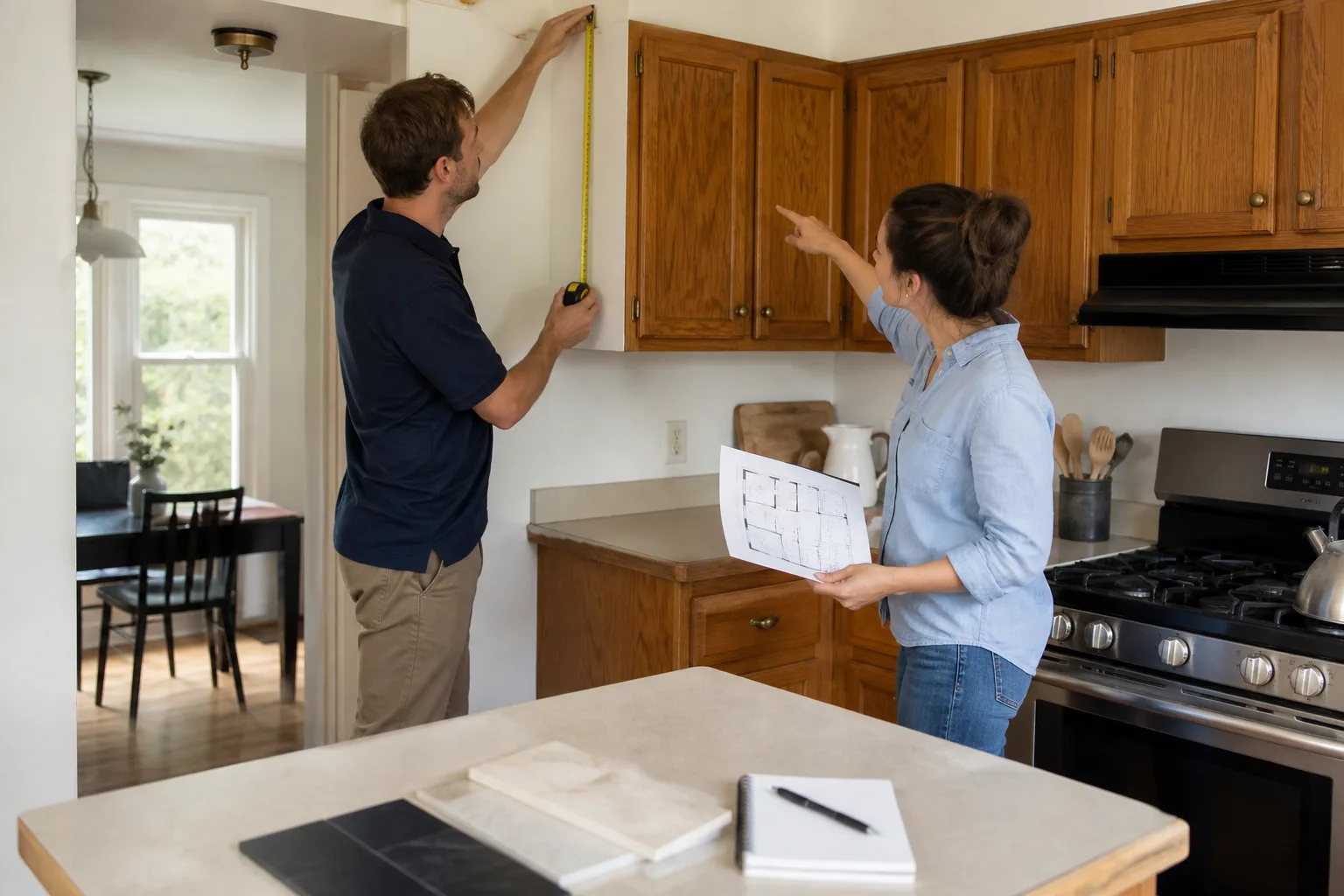
A bid that lands 30% or 40% below every other estimate isn’t a deal. It’s a strategy. Some contractors lowball the first number to win the job, then make up the difference through change orders once the project is underway and your kitchen is already torn apart. In Santa Clarita, where remodeling costs run close to Los Angeles County averages, a bathroom remodel that should cost $18,000 to $35,000 does not suddenly cost $9,000 from one contractor. When one bid is wildly out of line with the others, ask why. If the answer is vague, walk away. As a General Contractor in Santa Clarita, we write our prices down before any work starts, so the number you approve is the number on the invoice.
The Word “Allowance” Everywhere
An allowance is a placeholder: a dollar amount the contractor assigns to a category like “fixtures” or “tile” without specifying what you’re actually getting. One or two small allowances in a Home Renovation in Santa Clarita scope might be fine. Five or six allowances across the major cost categories is a blinking warning light. What it means in practice is that the contractor hasn’t actually priced your project. They’ve given you a placeholder that can shift by thousands of dollars once you start picking actual materials. Before you sign, ask the contractor to replace every allowance with a real price for a real product. If they won’t, they haven’t finished estimating the job.
Pressure to Sign Today
Any contractor who needs your signature right now, today, before you’ve had a chance to compare bids or read the contract carefully, is telling you something about how they run their business. Legitimate contractors with real pipelines don’t need to pressure you. A quote should be good for at least 30 days. If someone tells you the price expires at midnight or you’ll lose your “spot in the schedule,” that’s a high-pressure sales tactic, and it’s often used to prevent you from finding the problems in the contract. Take the time to read. In our 20 years serving Santa Clarita, we’ve never had a homeowner regret reading the whole scope of work before signing.
A Scope of Work That Fits on One Page
If you’re spending $25,000 or $50,000 or $150,000 on a project, the written description of what you’re buying should be detailed. A one-page scope that says “remodel kitchen, install cabinets, counters, backsplash, lighting” doesn’t tell you what brands, what sizes, what quality level, or what happens if something goes wrong. The scope should specify materials, brands, quantities, and the process for changes. Vague contracts protect the contractor, not you. Before signing, go through the scope line by line and ask about everything that’s unclear. If the contractor gets annoyed, that’s a sign.
Payment Red Flags: What California Law Says
California has specific laws about construction down payments, and they exist for a reason. Before we get into the warning signs, here’s the legal baseline: for home improvement contracts in California, a contractor cannot ask for more than $1,000 or 10% of the total project cost as a down payment, whichever is less. That’s it. If your project is $50,000, the maximum legal down payment is $1,000. If a contractor asks for 30% or 50% upfront, they’re either unaware of the law (bad) or deliberately ignoring it (worse). In Santa Clarita, this applies to every residential remodeling project, whether it’s a Bathroom Remodeling in Santa Clarita or a full home renovation.
Progress Payments Should Follow Work Completed
After the initial deposit, payments should be tied to completed phases of work, not arbitrary calendar dates. A contractor who asks for 40% when framing is only half done is getting ahead of the work, and that’s how homeowners end up abandoned mid-project with money gone and coffee cans of nails where a new room should be. Each progress payment should correspond to a milestone you can see and verify. Before releasing payment, ask what specifically was completed and check it yourself. Take photos. Make the contractor walk the site with you.
The “Cash Discount” Offer
If a contractor offers you a discount to pay in cash or to keep the deal “off the books,” that’s a hard stop. No legitimate contractor running a real business in Santa Clarita is cutting deals under the table. What they’re really doing is avoiding the paper trail that protects you. Cash payments are nearly impossible to recover if the contractor disappears, the work fails, or the project stalls. Always pay by check, credit card, or another traceable method, and always get a receipt. The written price on a written contract is the only price that matters, and every payment should be documented.
Mid-Project Warning Signs: When the Crew Goes Quiet
Most construction horror stories don’t happen at the bid table. They happen three weeks into the job, when the dumpster has been sitting in your driveway for six days and no one has shown up. Here’s the thing about mid-project warning signs: by the time you notice them, the contractor has your money and your house is in pieces. The key is recognizing the signals early and acting before the pause becomes a pattern.
The Disappearing Crew
The most common mid-project red flag is silence. A crew that was there every day for two weeks suddenly stops showing up, and the contractor stops answering texts. One missed day happens. People get sick. Material deliveries get delayed. But two or three days without a single update, and you’re looking at a contractor who has likely pulled your crew to work another job. This is called “job hopping,” and it’s the reason so many remodels drag from 6 weeks to 6 months. A professional contractor communicates the schedule and tells you proactively when work will pause and why. If you’re the one initiating every conversation to ask where everyone went, that’s your signal.
Verbal Change Orders
A change order is what happens when the project scope shifts: you decide to move a wall, upgrade the tile, or add a light fixture. The contractor says “no problem, we’ll add that on.” Then at the final invoice, the price has jumped by thousands and no one can agree on what was said. In our experience, verbal change orders are where most disputes happen. The fix is simple: every change, no matter how small, gets written down with a price attached and signed by both parties. If a contractor is willing to do work without a written change order, they’re either disorganized or planning to inflate the bill later. Both are problems.
New Faces Every Week
A steady, consistent crew is a sign of a well-run company. A rotating cast of strangers on your property every week is a sign of subcontracted chaos. It’s common for general contractors to bring in specialists for certain phases: electricians, plumbers, tile setters. But the lead on the project should be someone you know by name, and the core crew should be consistent. If you’re meeting new people every Monday morning and no one can answer questions about what happened last week, the project is being managed by whoever is available, not by a plan. You should know exactly who is walking into your home before they arrive, and they should be able to tell you what they’re working on today.
Permit Red Flags Santa Clarita Homeowners Miss
Permits are the part of a construction project most homeowners never think about until something goes wrong. In Santa Clarita, building permits are required for most remodeling work that involves structural changes, electrical work, plumbing changes, or additions. The permit process exists to protect you: it means an independent inspector from the city has reviewed the work and confirmed it meets code. A contractor who avoids permits isn’t doing you a favor. They’re cutting a corner.
Pulling the Permit in the Homeowner’s Name
This one catches Santa Clarita homeowners off guard. A contractor will say, “We’ll pull the permit in your name, it’s faster.” What they’re not saying is that when the permit is in your name, you become the responsible party for the work. If the work is done wrong, if the contractor disappears, if the inspector finds violations, the liability lands on you. A licensed contractor should pull the permit in their own name under their own license. That’s what the license exists for. If someone asks you to pull the permit yourself, ask them why their name can’t be on it. The answer is usually that they aren’t licensed to do the work, or they don’t want the liability. Either way, you don’t want them on your project.
The “We’ll Pull It Later” Delay
Some contractors start demolition and say the permit will be pulled “once materials arrive” or “in a couple weeks.” What they’re really doing is starting work without the city’s approval, which is illegal. In Santa Clarita, building inspectors can issue stop-work orders for unpermitted projects, and those stop-work orders can freeze your project for weeks while things get sorted out. Worse, if unpermitted work is discovered later, it can create problems when you try to sell the house. Before any work starts, ask to see the permit. If the contractor can’t produce it, work doesn’t start. It’s that simple.
Quality Warning Signs You Can Spot Without a Construction Background
You don’t need to be a builder to spot bad work. You need to know what good work looks like, and you need to look at it regularly. Most homeowners walk through their project site a few times and see progress. We’re telling you what to actually look at.
Framing That Isn’t Plumb
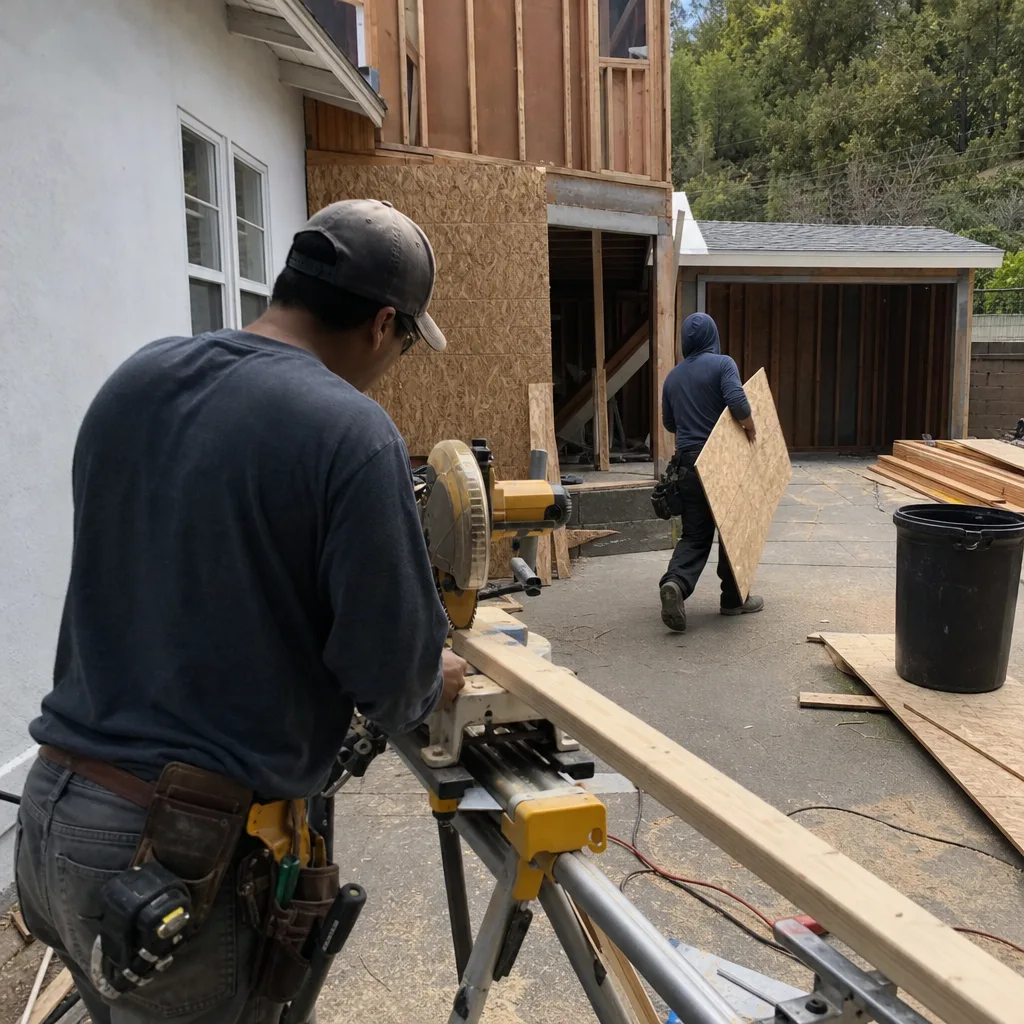
“Plumb” means vertical; “level” means horizontal. A framed wall that leans visibly, a door opening that isn’t square, a floor that slopes when it shouldn’t: these are structural problems that get harder and more expensive to fix the further the project gets. Bring a level. Even a cheap one. Place it against the studs in a new wall, across the top of a door opening, on the floor. If the bubble is nowhere near the center, or if you can see the wall leaning with your eyes, stop the project and ask for an explanation. Good framers work to a tolerance of about an eighth of an inch. Anything more than that is a problem.
Electrical Boxes Roughed In Without Backing
During the rough-in phase, before drywall goes up, you’ll see electrical boxes (the blue or metal boxes where switches and outlets will go) nailed or screwed into the wall framing. Each box should be firmly attached to a stud and set at the correct depth so the drywall will sit flush around it. If you see boxes that wiggle when you touch them, boxes that aren’t attached to anything solid, or boxes set so deep they’ll be buried behind the drywall, that’s a red flag. This work will be covered up soon, so catch it now. Once the drywall is up, fixing a loose electrical box means cutting into the wall.
Inconsistent Mortar Joints on Tile Work
Tile work is one of the most visible finishes in a remodel, and it’s one of the easiest places to spot inconsistent quality. Look at the grout lines (the spaces between tiles). They should be even in width, straight, and consistent in color. If the lines waver, if some tiles sit higher than others, if the pattern suddenly shifts at a corner, that’s a tile setter who isn’t paying attention to detail. In a bathroom remodel, crooked tile and sloppy grout lines are signs the waterproofing underneath may have been rushed too. And waterproofing mistakes in a shower are the most expensive kind of repair: they hide until the water damage is already done.
Material Substitution: When What Shows Up Isn’t What You Paid For
You chose your cabinets, your countertops, your flooring, your fixtures. The contract lists them by brand and model. Then a delivery truck shows up, and the boxes say something different. This happens more often than Santa Clarita homeowners realize, and it’s one of the clearest signs you’re working with a contractor who cuts corners.
Why Substitutions Happen
Sometimes a material is genuinely backordered and the contractor makes a judgment call to keep the project moving. That’s understandable, but only if they tell you first. What’s not acceptable is the quiet substitution: the contractor installs a cheaper tile or a lesser-known faucet brand and hopes you won’t notice. The motivation is margin. If you paid for a premium product and got an off-brand equivalent, the contractor keeps the difference. Always check the boxes. Compare the SKU numbers to your contract. If something doesn’t match, say something before it gets installed. Once that tile is set or that faucet is plumbed, removing it is a whole different conversation.
Brand Names Exist for a Reason
When we work with specific manufacturers like Cambria for countertops or Kohler for fixtures, it’s because those brands have documented warranties and quality control. A generic “equivalent” product often has neither. If your contract says Cambria and the installers arrive with something else, you’re not just getting a different countertop. You’re getting a different warranty, different durability, and a different product than what you paid for. Insist on what your contract specifies. That’s what the written price and written scope are for.
End-of-Project Warning Signs: The Final Walkthrough Trap
By the time a project reaches the final walkthrough, most homeowners are tired, ready to have their house back, and primed to sign off on anything. That’s exactly what bad contractors count on. The end of the project is where the last problems get buried, because the contractor knows you’re out of energy. Push through this last phase with the same attention you gave the bid.
Pressure to Release Final Payment Before Inspection Sign-Off
In Santa Clarita, a permitted project requires a final inspection from the city before the permit can be closed. That inspection is your protection: it confirms the work meets code. A contractor who pushes you to release the final payment before the inspection has happened, or before the inspector has signed off, is asking you to pay for work that hasn’t been independently verified. Once the final payment is released, your leverage is gone. The correct order is: final walkthrough, punch list agreed, inspection passed, then final payment. Anything in a different order is a warning sign.
Missing Lien Releases
When you pay a general contractor, that contractor pays subcontractors and material suppliers. But if the contractor doesn’t pay them, those subcontractors and suppliers can file a mechanic’s lien against your property. In California, a mechanic’s lien can cloud your title and force you to pay twice for the same work. Before you release that final payment, ask for conditional and unconditional lien releases from the contractor and every major subcontractor. These are simple documents that say “I’ve been paid for this work.” A contractor who balks at lien releases is a contractor who may not have paid their subs. That’s a problem that becomes yours.
The “We’ll Come Back for That” Punch List
A punch list is the list of small items that need fixing before the project is truly complete: a paint touch-up here, a cabinet door that doesn’t close right, a misaligned tile there. Every project has one. The red flag is a contractor who says “we’ll come back for all that” and expects you to release final payment anyway. In our experience, “we’ll come back for that” means “we’re hoping you’ll stop calling.” Get the punch list in writing, attach a date to each item, and hold back a reasonable amount of final payment until the items are actually done. If a contractor won’t agree to that, the punch list was never real.
Common Mistakes to Avoid
- Signing a contract the same day you receive it. A legitimate Santa Clarita contractor expects you to take time. Anyone who doesn’t is hiding something in the fine print. Read every line, every allowance, every payment term.
- Paying too much upfront. Never pay more than $1,000 or 10% of the contract price before work starts. If a contractor asks for more, that’s a legal red flag and a sign of either inexperience or bad faith.
- Accepting verbal change orders. Verbal agreements on price and scope don’t hold up. Every change goes in writing with a price, signed by both parties. No exceptions.
- Not verifying licenses and insurance. In California, you can check a contractor’s license status in 30 seconds on the Contractors State License Board website. Do it. Verify they’re licensed and insured before you sign anything.
- Letting the contractor pull the permit in your name. The permit should be in the contractor’s name under their license. If they ask you to pull it, ask why their name can’t be on it.
- Releasing final payment before the inspection passes and lien releases are in hand. The payment schedule protects you until the very end. Don’t give up your leverage at the final step.
- Not documenting everything. Photos at every stage, copies of every document, a written record of every conversation. When disputes happen, the paper trail is what saves you.
When to Call a Professional
Some situations call for a professional’s eyes before you sign, and some call for bringing someone else in mid-project. If you’ve received a bid that’s dramatically lower than every other estimate and you want a second opinion, call a licensed contractor for a project assessment. If you’re in the middle of a project and you’re seeing framing out of plumb, electrical boxes that wobble, tile that isn’t straight, or a contractor who’s gone silent, get an independent professional to assess the work before you release the next payment. If the contractor has asked for more than the legal down payment or started work without a permit in Santa Clarita, stop the project and get advice. Sawyer Remodel Santa Clarita offers free estimates in Santa Clarita, and we’ll give you an honest assessment of your project’s status, including what it would take to correct existing work. Call (661) 592-1977 to schedule yours.
Frequently Asked Questions
In California, the legal limit for a home improvement contract down payment is $1,000 or 10% of the total project cost, whichever is less. Any contractor asking for more than that before work starts is either breaking the law or doesn’t know it. Both are red flags that should make you reconsider the contractor. Call (661) 592-1977 if you want a written estimate that follows California payment laws.
A bid that comes in 30% or more below every other estimate is usually too low to be real. The contractor is either underbidding to win the job and planning to make up the difference through change orders later, or they don’t fully understand the scope. Get three bids for any substantial project and treat a wildly low number as a warning sign, not a deal. A written scope and written price from a licensed contractor protects you from low-ball tactics.
Document everything: your unanswered calls and texts, photos of the state the work is in, and any payments you’ve made. Send a written communication (email or text) stating the project has stalled and asking for a resumption date. Do not pay any additional amounts for work that hasn’t been completed. If the contractor continues to be unresponsive, contact the Contractors State License Board and consider consulting an attorney. In our experience, a contractor who communicates the schedule proactively and gives you a live arrival time never leaves you wondering where the crew went.
A contractor who pulls the permit under their own license is legally responsible for the work. If the permit is in your name instead, you become the responsible party, and liability shifts to you if the work fails or the contractor disappears. A licensed contractor in Santa Clarita should have no problem pulling a permit under their own license. If someone asks you to do it, ask why their name can’t be on it.
Look at the grout lines first. They should be even in width, straight, and consistent. Run your hand across the surface to feel for tiles that sit higher than others (called “lippage”). Check the corners where walls meet for a consistent, clean transition. If the lines waver or tiles rock, the tile setter rushed the job. In a Santa Clarita bathroom remodel, sloppy tile is often a sign that the waterproofing underneath was rushed too, and waterproofing failures are the most expensive type of repair.
Hold back enough of the final payment to cover the value of the remaining punch list items, and never release it until three things happen: the final walkthrough is complete, the city inspection has passed and the permit is closed, and you have signed lien releases from the contractor and all major subcontractors. These three steps protect you from paying for work that was never finished, work that doesn’t meet code, and work that someone else might bill you for twice. Call (661) 592-1977 for a free estimate from a contractor who writes the price before any work begins.
The Bottom Line

Construction warning signs are rarely mysterious. They’re visible, specific, and predictable: a bid that’s too low, a scope full of allowances, a down payment request that breaks California law, a crew that goes quiet, a permit that’s in the wrong name, tile lines that wander, a contractor who wants final payment before the inspector signs off. None of these require a construction background to spot. They require paying attention, asking one or two direct questions, and refusing to release money for work that isn’t documented or verified. The contractor who shows up in a clean truck with a full proposal might still be the wrong contractor. Knowing what to look for after the work starts is what keeps a Santa Clarita remodel from becoming a Santa Clarita cautionary tale. And if you’re ever unsure, get a second set of eyes. We’re at (661) 592-1977, and the estimate is free. For more guides & resources, visit our blog.
Written by Luca Romano, Owner at Sawyer Remodel Santa Clarita, serving Santa Clarita since 2005.
See the difference
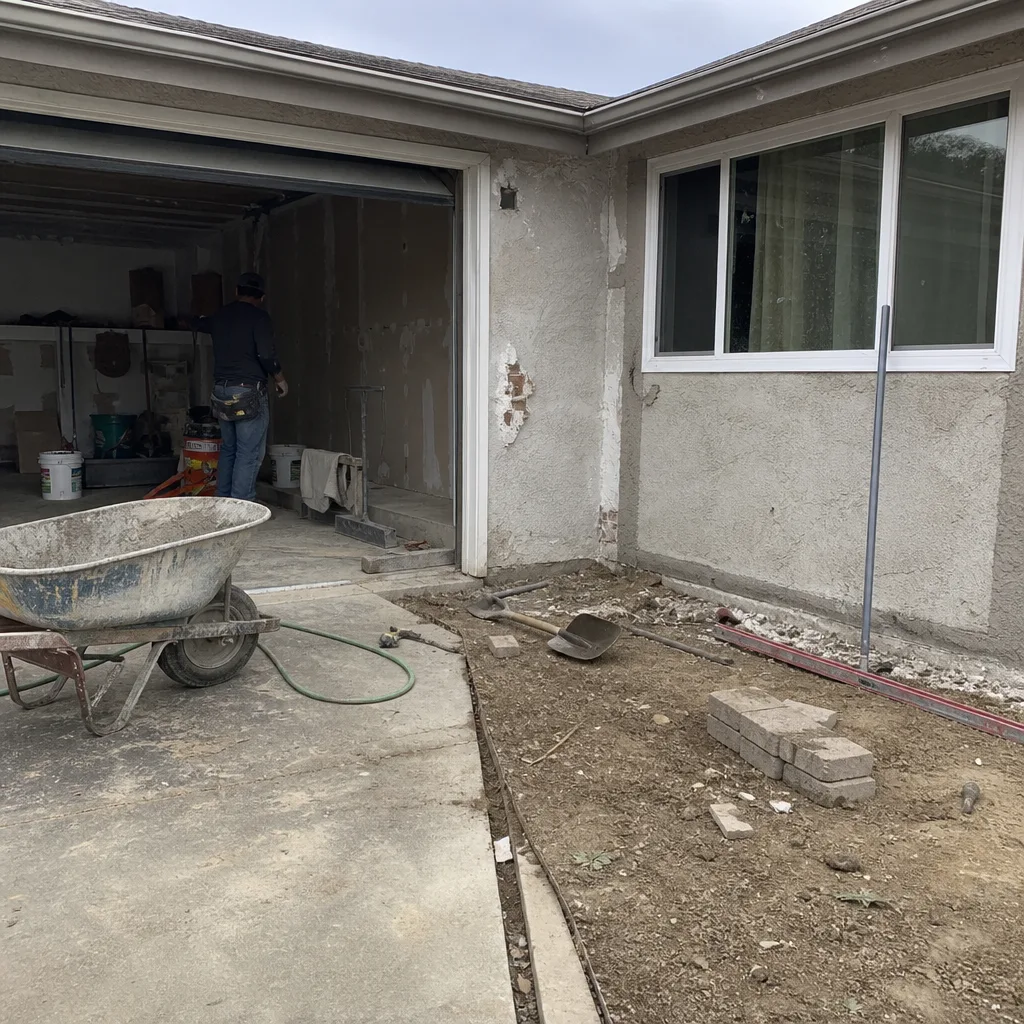 Before
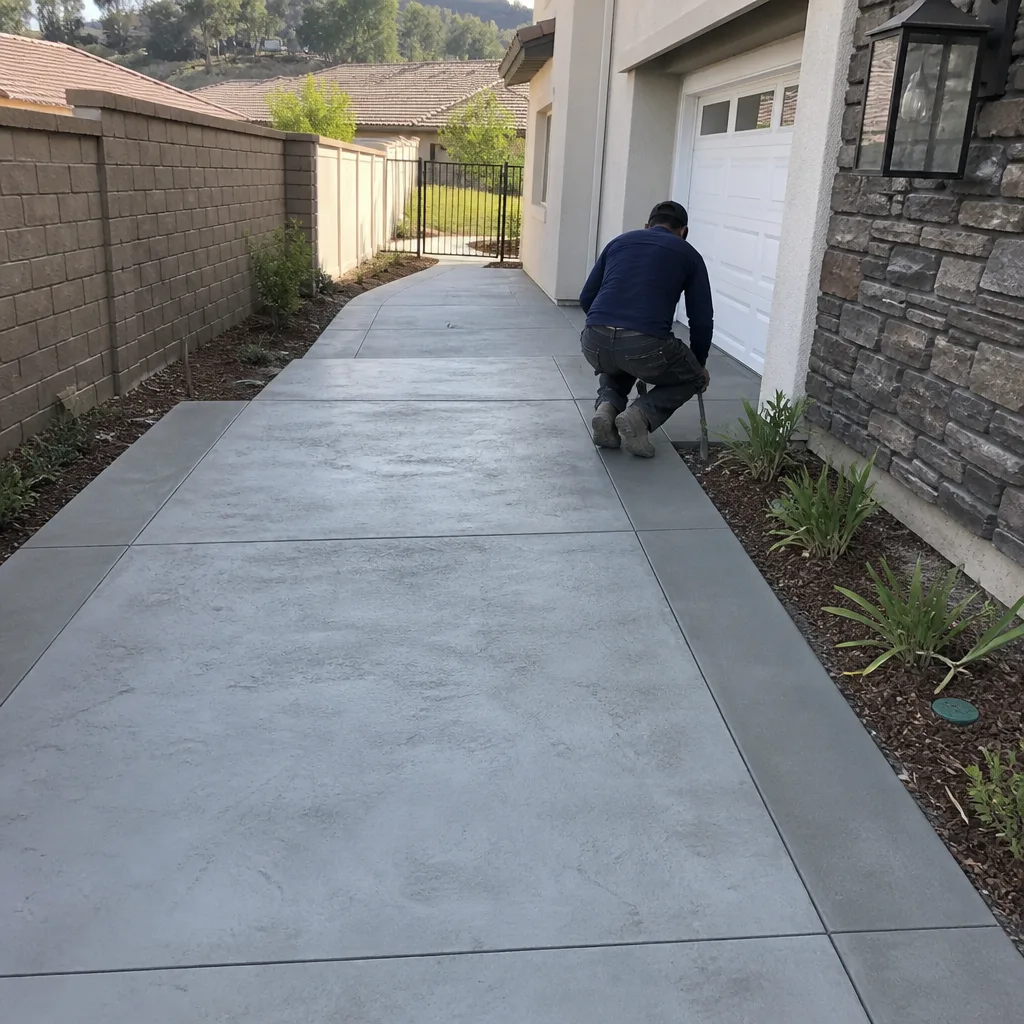 After
After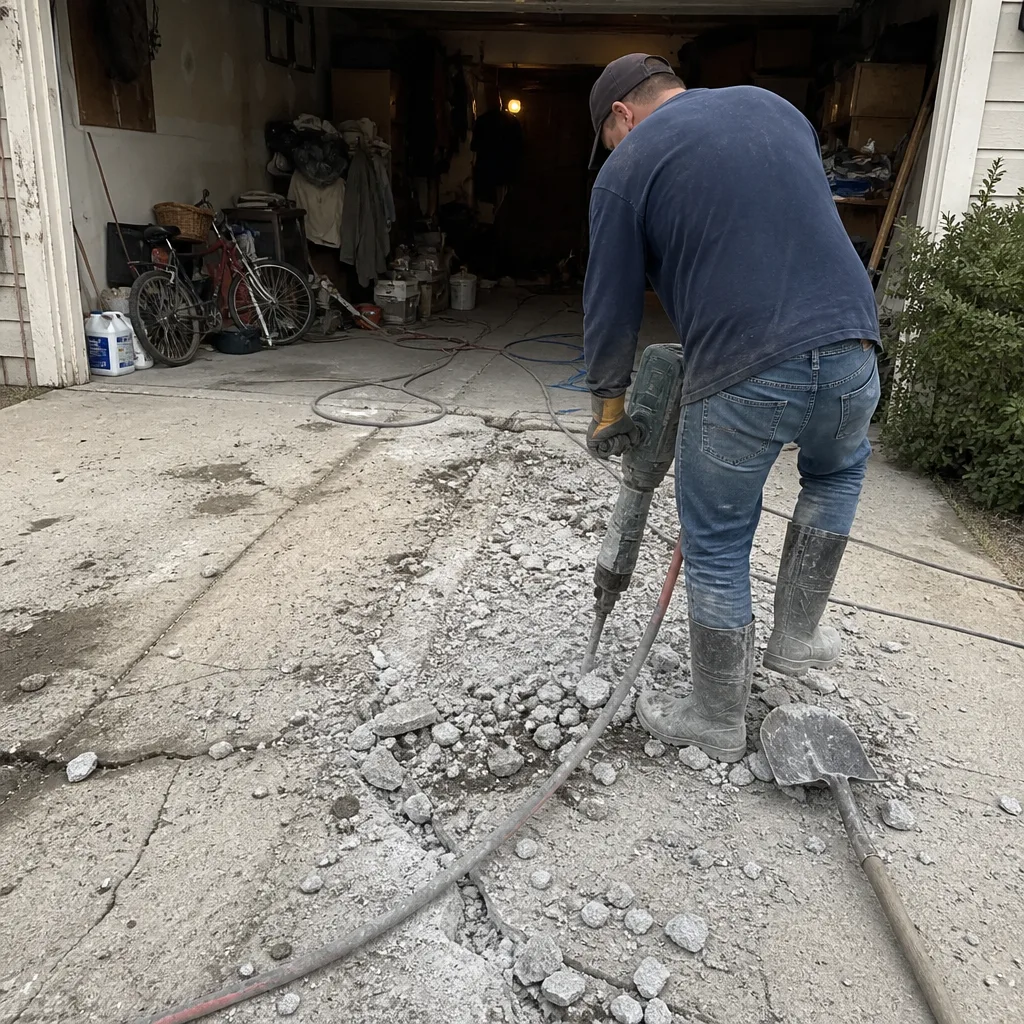 Before
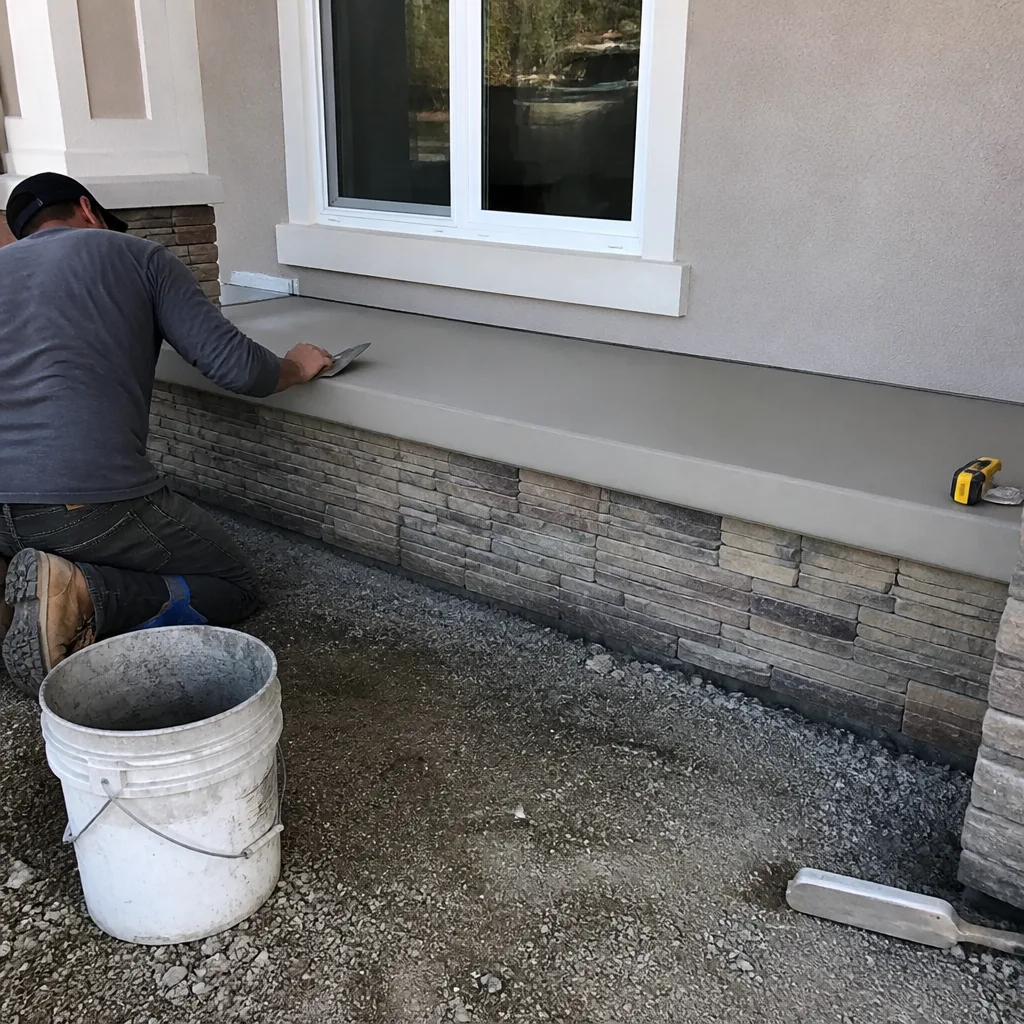 After
After Before
 After
After