Last updated October 16, 2026



Free written scope consultation - allowances, timeline, and change-order rules on paper before a single trade is scheduled
DIY vs Professional Construction: The Santa Clarita Homeowner’s Decision Guide
In California, doing your own electrical work without a permit doesn’t just risk a fine, it can void your homeowner’s insurance claim if a fire starts in that wall. DIY has real limits in this state, and they’re not where most people think. This guide walks through exactly where the line sits for Santa Clarita homeowners: what you can legally do yourself, what needs a licensed contractor, and what happens at resale when unpermitted work gets discovered. We’ll cover project-by-project decisions, the real cost of failed DIY, and how to split work with a pro without anyone getting shortchanged.
Styles & brands we work with

Quick Answer
The DIY-or-hire decision in Santa Clarita comes down to three things: California permit law (some work you legally cannot do yourself), resale liability (unpermitted DIY can delay or kill a sale), and real cost after rework (materials plus a licensed contractor’s time to fix what went wrong). Paint, tile, drywall patching, and fixture swaps are generally safe DIY territory. Panel upgrades, structural changes, load-bearing work, and gas lines are not. When in doubt about the big stuff, follow our step-by-step guide to hiring a construction contractor in Santa Clarita.
Table of Contents
- California Permit Law: What You Can and Cannot Do Yourself
- The Owner-Builder Permit and the Five-Year Resale Disclosure
- How Unpermitted DIY Work Affects Your Santa Clarita Resale
- Project-by-Project Decision Matrix: DIY or Hire?
- When Partial DIY Makes Sense (and How to Structure It)
- The Hidden Cost of DIY Failure: Rework by a Licensed Contractor
- Common Mistakes to Avoid
- When to Call a Professional
- Frequently Asked Questions
- The Bottom Line
California Permit Law: What You Can and Cannot Do Yourself
California’s Contractors State License Board (CSLB) draws a hard line: any project valued at $500 or more in combined labor and materials legally requires a licensed contractor if you are not doing it yourself as an owner-builder. That dollar threshold is lower than most Santa Clarita homeowners expect. A basic bathroom faucet replacement might stay under it. A tile surround, a drywall repair after a leak, or a window swap likely crosses it.
But the CSLB threshold is about hiring someone. What about doing the work yourself? That’s where California building codes come in. The state’s building standards, adopted and enforced locally by the City of Santa Clarita’s Building & Safety Division, require permits for a specific list of work regardless of who does it:
- Electrical: Any new circuit, panel upgrade, or wiring change. Swapping a light fixture or outlet like-for-like without moving wires is generally exempt from permit requirements, but adding a circuit for that new electric oven is not.
- Plumbing: Any change to the drain, waste, or vent system, water supply line relocation, or water heater replacement. A faucet cartridge swap is fine. Moving a sink from one wall to another during a bathroom remodel in Santa Clarita requires a permit.
- Structural: Cutting into load-bearing walls, adding a window or door opening, foundation work, roof structural changes, and any work on shear walls. In Santa Clarita’s seismic zone, this can’t be overlooked. The city sits near the San Gabriel fault and a short drive from the San Andreas. Structural shortcuts have consequences here that a homeowner in, say, Nebraska doesn’t face.
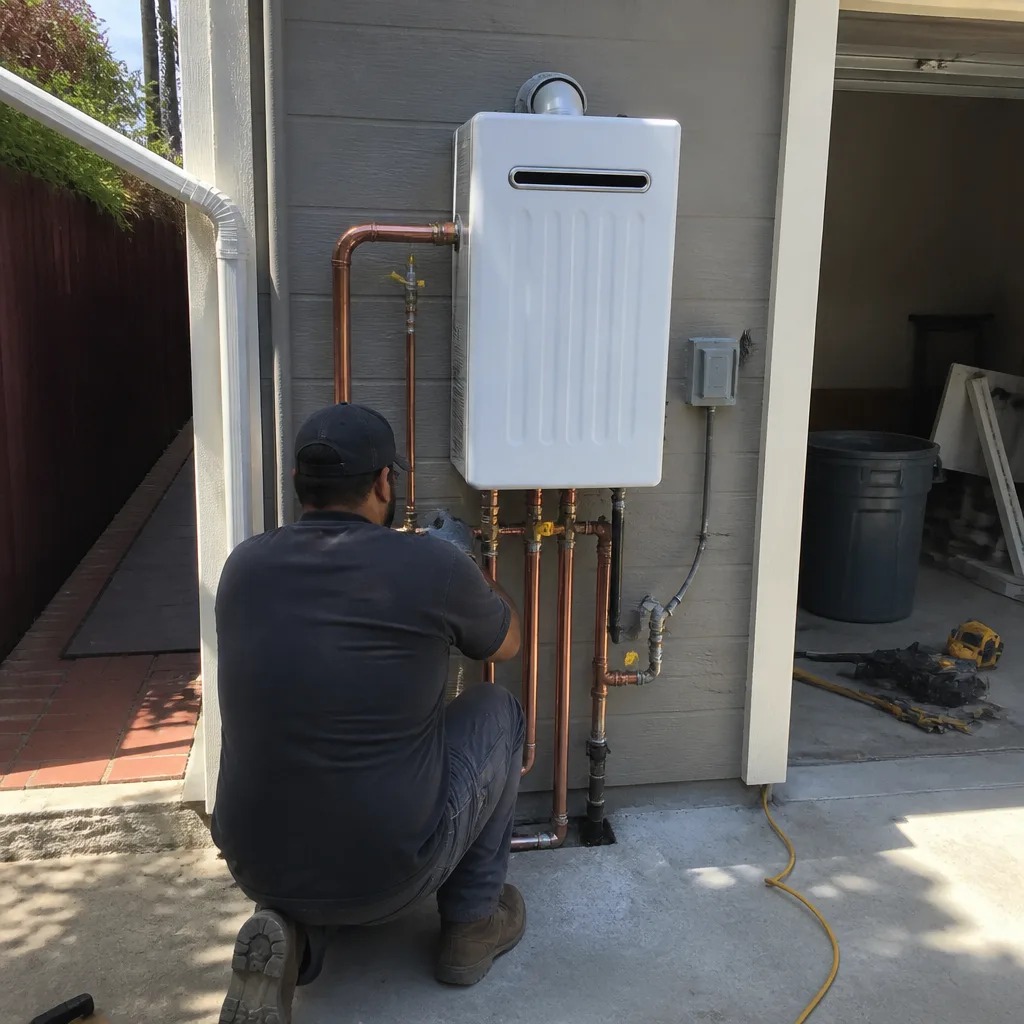
- Mechanical and HVAC: New furnace installs, ductwork changes, gas line additions or relocations. Gas work is a firm no-DIY zone in California. A gas leak from a bad connection is a life-safety hazard, not a learning opportunity.
- Exterior: Roof replacements (not just repairs), siding changes that affect the building envelope, and window replacements that change opening sizes. A simple re-roof with the same material still requires a permit in Santa Clarita.
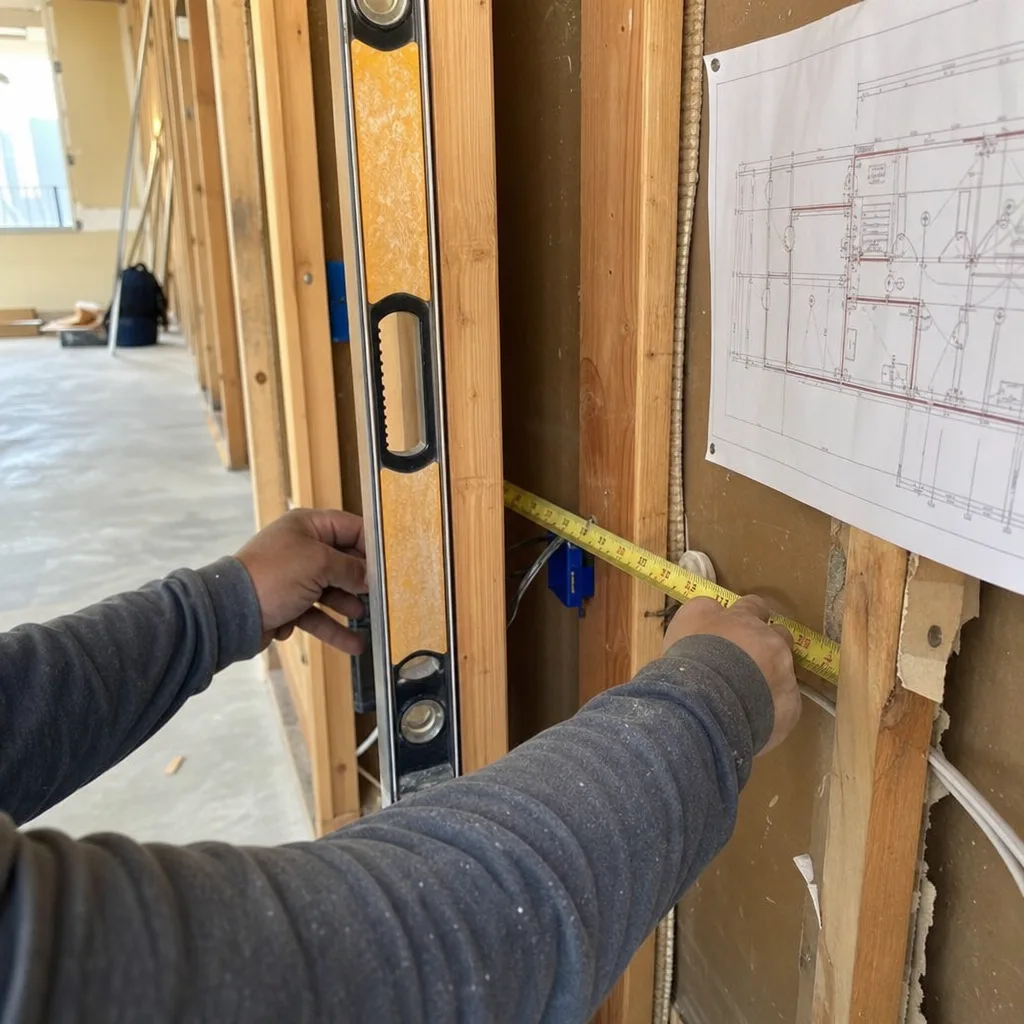
The rule we tell homeowners: if the work changes the structure, the systems (electrical, plumbing, HVAC, gas), or the footprint, it needs a permit. Cosmetic work that doesn’t touch those things generally does not. Paint, flooring, cabinet refacing, trim, and interior door swaps are the safe zone.
The Owner-Builder Permit and the Five-Year Resale Disclosure
Here’s the part most DIY guides miss entirely. California allows homeowners to pull their own building permits as an “owner-builder.” You can legally do your own electrical, plumbing, and structural work if you pull the owner-builder permit, pass inspections, and follow the same code requirements a licensed contractor would. Sounds like a good deal. It has a catch that affects anyone who sells their home.
Under California law, if you sell a home within five years of pulling an owner-builder permit, you must sign a disclosure stating that a homeowner, not a licensed contractor, performed the work. This disclosure becomes part of the sale documents. Buyers see it. Their lenders see it. In a competitive market like Santa Clarita’s, where homes in Valencia, Saugus, and Canyon Country move fast, that disclosure gives buyers a reason to negotiate or walk.
The disclosure requirement is not a technicality. It exists because California courts have repeatedly seen cases where owner-builder work was defective and the buyer had limited recourse. A licensed contractor carries a bond and can be compelled through the CSLB to fix defective work. An owner-builder who sold the house is just a former owner.
So the practical rule is this: if there’s any chance you’ll sell your home within five years, pulling an owner-builder permit for major systems work is a risk. It can delay your sale, reduce your price, or force you to bring in a licensed contractor to redo the work before the buyer’s lender will fund the loan.
How Unpermitted DIY Work Affects Your Santa Clarita Resale
Santa Clarita is a strong real estate market. Homes in Valencia, Newhall, and Stevenson Ranch hold value well because they’re desirable locations with good schools and reasonable commutes to Los Angeles. But that doesn’t mean buyers skip inspections. In fact, in a hot market, buyers bring in inspectors who are actively looking for reasons to reduce the offer.
Unpermitted DIY work is one of the most common things home inspectors flag. Here’s what happens when they find it:
- Flagged in the inspection report. The inspector notes that a circuit, a bathroom addition, or a converted garage space shows signs of recent work that doesn’t match the city’s permit records.
- The buyer’s agent requests permits. Santa Clarita’s Building & Safety Division keeps records accessible. If no permit exists for the work, the agent asks the seller to produce one or explain why not.
- The lender gets involved. If the unpermitted work involves electrical, plumbing, structural, or floor-plan changes, the buyer’s lender may require correction before funding. That means you, the seller, pay to fix it or lower the price to credit the buyer.
- The price gets renegotiated. Buyers price unpermitted work at a premium. They don’t deduct the cost to fix it – they deduct the cost to fix it plus the hassle. A $3,000 code correction can become a $10,000 price reduction.
We’ve seen this play out in Santa Clarita more times than we can count. A homeowner did their own panel upgrade to save $2,500. Five years later, the panel’s workmanship flagged at inspection, the buyer’s lender required a licensed electrician to verify the work, the seller paid $4,200 to bring it to code, and the sale closed three weeks late. The total cost of that $2,500 savings came to about $7,500 and a delayed closing.
The resale math is simple: unpermitted work on systems, structure, or floor plan gets priced into offers at a loss to the seller. Permitted work by a licensed contractor closes cleanly.
Project-by-Project Decision Matrix: DIY or Hire?
Here’s the practical breakdown for Santa Clarita homeowners. We’re using real project types, not vague categories. Prices reflect what homeowners in this market typically pay, based on what we’ve seen across hundreds of projects since 2005.
Safe DIY Zone (No Permit, Low Resale Risk)
- Interior paint and trim: No permit needed. Low risk. The worst outcome is a bad color choice. Expect to spend $150 to $500 on materials for a typical room.
- Flooring replacement (floating vinyl, laminate, click-lock): No permit needed. Skill level is moderate. A single room runs $3 to $8 per square foot in materials. Hardwood and tile push toward the hire column because subfloor issues hide underneath.
- Cabinet hardware, faucet aerators, and light bulb swaps: The zero-risk zone. If you can operate a screwdriver, you can do this.
- Drywall patching (small holes, not full panel replacement): No permit needed. A $40 patch kit and some patience. Larger drywall work after water damage gets into moisture and mold territory that’s worth a professional eye.
- Caulking and weatherstripping: No permit needed. Santa Clarita summers hit triple digits, so gaps around windows and doors cost real money in cooling. This is a weekend job that pays back monthly.
Gray Zone (Permit Possibly Required, Skill Dependent)
- Tile work (backsplash, floor tile, shower surround): No permit for cosmetic tile, but waterproofing behind shower tile is a code issue. A bad waterproofing job in a Santa Clarita bathroom means mold behind the wall within two years. Material cost runs $5 to $15 per square foot for tile plus thinset, membrane, and grout.
- Interior door replacement (same opening size): No permit needed if the rough opening doesn’t change. Skill level moderate. A pre-hung interior door costs $150 to $400 for materials. Getting it plumb and square takes practice.
- Window replacement (same size, same opening): A permit is technically required in Santa Clarita even for same-size swaps, though many homeowners skip it. At resale, unpermitted windows are a common inspection flag. Windows are also one place where thermal performance matters in this climate – a bad install leaks air and creates condensation issues.
- Vanity and sink replacement (same location): If the water supply lines and drain don’t move, this is a fixture swap and needs no permit. If the sink moves six inches to the left, the drain moves too, and now you’re in permit territory.
Hire Zone (Permit Required, High Risk)
- Electrical panel upgrades and new circuits: Firmly in the hire column. Santa Clarita homes built before 1990 often have 100-amp panels that can’t support EV chargers, heat pumps, or modern kitchens. A panel upgrade runs $3,500 to $6,000 including permit and inspection. This is not a place to test your YouTube-learning curve.
- Load-bearing wall removal or modification: A structural engineer’s assessment, permit, and licensed contractor required. Santa Clarita has many open-concept remodels, and we’ve seen a homeowner knock out a wall without knowing it was load-bearing. The repair cost was three times what the original removal would have cost with a permit.
- Gas line work: No DIY path exists in California. Gas lines must be installed by a licensed professional and pressure-tested. A gas leak from a bad connection is unique among home hazards: by the time you smell it, the problem is catastrophic. The cost of hiring a pro is $500 to $1,500 for most line runs. The cost of not hiring one can be a home.
- Roof replacement (not patch repairs): A permit is required, and Santa Clarita’s wind and sun exposure mean underlayment and flashing details matter. A roof that fails in the next heavy rain is a five-figure interior repair claim. Roofing material partners like GAF and CertainTeed back professional installs with warranty coverage that a DIY job can’t access.
- Structural changes, foundation work, and additions: No discussion needed. This is what general contractors in Santa Clarita exist to do. The permit, the engineering, the inspections, and the warranty are all part of hiring right.
Full Remodel Projects (Bathrooms and Kitchens)
A full home renovation project in Santa Clarita or a complete bathroom teardown is never a weekend job. Plumbing moves, electrical changes, waterproofing, and finish work all sit in the hire zone. Material selections matter too – this is where name-brand products from Kohler, Cambria, and KraftMaid carry manufacturer warranties that only count when the install is professional. A homeowner can save money on demolition and prep, but the systems work and the finishing belong with a licensed contractor.
When Partial DIY Makes Sense (and How to Structure It)
There’s a middle path that gets skipped in most DIY-versus-hire debates. You don’t have to choose between doing everything yourself and writing a blank check. Homeowners in Santa Clarita routinely save real money by taking on the unskilled labor portions of a remodel and leaving the skilled work to a licensed contractor.
Here’s the honest math: a licensed contractor’s hourly rate includes labor, overhead, insurance, and warranty coverage. That rate applies to whatever the contractor’s crew does, including work you could do yourself. If you remove the old tile, haul the debris, and prep the room, you’re not paying contractor rates for that work.
What to Ask a Contractor About Partial DIY
- Will you work with homeowner demo? Some contractors will credit back the demo line item. Others won’t, because they’ve been burned by half-finished demo that added prep time. Ask before you start swinging a hammer.
- What’s the exact scope of my DIY portion? Get it in writing: which walls, which rooms, which debris is yours to haul. Verbal agreements about scope are how projects go wrong.
- What prep work do you want done before your crew arrives? A good contractor will tell you exactly where to stop. Demo down to the studs but leave the plumbing intact. Remove cabinets but don’t touch the electrical.
- How does the schedule work if my DIY portion runs long? If your demo takes two weekends and the contractor’s crew was scheduled for Monday, there’s a conflict. Coordinate timelines before work starts.
- Does your insurance cover the project if I’m doing part of the work? A licensed contractor’s liability policy covers their crew’s work. It does not cover mistakes you make with a reciprocating saw. Understand where the line is.
In our experience in Santa Clarita, the most common partial-DIY splits are: homeowner does demo and debris hauling on bathroom remodels (saves $800 to $1,500 on a typical job), homeowner does painting and trim after the contractor finishes drywall (saves $1,000 to $2,500), and homeowner handles finish hardware installation (saves $300 to $800). These are real numbers from actual project budgets, not estimates pulled from a national average.
The Hidden Cost of DIY Failure: Rework by a Licensed Contractor
The most expensive sentence in home renovation is “I’ll just fix it myself first.” We’ve seen the pattern enough times in Santa Clarita to describe it precisely.
The first attempt goes wrong. The homeowner discovers the problem is bigger than the YouTube tutorial suggested. They call a licensed contractor. The contractor arrives, looks at the partial work, and explains that the job now costs more than if the contractor had been called in the first place. Here’s why:
- Demolition of the failed attempt. The contractor charges to remove the homeowner’s work. Bad tile needs chipping out. A misaligned wall needs cutting back. A botched wiring job needs tracing and removal. This is billable labor that wouldn’t exist if the contractor had done the work originally.
- Code correction. If the homeowner’s work doesn’t meet California code, the contractor must bring it up to code before proceeding. That’s additional time and material.
- Project delay. The contractor who could have started a clean job is now starting a correction job. In Santa Clarita’s busy season, that delay may mean waiting weeks for the same contractor to fit the rework into the schedule.
- Inspection risk. If a permit gets pulled after the fact, the inspector will evaluate the original work and the correction. Any part that doesn’t pass gets flagged. The cost grows again.
Here’s a real Santa Clarita example with real numbers. A homeowner attempted a shower surround tile job to save money ahead of a planned bathroom update. The waterproofing layer underneath wasn’t installed correctly. Six months later, the wall behind the tile showed water damage. The total cost to fix: $2,100 for mold remediation, $1,800 to remove the failed tile and damaged drywall, $4,500 to rebuild and install the shower correctly with a Schluter waterproofing membrane (that’s the orange sheet system that seals the whole shower cavity), and $1,200 for materials. The original DIY tile job – which would have cost $6,500 if done professionally the first time – ended up costing $9,600 plus six months of a leaking shower.
The hidden cost isn’t just money. It’s time, trust, and the certainty that a failed DIY fix is always more expensive than a professional install done right the first time. The Sawyer Remodel Santa Clarita home team has rebuilt enough of these situations to say with confidence: every rework job costs more than the original correct install.
Common Mistakes to Avoid
- Assuming no permit means no problem. Unpermitted work doesn’t disappear when you sell. It surfaces in inspections, lender reviews, and buyer negotiations. In Santa Clarita’s market, unpermitted work gets priced into offers at a discount.
- Treating gas and electrical work as a learning project. Both are code-regulated, both are dangerous when done wrong, and both affect your insurance coverage if a claim arises from the work. A homeowner’s insurance policy has exclusions for unpermitted electrical or gas work.
- Skipping the owner-builder disclosure. If you sell within five years of an owner-builder permit, the disclosure is mandatory. Failing to provide it exposes you to legal risk after the sale closes. It’s not a formality.
- Taking on structural work without an engineer’s assessment. In Santa Clarita’s seismic zone, load-bearing changes aren’t guesswork. A wall that isn’t carrying load today might be doing shear work in an earthquake that a visual inspection can’t see.
- Choosing materials before understanding waterproofing and flashing. The tile you love won’t matter if the waterproofing behind it fails. Shower systems, exterior siding, and roofing all have code-required moisture management details that determine whether the install lasts.
- Not getting the partial-DIY agreement in writing. Verbal agreements about who does what dissolve the moment a project hits a snag. A written scope protects both sides.
- Underestimating the rework premium. Failed DIY work costs more to correct than the original professional install would have cost. The math never works in favor of the first attempt being a practice run.
When to Call a Professional
If the work involves any of these, stop the DIY planning and make the call: electrical panels or new circuits, gas line work of any kind, structural changes including wall removal, roof replacement, foundation work, or any remodel where plumbing moves or waterproofing matters. If there’s a possibility you’ll sell within five years, the permit and disclosure math pushes toward a licensed contractor for systems work too. Sawyer Remodel Santa Clarita offers free estimates for homeowners in Santa Clarita who want a written price before deciding. Call (661) 592-1977 to get a number, not a guess.
Frequently Asked Questions
You need a permit if the remodel moves plumbing, changes electrical circuits, alters the floor plan, or modifies structural elements. A cosmetic refresh – new vanity in the same location, paint, new flooring without subfloor changes – generally does not require a permit. The City of Santa Clarita Building & Safety Division makes the final call on specific projects, and a licensed contractor can tell you before work starts whether your project needs one.
Unpermitted work surfaces during the buyer’s inspection and the lender’s review of the property. Buyers typically request permits, and when none exist, they negotiate the price down or ask for the work to be corrected before closing. In Santa Clarita’s active market, unpermitted electrical, plumbing, or structural work is one of the most common reasons sales get delayed or prices get renegotiated.
Yes, but only with an owner-builder permit, and only if the work passes inspection. Swapping a fixture like-for-like without changing wiring is generally exempt. Adding a circuit, upgrading a panel, or moving outlets requires a permit and inspection. And if you sell within five years, the owner-builder disclosure tells the buyer a homeowner did the work.
A mid-range bathroom remodel in Santa Clarita typically runs $15,000 to $35,000 depending on size, materials, and whether plumbing or electrical moves. A high-end remodel with custom cabinetry, premium tile, and name-brand fixtures from Kohler or Cambria runs $40,000 to $70,000 or more. The single biggest cost driver is whether walls, plumbing, or electrical relocate. Call (661) 592-1977 for an exact quote based on your specific bathroom.
Partial DIY saves real money if you stick to unskilled labor: demolition, debris hauling, painting, and final hardware install. It saves $800 to $2,500 on a typical bathroom project. The key is a written agreement with your contractor about exactly where your scope ends and theirs begins, so there’s no overlap, no gap, and no surprise schedule conflict.
You don’t know from looking at it. Walls running perpendicular to floor joists in the attic or crawl space often carry load, but only a structural engineer or an experienced contractor can confirm it. In Santa Clarita’s seismic zone, some walls also provide shear resistance even if they aren’t carrying vertical load. Cutting into a wall without that assessment is the most expensive mistake a homeowner can make. It’s a call to a professional, not a YouTube search.
The Bottom Line
The DIY-versus-hire decision in Santa Clarita is not a question of skill. It’s a question of permit law, resale risk, and cost when things go wrong. Paint, flooring, and fixture swaps are safe territory. Electrical, plumbing, gas, structural, and roofing work belong with a licensed contractor who pulls permits and stands behind the work. Partial DIY saves money on unskilled labor but only with a written scope agreement. Failed DIY work costs more to fix than hiring right the first time, every time. If you’re uncertain where a project falls, explore more guides & resources or get a free estimate from a professional who can tell you before you start.
Written by Luca Romano, Owner at Sawyer Remodel Santa Clarita, serving Santa Clarita since 2005.
See the difference
 Before
 After
After Before
 After
After Before
 After
After