Last updated October 16, 2026








Free written scope consultation - allowances, timeline, and change-order rules on paper before a single trade is scheduled
General Contractor Maintenance Checklist for Santa Clarita Homeowners
Most home maintenance checklists floating around the internet were written for a generic American suburb. They tell you to check for ice dams and prep your sump pump. Santa Clarita hasn’t seen meaningful snow in decades, and the only sump pumps in the SCV are in basements that don’t exist here. The real threats to your home come from 100°F summers, single-digit humidity that shrinks wood framing, and the debris load that follows a Santa Ana wind event through the canyons. This checklist is built for Santa Clarita, not Ohio. You’ll learn what actually fails here, when to look at it, and which jobs need a license.
Styles & brands we work with






Quick Answer
A Santa Clarita homeowner should inspect their roof, attic vents, exterior paint, stucco cracks, concrete joints, HVAC filters, and irrigation drainage on a seasonal schedule tied to SCV’s heat-wind-rain cycle, not a generic calendar. The two highest-priority inspections are post-Santa Ana wind checks of rooflines and attic screens, and pre-rain gutter and drainage clearing in September before the first storm. Most of the checklist is DIY. A handful of items, including stucco crack repair over 1/8 inch and any roof penetration work, should go to a licensed general contractor.
Table of Contents
- Santa Clarita’s Real Maintenance Calendar
- Post-Santa Ana Wind Inspection: The 30-Minute Walkaround
- Concrete and Stucco Crack Monitoring for Freeze-Thaw-Heat Cycles
- HVAC Filters and Ductwork in a High-Dust, Low-Humidity Climate
- Irrigation and Drainage for Canyon-Adjacent Lots
- DIY vs. Licensed Contractor: Task-Level Guidance
- Common Mistakes to Avoid
- When to Call a Professional
- Frequently Asked Questions
- The Bottom Line
Santa Clarita’s Real Maintenance Calendar
A generic annual checklist splits the year into spring and fall. Santa Clarita doesn’t work that way. We have four actual seasons here: hot, windy, rainy, and that weird two-week stretch in March when it’s 45°F at 7 a.m. and 88°F by 3 p.m. Maintenance needs to follow those conditions, not a national calendar. See our Seasonal Construction Care for Santa Clarita: Year-Round Homeowner’s Guide for a deeper dive.
Here’s the rhythm that matches SCV weather patterns:
- September to October: Clear gutters, downspouts, and valley drains before the first rain. After a long dry summer, the first storm picks up six months of accumulated dust and drops it straight into your drainage system. This is the single most important seasonal task in Santa Clarita.
- October to November: Walk the roofline and attic vents after the first major Santa Ana wind event. We cover this in detail below. Check exterior paint for cracks that embers could enter during fire season, which runs through November.
- December to February: Monitor stucco and concrete for new cracks as overnight temps dip below 40°F and daytime highs climb back into the 70s. That temperature swing causes expansion and contraction cycles most coastal homes never experience.
- March to May: Check irrigation lines and valve boxes for damage from freeze-thaw cycling, then flush the system and check spray coverage before the first heat spike.
- June to August: HVAC filters every 45 to 60 days during peak heat, plus a shade-structure and exterior-washdown check. Dust from the dry hills settles on everything, and the heat bakes it into a film that traps moisture against siding and trim.
Luca Romano, owner at Sawyer Remodel Santa Clarita, puts it this way: “In Santa Clarita, the house tells you when it needs attention. After a big wind event, you’ll see it in the gutters and on the roofline. After a hard rain, you’ll see it in the drainage swales. The key is looking at the right time, before the problem has three months to compound.”
Post-Santa Ana Wind Inspection: The 30-Minute Walkaround
Santa Ana winds do more damage to Santa Clarita homes than any other weather event, and most of it is invisible from the ground. The wind blows sustained 30 to 50 mph with gusts over 70 in some canyon areas like Sand Canyon and Placerita. It carries fine dust, leaf debris, and in fire years, embers. Here’s the 30-minute walkaround every homeowner should do within a day or two of a major wind event.
Step 1: Ground-level roofline check. Walk the full perimeter of the house and look at the roof edge. You’re looking for lifted shingles, displaced tile, and debris sitting in valleys or behind chimneys. Do not climb onto the roof. A ground-level visual from two angles catches 90% of wind-related roof issues. Binoculars help.
Step 2: Attic vent screening. Every Santa Clarita home has attic vents: gable, soffit, or ridge. Wind forces leaves, pine needles, and tumbleweeds against these screens. Check for dented or clogged screens, and clear debris that could block airflow. Clogged attic ventilation in a Santa Clarita summer pushes attic temps past 140°F, which shortens shingle life and drives cooling costs up.
Step 3: Exterior paint and caulk inspection. Wind-driven dust acts like sandblasting on west-facing and canyon-facing walls. Look for hairline paint cracks, especially around window frames, door trim, and the bottom 3 feet of walls where wind channels dust and debris. Cracked paint is not a cosmetic issue in fire season – it’s an ember entry point. Embers find gaps as small as 1/8 inch, so this inspection matters most from September through November.
Step 4: Fence and gate hardware check. Santa Ana winds loosen gate hinges, rack fence panels, and pull posts out of plumb. Walk the fence line and push each gate; if it sags or binds, tighten hardware now. Post-wrap connections on vinyl fence systems from brands like Bufftech and ActiveYards are engineered for wind load, but the hardware needs to be snug.
Step 5: Debris in drainage paths. Wind fills French drains, channel drains, and swales with organic debris in a matter of hours. If you ignore it until the first rain, you’re clearing a clogged system in the mud instead of a dry one on a sunny day.
Concrete and Stucco Crack Monitoring for Freeze-Thaw-Heat Cycles
Santa Clarita’s shoulder seasons, roughly February through April and again in October, create conditions that crack concrete and stucco in ways coastal California never sees. Overnight lows dip into the 30s while daytime highs hit the 80s within the same week. That’s a 40-plus-degree daily swing, and it puts real stress on rigid exterior materials.
Cracks under 1/8 inch in stucco are usually cosmetic. Monitor them twice a year, in March and November, and note whether they’re growing. A pencil mark at each end of the crack and a photo on your phone makes this a 30-second job. If it hasn’t moved in 12 months, it’s stable and can be left alone or filled with a quality paintable caulk.
Cracks over 1/8 inch, or any crack that runs vertically through a window or door opening, needs a professional look. These indicate structural movement or failed stucco lath, and patching them cosmetically traps moisture behind the patch where it rots the paper and sheathing.
For concrete flatwork (driveways, walkways, patios), monitor expansion joints during the same shoulder windows. The joint material compresses and expands with temperature. If you see joint filler cracking or popping out, replace it before water gets under the slab. Water under a slab in Santa Clarita is not a freeze-heave issue like back east – it’s an erosion issue. Water flowing under concrete carves channels through the decomposed granite common in SCV soils, and the slab drops. That’s a $4,000 to $8,000 repair versus a $50 tube of joint sealant.
HVAC Filters and Ductwork in a High-Dust, Low-Humidity Climate
Santa Clarita air is dry and dusty. That’s not news to anyone who’s lived here through one summer. What most homeowners don’t realize is that this combination wears out HVAC filters significantly faster than coastal averages. A standard 1-inch filter that a coastal home might run for 90 days typically loads up in 45 to 60 days in the SCV, and faster in neighborhoods near open space like Plum Canyon, Tesoro Del Valle, and the hillside lots around Saugus.
Here’s the maintenance cadence we recommend:
- Check filters monthly during peak cooling season (June through September). Hold the filter up to a light. If you can’t see light through it, it’s done, regardless of the calendar.
- Replace 1-inch filters every 45 to 60 days. If you have pets or live on a canyon lot with blowing dust, 30 days is realistic in the worst months.
- Check 4-inch media filters every 6 months. These have more surface area and last longer, but don’t assume 12 months. Santa Clarita dust beats that timeline.
- Inspect visible duct runs annually. Look for gaps at joints, disconnected flex ducts, and tears in the outer jacket. Any gap means you’re paying to condition air that’s being blown into the attic.
- Check the condensate drain line. Low humidity plus high dust creates a paste in the drain line that causes clogs and overflow shutdowns. Pour a cup of white vinegar down the line twice per cooling season.
A quick note on duct cleaning services: if someone knocks on the door offering a $99 whole-house duct cleaning, you’re being sold something you probably don’t need. Duct cleaning without a specific contaminant issue (mold, rodent infestation, construction debris) is rarely necessary. A visual inspection of the accessible ducts covers the actual risk. Every General Contractor in Santa Clarita we know says the same thing: seal the gaps and change the filters. That’s the maintenance.
Irrigation and Drainage for Canyon-Adjacent Lots
Santa Clarita is a city built into hillsides. Neighborhoods like Saugus, Canyon Country, and the canyon-adjacent lots throughout the SCV have drainage challenges that flat suburban lots never face. The maintenance here is about managing water before it becomes erosion, and erosion before it becomes a retaining wall failure or a foundation issue.
Irrigation checks, twice a year: Run every zone, one at a time, and watch for three things. First, check for broken spray heads and leaking valve boxes – freeze-thaw cycling damages underground PVC over time, and a small leak at 60 PSI becomes a significant water bill in a single billing cycle. Second, look for overspray hitting the house. Water spraying against stucco or wood siding for months causes paint failure, dry rot, and in the worst cases, moisture intrusion at the weep screed. Third, on hillside lots, watch for runoff that pools at the downhill edge of the landscape. That pooling water is softening the soil and starting the erosion process.
Drainage checks, once in late summer and once after first rain: Walk every swale, catch basin, and channel drain on the property and clear the debris. On hillside properties, check the toe of the slope below any retaining wall for damp spots after rain. Damp spots indicate water is moving through the wall rather than around it, and that is a slow-developing structural problem with a five-figure repair bill attached if left alone.
Homes in areas like Tesoro Del Valle and Plum Canyon that back up to open space or natural drainage channels also deal with wildlife damage to irrigation. Coyotes and rabbits chew drip lines, and the damage is often underground where you don’t see it until a whole zone is dead. A monthly visual pass on exposed drip emitters during the growing season catches this early. Our team at Sawyer Remodel Santa Clarita has seen entire hillside landscapes lost because an underground drip line failed in June and nobody noticed until August. The landscape is replaceable; the eroded slope under it is not.
DIY vs. Licensed Contractor: Task-Level Guidance
Most of this checklist is designed for a homeowner with basic tools and a few weekend hours. Some of it is not. Here’s the honest breakdown, task by task, based on what we see in Santa Clarita homes. For more guides & resources, explore our blog.
Solid DIY Tasks
- Clearing gutters, downspouts, and surface drains
- Replacing HVAC filters and pouring vinegar down the condensate line
- Monitoring cracks with photos and pencil marks
- Inspecting attic vent screens and clearing surface debris
- Checking fence and gate hardware and tightening loose connections
- Running irrigation zones and noting broken heads or wet spots
- Visual roofline inspection from the ground with binoculars
- Replacing caulk around windows and doors
Call a Licensed Contractor
- Any roof penetration work, including new vents, skylights, or pipe flashing repairs. Roof repairs over living space require a C-39 roofing license in California, and a bad flashing job leaks in the first rain.
- Stucco cracks over 1/8 inch or any crack with water staining around it. This is a moisture-management and structural question, not a caulk question.
- Settlement or movement in concrete slabs that has caused trip hazards or water pooling toward the foundation.
- Retaining wall inspection if you see bulging, cracking, or water at the wall base. Hillside retaining walls fail slowly, then suddenly.
- Any work that requires a permit. In the city of Santa Clarita, that includes structural changes, most electrical and plumbing work beyond fixture replacement, and additions or alterations over 200 square feet.
The dividing line is simple: if a mistake costs more than a call-out fee to fix, or if it could hurt someone, call a pro. If you’re not sure which side of the line a task falls on, a good contractor will tell you over the phone before scheduling anything. That’s the standard we work to at Sawyer Remodel Santa Clarita home.
Common Mistakes to Avoid
- Following a national seasonal checklist. “Check for ice dams” and “service the snowblower” are wasted time in the SCV. You have a limited number of weekends; spend them on Santa Clarita’s actual failure points: wind damage, dust load, and drainage.
- Ignoring small roof edge issues after wind events. A lifted shingle doesn’t fix itself. Three months later, the morning dew plus one heavy rain and you have a ceiling stain and a drywall repair that costs more than the roofer would have charged.
- Caulking over structural cracks. Filling a moving stucco crack with caulk hides the problem instead of fixing it, and it traps moisture behind the patch. A moving crack needs a professional assessment, not a $12 tube of Big Stretch.
- Running irrigation on the same schedule year-round. Santa Clarita water rates and the reality of our dry months mean an October schedule is wasteful and a July schedule is insufficient. Reprogram the controller seasonally.
- Assuming the AC filter can wait the standard “every 90 days.” In most SCV homes it can’t. A loaded filter reduces airflow, freezes the evaporator coil, and turns a $20 filter into a $400 service call.
- Climbing onto the roof for an inspection. The ground-level visual with binoculars catches nearly everything, and it doesn’t put you in the ER. Falls from roofs are among the most common and most serious home-maintenance injuries. If something on the roof needs a closer look, call a pro.
- Deferring drainage clearing until you see a problem. By the time water is pooling against the foundation or running over a retaining wall, the damage is already underway. September is the month for drainage, every year, without exception.
When to Call a Professional
Call a licensed contractor when you find wind damage that affects the roof system, any crack in stucco or concrete that’s grown during the monitoring period, or drainage issues that send water toward the foundation. Also call if you see bulging in a retaining wall, water staining around windows or doors, or any electrical or plumbing issue beyond a simple fixture swap. These are not cosmetic problems, and they get more expensive the longer they wait. Sawyer Remodel Santa Clarita offers free estimates in Santa Clarita. Call (661) 592-1977 and we’ll come look at it. No charge, no pressure, and a written price before any work starts.
Frequently Asked Questions
Every 45 to 60 days during cooling season in Santa Clarita, and every 30 days if you have pets or live near open space. Local dust load is high and humidity is low, which loads filters faster than coastal averages. Call (661) 592-1977 if you need a recommendation on filter type for your specific system.
Yes. Wind damage to Santa Clarita homes is usually cumulative and subtle: lifted shingles that reseal imperfectly, dented vent screens, clogged drainage paths, and sandblasted paint. A ground-level walkaround after each major wind event catches these before they compound.
A stucco crack over 1/8 inch wide, or any crack that runs through a window or door opening, is worth a professional inspection. Cracks under 1/8 inch can usually be monitored twice a year. If it’s growing, call a contractor.
Look for three signs: bulging or leaning, cracks wider than 1/4 inch, and water seeping through or pooling at the base after rain. Any one of these warrants a professional inspection, especially on hillside lots in Saugus and Canyon Country.
Usually not. Duct cleaning has value when there’s a specific contaminant: mold, rodent waste, or heavy construction debris. For most Santa Clarita homes, sealing visible duct gaps and changing filters regularly is the maintenance that actually matters. For a full-home assessment as part of a Home Renovation in Santa Clarita, call (661) 592-1977.
Hairline cracks in flatwork that aren’t growing are DIY-appropriate with a quality concrete crack sealant. But if the crack has created a trip hazard, is wider than 1/4 inch, or water is flowing under the slab, call a contractor. Water under a slab erodes Santa Clarita’s decomposed granite soils quickly, and the slab drops.
The Bottom Line
Santa Clarita homes don’t fail the way houses fail in other parts of the country. Our damage comes from wind, dust, dry heat, and the rapid temperature swings of shoulder seasons that put constant stress on exterior materials. The maintenance calendar is simple: clear drainage in September, inspect after every major Santa Ana event, monitor cracks in March and November, change HVAC filters every 45 to 60 days through the summer, and check irrigation at the start and end of the growing season. Most of it is DIY. The rest is what we do. For anything that needs a licensed eye, Bathroom Remodeling in Santa Clarita and full-home maintenance from Sawyer Remodel starts with a free estimate. Call (661) 592-1977 and we’ll come take a look.
Written by Luca Romano, Owner at Sawyer Remodel Santa Clarita, serving Santa Clarita since 2005.
See the difference
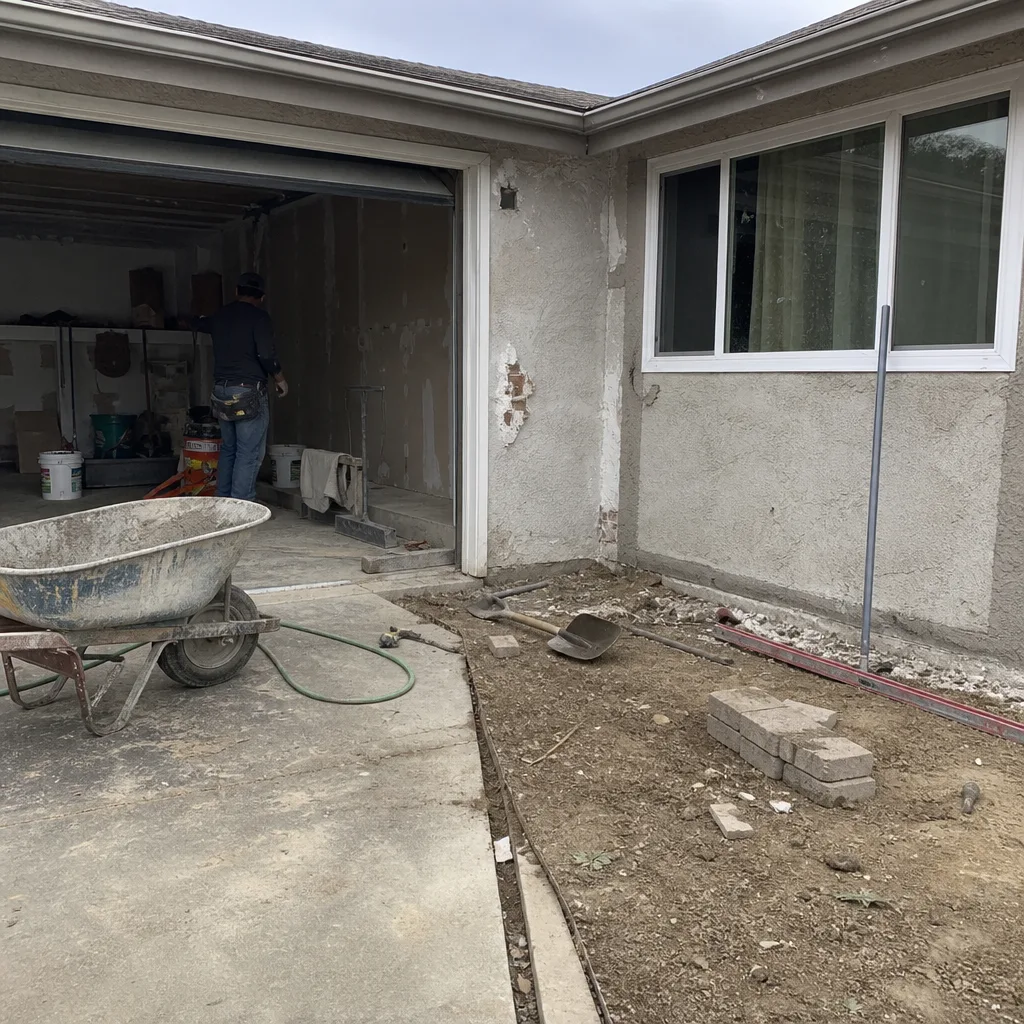 Before
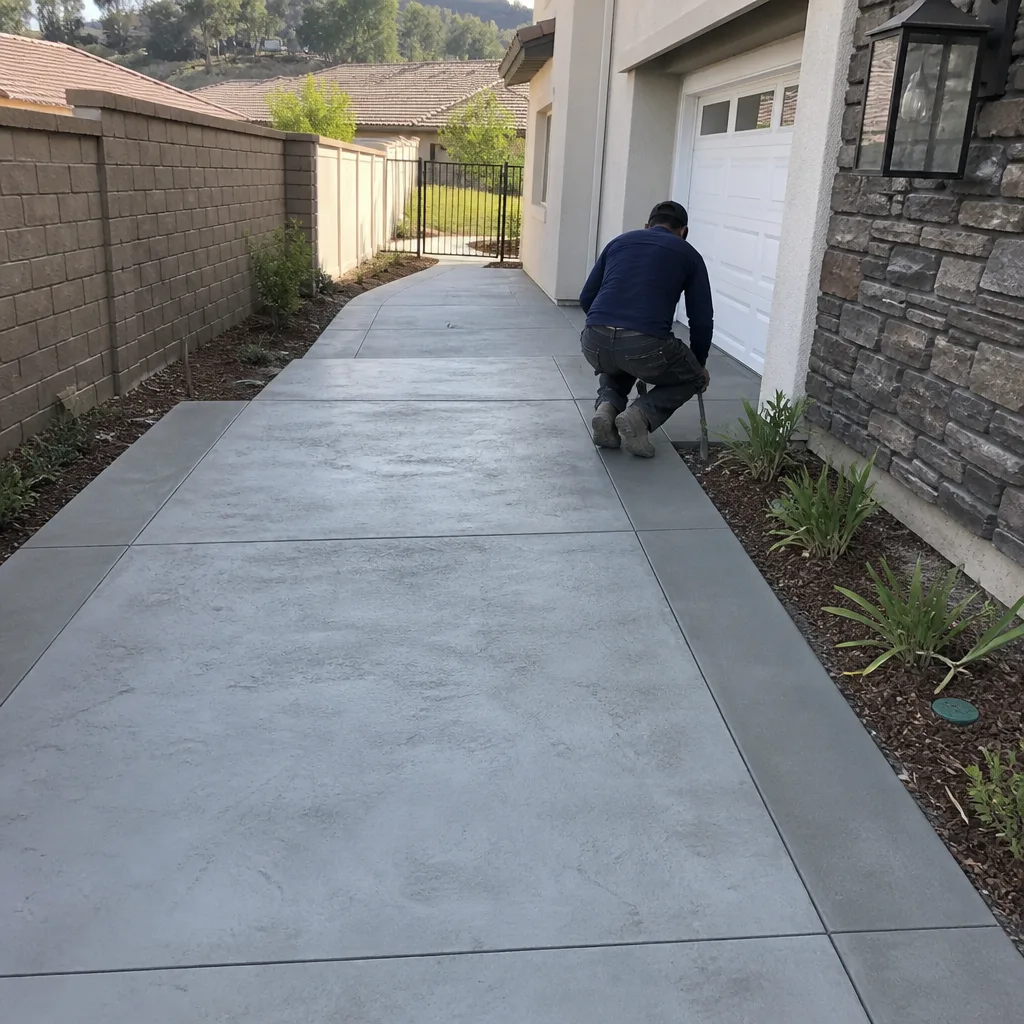 After
After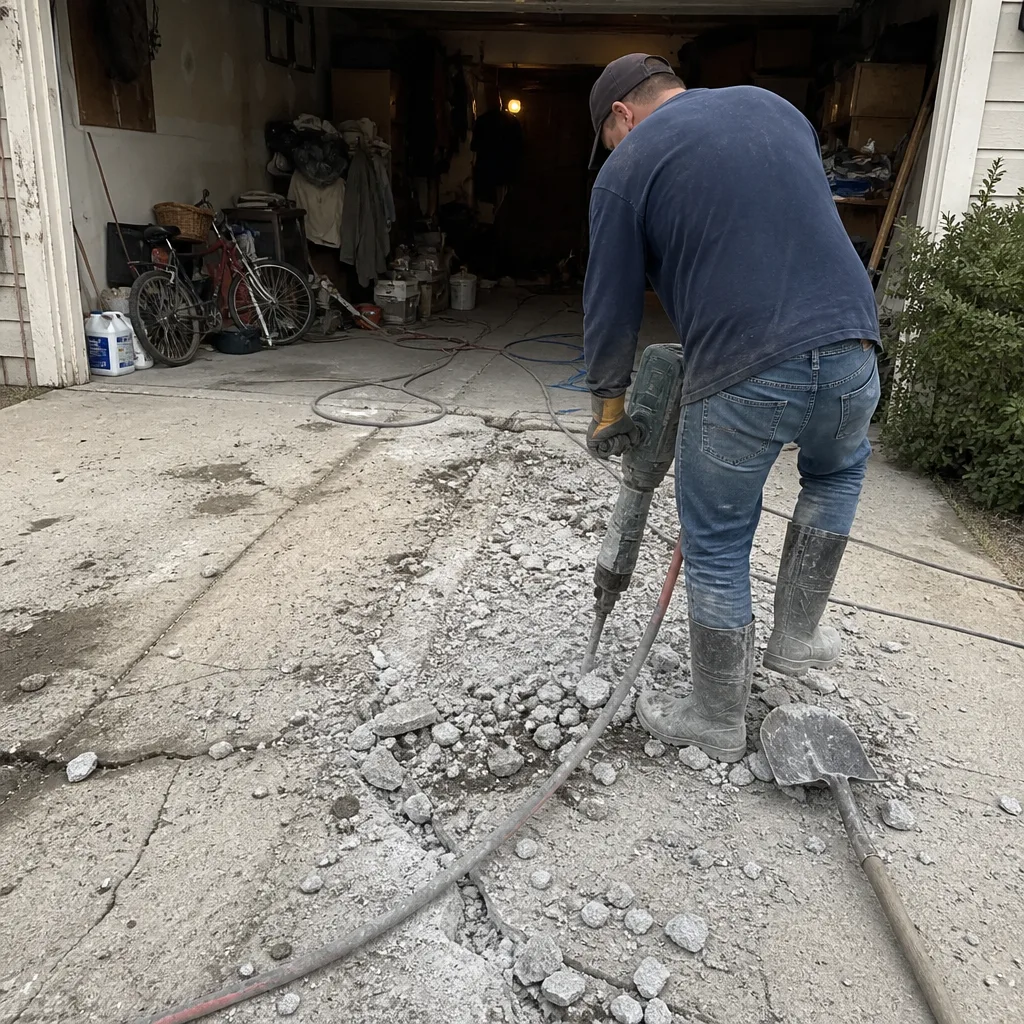 Before
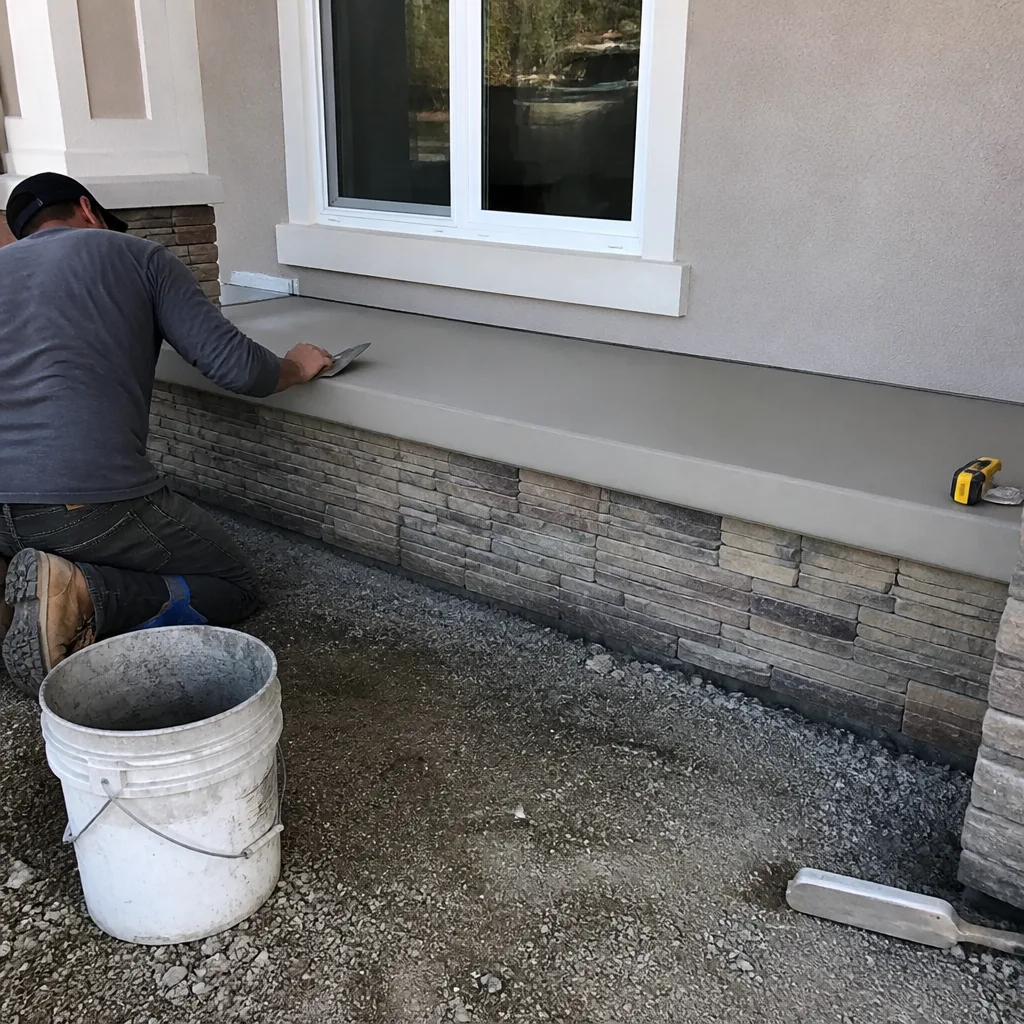 After
After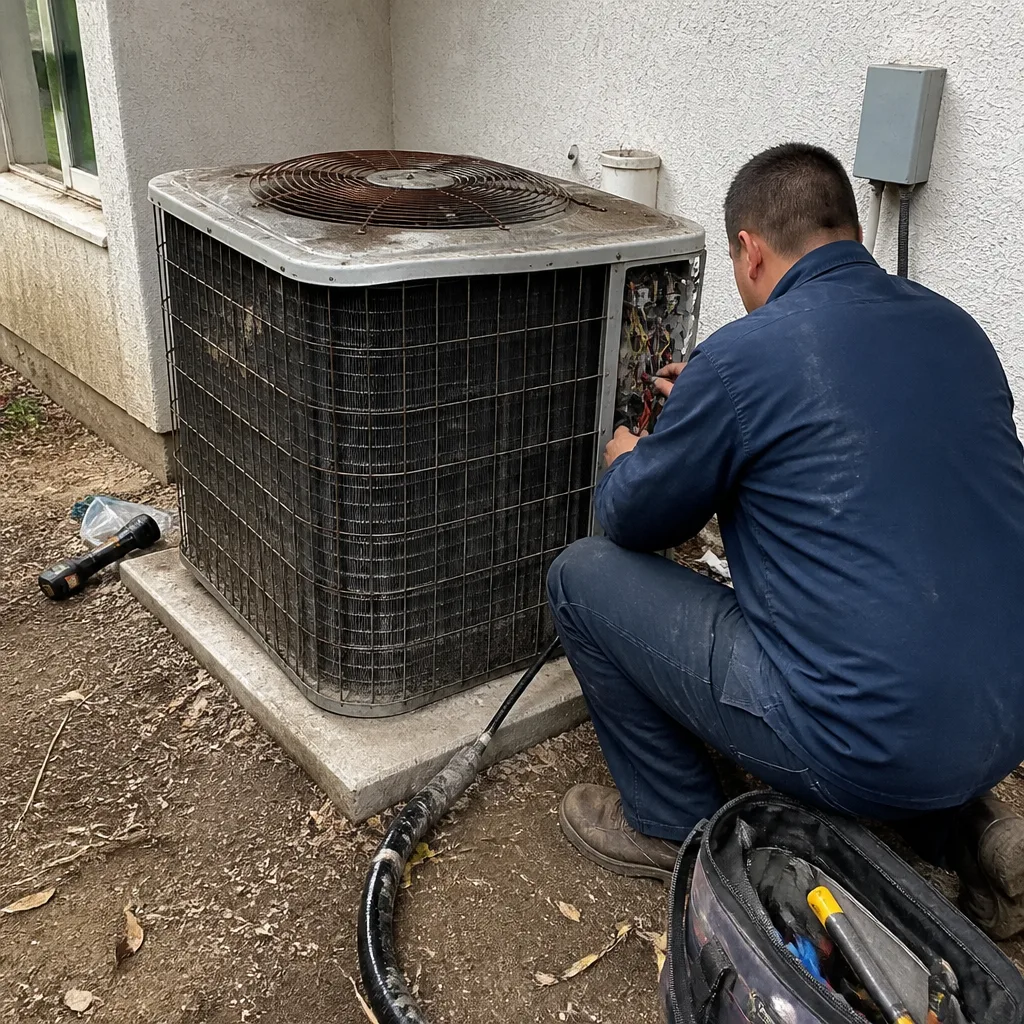 Before
 After
After