Last updated October 16, 2026

Free written scope consultation - allowances, timeline, and change-order rules on paper before a single trade is scheduled
How to Hire a Construction Contractor in Santa Clarita: A Step-by-Step Guide
The most common construction complaint filed with the California Contractors State License Board isn’t unlicensed work. It’s contract disputes. Translation: licensed contractors in Santa Clarita are ripping people off, too. A license check alone won’t protect you. What will is a hiring process that exposes the contractors who lowball the bid and make their margin back through change orders after the walls are open. This guide walks you through that process step by step, with Santa Clarita-specific code and market context most generic guides skip. For more, see our Complete Guide to Construction in Santa Clarita.
Quick Answer
To hire a construction contractor in Santa Clarita, verify the contractor’s CSLB license status is “clear” (not just “current”), pull three bids and compare them for vague line items and below-market allowances, require a fixed-price or capped contract with a photo documentation cadence and a defined communication window in writing, and consider pulling your own permit with the City of Santa Clarita. A good contractor will welcome all four; a bad one will push back on at least one.
Styles & brands we work with
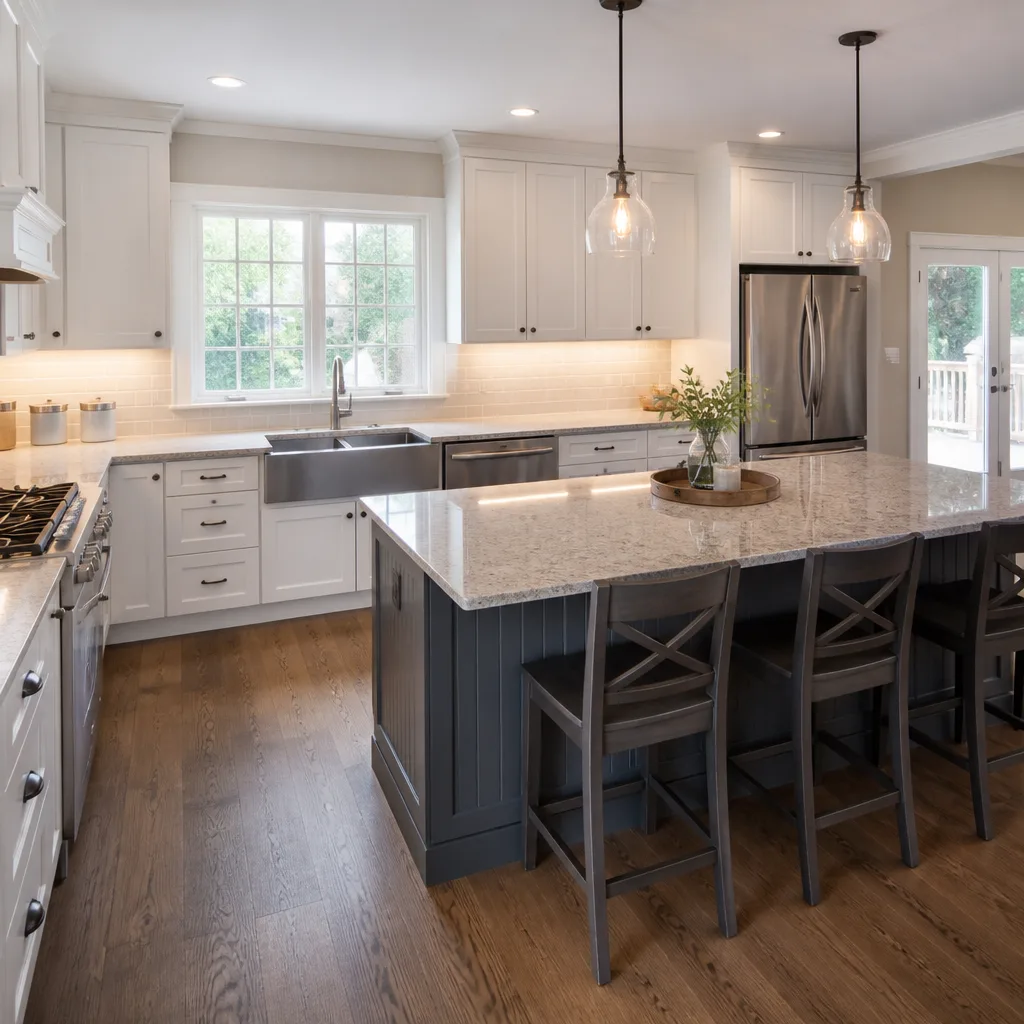
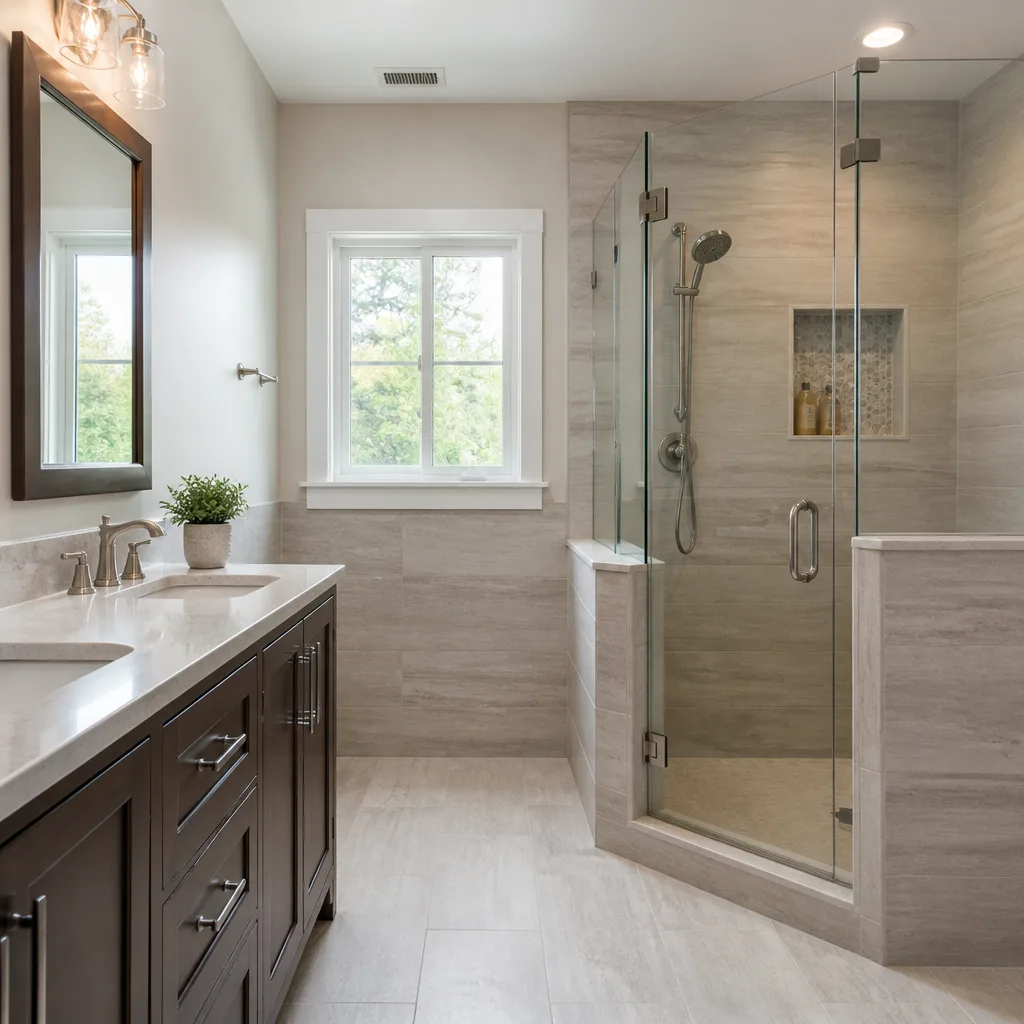
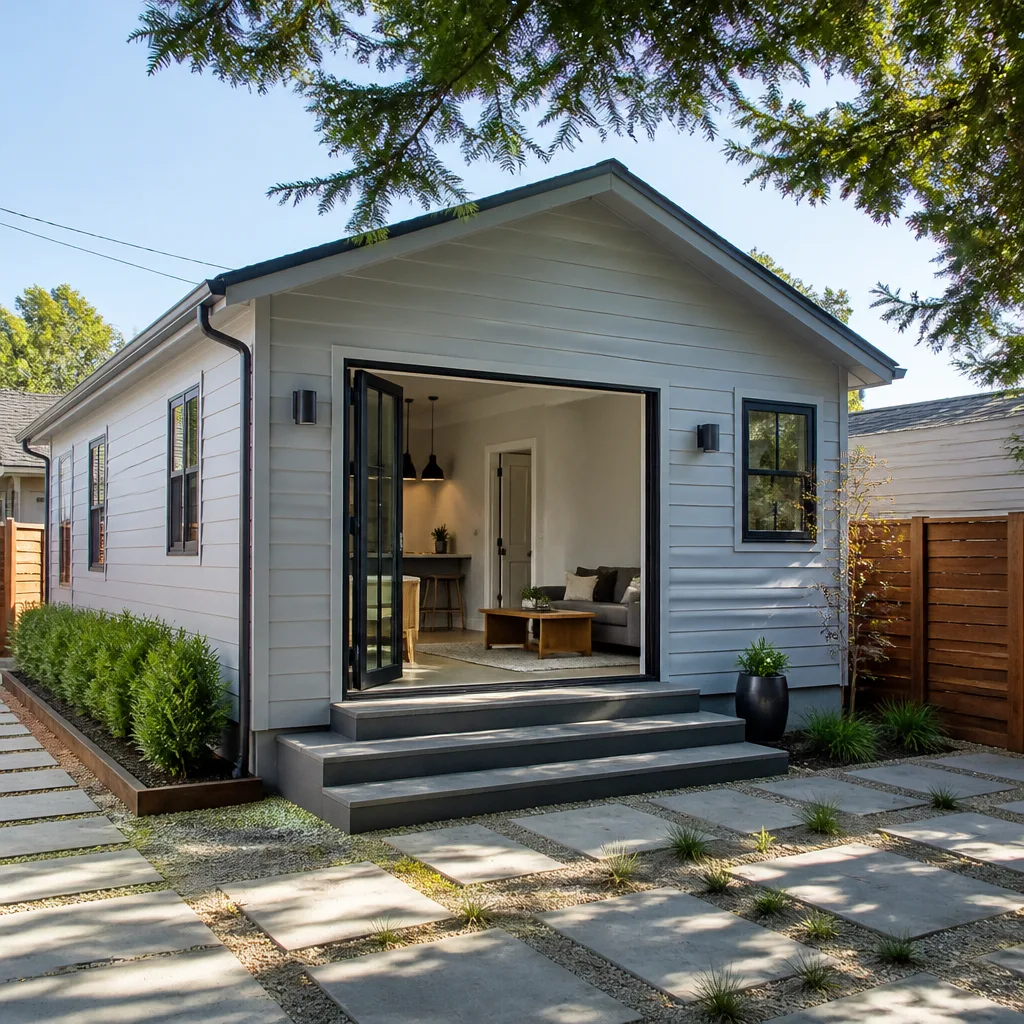
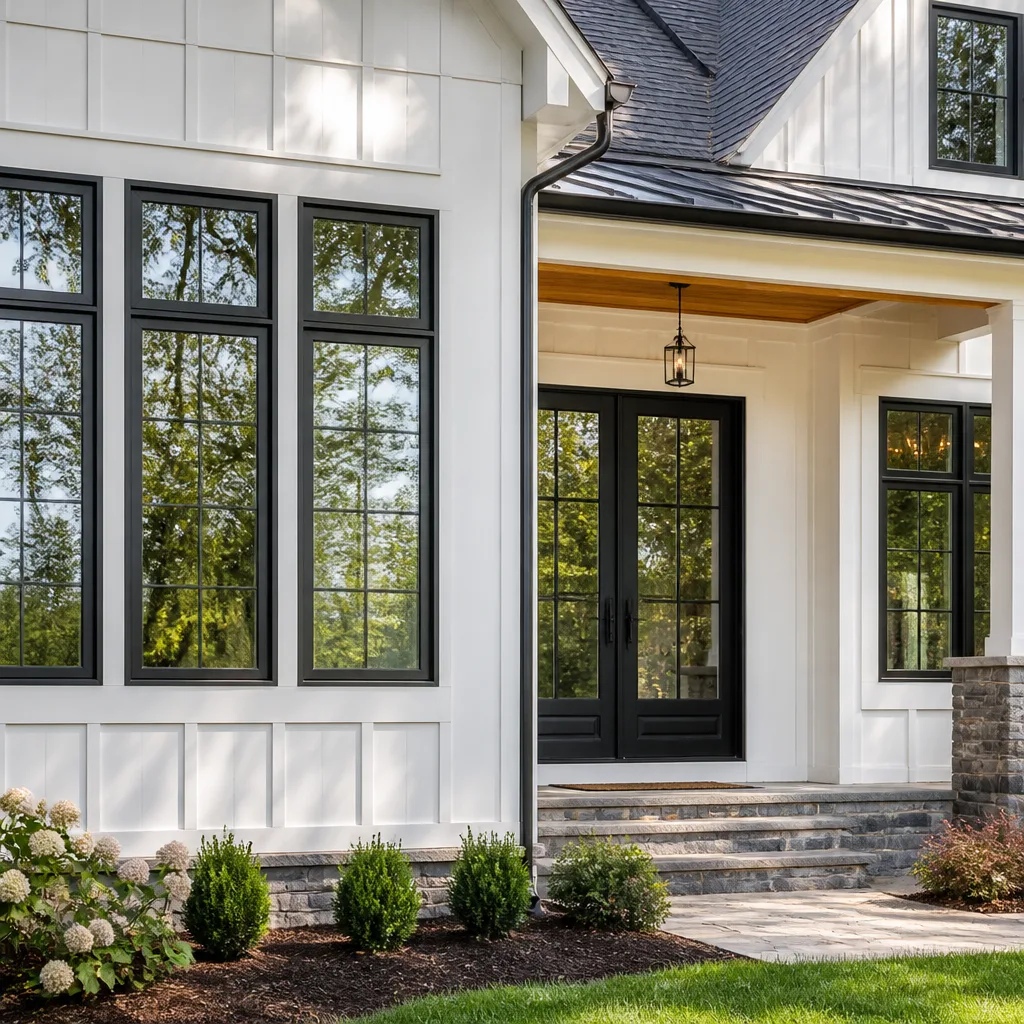
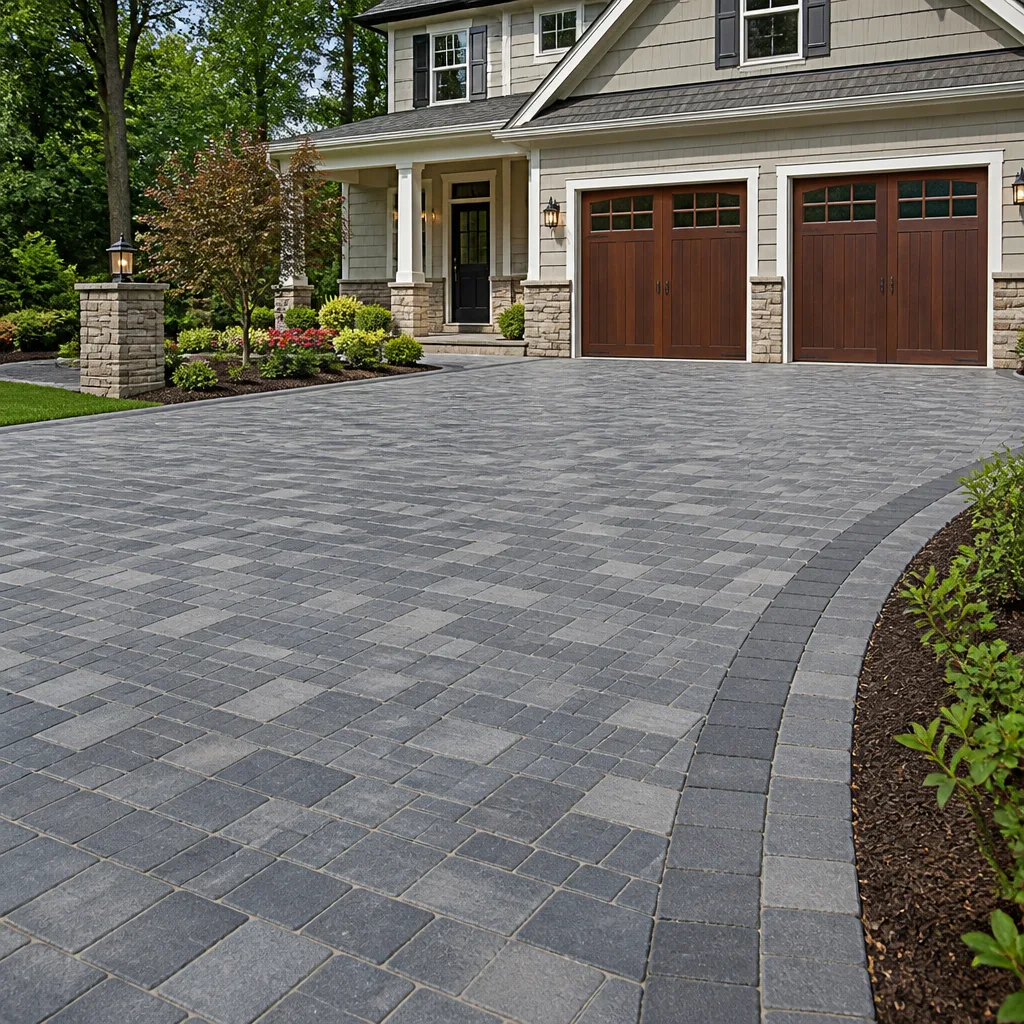
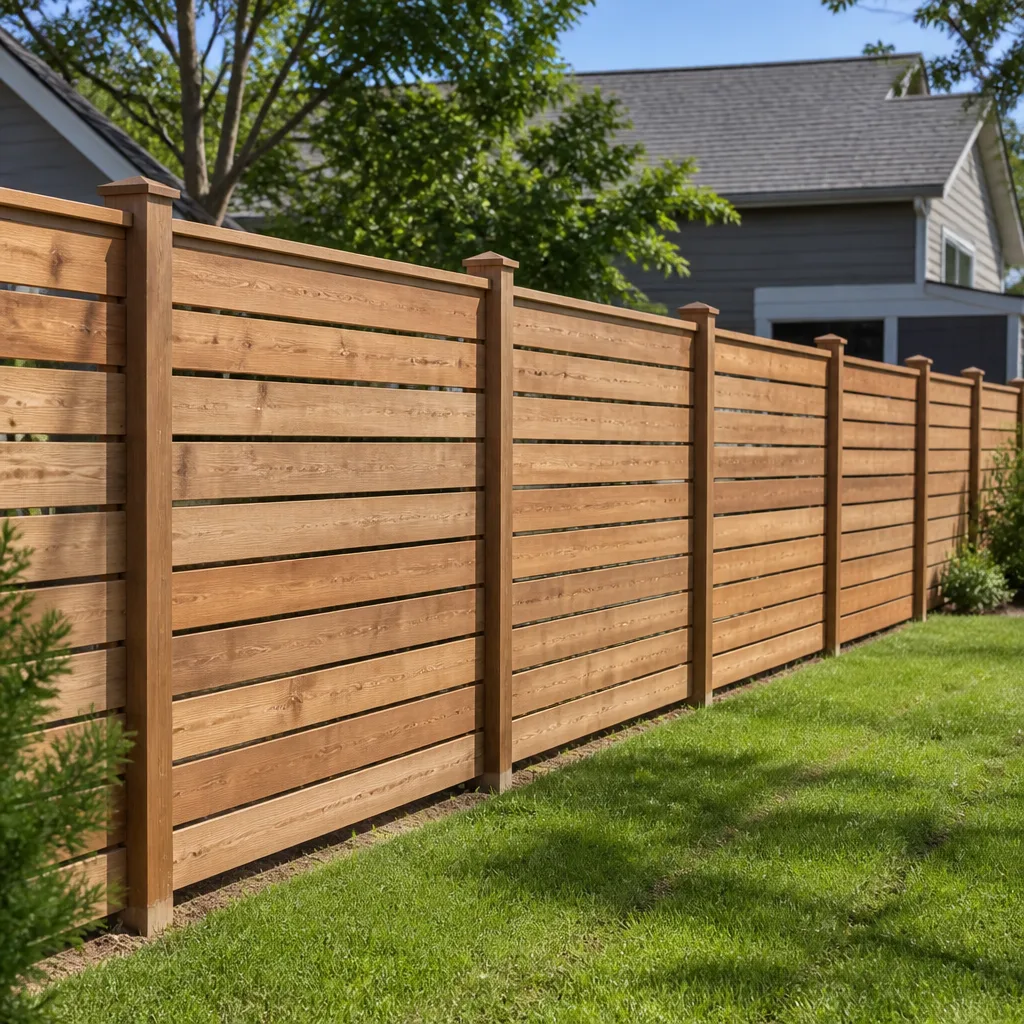
Table of Contents
- Step 1: Verify the CSLB License Like a Regulator, Not a Tourist
- Step 2: Read the Bid Like a Forensic Accountant
- Step 3: Get These Three Contract Clauses in Writing
- Step 4: Understand Permits in Santa Clarita (and Who Should Pull Them)
- Step 5: Spot SCV-Specific Contractor Red Flags
- Step 6: Use This In-Person Interview Checklist
- Step 7: Know Santa Clarita Pricing Benchmarks Before You Sign
Step 1: Verify the CSLB License Like a Regulator, Not a Tourist
Here’s what most Santa Clarita homeowners do: they hop on the CSLB website, type in a name, see a license number pop up, and call it a day. That’s the tourist version. The regulator version takes five more minutes and catches the contractors who are technically licensed but building a record of complaints.
First, go to the California Contractors State License Board website and search the license number, not the business name. Business names get spoofed and recycled constantly in the SCV. A contractor named “Prestige Builders” might have three different license numbers floating around, and only one is active. You want the number on the contractor’s business card to match the number in the state database exactly.
Now the part most people miss: the license status. You’re not looking for “current.” You’re looking for “clear.” A license can be current and still have open complaints, pending suspensions, or unpaid judgments filed against it. “Clear” means the license is in good standing with no outstanding enforcement actions. In our experience running general contractor work in Santa Clarita, we’ve seen homeowners hire a contractor with a current license that had three unresolved complaints, and they only found out when their own dispute got filed as complaint number four.
Here’s the five-step CSLB check we recommend:
- Look up the license number on the CSLB website and confirm the status says “clear,” not just “current.”
- Confirm the license classification matches the work you’re hiring for. A C-36 plumbing license doesn’t cover a whole bathroom remodel; a B general building license does.
- Check the business name on the license. If the name on the bid doesn’t match the name on the license, ask why before signing anything.
- Verify the contractor’s workers’ compensation insurance. Santa Clarita requires it for any contractor with employees, and you’re on the hook if someone gets hurt on your property and the contractor doesn’t carry it.
- Ask to be named as an “additional insured” on the contractor’s liability policy. A contractor who hesitates is a contractor who has been denied a claim before.
Do this before you collect bids, not after. It filters out the bottom half of the market in twenty minutes, and it’s free.
Step 2: Read the Bid Like a Forensic Accountant
Here’s how the classic Santa Clarita change-order scam works. The contractor knows you’re collecting three bids, so they price theirs 15 percent below everyone else. The bid looks great. You sign. Demo starts. Then the change orders start rolling in: “Your subfloor has water damage, that’s an extra $4,200.” “Your electrical panel isn’t up to code, that’s another $3,800.” None of these were surprises to the contractor. They were in the walls from day one. They were just excluded from the bid on purpose.
Every lowball bid hides the same three things. Learn to spot them.
Vague Line Items
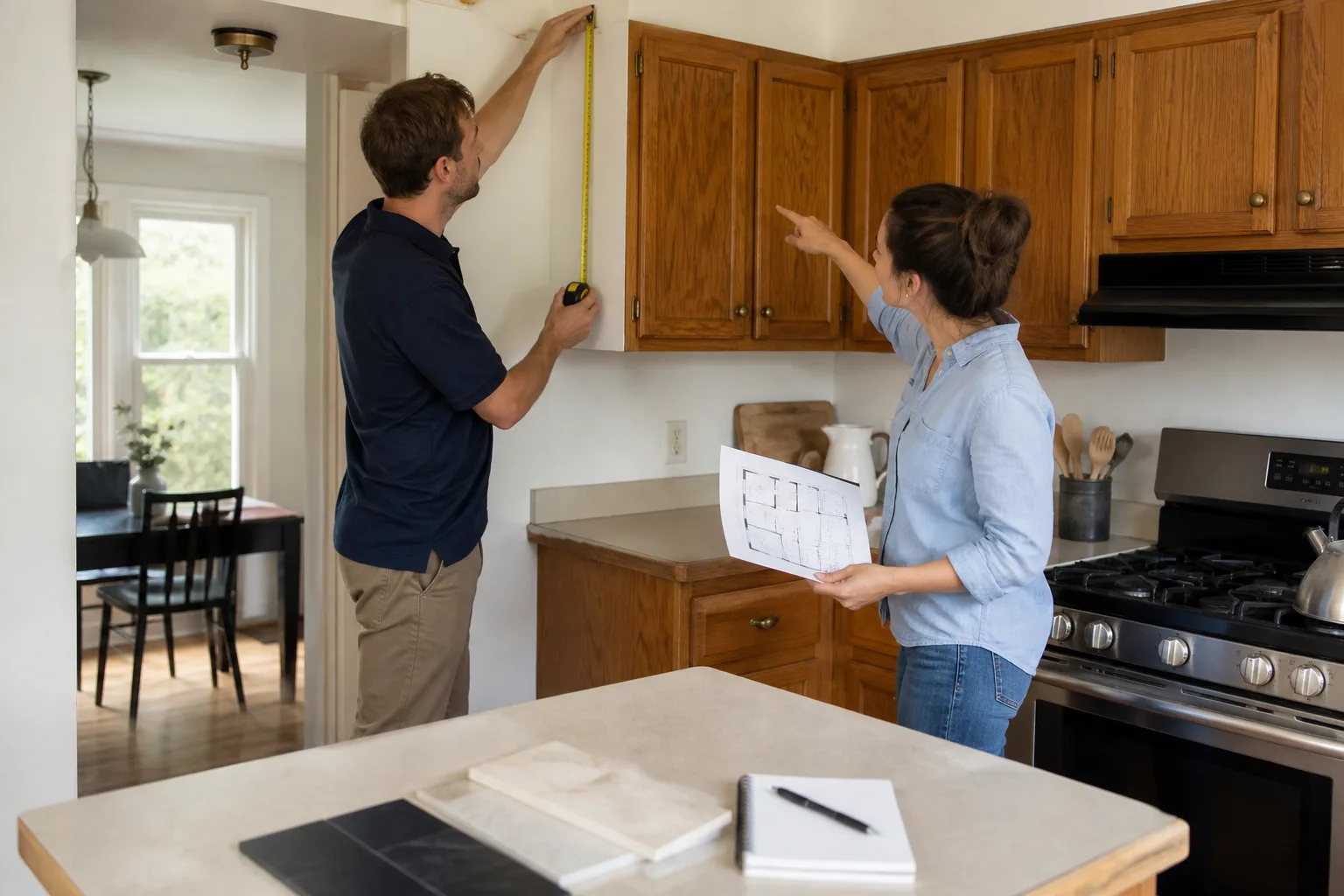
A serious bid looks like an itemized invoice: “Demolition of existing tub and tile surround: $850.” “Rough plumbing for new tub location: $1,100.” A vague bid looks like “Bathroom remodel: $14,500” with two lines under it. If you can’t tell what you’re paying for, you can’t hold anyone to it. Vague line items are where disputes are manufactured later, because the contractor gets to define scope after the fact.
Allowances Set Below Market
An allowance is a placeholder budget for materials you choose later, like tile or fixtures. A contractor who knows Santa Clarita pricing will set a flooring allowance of $6 to $9 per square foot for demo and install. A contractor trying to win the bid will set it at $3.50. When you pick flooring that actually costs $6 per square foot, that gap becomes a change order. The bid looked cheaper on paper; it wasn’t.
On the materials side, we always spec named brands so the allowance is grounded in something real. When we price a bathroom remodel in Santa Clarita, the fixture allowance is built around what a Kohler or Moen fixture actually costs, not a mystery number pulled from thin air. Ask any bidder whether their material allowances are based on current local market pricing or an estimate. You’ll learn a lot from the pause.
Scopes That Exclude Demo or Haul-Away
Read the bid carefully for what’s not mentioned. Some bids exclude demolition entirely: “Contractor to install new flooring only.” Then when the old flooring has to come up first, that’s a change order. Same with haul-away. If the bid doesn’t say “includes removal and disposal of all job debris,” assume it doesn’t include it, and ask in writing. In Santa Clarita, a ten-yard debris box costs around $500 to $700 including dump fees, so this is a meaningful line item hiding in the shadows.
The best protection is to compare bids side by side, line by line. If one bid is 15 percent lower than the other two, the cheapest contractor didn’t find a discount on lumber. They left something out. Find it before you sign.
Step 3: Get These Three Contract Clauses in Writing
Most construction contracts in California are fifty pages of boilerplate and three sentences that actually matter. Skip the legalese and negotiate for these three clauses. A contractor who pushes back on any of them is telling you how the job will actually run. Listen.
1. Fixed Price or Cap
A fixed-price contract guarantees the project total. A cost-plus contract charges you for materials and labor plus a markup, with no ceiling. Fixed price is better for you, full stop. At minimum, require a not-to-exceed cap: the contractor can spend less, but never more, without a signed change order. The written price before work starts is such a core part of how we operate that we built our entire customer promise around it at Sawyer Remodel Santa Clarita home services: the number on the invoice is the number you approved, period. If a contractor won’t commit to a cap, they’re planning to use the open ended structure later.
2. Photo Documentation Cadence
This one sounds soft, but it’s among the strongest dispute protectors you can get. The clause says: the contractor will send you photos of all work in progress at a defined frequency, and before-and-after images of any area being covered up. That second part matters. Once drywall goes up, you can’t see the plumbing or electrical work inside the wall anymore. If there’s a problem later, photos are your evidence. Any contractor working on our projects sends photo updates before and after every significant phase. It’s part of The Relay Standard, and it should be part of yours too, written into the contract.
3. Defined Communication Window
Define how fast the contractor responds to questions. Not “promptly.” Not “as soon as possible.” A number: “Contractor will respond to any written communication from homeowner within 24 hours.” A contractor who won’t commit to a response window is a contractor who ghosts when the schedule slips. This is also the moment to ask who your single point of contact is. If the answer is “you can call anyone on the team,” that’s a warning sign. One accountable person, one phone number, one chain of decisions. Otherwise you’re the project manager, and you’re not getting paid to be one.
Step 4: Understand Permits in Santa Clarita (and Who Should Pull Them)
Permits are the single best predictor of how a job will go. In Santa Clarita, most remodels and all structural work require a permit through the City of Santa Clarita Building and Safety Division. The process matters as much as the piece of paper, because permits trigger inspections, and inspections create an arms-length set of eyes checking the work at every phase. A contractor who wants to skip permits isn’t saving you money. They’re removing the referee.
Here’s the part most guides won’t tell you: you can pull your own permit as the homeowner. It’s called an owner-builder permit. It’s legal, the City processes them the same as any other permit, and it puts you in control of the project’s legal standing. The tradeoff is that you take on liability for the work, so it’s not a universal recommendation. But it’s a powerful signal test. Tell a contractor you’re thinking about pulling the permit yourself. A good contractor will walk you through what an owner-builder permit involves and help you decide. A bad contractor will tell you it’s a terrible idea and push hard to skip permits entirely. That’s the tell.
Why does a sketchy contractor resist when you pull the permit? Because the permit is yours, not theirs. It doesn’t disappear if they walk off the job mid-project. It doesn’t let them slow-walk inspections or hide unfinished work. It doesn’t let them claim later that you never got permits drawn for the home renovation in Santa Clarita you paid them to supervise. A contractor who wants to control the permit wants to control the job. Your name on the permit file keeps everyone honest.
One Santa Clarita-specific note: fire zone compliance is real here. Much of the SCV sits in a High or Very High Fire Hazard Severity Zone, and the City enforces California Building Code Chapter 7A for exterior construction. That covers fire-resistant roofing, ember-resistant vents, and exterior wall materials in certain areas. A contractor who does most of their work in Van Nuys or North Hollywood may never have touched a Chapter 7A requirement, and their bid won’t reflect the additional material costs. This is why the “I work all over LA” line is a red flag in the SCV. More on that below.
Step 5: Spot SCV-Specific Contractor Red Flags
Every market has its own contractor pathologies, and Santa Clarita’s come from its geography. Here are the four we tell every homeowner to watch for before they sign.
“I work all over LA.” Santa Clarita has its own municipal building department, its own plan check process, its own fire zone maps, and its own amendment package to the California Building Code. A contractor who works everywhere often knows the LA County system deeply and the City of Santa Clarita system not at all. That shows up as plan check rejections, missed inspection requirements, and change orders when the City requires something the contractor didn’t know to include. You want a contractor who can name the Santa Clarita plan check turnaround time from experience, not one who’s seeing it for the first time on your project.
No local references. Ask for three recent project references in the SCV. Not three references ever. Three in Santa Clarita, from the last 24 months. Then drive by the project. If the contractor can’t produce them, they haven’t worked here much, and everything above applies. If they can, ask the reference one question: “Did the final invoice match the original bid?” That single question reveals more about how a contractor operates than a forty-question survey.
Pressure to skip permits. We covered this above, but it bears repeating because it’s the most common red flag in this market. Any contractor in Santa Clarita who suggests you skip permits on a remodel is asking you to carry legal and financial risk the contractor doesn’t want to carry themselves. On a mid-five-figure project, the permit fee is typically a few hundred to a few thousand dollars. That’s not the part they’re objecting to. They’re objecting to inspections.
The disappearing salesperson. You meet a polished salesperson who promises everything, signs the contract, and then you’re handed to a project manager on day one and never see the salesperson again. In large companies this can be fine; in small companies it often means the person who made the promises has no authority to deliver them. Ask who your single accountable point of contact will be from demo day to final walkthrough, and get that person’s name in the contract. At Sawyer Remodel Santa Clarita, you know the name of the person walking into your home before they arrive, and the person making promises is the person honoring them. That should be the baseline, not the exception.
Step 6: Use This In-Person Interview Checklist
You’ve verified the license, you’ve read the bids, you’ve negotiated the contract clauses. Now you sit down with the contractor in person, and you ask the questions that separate a clean operator from a future dispute. Here’s the exact list we recommend for Santa Clarita homeowners. If the contractor can’t answer all seven cleanly, pass.
- “What’s your Santa Clarita plan check experience?” They should be able to tell you the typical turnaround time for a remodel permit through the City’s Building and Safety Division, and what they’ve learned to include in plans the first time so they don’t get bounced back.
- “Who will be on site every day?” You want a named lead, not a rotating cast. If the answer is “whoever’s available,” you don’t have a contractor, you have a dispatcher.
- “How do you handle a change order if something comes up?” A good answer: “You approve it in writing before we do the work, with a new line-item price.” A bad answer: “We’ll figure it out.”
- “Will my project require fire zone compliance work?” For many exterior projects in the SCV, yes. A contractor who doesn’t know what Chapter 7A is isn’t the contractor for this city.
- “What’s your photo update process?” They should be able to tell you exactly when you’ll see images of the work: daily, at each phase, before any wall closes up.
- “Where are your material allowances set?” They should be able to name a flooring price per square foot, a fixture price per item, and a countertop price per square foot, today, in the SCV market. Not a range from a national website, but what they’ve actually been quoting this quarter.
- “What happens if I’m not happy with the finished work?” Look for a written warranty with a defined term. Our standard is the 365-Day Done Right Promise: if it’s not done right, we make it right, backed in writing for a full year. A contractor who says “we’ll take care of you” without anything in writing is making a promise they won’t be legally bound to keep.
Step 7: Know Santa Clarita Pricing Benchmarks Before You Sign
You can’t evaluate bids if you don’t know what the local market actually charges. Here’s what we see in the SCV for common projects, based on current costs for materials, labor, and the local permit environment. For a detailed breakdown, see our Construction Cost Breakdown: The Santa Clarita Homeowner’s Reference for 2026. These are ranges, not quotes. Your project will land somewhere inside them depending on material choices, existing conditions, and the scope of work.
| Project Type | Typical Santa Clarita Price Range | What Drives the Price |
|---|---|---|
| Bathroom remodel (mid-range, full gut) | $22,000 – $42,000 | Tile and fixture selection, plumbing moves, waterproofing system |
| Bathroom remodel (primary suite, high-end) | $45,000 – $80,000+ | Custom glass, heated floors, freestanding tub, premium tile |
| Kitchen remodel (mid-range) | $50,000 – $95,000 | Cabinetry (KraftMaid or Wellborn), countertops, appliance pulls |
| Whole-home interior renovation | $150,000 – $400,000+ | Square footage, structural work, permit requirements, finish level |
| Exterior siding replacement (James Hardie) | $18,000 – $45,000 | Home size, fire zone compliance, existing siding removal |
Here’s the honest context behind these numbers. Santa Clarita’s contractor labor rates have run slightly higher than the LA County average for the last several years, driven by demand and the distance labor has to travel to work here. But material costs are roughly flat across Southern California, which means a bid that’s dramatically below these ranges isn’t finding cheaper drywall. It’s cutting something: labor, scope, insurance, or all three. When we bid a remodel, the price includes the written line items, the permit work, the photo documentation, and the warranty. That’s not an upsell. That’s what a real bid costs.
One more benchmark: general contractor markup in the SCV typically runs 15 to 25 percent on top of direct costs. If a contractor tells you they work for 8 percent on a mid-size remodel, do the math with them on the spot. The numbers won’t work unless they’re cutting insurance, workers’ comp, or paying subs below market, and none of those end well for you.
Common Mistakes to Avoid
- Checking “current” instead of “clear” on the CSLB. Current means the license exists. Clear means the license has no pending complaints or enforcement actions. The distinction is the whole ballgame in Santa Clarita’s dense contractor market.
- Accepting a verbal estimate as a price. An estimate is a guess. A price is a written, line-item number. If the contractor won’t put the price in writing before work starts, the invoice number will be a surprise.
- Letting the contractor pull the permit so they can control the paper trail. Pull your own owner-builder permit or insist on being copied on every permit communication. The City of Santa Clarita files are public; use them.
- Believing a lowball bid that excludes demo. Demo isn’t free, and haul-away isn’t free. If it’s not in the bid, it’s coming later as a change order, usually after the walls are open and you have no leverage.
- Hiring a “I work all over LA” contractor without asking about Chapter 7A. Fire zone compliance adds real material costs to exterior projects in much of the SCV. A contractor who doesn’t know that will learn on your dime.
- Skipping the communication window clause. The contractor who won’t commit to a 24-hour response window in the contract is the contractor who goes dark for two weeks when the project hits a snag.
- Comparing bids by the bottom line only. Line-by-line comparison is the only kind that matters. The cheapest bid is usually the most expensive project.
See the difference
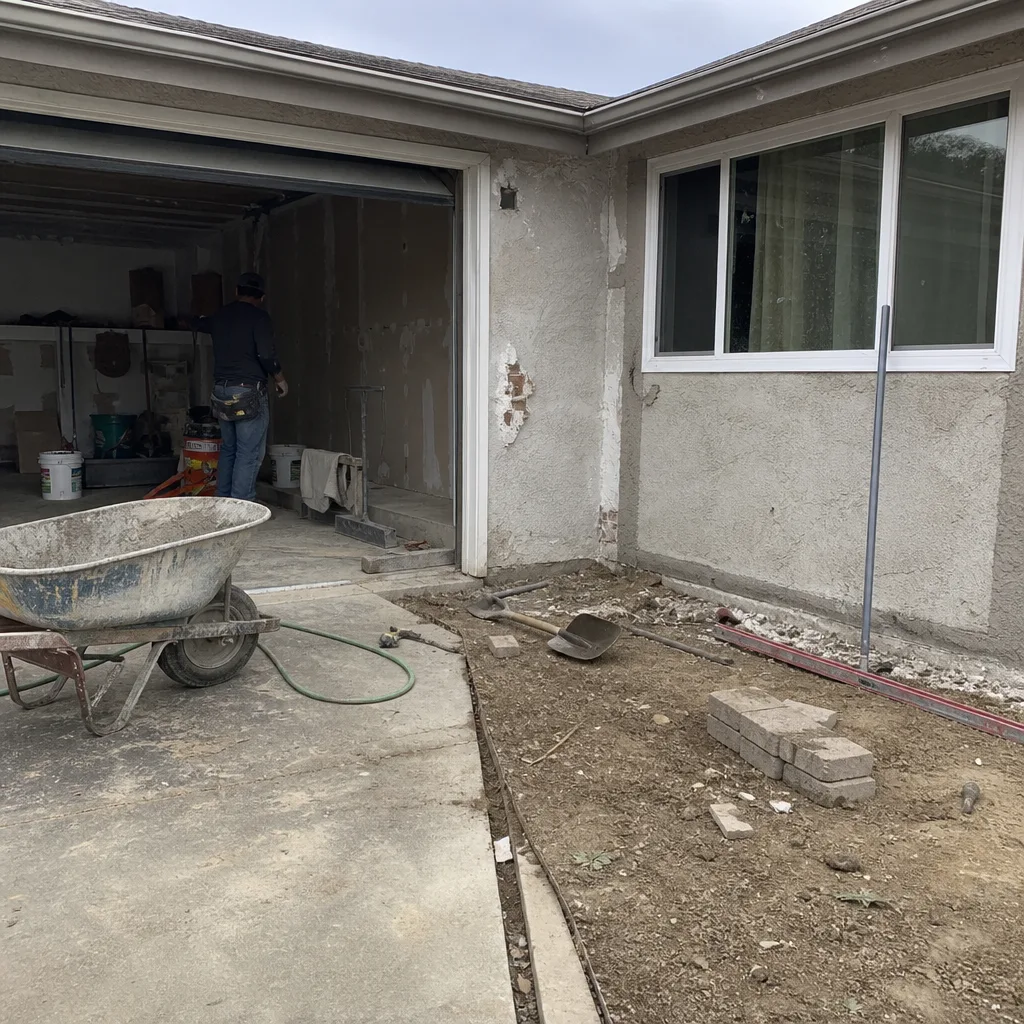 Before
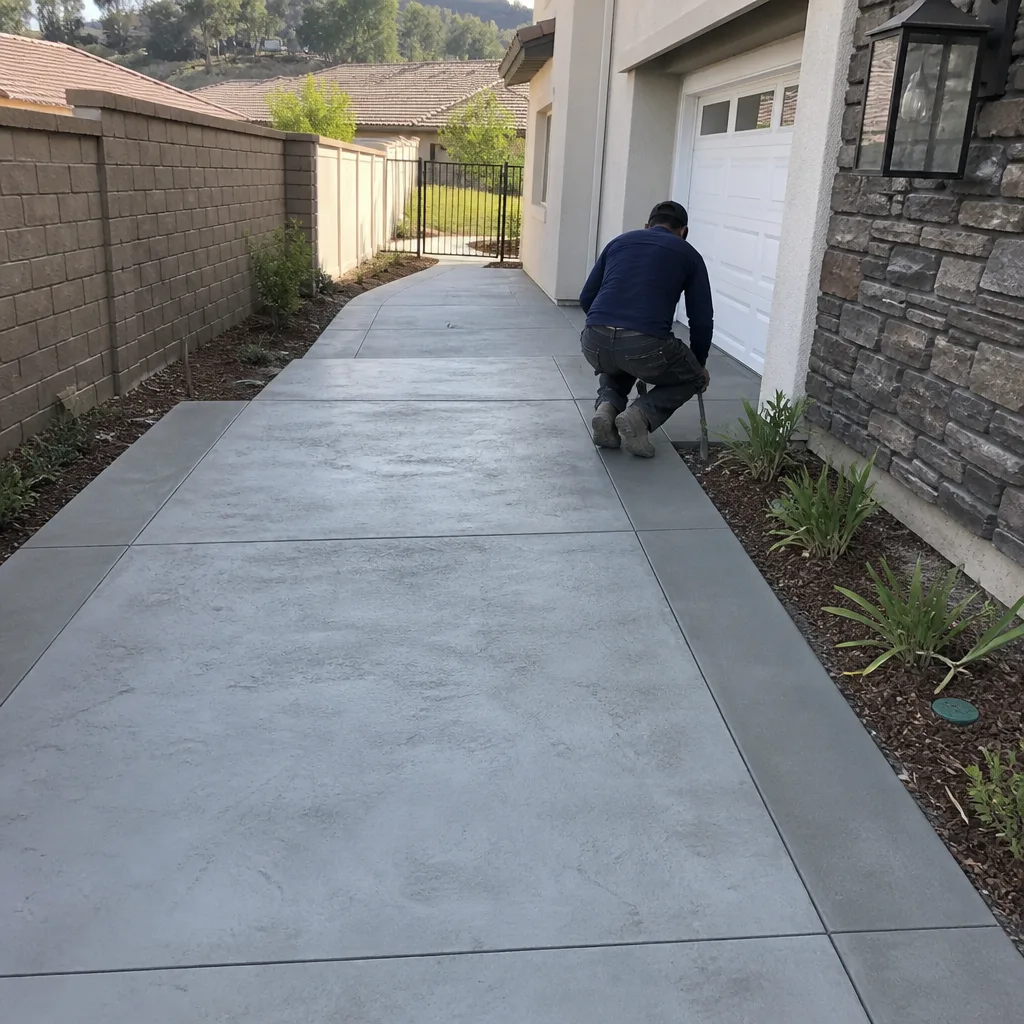 After
After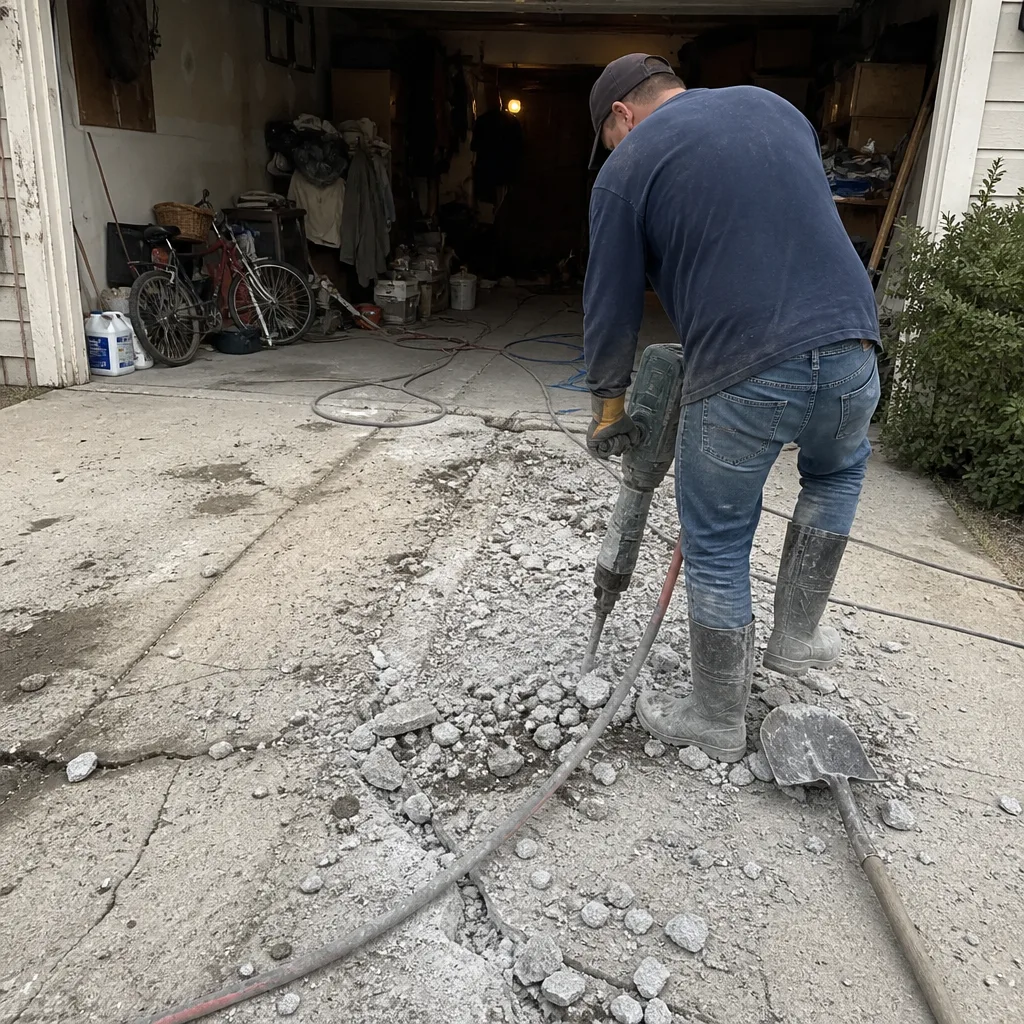 Before
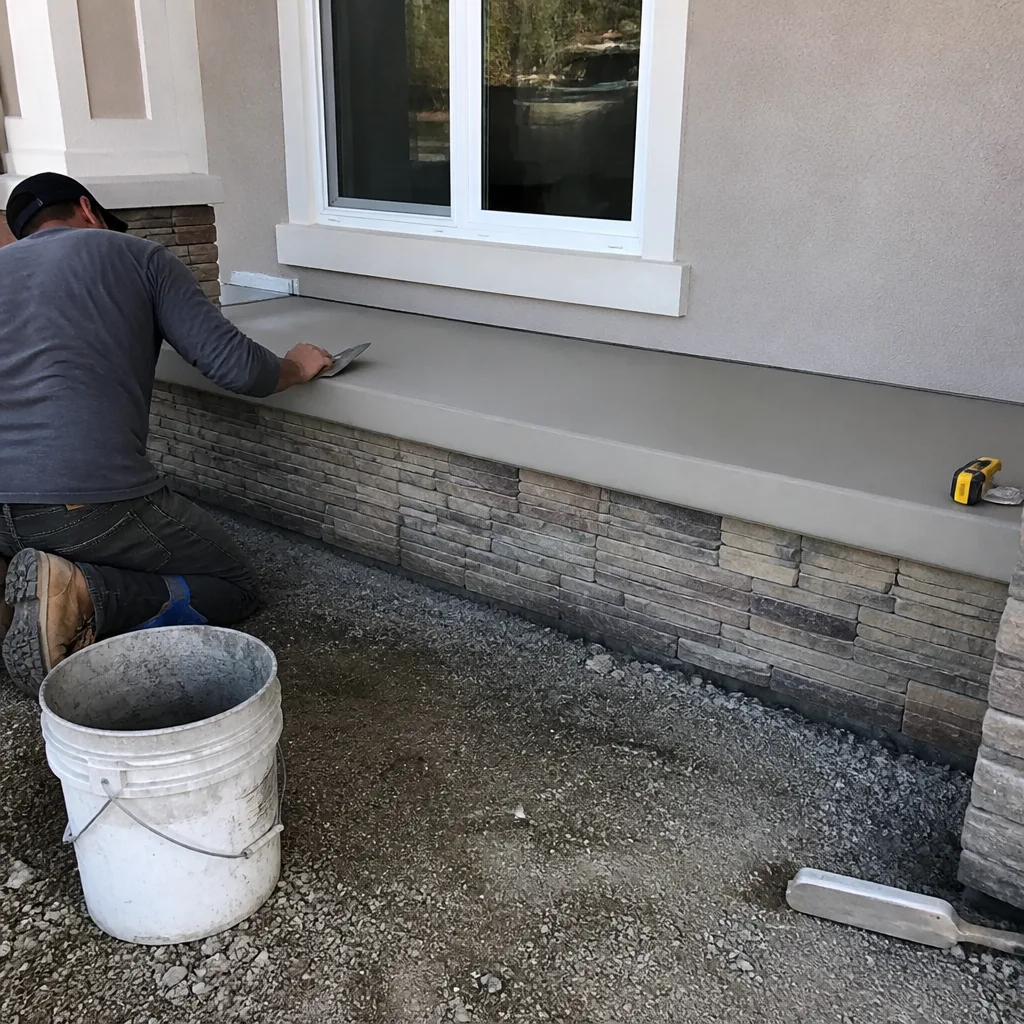 After
After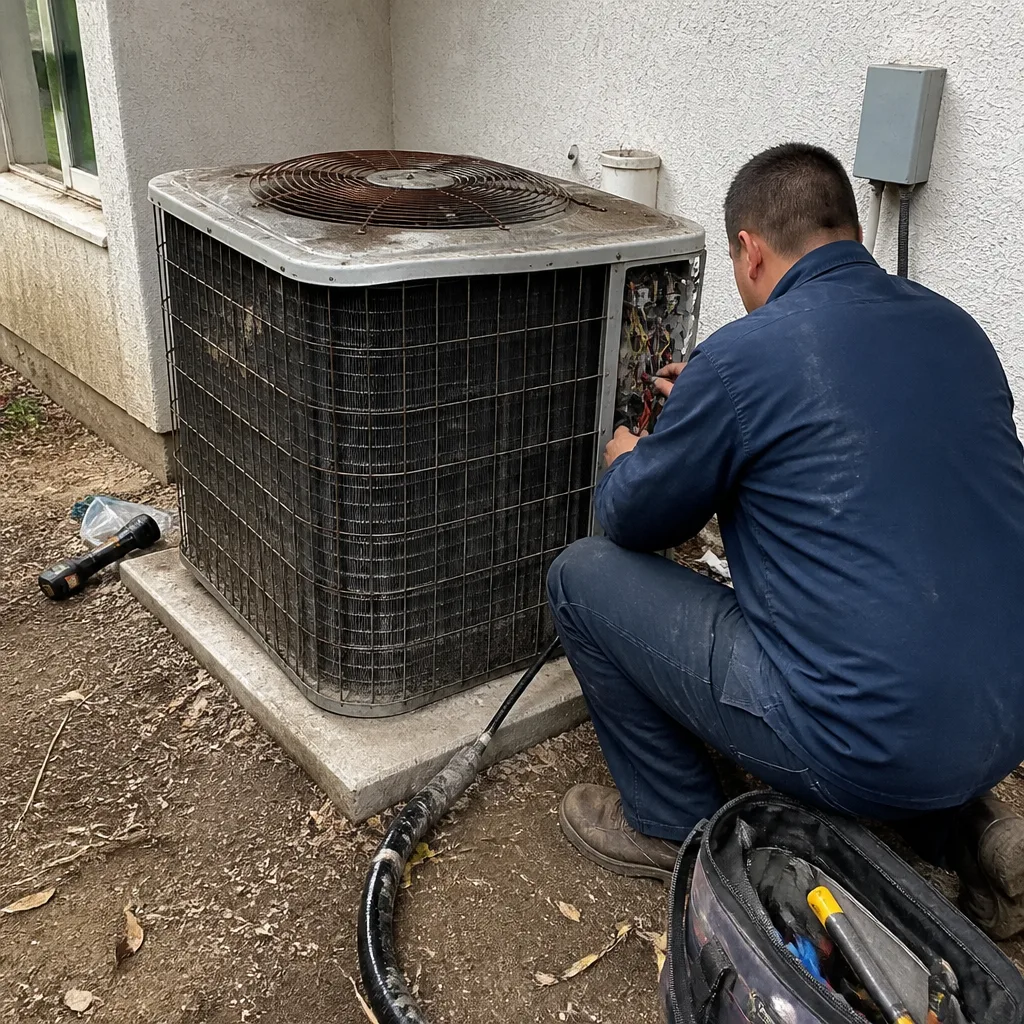 Before
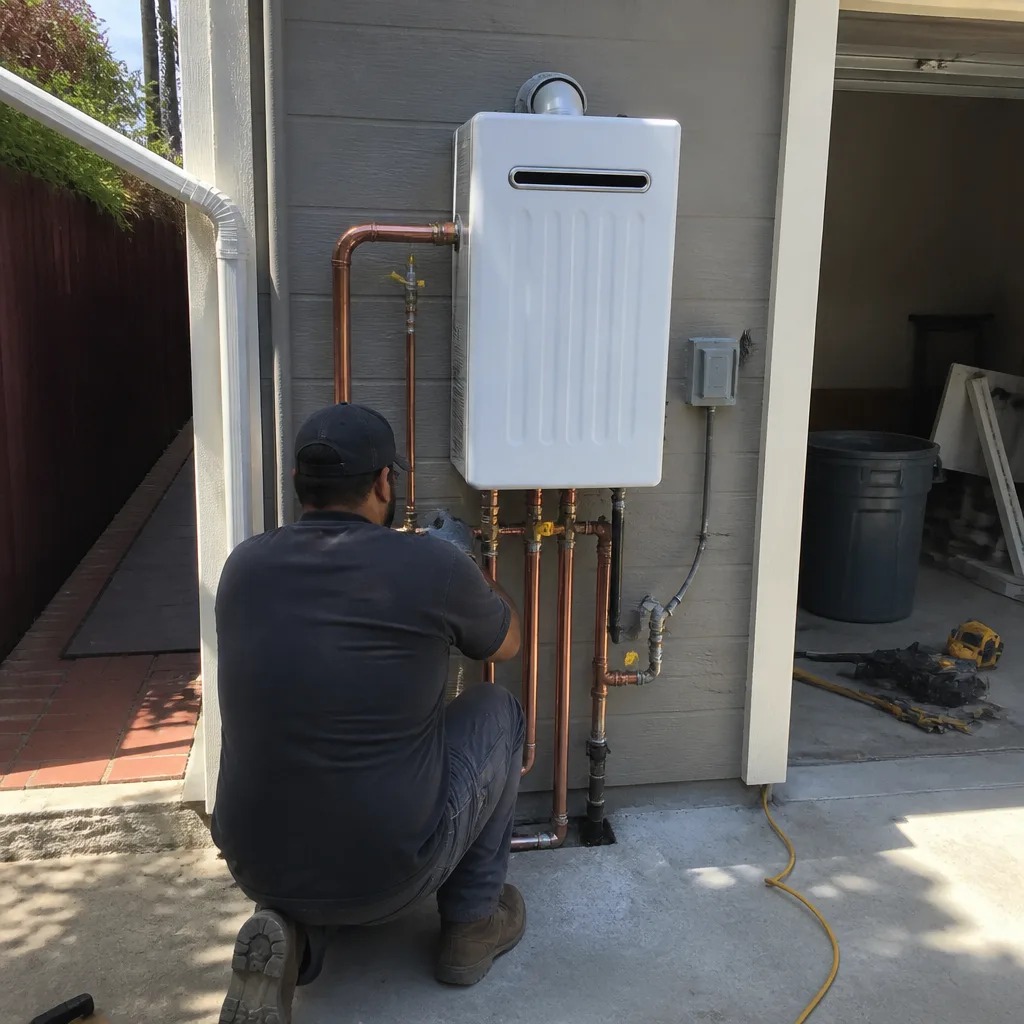 After
AfterWhen to Call a Professional
Some projects are genuinely DIY-friendly: painting a room, swapping a faucet, hanging a shelf. Then there’s the line where the risk outruns the savings. If your project touches plumbing rough-ins, electrical panel work, structural walls, roof structure, or waterproofing in a wet area, you’re past that line. A mistake in any of these isn’t a cosmetic issue; it’s a leak inside a wall you can’t see, a wiring problem that doesn’t show up for months, a shower pan that fails and rots the subfloor. Santa Clarita’s dry heat can mask water damage for years until the floor feels soft underfoot, and by then the repair is five times the cost of doing the original work correctly. This is also the moment when the questions above matter most. Sawyer Remodel Santa Clarita offers free estimates in Santa Clarita; call (661) 592-1977 and we’ll walk through your project scope, your permit situation, and a written price before any work starts. No pressure, no four-hour arrival windows, no mystery numbers.
Frequently Asked Questions
Search the contractor’s license number on the California Contractors State License Board website at cslb.ca.gov, confirm the status says “clear” (not just “current”), verify the license classification matches your project type, and ask to be added as an additional insured on the contractor’s liability policy. A clear status means no open complaints or enforcement actions are pending against the license.
A fair bid is line-itemized with each phase of work priced separately: demo, rough plumbing, electrical, drywall, tile, fixtures, finishes, haul-away. It includes material allowances based on current local pricing, not national averages, and it states explicitly what’s included and what’s excluded. If you can’t see every major cost category on the page, the bid isn’t detailed enough to sign.
General contractor labor rates in the SCV typically run $75 to $150 per hour for skilled work, depending on the trade and scope, but most remodel projects are quoted as fixed-price bids rather than hourly rates. For a fixed-price remodel, expect general contractor markup of 15 to 25 percent on top of direct material and labor costs.
You can legally pull an owner-builder permit in Santa Clarita, which keeps you in control of the project’s paper trail, but it also shifts liability to you. The more reliable signal is the contractor’s reaction when you raise it: a good contractor will help you evaluate the option honestly, while a bad one will resist any arrangement that gives you leverage over the permit file. For most homeowners, the cleanest setup is having the contractor pull the permit while you stay copied on all communication with the City.
Within 24 hours to written questions, and that response window should be written into the contract before work starts. A contractor who can’t commit to that in writing is telling you, in advance, what it’s like to work with them when the schedule slips.
Only if you approve a written change order. A fixed-price or not-to-exceed contract means the number you approved is the number you pay, unless you request additional scope. Any contractor who tells you pricing “evolves as we go” is describing cost-plus work without the cost-plus paperwork, and that’s the single biggest source of disputes in the SCV market. Call (661) 592-1977 for an exact quote on your project; estimates are free and the price you approve is the price you pay.
The Bottom Line
Hiring a contractor in Santa Clarita is a skill, not a lottery. The process is simple but it isn’t passive: verify the license status says clear, read the bid line by line for change-order bait, get the fixed price, photo cadence, and communication window in writing, understand the permit process in this city specifically, and walk away from any contractor who says “I work all over LA” without knowing Santa Clarita’s fire zone rules from personal experience. The contractors worth hiring are the ones who welcome every one of these steps, because they’re the ones built to pass them. Do the work up front, and the remodel is an exciting project instead of a stress-filled year. Explore more guides & resources to keep your project on track. Skip it, and you’re on your own when the change orders start.
Written by Luca Romano, Owner at Sawyer Remodel Santa Clarita, serving Santa Clarita since 2005.