Last updated October 16, 2026




Free written scope consultation - allowances, timeline, and change-order rules on paper before a single trade is scheduled
Construction Permits, Codes & Inspections in CA: What You Need to Know
Unpermitted work is the single biggest deal-killer in California real estate. Buyers’ agents flag it during due diligence, lenders refuse to finance it, and sellers get stuck retroactively permitting it at full cost right before close, usually while the buyer’s escrow deadline is ticking. In Santa Clarita, where wildfire hazard zones overlay city code, the stakes are even higher than most of California. This guide walks through the layered system: the state code floor, local amendments, fire zone overlays, and what each one means for your remodel timeline and your home’s resale value. For more guides & resources on navigating California construction, see our blog. You’ll learn which projects actually trigger permits, what inspectors check at each stage, and how to avoid the re-inspection fees that plague DIY attempts.
Quick Answer
Most structural, electrical, plumbing, and mechanical work in California requires a permit under the California Building Code (CBC), and local cities like Santa Clarita add amendments that can be stricter than the state baseline. Fire hazard severity zone overlays in parts of Santa Clarita add defensible-space and ignition-resistant requirements that don’t exist in coastal cities. Skipping permits saves money now and costs significantly more later, at resale or during a retrofit inspection, as detailed in our Construction Warning Signs: A Santa Clarita Homeowner’s Reference Guide.
Styles & brands we work with

Table of Contents
- The Three-Tier Code Structure: CBC, Local Amendments, and Fire Zones
- Which Remodel Scopes Actually Require Permits
- How to Look Up Your Local Permit Requirements
- Inspection Stages and the Most Common Re-inspection Triggers
- The Retroactive Permit Process: What It Costs and What Inspectors Look For
- Fire Hazard Severity Zones: What They Change in Santa Clarita
- Permit Fees and Timelines by Project Type
- Common Mistakes to Avoid
The Three-Tier Code Structure: CBC, Local Amendments, and Fire Zones
California doesn’t have one building code. It has three layers stacked on top of each other, and each layer can change what you’re allowed to build, how you build it, and what it costs. Understanding the stack before you schedule work is the difference between a project that sails through inspection and one that stalls for weeks.
Tier 1: The California Building Code (CBC). Every three years, the state adopts a new edition based on the International Building Code (IBC) with California-specific modifications. The CBC sets the floor, not the ceiling. It covers structural integrity, fire safety, accessibility, energy efficiency (via Title 24), and seismic requirements. If the CBC says your bathroom remodel needs a specific type of ventilation fan, that’s the minimum standard everywhere in the state. No city can make it weaker. But cities can absolutely make it stronger.
Tier 2: Local municipal amendments. Cities like Santa Clarita adopt the CBC and then add their own amendments, often called “local ordinances” or “municipal code amendments.” These show up in the Santa Clarita Municipal Code and can cover things like higher insulation requirements, specific water-conservation fixtures, or additional structural requirements for hillside lots. In our experience in Santa Clarita, hillside construction in areas like Canyon Country and Saugus triggers geotechnical review requirements that flat-lot homeowners in Valencia never face. The city also enforces specific requirements around grading and drainage on sloped lots that go beyond the CBC baseline.
Tier 3: Fire Hazard Severity Zone (FHSZ) overlays. Cal Fire designates parts of California as Moderate, High, or Very High Fire Hazard Severity Zones based on terrain, fuel load, and fire history. Large portions of Santa Clarita fall into these zones. When your property is in a Very High FHSZ, Chapter 7A of the CBC kicks in, requiring ignition-resistant construction materials: specific roof coverings, ember-resistant vents, dual-pane tempered glass windows, and defensible space vegetation management. These requirements don’t apply in Santa Monica or Long Beach. They absolutely apply in parts of Newhall, Canyon Country, and Saugus.
Here’s the part most homeowners miss: these layers don’t just stack passively. A change in one layer can trigger compliance in another. Pull a permit for a room addition in a Very High FHSZ in Santa Clarita, and suddenly your entire structure may need to meet current fire-hardening standards, not just the new addition. That’s the layering trap. Knowing it exists before you demo is worth thousands.
Key Takeaways
- The CBC is the statewide floor. Local amendments in Santa Clarita raise it.
- Fire zones in Canyon Country, Saugus, and parts of Newhall add construction requirements that don’t exist elsewhere.
- Triggering one layer of compliance can pull your whole property into a higher standard.
Which Remodel Scopes Actually Require Permits
Not every project needs a permit. But the line between “cosmetic” and “permitted” is not where most homeowners think it is. Here’s the honest breakdown by scope, based on the CBC and how the City of Santa Clarita Building & Safety Division enforces it.
| Project Scope | Permit Required? | Notes |
|---|---|---|
| Bathroom remodel, cosmetic only (new vanity, faucet, toilet swap, paint, tile) | No, if no plumbing is moved | Cosmetic finish work like swapping a toilet for another in the same location does not trigger a permit. Moving the drain line does. |
| Bathroom remodel with plumbing relocation | Yes | Moving a shower drain, adding a second sink, or relocating a toilet requires plumbing permits and inspection. |
| Kitchen remodel, cosmetic only (new cabinets, counters, backsplash, appliances in same locations) | No, with one exception | Electric range to gas range conversion requires a permit because it adds a gas line. |
| Kitchen remodel with layout change (moving sink, gas line, or electrical circuits) | Yes | Plumbing, electrical, and mechanical permits required. Inspections at rough and final stages. |
| ADU construction (attached or detached) | Yes, always | Full building permit, plan check, and multiple inspections. State ADU laws streamline approval timelines but do not eliminate permitting. |
| Electrical panel upgrade (100 to 200 amp) | Yes, always | Utility coordination with Southern California Edison and city inspection required. No exceptions. |
| Window replacement, same size | Yes in most cases | Santa Clarita requires permits for window changes. In fire zones, replacement windows must meet Chapter 7A ignition-resistant standards. |
| Roof replacement | Yes | Roofing permits are required. Roof coverings must meet fire classification in FHSZ areas. |
| Water heater replacement | Yes | Requires plumbing and possibly electrical permit. Earthquake strapping is mandatory statewide. |
Here’s the counterintuitive part that trips up Santa Clarita homeowners constantly: a project done without a permit can still be code-compliant in terms of the actual workmanship, and it’s still unpermitted. The permit is the legal record that the work was inspected and approved. Without it, the work doesn’t officially exist in the eyes of the city, your insurance company, or a future buyer’s lender. We’ve seen homeowners in Valencia lose weeks of escrow time because a previous owner swapped a water heater without a permit and the buyer’s inspector flagged it during a routine home inspection. The fix cost under $500 in permit fees but nearly killed the deal on a $900,000 home.
The reason some contractors offer to do work “under the table” is simple: permits cost money and inspections take time. But the homeowner who skips the permit is the one holding the liability, not the contractor. If your unpermitted electrical starts a fire, your insurance company can deny the claim. That’s not a hypothetical. It’s in the fine print of most California homeowners’ policies.
How to Look Up Your Local Permit Requirements
Santa Clarita sits in Los Angeles County, but it’s an incorporated city with its own Building & Safety Division. That’s an important distinction because LA County and the City of Santa Clarita have separate permitting portals, separate fee schedules, and separate inspection processes. If you live in city limits, you use the city system. If you live in an unincorporated pocket of the Santa Clarita Valley, like parts of Agua Dulce or Castaic, you fall under LA County jurisdiction. The requirements are similar but the process is not identical.
Here’s the step-by-step process we use when we’re scoping a project for a Santa Clarita homeowner:
- Confirm jurisdiction. Enter your address on the City of Santa Clarita’s website under “Building & Safety” or use the General Contractor in Santa Clarita verification approach: check which agency sends your property tax bill. City of Santa Clarita taxpayers use the city portal. LA County taxpayers use the County Department of Building and Safety portal.
- Look up your zoning. Your zone district (for example, R-1 Single-Family Residential) determines setbacks, height limits, and lot coverage allowances. The city’s GIS map tool shows your zone and any overlays.
- Check your FHSZ status. Cal Fire’s online Fire Hazard Severity Zone viewer shows whether your property is in a Moderate, High, or Very High zone. Large swaths of Canyon Country and Saugus are Very High. This matters before you choose windows, roofing, or exterior cladding.
- Pull the permit application checklist. The City of Santa Clarita publishes checklists for each permit type. A bathroom remodel with plumbing relocation has a different checklist than an ADU. Read the checklist before you start drawing plans.
- Determine if you need plan check. Some projects are “over-the-counter” permits (water heater, re-roof, panel upgrade). Others require full plan review by a city plan checker (additions, ADUs, structural changes). Plan check adds time and cost.
- Confirm inspection requirements. Every permit has a list of required inspections. A bathroom remodel typically needs a rough plumbing inspection, a rough electrical inspection if you changed circuits, a wall-cover inspection, and a final inspection. Each one is scheduled separately.
The split between LA County and Santa Clarita city portals trips up a lot of homeowners. If you file with the wrong agency, your application gets rejected and you lose a week. Sawyer Remodel Santa Clarita home projects always start with jurisdiction verification because getting this wrong at the beginning compounds every delay downstream. It’s a five-minute check that saves a five-week headache.
Inspection Stages and the Most Common Re-inspection Triggers
California inspectors are not doing adversarial reviews. They’re verifying code compliance, and their sign-off is what protects you as the homeowner. The inspection process is predictable if you know what each stage is checking. Here’s what happens, stage by stage, for a typical Santa Clarita bathroom or kitchen remodel with plumbing and electrical changes.
- Rough plumbing inspection. Called before walls are closed. The inspector verifies pipe sizing, venting, slope on drain lines, and water pressure testing. They check that P-traps are installed correctly and that fixture locations match the approved plans.
- Rough electrical inspection. Called at the same phase as rough plumbing. The inspector verifies circuit sizes, wire gauge, junction box placement, GFCI protection for wet areas, and AFCI protection for bedrooms and living spaces. In Santa Clarita, the city enforces Title 24 energy code requirements at this stage, including lighting controls and ventilation fan specifications.
- Wall-cover inspection. Sometimes called a “nail-off” or “close-in” inspection. The inspector checks that the framing, blocking, and fire blocking are done before insulation and drywall go up. In fire zones, this is where ember-resistant construction details get verified.
- Insulation inspection. Verifies R-values, vapor barriers, and air sealing. Title 24 energy compliance gets checked at this stage. Missing insulation documentation is one of the most common re-inspection triggers in Santa Clarita.
- Final inspection. Everything is complete. The inspector checks fixture operation, GFCI trip testing, water heater strapping, smoke and carbon monoxide detector placement, and general code compliance. This is the inspection that closes the permit.
The re-inspection triggers we see most often in Santa Clarita:
- Work not accessible at scheduled time. The inspector arrives and the wall cavities are already closed. You’ve just paid a re-inspection fee, and the fee in Santa Clarita is not trivial. Schedule the inspection, then don’t close anything until the inspection happens.
- Title 24 documentation missing on-site. California requires energy compliance documentation to be available at inspection. A missing Certificate of Compliance or the wrong lighting fixture spec sheet triggers a fail every time.
- Detector placement issues. Smoke detectors in each bedroom, outside each sleeping area, and on each story. Carbon monoxide detectors on each level. Swapping a detector for a newer model without checking the placement list is the most common final inspection fail we see.
- Changes made on-site that don’t match the permit. Moving a fixture or a wall after plan approval without updating the permit triggers a “field change” review, which can require plan check revision. That’s weeks, not days.
- Fire zone requirements missed. In Very High FHSZ areas, missing ember-resistant vents or the wrong roof covering. The inspector can’t waive this.
Each re-inspection adds fees and, more importantly, adds days to your project. In our experience managing Bathroom Remodeling in Santa Clarita projects, the difference between a smooth inspection sequence and a two-week delay is almost always preparation, not workmanship. We do a pre-inspection walk-through on every permitted project before the city inspector arrives, checking each item on the inspector’s checklist ourselves. It’s the same list the city uses. It’s not a secret.
The Retroactive Permit Process: What It Costs and What Inspectors Look For
A retroactive permit is what you get when you discover unpermitted work on a property you own, or when you’re buying a house and the inspection reveals it. California has a process for this, and it’s not automatically punitive. But it’s not cheap, and it’s not fast.
When you apply for a retroactive permit in Santa Clarita, the city charges the same permit fees as a new permit, plus potential penalty fees. The total for a bathroom remodel that was done without permits often lands between $2,500 and $6,000 just for the permit and penalty structure, not counting any corrective work needed to bring the work up to code. If walls are already closed, the inspector may require selective demolition to expose plumbing, electrical, and structural elements that need verification. That’s another cost on top of the permit.
What inspectors look for in a retroactive inspection:
- Structural changes that were never reviewed. Removed walls, new openings, header changes. The inspector checks against structural engineering requirements.
- Plumbing and electrical in walls. Since the work wasn’t inspected at rough stage, the inspector may require opening walls to verify wire gauge, pipe sizing, and venting.
- Fire-zone compliance. In Santa Clarita’s Very High FHSZ areas, the inspector checks whether the work that was done meets current ignition-resistant standards.
- Title 24 energy compliance. Windows, insulation, and lighting must meet current energy code, not the code that was in effect when the work was done.
- Detector and safety requirements. Smoke and CO detection, GFCI protection, water heater strapping.
Now the question every real estate broker in Santa Clarita has heard: when is it smarter to disclose unpermitted work than to quietly get a retroactive permit? The honest answer is that disclosure is always legally safer. California real estate law requires sellers to disclose known material facts about the property, and unpermitted work is a material fact. Hiding it opens you to liability. But there’s a practical angle too. If the unpermitted work is minor (a swapped water heater, a relocated outlet), getting a retroactive permit before listing almost always makes sense. It costs several hundred to a few thousand dollars and removes the buyer’s objection entirely. If the unpermitted work is extensive (an enclosed patio converted to a bedroom, a garage converted to living space), the cost to permit retroactively can exceed $20,000. In that case, many sellers choose to disclose the work and price the home accordingly, leaving the permitting decision to the buyer. The key is this: don’t hide it. The buyer’s home inspector will find it, and a deal that dies in escrow is worse than one that closes with a discount.
For what it’s worth, we see this scenario regularly in our Home Renovation in Santa Clarita work. Homeowners buy a house with a disclosed unpermitted sunroom, then call us to either permit it retroactively or rebuild it properly. The retroactive route usually costs 30 to 50 percent of what a ground-up rebuild would cost, but it’s always a case-by-case call. Call the city first. The Building & Safety counter staff in Santa Clarita are more helpful than most people expect.
Fire Hazard Severity Zones: What They Change in Santa Clarita
Santa Clarita isn’t one fire zone. It’s a patchwork, and the zone your house sits in changes what you’re allowed to build, what materials you’re required to use, and how much your project costs. Here’s what to know.
Cal Fire’s Fire Hazard Severity Zone map places much of Canyon Country, Saugus, and the hillside areas of Newhall in High or Very High zones. Valencia and the flatter parts of town sit mostly in Moderate or non-designated zones. The distinction matters because Chapter 7A of the CBC applies different standards in Very High zones that don’t apply elsewhere. Roof coverings must meet Class A fire ratings. Eaves must be enclosed or built with ignition-resistant materials. Vents must be ember-resistant with mesh screens no larger than 1/8 inch. Windows in certain exposures must be dual-pane with tempered glass. Exterior walls in some zones need ignition-resistant siding, which is where products like James Hardie fiber cement siding become more than a style choice.
Then there’s defensible space. The city enforces vegetation management requirements in FHSZ areas, and inspectors check for compliance on building permits, not just during fire season. A room addition that complies with structural code can still fail inspection if the surrounding vegetation doesn’t meet defensible-space requirements.
Here’s what catches homeowners off guard in Santa Clarita specifically: the fire zone requirements apply to repair work, not just new construction. Replacing a roof? In a Very High zone, your new roof covering must meet Class A fire rating. Replacing windows? They need to meet ignition-resistant standards. You can’t “grandfather” old materials when you’re doing a replacement. This is one of the reasons a simple window swap in Canyon Country costs more than the same swap in Valencia. The products are different, and the inspection requirements are different.
The practical takeaway is this: before you buy a house in Santa Clarita, check its FHSZ status. Before you schedule a remodel, check it again. The zone designation changes the materials, the inspection list, and the price. A knowledgeable contractor quotes these requirements up front. One who doesn’t mention them is either unfamiliar with local code or planning to handle it later, and later is when re-inspections happen.
Permit Fees and Timelines by Project Type
The most common question we hear is “how much is the permit going to cost?” It’s the right question to ask, and the answer varies more than people expect. Here’s a realistic range for Santa Clarita, based on current fee structures and our experience managing permitted projects.
| Project Type | Typical Permit Cost Range | Typical Plan Check Time | Notes |
|---|---|---|---|
| Water heater replacement | $150 – $400 | Over-the-counter, same day | Includes plumbing permit and inspection. |
| Electrical panel upgrade (100 to 200 amp) | $300 – $700 | Over-the-counter, same day | SCE coordination required before final. |
| Window replacement (whole house) | $250 – $600 | Over-the-counter to 2 weeks | FHSZ areas may require plan submittal. |
| Re-roof | $350 – $800 | Over-the-counter, same day | Class A covering required in Very High FHSZ. |
| Bathroom remodel (plumbing relocation) | $800 – $2,500 | 1 – 3 weeks | Costs rise if structural changes or fire-zone review applies. |
| Kitchen remodel (layout change) | $1,000 – $3,000 | 1 – 4 weeks | Includes plumbing, electrical, and mechanical permits. |
| ADU (detached) | $8,000 – $25,000 | 8 – 16 weeks | State streamlining helps, but school fees, park fees, and utility connection fees add significantly. |
| Room addition | $5,000 – $15,000 | 4 – 12 weeks | Structural plan check, energy compliance (Title 24), and possible geotechnical review on hillside lots. |
The permit fee is not the total cost of compliance. School impact fees, sewer connection fees, and park fees apply to ADUs and additions. A detached ADU in Santa Clarita that costs $10,000 in building permit fees can easily carry another $15,000 to $25,000 in school and utility fees. These numbers surprise people, and better to know them before you buy the property than after you’ve drawn the plans.
Timeline-wise, the range between over-the-counter and full plan check is significant. A water heater permit can be issued the same day. An ADU plan check can take four months in Santa Clarita if there are corrections. The state’s ADU streamlining law (SB 9 and others) has compressed some timelines, but it hasn’t eliminated plan check review. If you’re planning around a project start date, work the permit timeline backward from that date, not forward from “when we feel like starting.”
Common Mistakes to Avoid
- Assuming “cosmetic” means “no permit.” Swapping a toilet is cosmetic. Moving a toilet is plumbing work that requires a permit. The line is about what’s behind the wall, not what you see when it’s done. If a contractor tells you moving the sink is “no big deal, we don’t need a permit for that,” get a second opinion.
- Building first, permitting later. The retroactive process costs more, takes longer, and puts you in the position of explaining why the work wasn’t permitted in the first place. Cities don’t love it, insurers don’t love it, and buyers’ agents definitely don’t love it.
- Ignoring fire zone requirements until the inspector brings them up. In Santa Clarita’s Very High FHSZ areas, the inspector doesn’t have discretion. If your new windows don’t meet Chapter 7A, you’re replacing them again. That’s the most expensive way to learn about fire zones.
- Filing with the wrong jurisdiction. City of Santa Clarita and LA County have separate portals. Filing with the wrong one wastes a week or more. Confirm your jurisdiction first, always.
- Not keeping permit records. When you sell, having the paperwork for every permitted project is gold. A buyer’s agent who sees a folder of permits and inspection sign-offs is less likely to push for credits or repairs. A missing permit record, even for work that was permitted, creates doubt.
- Hiring the lowest bidder without checking their permit history. Contractors who bid low often do so because they’re not including permit costs. Ask if the permit is included in the quote. If it’s not, that’s not a discount. That’s a deferral of cost to you.
- Treating Title 24 as optional paperwork. California’s energy code is enforced at inspection. Missing Title 24 documentation fails the inspection, and the fix often requires specific product swaps. This is one of the most preventable re-inspection triggers in Santa Clarita.
See the difference
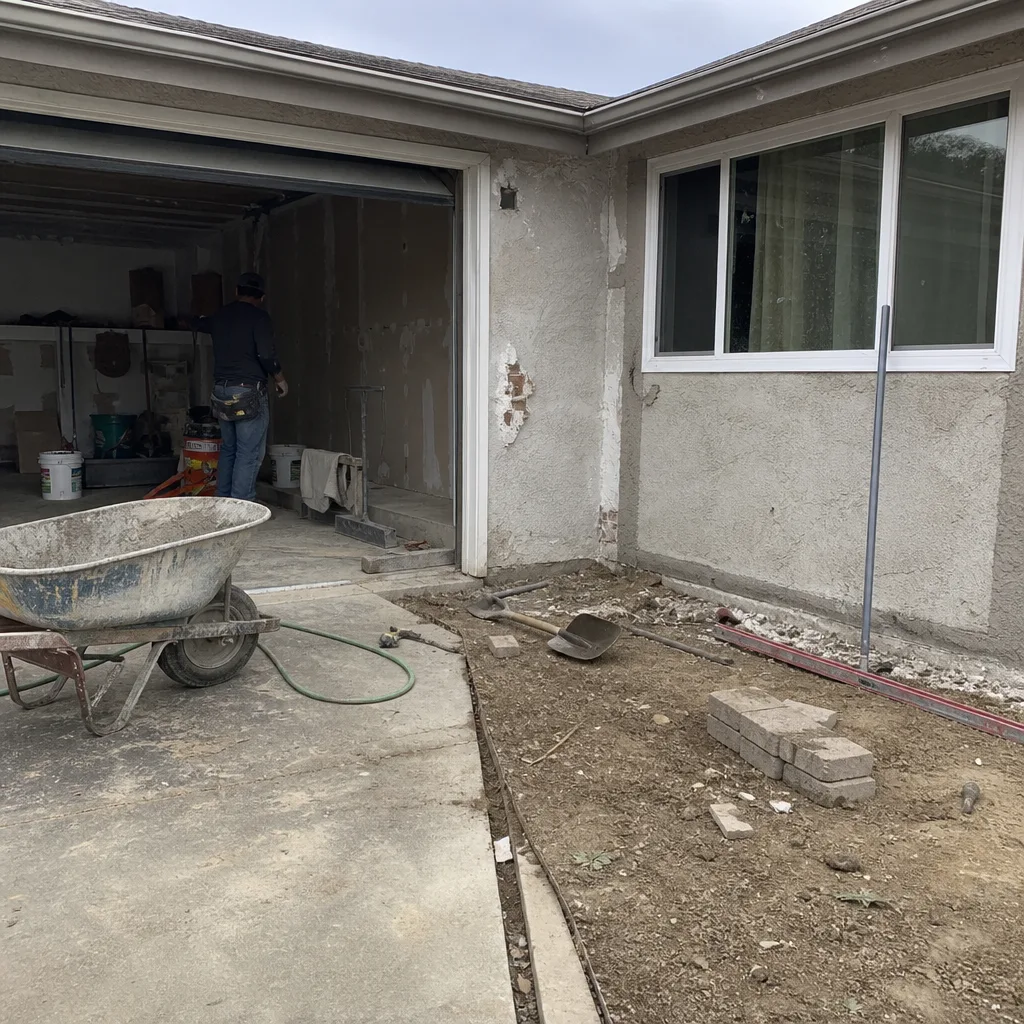 Before
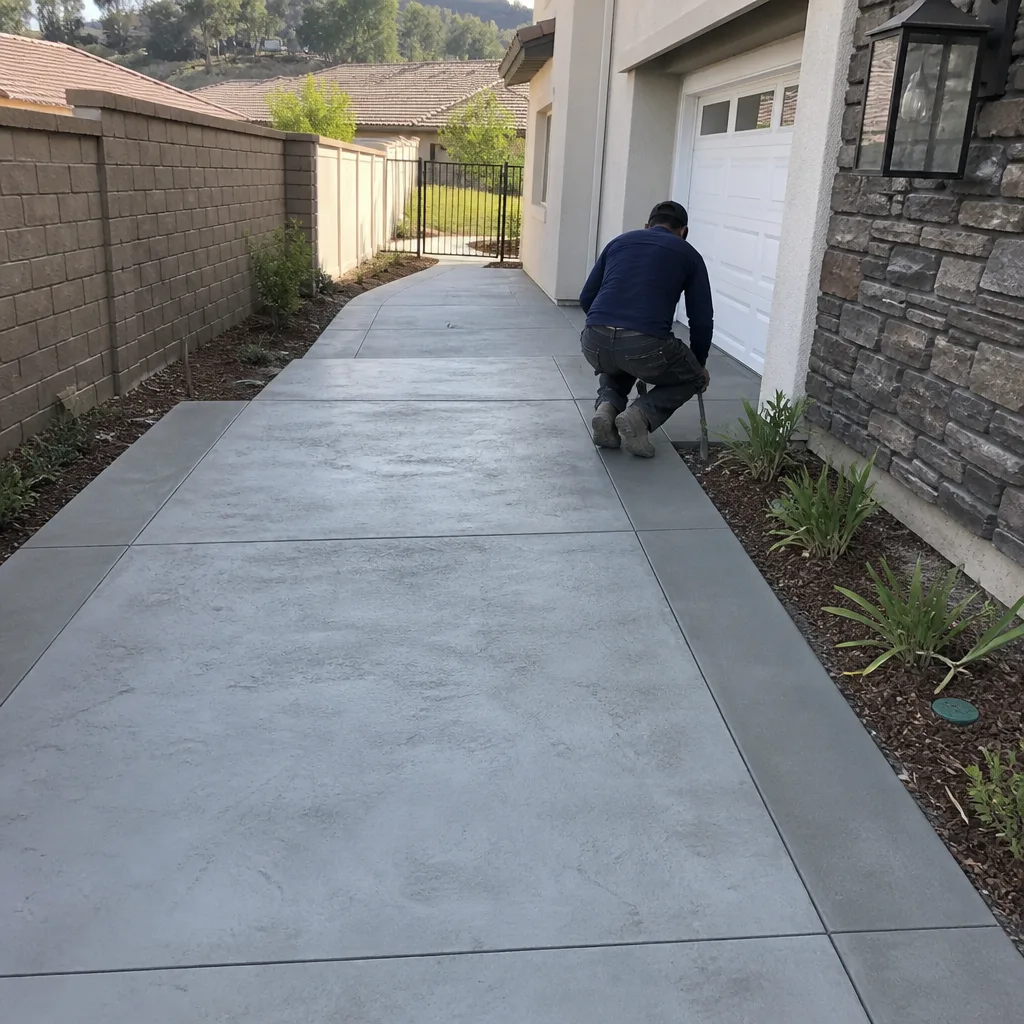 After
After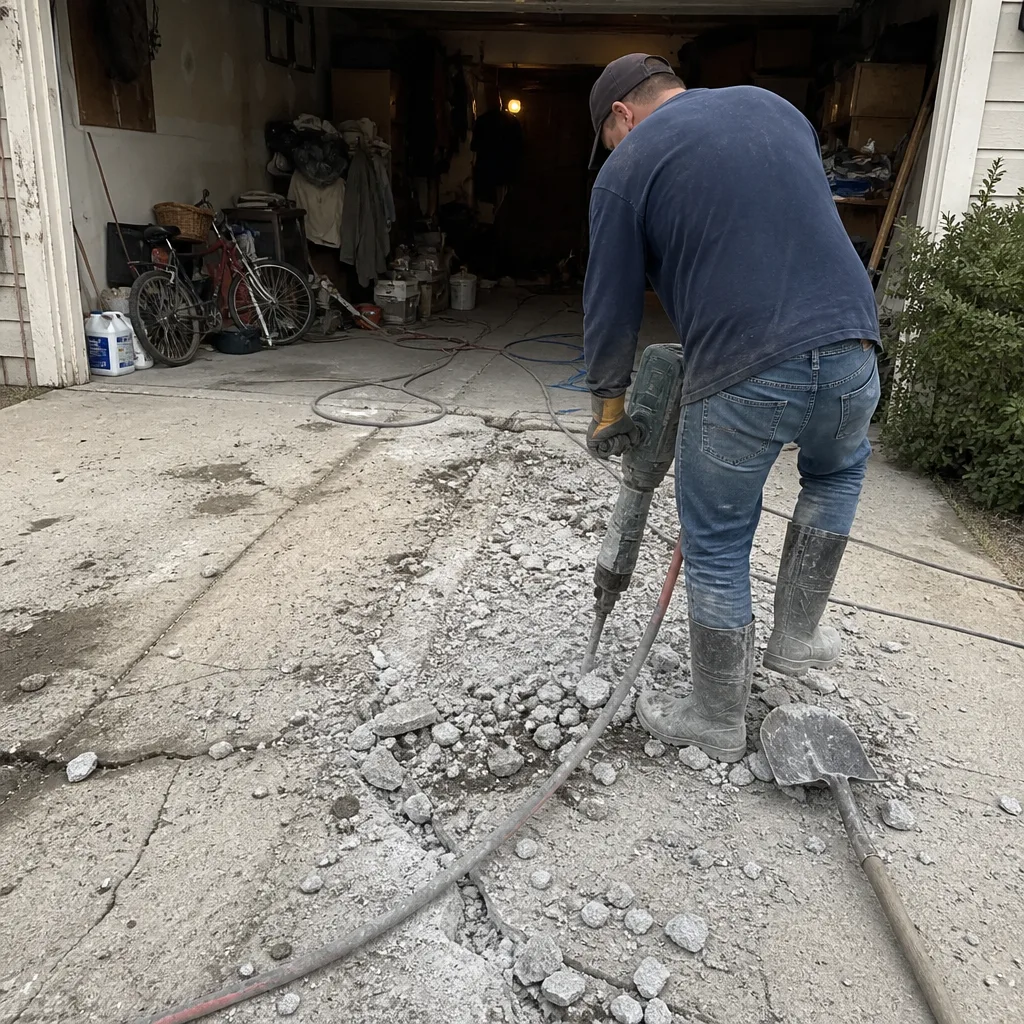 Before
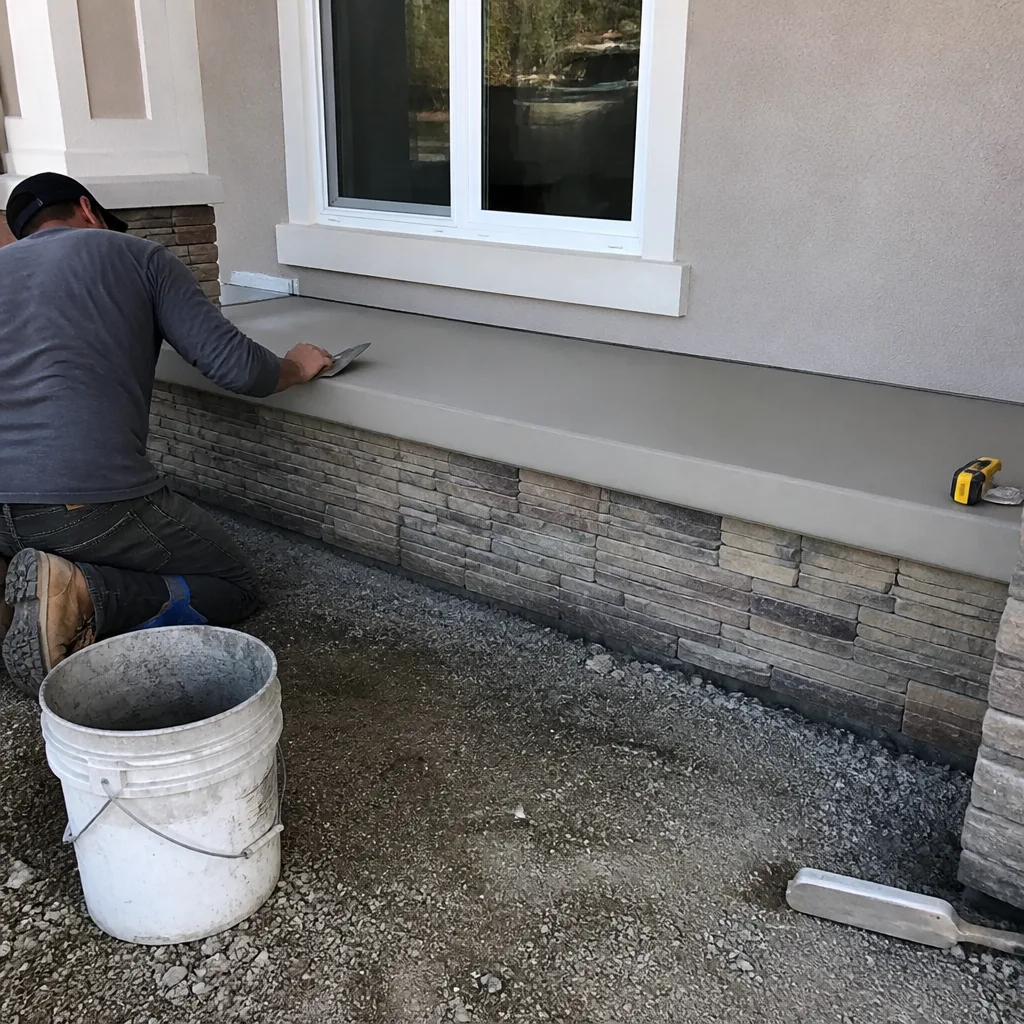 After
After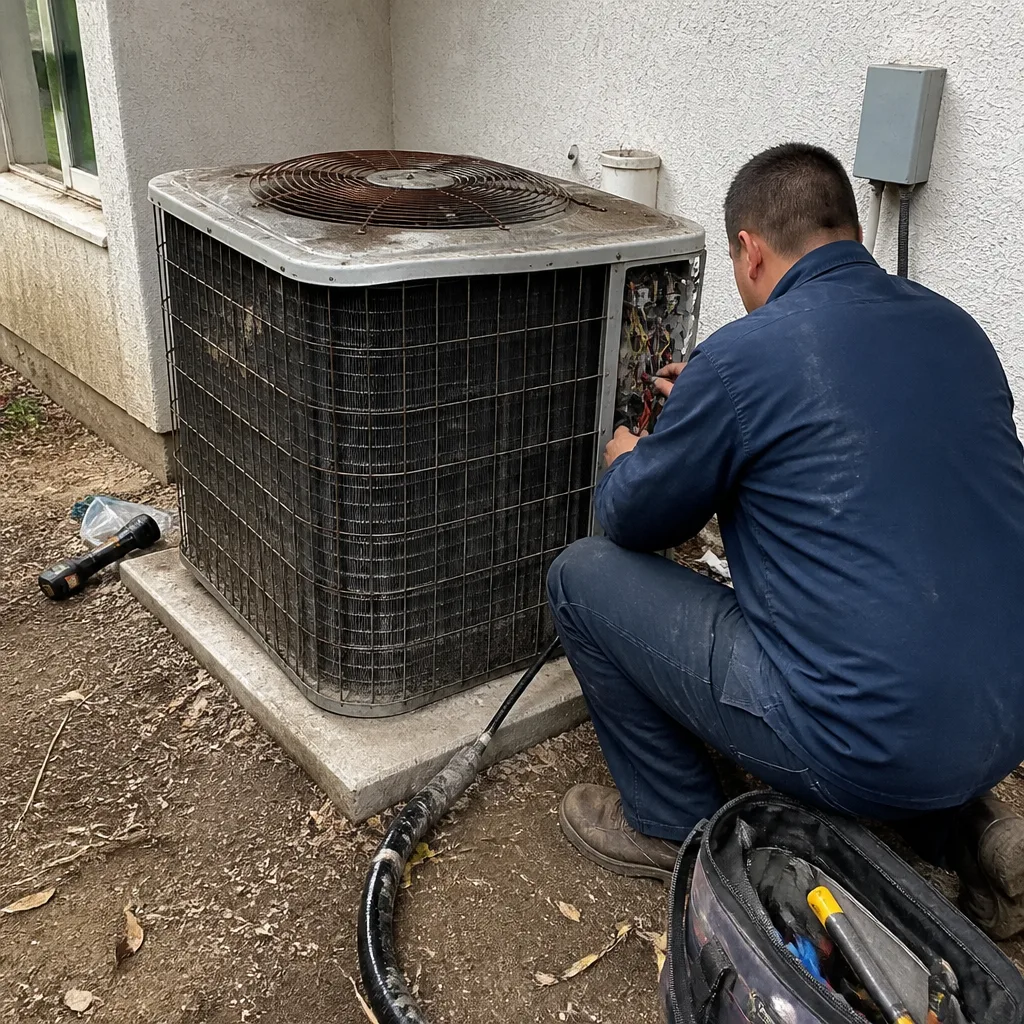 Before
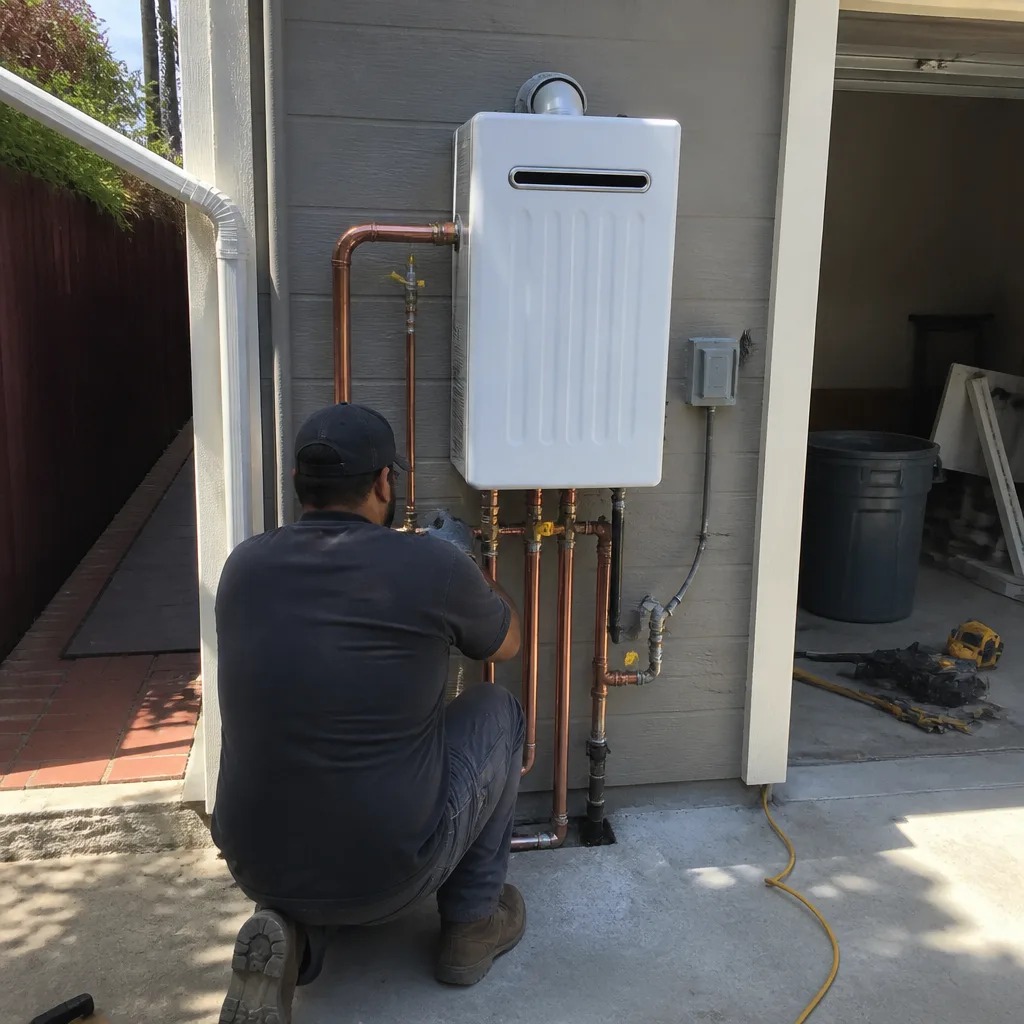 After
AfterWhen to Call a Professional
Any project that involves structural changes, plumbing relocation, electrical panel work, gas lines, or new construction is a project you should not self-permit unless you have real experience with the California building code-read our DIY vs Professional Construction: The Santa Clarita Homeowner’s Decision Guide to help decide. The code is complicated, the local amendments add another layer, and the fire zone overlays in Santa Clarita make it genuinely easy to get something wrong. High-tension work like structural framing modifications and electrical panel changes carries real safety risk. A trained professional knows the code, knows the inspection triggers, and has seen enough re-inspections to avoid the common ones. Sawyer Remodel Santa Clarita offers free estimates in Santa Clarita, call (661) 592-1977. If you’re in the early planning stages or you’ve discovered unpermitted work on a property you own or are buying, we’re happy to walk through the scope and the likely permit path before you commit to anything.
Frequently Asked Questions
Building permit fees in Santa Clarita range from about $150 for a simple water heater swap to $20,000 or more for a detached ADU when you include school and utility fees. A typical bathroom remodel with plumbing relocation falls between $800 and $2,500 in city permit fees. For an exact quote on your project, call (661) 592-1977 and we’ll scope it.
If you remodel without a permit, you may face penalty fees, retroactive permitting costs, and disclosure obligations when you sell. The work itself may be perfectly fine, but the lack of a permit record creates liability for you and a financing obstacle for future buyers. Insurance claims related to unpermitted work can also be denied.
Yes, you can sell a house with unpermitted work, but you must disclose it. California law requires sellers to disclose known material facts, and unpermitted work is material. Many buyers will still proceed, but they’ll factor the cost of permitting or correcting the work into their offer. Getting the work retroactively permitted before listing often nets a higher sale price.
Over-the-counter permits like water heater replacements and electrical panel upgrades can be issued same-day. Plan check for a bathroom or kitchen remodel typically takes one to four weeks. ADUs and room additions can take two to four months depending on plan check workload and correction cycles.
A Fire Hazard Severity Zone is a Cal Fire designation based on terrain, fuel, and fire history that triggers additional construction requirements under Chapter 7A of the CBC. You can check your property’s status on Cal Fire’s online FHSZ viewer. Many parts of Canyon Country, Saugus, and Newhall in Santa Clarita fall into High or Very High zones.
Replacing countertops without moving plumbing, gas, or electrical connections does not require a permit in Santa Clarita. If you’re moving a sink or changing the location of a gas range, a permit is required. The countertop itself is cosmetic; the connections behind it are not.
The 365-Day Done Right Promise is Sawyer Remodel Santa Clarita’s written guarantee: if work isn’t done right within a year of project completion, we make it right. It’s included on every project, not something you have to request. The guarantee is backed in writing and covers workmanship defects that surface after the project closes.
The Bottom Line
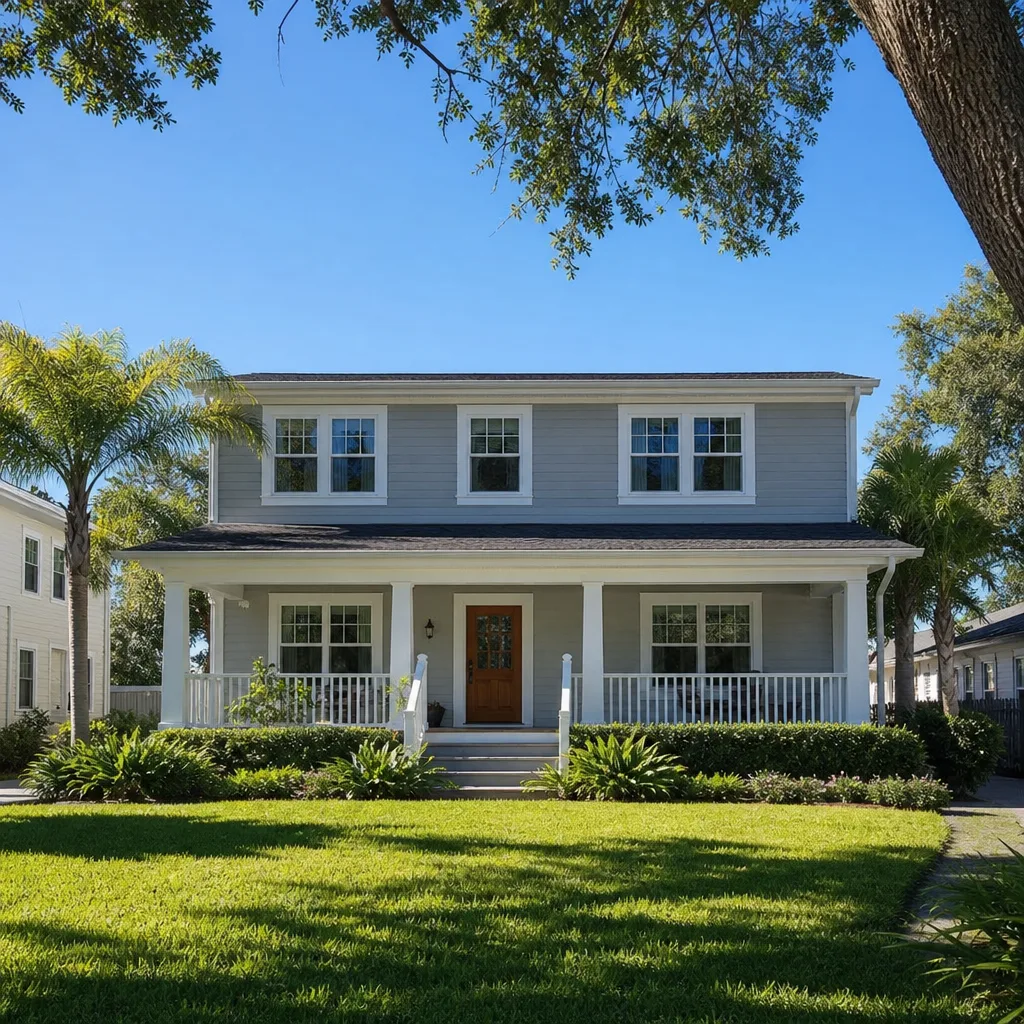
California’s permit system is stacked: the statewide CBC, local amendments in Santa Clarita, and fire hazard overlays that can change everything. The homeowner who understands the stack before they start work avoids fines, failed inspections, and projects that can’t be sold. Permits are not bureaucracy standing between you and your remodel. They’re the record that protects your equity, your insurance coverage, and your ability to sell when the time comes. When in doubt, pull the permit. When the scope is structural, electrical, or plumbing-related, hire someone who does this every day. The savings from skipping permits are real, but they’re a fraction of what it costs to fix the problem later.
Written by Luca Romano, Owner at Sawyer Remodel Santa Clarita, serving Santa Clarita since 2005.