Last updated October 16, 2026
Free written scope consultation - allowances, timeline, and change-order rules on paper before a single trade is scheduled
Construction Cost Breakdown: The Santa Clarita Homeowner’s Reference for 2026
A national cost estimator will tell you a bathroom remodel runs $10,000 to $15,000. In Santa Clarita in 2026, that number is closer to $18,000 to $28,000, and the gap is not contractor greed. It is LA County labor rates, CalFire-compliant material requirements, and a permit fee schedule that charges by project valuation. Most homeowners walk into a remodel with national numbers in their head and get blindsided when local bids come in 30 to 50 percent higher. This guide breaks down exactly where the money goes in a Santa Clarita construction project so you can budget accurately, spot a lowball bid before it becomes a nightmare, and negotiate from a position of knowledge. For more guides & resources on local remodeling, see our blog. You will learn current trade labor rates in the SCV, how permit fees scale with your project’s value, what fire-zone compliance adds to material costs, and how to time your project to avoid the worst of 2026’s surge pricing.
If you are planning a remodel, start with our Sawyer Remodel Santa Clarita home page to see how we approach pricing and project management differently.
Quick Answer
Construction costs in Santa Clarita in 2026 run 20 to 40 percent above national averages, driven by LA County journeyman labor rates ($65 to $110 per hour depending on trade), permit fees calculated as a percentage of project valuation (typically 1.5 to 4 percent), and CalFire Wildland-Urban Interface code requirements that add $3 to $12 per square foot for fire-resistant materials. A midrange bathroom remodel costs $18,000 to $28,000, a kitchen runs $35,000 to $65,000, and an ADU starts around $225,000. Homeowners should budget labor at 40 to 50 percent of total cost, materials at 30 to 40 percent, permits and fees at 5 to 10 percent, and contractor overhead and margin at 15 to 25 percent.
Styles & brands we work with
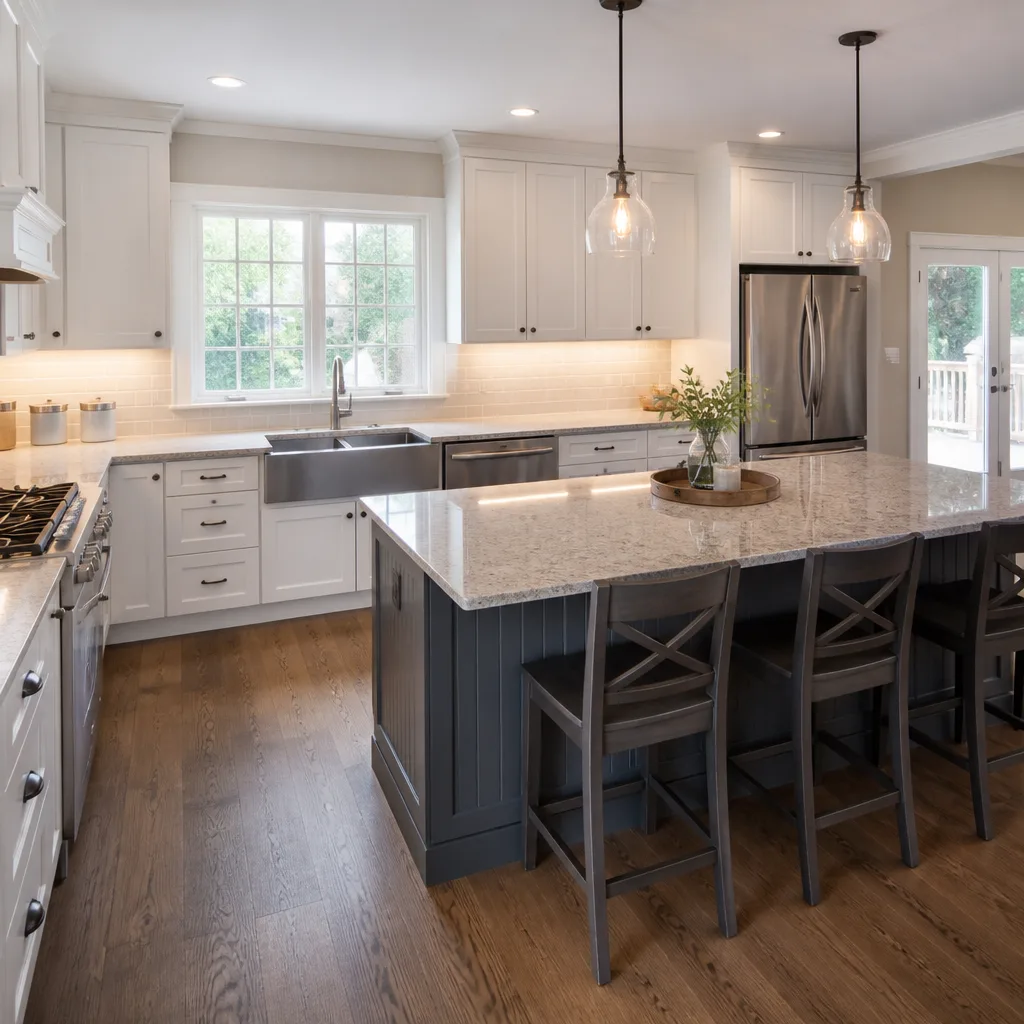
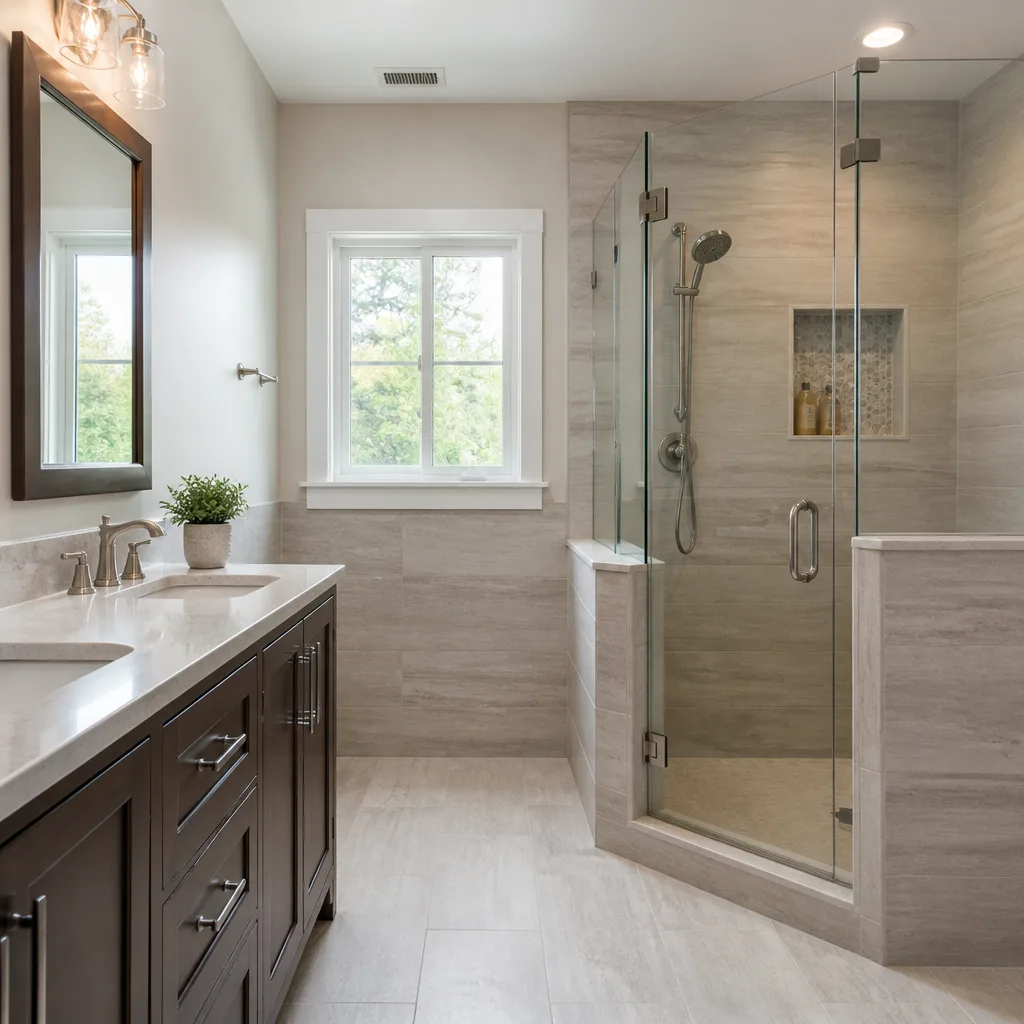
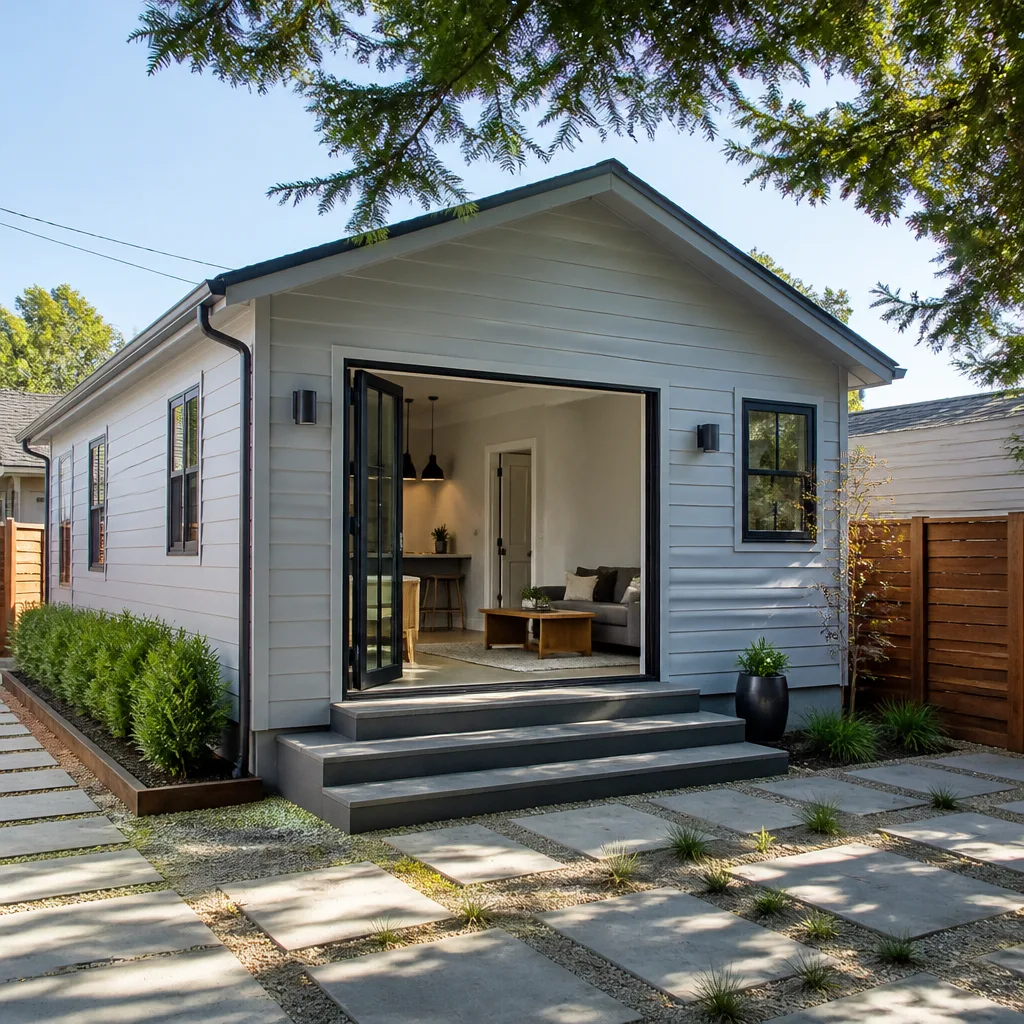
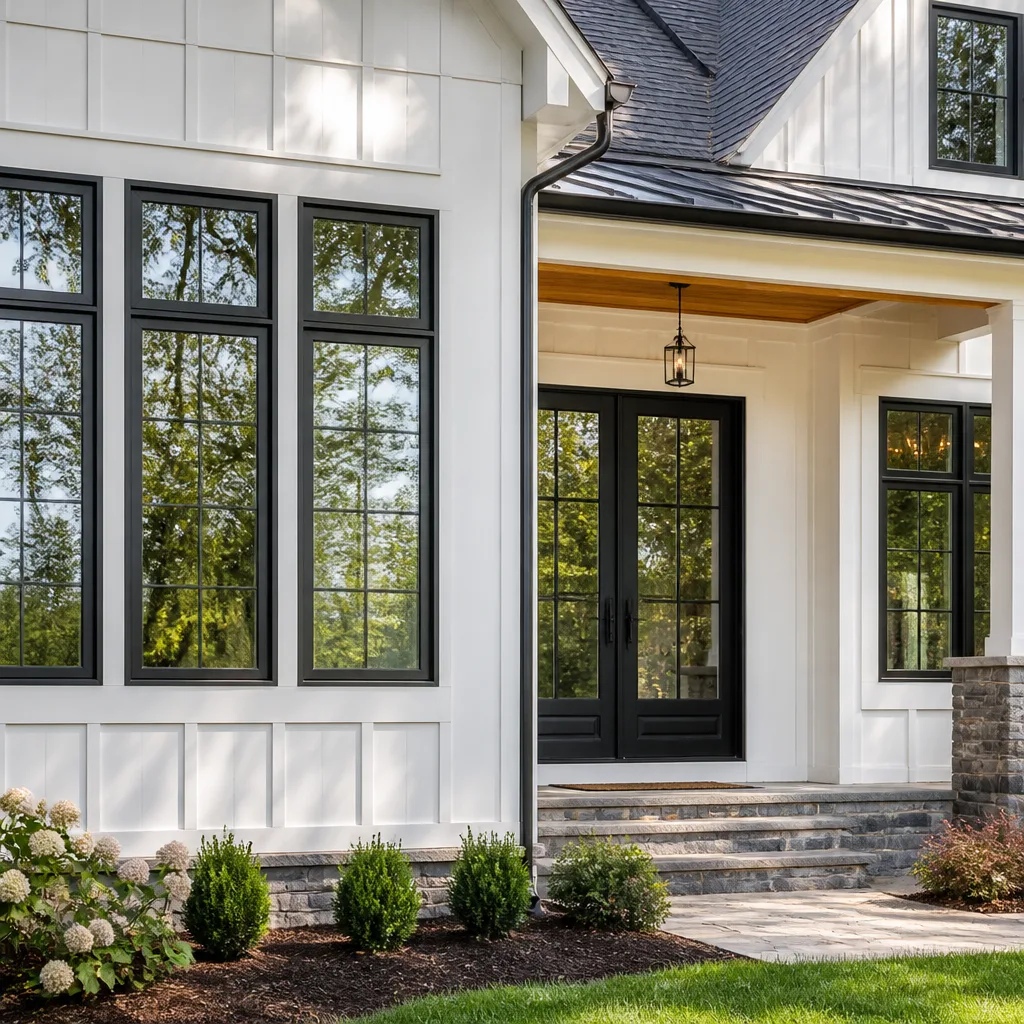
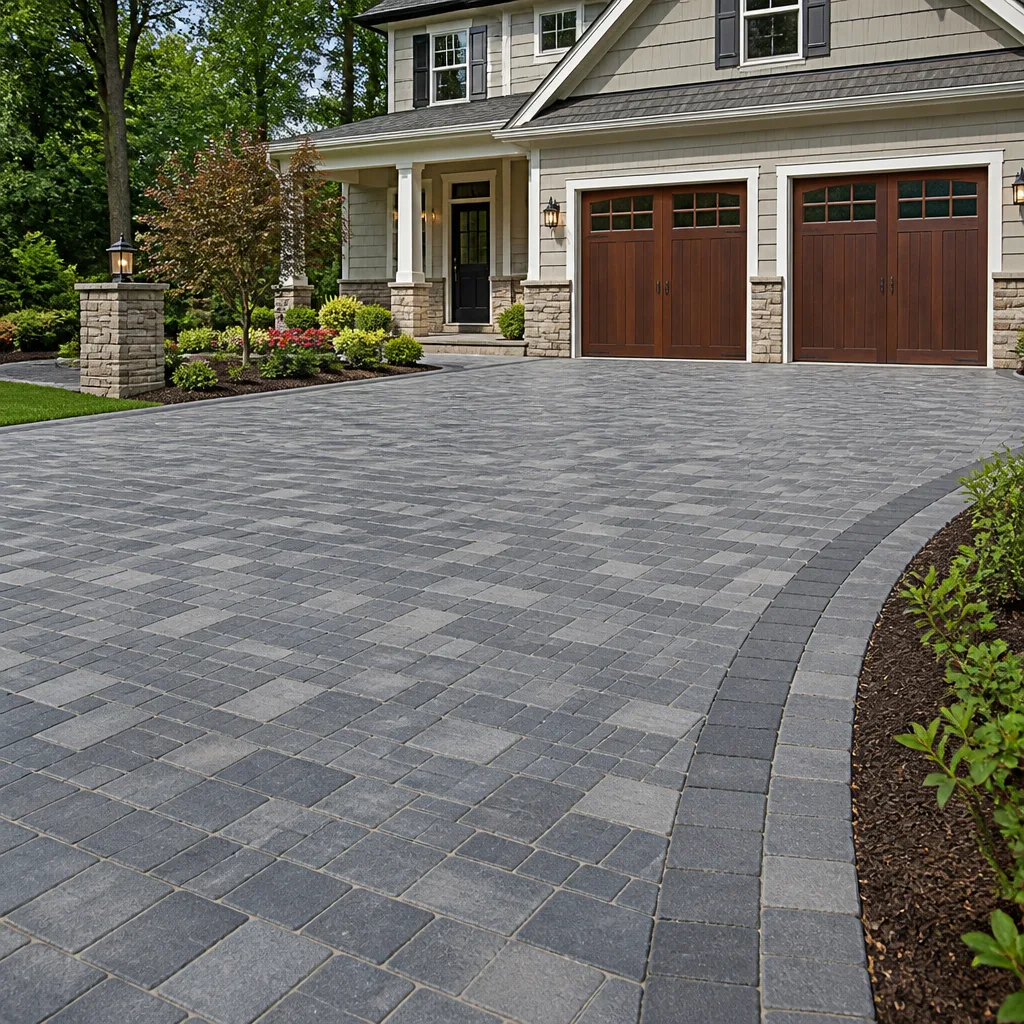
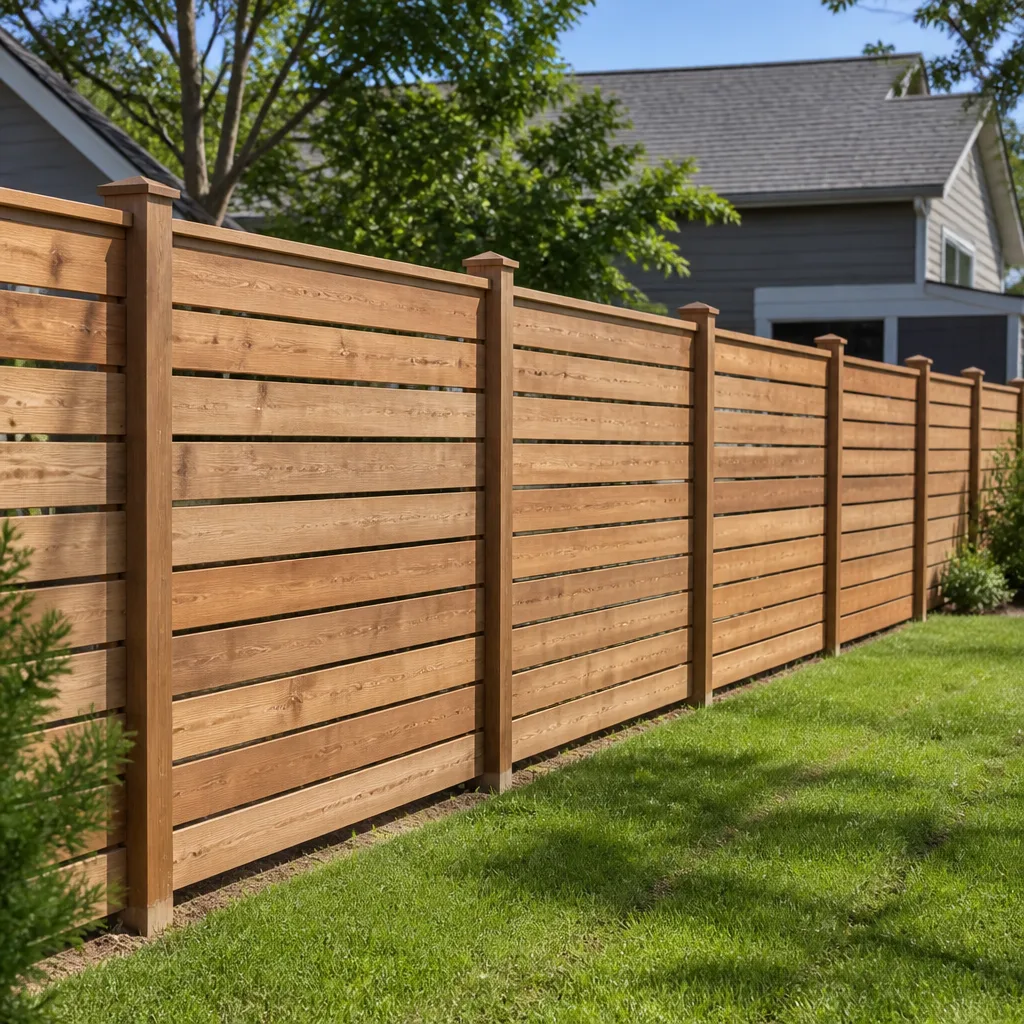
Table of Contents
- Santa Clarita Labor Rates by Trade: What Journeymen Actually Charge in 2026
- How Santa Clarita Permit Fees Work (And What They Add to Your Project)
- Fire Hazard Zone Compliance: The Hidden Material Cost Most Estimates Miss
- The Real Cost Structure of a Remodel: Where Every Dollar Goes
- What Common Santa Clarita Projects Cost in 2026
- What Is Driving 2026 Cost Increases in the SCV
- How to Time Your Santa Clarita Project to Avoid Surge Pricing
- How to Spot a Lowball Bid Before It Costs You
Santa Clarita Labor Rates by Trade: What Journeymen Actually Charge in 2026
Labor is the single largest line item in any Santa Clarita remodel, and the spread between a low-bid sub and a licensed journeyman is wider than most homeowners realize. In 2026, general contractor labor in the SCV runs $65 to $95 per hour for licensed, insured crews. Framing carpenters charge $70 to $100 per hour. Licensed electricians run $85 to $120 per hour, with a $150 to $250 minimum trip charge baked into most bids. Plumbers are slightly higher at $90 to $130 per hour because Santa Clarita’s older housing stock in Valencia and Canyon Country frequently needs supply line and drain replacement rather than simple fixture swaps. Tile setters who actually waterproof correctly, rather than laying directly on cement board, run $60 to $90 per hour or $12 to $18 per square foot depending on tile size and pattern complexity.
Here is what the spread looks like in real numbers for a typical 5-by-8 bathroom remodel:
- Low-bid sub crew: $8,000 to $10,000 in labor. No workers’ comp, no permit, no Schluter edge trim (the metal strip that waterproofs where your tile meets the floor), and no warranty to chase if the shower pan leaks in six months.
- Licensed journeyman crew: $14,000 to $18,000 in labor. Workers’ comp insurance, pull permits, use name-brand waterproofing systems like Schluter or Wedi, and stand behind the work.
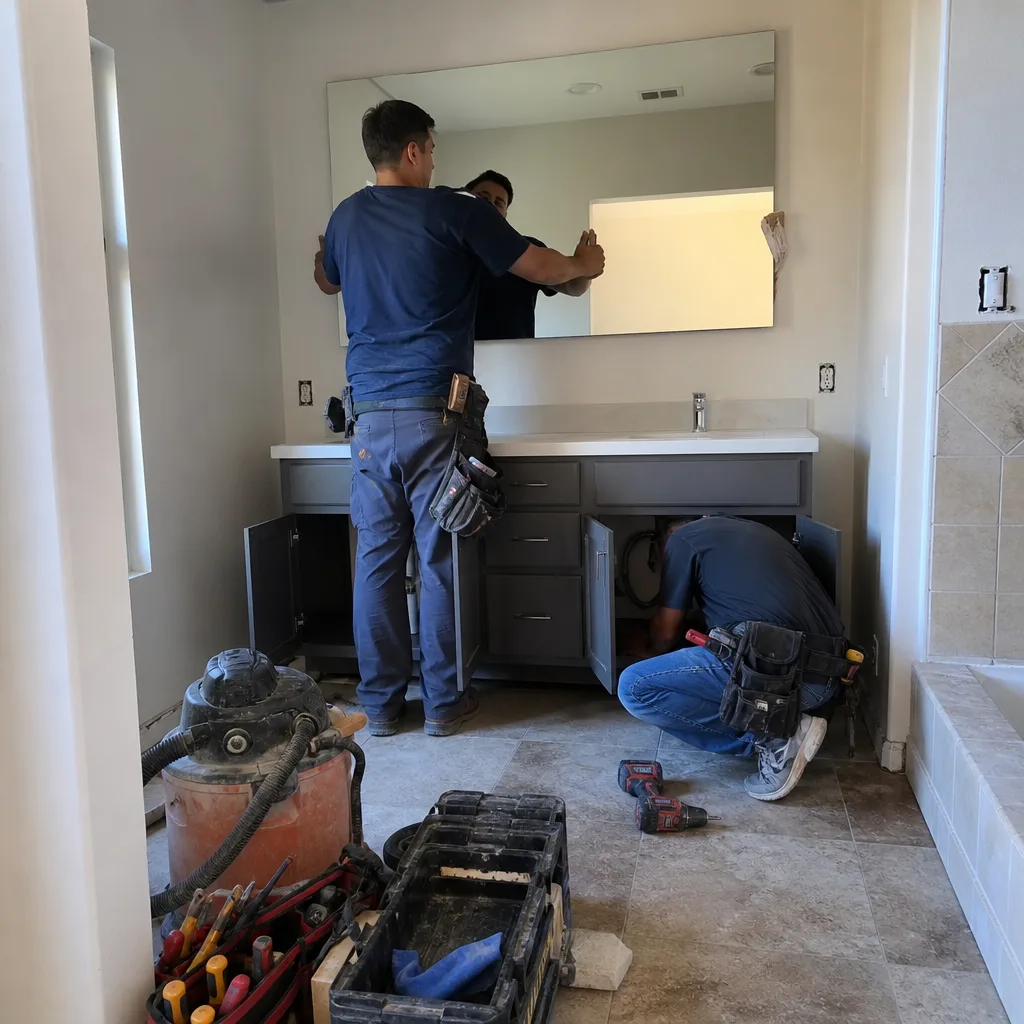
We have seen jobs in Saugus where a homeowner got a $9,000 labor bid, paid it, and then spent another $11,000 fixing a shower that leaked through the subfloor because the tile was set directly on greenboard. The cheapest labor in Santa Clarita almost never ends up being the cheapest project. That is not a pitch, it is math.
One factor specific to the SCV: the commute. Subs coming up from San Fernando Valley or down from Palmdale often build travel time into their bids. A licensed Santa Clarita crew that works primarily in the valley does not carry that travel surcharge, which is why local bids sometimes come in lower than valley companies you might expect to undercut them. When you compare bids, ask where the crew is based and whether travel is a line item. If you want a deeper look at how general contractor pricing works locally, see our General Contractor in Santa Clarita guide.
How Santa Clarita Permit Fees Work (And What They Add to Your Project)
Santa Clarita permit fees are not a flat rate. The city calculates them as a percentage of your project’s total valuation, which means the fee scales up as your budget grows. For full details, read our guide to Construction Permits, Codes & Inspections in CA: What You Need to Know. For most residential remodels, building permit fees in Santa Clarita run between 1.5 and 4 percent of project valuation, with electrical, plumbing, and mechanical permits often bundled or charged separately at $150 to $500 each depending on scope. A $20,000 bathroom remodel might carry $300 to $800 in permit fees. A $50,000 kitchen remodel runs $750 to $2,000. A $300,000 ADU can hit $5,000 to $12,000 in permit and impact fees before you have driven a single nail.
Here is how project valuation works, because this is where homeowners get surprised. The city does not care what you told your contractor the budget is. The valuation on the permit application reflects the fair market cost of the work, and if the building official thinks the number is too low, they adjust it up. That adjustment increases your permit fee on the spot.
What this means in practice:
- Get the permit valuation right the first time. Submit a realistic number. If your contractor lowballs the valuation to save you $200 in fees, the city can flag it, delay the permit, and ultimately charge you the corrected, higher fee anyway, plus the time you lost waiting.
- Ask whose name goes on the permit. If a contractor offers to do work without a permit to save you money, you are signing up for uninsurable work, a resale disclosure problem, and an inspection risk if a neighbor calls it in. Santa Clarita is a well-permitted city. Code enforcement does respond.
- Budget for plan check time. Depending on project size, plan review in Santa Clarita takes one to four weeks for interior remodels and longer for ADUs. That is calendar time, not cost, but it affects when crews can start and where material price locks land.
If you are planning a whole-home project, our Home Renovation in Santa Clarita page explains how we stage work to keep permits moving without stalling the rest of the project.
Fire Hazard Zone Compliance: The Hidden Material Cost Most Estimates Miss
Much of Santa Clarita sits inside a designated Wildland-Urban Interface (WUI) fire hazard zone, and in 2026 that designation carries specific material requirements that generic national cost data completely ignores. See our Construction Warning Signs: A Santa Clarita Homeowner’s Reference Guide for related red flags. CalFire and Santa Clarita building code require ember-resistant vents, ignition-resistant exterior cladding in certain zones, and tempered glass or dual-pane windows with fire-rated frames in high-severity areas. These are not optional upgrades. If your property is in the WUI, they are code.
What that adds per square foot:
- Ember-resistant vents: $15 to $40 per vent versus $8 to $12 for standard soffit vents. A full exterior remodel might replace 10 to 20 vents.
- Ignition-resistant exterior cladding: fiber cement siding from James Hardie or fire-rated stucco adds $3 to $8 per square foot compared to standard wood lap or T1-11 siding. On a 1,800-square-foot exterior remodel, that is $5,400 to $14,400 in material uplift alone.
- Fire-rated decking and fencing within 5 feet of the structure: composite decking with a Class A flame spread rating runs $12 to $18 per square foot installed, roughly 30 percent above standard pressure-treated pine.
- Dual-pane tempered windows in high-severity zones: $600 to $1,200 per window versus $350 to $700 for standard dual-pane. A whole-house window replacement in Valencia can add $6,000 to $12,000 before you touch labor.
In our experience, the single most common estimate gap we see in Santa Clarita is on exterior remodels where a national or online estimator did not flag WUI requirements. The homeowner approves a $40,000 siding budget built on standard materials, then the compliant bid comes in at $52,000 and everyone is frustrated. The bid was never wrong. The first estimate simply ignored the code that applies to the actual address. If you are comparing bids, ask every contractor whether the property sits in the WUI and whether their material line items reflect that. A contractor who says “we will figure that out during the job” is telling you the price will change after you sign. For exterior and whole-home work, the fire-zone question is not a detail, it is the number. Our Home Renovation in Santa Clarita page walks through how we handle WUI compliance on projects like this.
The Real Cost Structure of a Remodel: Where Every Dollar Goes
Every remodel bid in Santa Clarita, anywhere in Los Angeles County, breaks down into four buckets: labor, materials, permits and fees, and contractor overhead and margin. Understanding the normal ranges for each bucket is the fastest way to spot a bid that is missing something, because missing line items do not disappear. They show up as change orders later.
Here is the structure on a typical $30,000 project in Santa Clarita in 2026:
- Labor: 40 to 50 percent ($12,000 to $15,000). This covers skilled trades, crew foreman time, and jobsite supervision. If a bid shows labor under 35 percent, the contractor is either underpaying subs (which means you get the bottom of the labor pool), self-performing with uninsured labor, or planning to make it up in change orders.
- Materials: 30 to 40 percent ($9,000 to $12,000). This includes all rough and finish materials, from lumber and drywall to tile, fixtures, and countertops. With Santa Clarita’s WUI requirements, exterior projects skew toward the high end of this range.
- Permits and fees: 5 to 10 percent ($1,500 to $3,000). Building permit, plan check, and trade permits as covered above. Every legitimate Santa Clarita remodel carries this line. A bid with no permit line is either unpermitted or the contractor is absorbing it and will add it back elsewhere.
- Overhead and margin: 15 to 25 percent ($4,500 to $7,500). This covers workers’ comp insurance, general liability, vehicle costs, office staff, and the contractor’s profit. Contractors who quote 10 percent overhead are either running uninsured or they are losing money, and neither one finishes your project well.
Now here is the test. Take any bid you receive in Santa Clarita and add up those four buckets. If the numbers do not land inside these ranges, ask the contractor to explain why. The answer will be honest, evasive, or silent. Two of those three answers tell you everything you need to know. At Sawyer Remodel Santa Clarita, we put our price in writing before any work starts, which is the whole point of The Relay Standard: live arrival time, photo updates, a written price, and a digital invoice you pay from a link. No surprises at the door.
What Common Santa Clarita Projects Cost in 2026
Here are the real ranges we see in the SCV market right now, not national averages. These are turnkey numbers including labor, materials, permits, and contractor margin. Your specific project will land somewhere inside these ranges depending on square footage, material grade, and whether the house is in a fire hazard zone.
- Guest bathroom remodel (40 to 60 square feet): $16,000 to $24,000. Builder-grade tile, a new vanity, a tub or shower refresh, and new fixtures from Kohler or Moen.
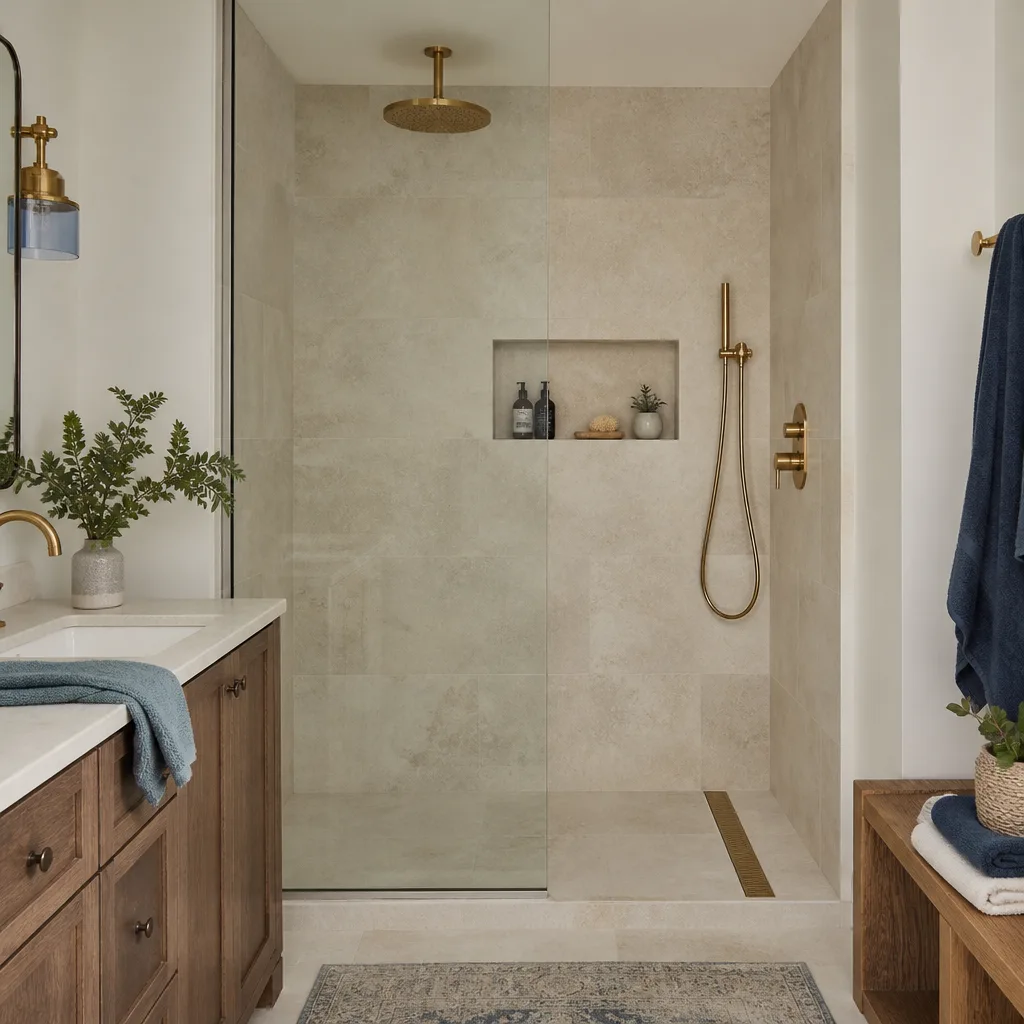
- Primary bathroom remodel (80 to 120 square feet): $28,000 to $48,000. Walk-in shower with a Schluter waterproofing system, double vanity, quartz countertops, heated floor if the subfloor allows, and upgraded lighting.
- Kitchen remodel (150 to 250 square feet): $35,000 to $65,000. Midrange cabinetry from KraftMaid or Wellborn, quartz or granite counters from Cambria or Caesarstone, new appliances, and tile backsplash. Full-custom kitchens in Valencia and Stevenson Ranch push $80,000 to $120,000.
- ADU (400 to 800 square feet): $225,000 to $350,000. Santa Clarita’s ADU permit fees and plan check requirements add 10 to 15 percent on top of comparable builds in less regulated markets. Prefab options like Abodu have entered the market and can trim timelines, but site work, foundation, and utility connections still run $40,000 to $80,000 before the unit arrives.
- Whole-home renovation (1,500 to 2,500 square feet): $150,000 to $350,000. Depends on scope, but if you are touching every room, the single biggest variable is whether you change the floor plan. Moving walls, relocating plumbing, and upgrading the electrical panel add $30,000 to $60,000 on their own.
If you want a deeper dive on bathroom pricing, see our Bathroom Remodeling in Santa Clarita page, which breaks down fixture grades and material options by price tier.
What Is Driving 2026 Cost Increases in the SCV
Santa Clarita construction costs in 2026 are not rising because contractors feel like charging more. There are structural forces at work, and understanding them helps you time your project and set a realistic budget from the start.
The three biggest drivers right now:
- Post-Eaton-fire material demand. The Eaton fire burned over 9,000 structures in Altadena and Pasadena. That scale of reconstruction pulls drywall, lumber, roofing, windows, and labor out of the LA County supply chain, and Santa Clarita bids against that demand. Lumber prices in the SCV are running 15 to 25 percent above pre-fire levels. Roofing materials from GAF and Owens Corning are on allocation with some distributors, meaning custom orders take three to six weeks instead of one. If your project needs trusses, engineered lumber, or specialty windows, expect lead times to be the thing that drives your start date.
- Contractor availability. Licensed, insured general contractors in Santa Clarita are booked out two to four months for mid-size remodels. The crews chasing fire reconstruction work are not available for your bathroom remodel, and the crews that are available are pricing to the market. This is not a bubble. It is a supply-constrained labor market, and it will not correct in 2026.
- Fire-code material requirements. As covered above, WUI compliance adds real cost per square foot. CalFire tightened its Wildland-Urban Interface building standards in 2025 and Santa Clarita enforces them on new construction, additions, and exterior remodels. Material brands like James Hardie for siding and Cover for prefabricated exterior panels have become the default specs in high-severity zones, and those products carry a premium over the wood-based materials they replace.
What does this mean for your budget? If you priced a project in 2024 and are re-pricing it in 2026, add 15 to 20 percent across the board before you even talk to a contractor. Anything less and you are budgeting against a market that no longer exists.
How to Time Your Santa Clarita Project to Avoid Surge Pricing
You cannot control the Eaton fire rebuild, but you can control when your Santa Clarita project starts, and timing moves the number more than most homeowners realize.
- Book in late fall, build in January and February. Contractor demand in the SCV drops after the holidays and picks up in March. A project that starts in January often prices 5 to 10 percent lower than the same project starting in May, simply because crews have open calendar days and will sharpen their numbers to fill them.
- Avoid the May to August window if you can. Santa Clarita summer is the peak season for exterior work, roofing, and additions, and every contractor is booked. You will pay peak labor rates and wait longer for material deliveries. If you must build in summer, lock your material pricing in writing before you sign, because sheet goods and lumber prices move during fire season.
- Interior remodels are the most flexible. Kitchen and bathroom work is mostly weather-independent, which means you have more bidding leverage. Get three bids, tell each contractor you are comparing, and watch how fast the sharpening happens. The written price is where the real negotiation lives, not in haggling after the bid.
- Buy materials early if you have storage. If you know you are remodeling in the fall, buy tile, fixtures, and countertops in the spring or summer when you see pricing you like. Material costs only went one direction in 2025, and 2026 shows no sign of reversing. Locking material costs early is the cheapest insurance you can buy on a Santa Clarita remodel.
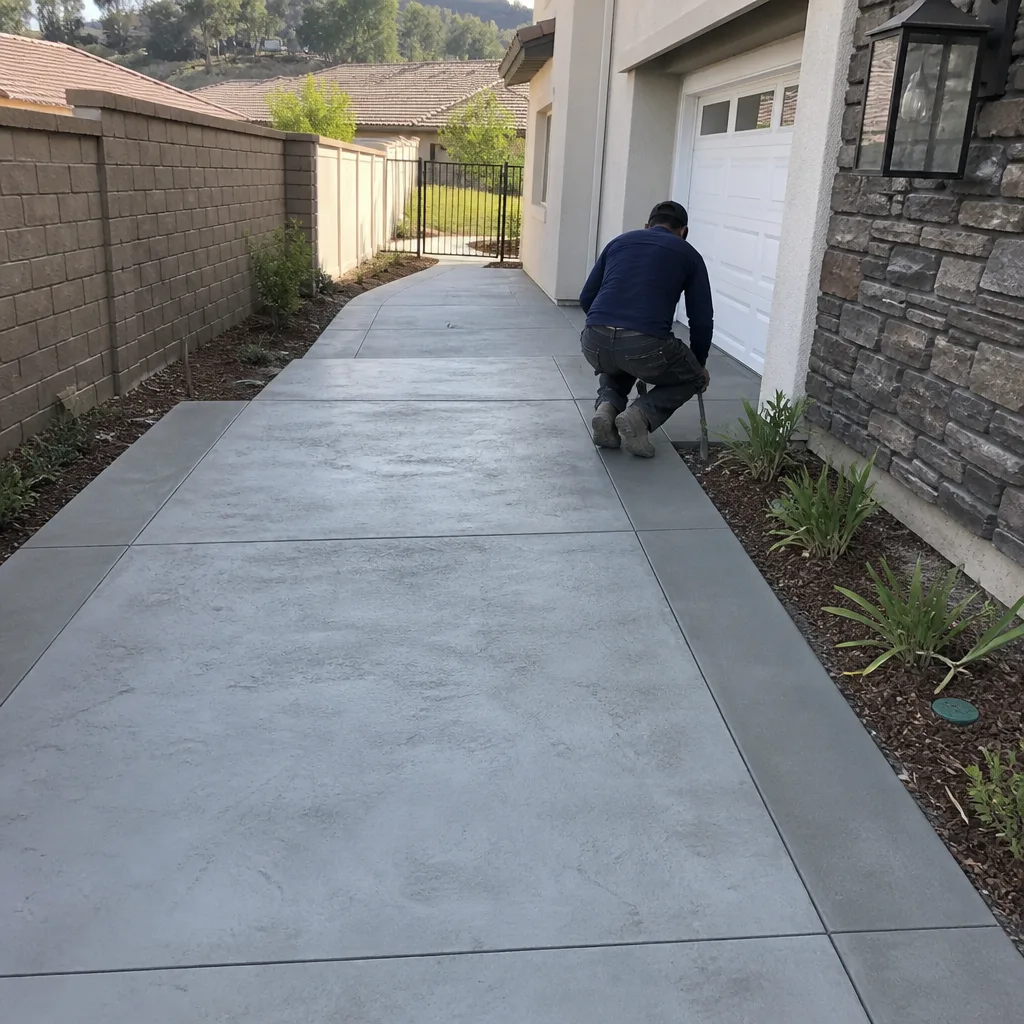
One more timing note for the DIY-inclined: small concrete projects like walkway pads and post footings are very achievable for a competent homeowner in Santa Clarita’s dry climate. Before tackling anything larger, check our DIY vs Professional Construction: The Santa Clarita Homeowner’s Decision Guide. Quikrete and Sakrete both make bagged mixes you can pick up at any Santa Clarita home center, and the dry heat actually helps concrete cure strong, provided you keep it damp for the first few days. That said, anything structural, anything that carries water, and anything that touches the building envelope is contractor territory. The savings on a bad concrete pour evaporate fast when the pad cracks in a year and you are renting a jackhammer.
How to Spot a Lowball Bid Before It Costs You
In a market where Santa Clarita construction costs are rising, the lowball bid becomes more dangerous, not more attractive. A contractor who quotes 30 percent below the market is not cheating the market. They are cheating someone, and it is usually the homeowner on the back end of the job.
Here is what a lowball bid looks like in the SCV, and how to read it:
- No permit line. If the bid does not mention permits, the contractor is either planning unpermitted work or planning to add the fee as a surprise. Either way, you own the liability. Santa Clarita is not the market to test that.
- Labor under 35 percent of the total. That means the crew is uninsured, underpaid, or the contractor is planning to self-perform work they are not licensed for. All three end the same way.
- Vague material specs. “Tile, shower system, vanity” is not a spec. A real bid names brands and models: Schluter Kerdi waterproofing, Kohler Purist fixtures, a KraftMaid vanity with soft-close drawers. Vague specs are a blank check for the contractor to buy the cheapest version of everything and keep the difference.
- No workers’ comp certificate. In California, this is not optional. If a worker gets hurt on your property and the contractor has no workers’ comp, you can be sued as the property owner. Ask for the certificate before you sign anything.
- The price is good for 30 days, but the project starts in 90. Material prices in 2026 are moving. A bid with a short validity window that expires before the project starts is a bid designed to be renegotiated. Get the pricing locked to the start date in writing.
The test we recommend to every Santa Clarita homeowner: get three bids, throw out the lowest one, and see if the other two are within 10 percent of each other. If they are, you are looking at the real market price. If the spread is wider than that, someone is missing something. The Relay Visibility Guarantee exists so that you never have to guess which line item is the lie. You see the written price before work starts, you see the live arrival time, and you see the photo updates before and after. That is the standard.
Common Mistakes to Avoid
- Budgeting with national averages. National estimators do not know about LA County labor rates, Santa Clarita permit fees, or WUI fire code. Your $12,000 bathroom is a $22,000 bathroom before you have signed anything. Build your budget from local numbers, not national ones.
- Hiring the lowest bid without reading the line items. The low bid in Santa Clarita is usually missing permits, insurance, waterproofing, or all three. You are not saving 20 percent. You are deferring 40 percent.
- Ignoring the fire hazard zone question. If your property is in the WUI and your bid does not reflect fire-rated materials, the price is wrong. Ask every contractor to confirm the zone and the material spec in writing.
- Starting a major remodel in peak season without locked pricing. May through August is the worst window for exterior work in the SCV. If you must build then, get material pricing locked in writing before you sign the contract.
- Not asking whose name goes on the permit. If the contractor puts the permit in your name, you are the legally responsible party for code compliance and liability. Your contractor’s name belongs on the permit. That is their license on the line, which is exactly where it should be.
- Assuming tile is waterproof. Tile and grout are not waterproofing. The waterproofing layer lives behind the tile, and in Santa Clarita’s newer construction, the standard is Schluter or Wedi board, not cement board. If your bid says “cement board shower walls” with no waterproofing membrane, the shower will leak. Not might. Will.
- Paying the full project cost upfront. California law caps the deposit on home improvement contracts at 10 percent of the total or $1,000, whichever is less. Any contractor asking for more is breaking the law before the job starts. That is all you need to know.
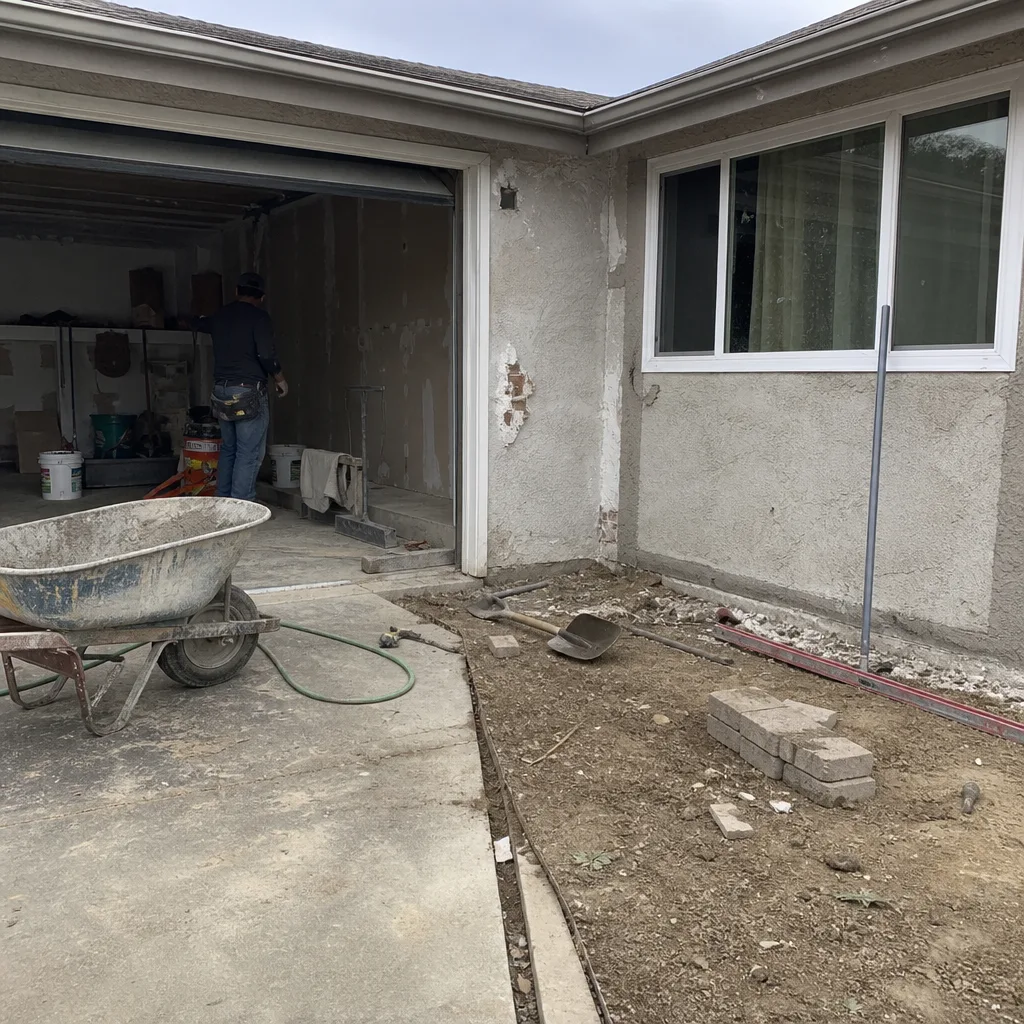
See the difference
 Before
 After
After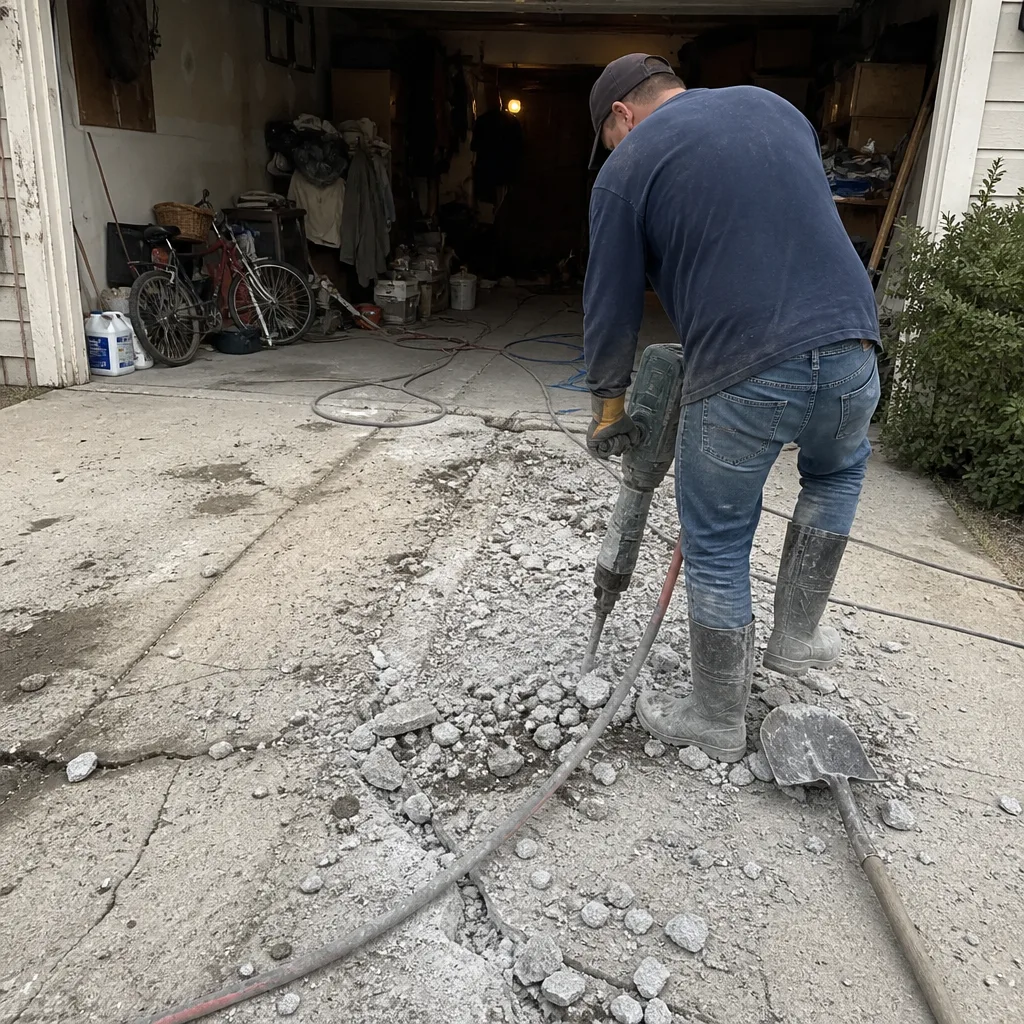 Before
 After
After Before
 After
AfterWhen to Call a Professional
Some projects are homeowner work, and some are not, and the line in Santa Clarita is fairly clear. You can paint, patch drywall, and pour small concrete pads yourself. You should not touch structural framing, electrical panels, gas lines, plumbing supply lines, or any work that requires a permit under Santa Clarita building code. The moment your project involves moving a wall, relocating a toilet, opening the electrical panel, or altering the building envelope in a fire zone, you need a licensed contractor. Structural and fire-safety work done wrong does not just fail. It fails dangerously, and it fails your resale inspection.
If you are planning a remodel in Santa Clarita and want a written price before any work starts, Sawyer Remodel Santa Clarita offers free estimates. Call (661) 592-1977 and we will walk the project with you, line by line.
Frequently Asked Questions
Midrange construction in Santa Clarita runs $150 to $300 per square foot depending on scope, with kitchens and bathrooms at the high end, additions in the middle, and ADUs starting around $280 per square foot. Fire-zone material requirements, permit fees, and LA County labor rates push SCV pricing 20 to 40 percent above national averages. Call (661) 592-1977 for a written line-item estimate on your specific project.
Three structural factors: LA County journeyman labor rates that run 30 to 50 percent above national pay, Santa Clarita permit fees calculated as 1.5 to 4 percent of project valuation, and CalFire Wildland-Urban Interface code requirements that add $3 to $12 per square foot in fire-rated materials on exterior work. The 2026 post-Eaton-fire rebuild is adding further pressure on material supply and contractor availability across LA County.
Santa Clarita calculates building permit fees as a percentage of project valuation, typically 1.5 to 4 percent, so a $30,000 remodel carries roughly $450 to $1,200 in building permit fees, with electrical, plumbing, and mechanical permits ranging from $150 to $500 each depending on scope. Plan check fees are additional. Your contractor’s bid should include a permit line item, and the permit should be in the contractor’s name, not yours.
If your property sits inside the CalFire Wildland-Urban Interface zone, which covers much of Santa Clarita, yes. Ember-resistant vents, ignition-resistant cladding, and fire-rated windows are code requirements on new construction, additions, and exterior remodels, not optional upgrades. The material uplift runs $3 to $12 per square foot depending on the product and the zone severity.
Add up the bid’s four cost buckets: labor should be 40 to 50 percent, materials 30 to 40 percent, permits and fees 5 to 10 percent, and overhead and margin 15 to 25 percent. If the numbers do not land in those ranges, or if there is no permit line at all, the bid is missing money that will come back as a change order. In Santa Clarita, a credible bathroom remodel does not happen for $10,000, no matter what a national estimator says.
January and February are the softest months for contractor demand in the SCV, and projects starting after the holidays often price 5 to 10 percent lower than the same project starting in May. Interior remodels like kitchens and bathrooms have the most bidding flexibility year-round. Exterior work in summer is peak demand, peak pricing, and peak wait times for materials. Call (661) 592-1977 to discuss timing and lock in written pricing before material costs move again.
The Bottom Line
Santa Clarita construction costs in 2026 are higher than national averages for reasons that are concrete, predictable, and mostly out of any single homeowner’s control. LA County labor rates, fire-code material requirements, and a permit fee structure tied to project valuation set the floor. The post-Eaton-fire rebuild sets the volatility. The homeowners who build successfully in this market are the ones who budget from local numbers, read bids line by line, ask about WUI compliance, and get their pricing locked in writing before work starts. The ones who chase the low bid end up paying twice. Sawyer Remodel Santa Clarita puts the price in writing before a single tool is picked up, and we stand behind the work for a full year with the 365-Day Done Right Promise. Call (661) 592-1977 for your free estimate, and you will know exactly where every dollar goes before you sign anything.
Written by Luca Romano, Owner at Sawyer Remodel Santa Clarita, serving Santa Clarita since 2005.