Last updated October 16, 2026
Free written scope consultation - allowances, timeline, and change-order rules on paper before a single trade is scheduled
The Complete Guide to Construction in Santa Clarita
Santa Clarita sits across three distinct permitting jurisdictions: the City of Santa Clarita, LA County unincorporated pockets, and CalFire-governed fire hazard zones. Most homeowners don’t find out which one they’re in until their project is already stalled. This guide gives you the city-specific framework to plan, budget, and execute any construction project without getting blindsided by the SCV’s unique mix of heat, HOA rules, and paperwork, with more guides & resources available on our blog.
Styles & brands we work with
Quick Answer
Construction in Santa Clarita requires knowing which of three permitting jurisdictions your address falls under, factoring fire-zone material requirements if you’re in Stevenson Ranch, Canyon Country, or Saugus hillsides, and budgeting for HOA approval timelines that run parallel to city permits. A typical bathroom remodel in Santa Clarita costs $18,000 to $45,000 depending on scope, while whole-home renovations run $150,000 to $400,000. Plan on 4 to 10 weeks for permitting and HOA sign-off before demo day ever happens.
Table of Contents
- How to Identify Your Santa Clarita Permitting Jurisdiction
- Fire Hazard Zones and What They Change About Your Materials
- The HOA Layer Most Contractors Don’t Warn You About
- How Summer Heat Windows Shape Construction Scheduling in the SCV
- A Realistic Santa Clarita Project Timeline, Phase by Phase
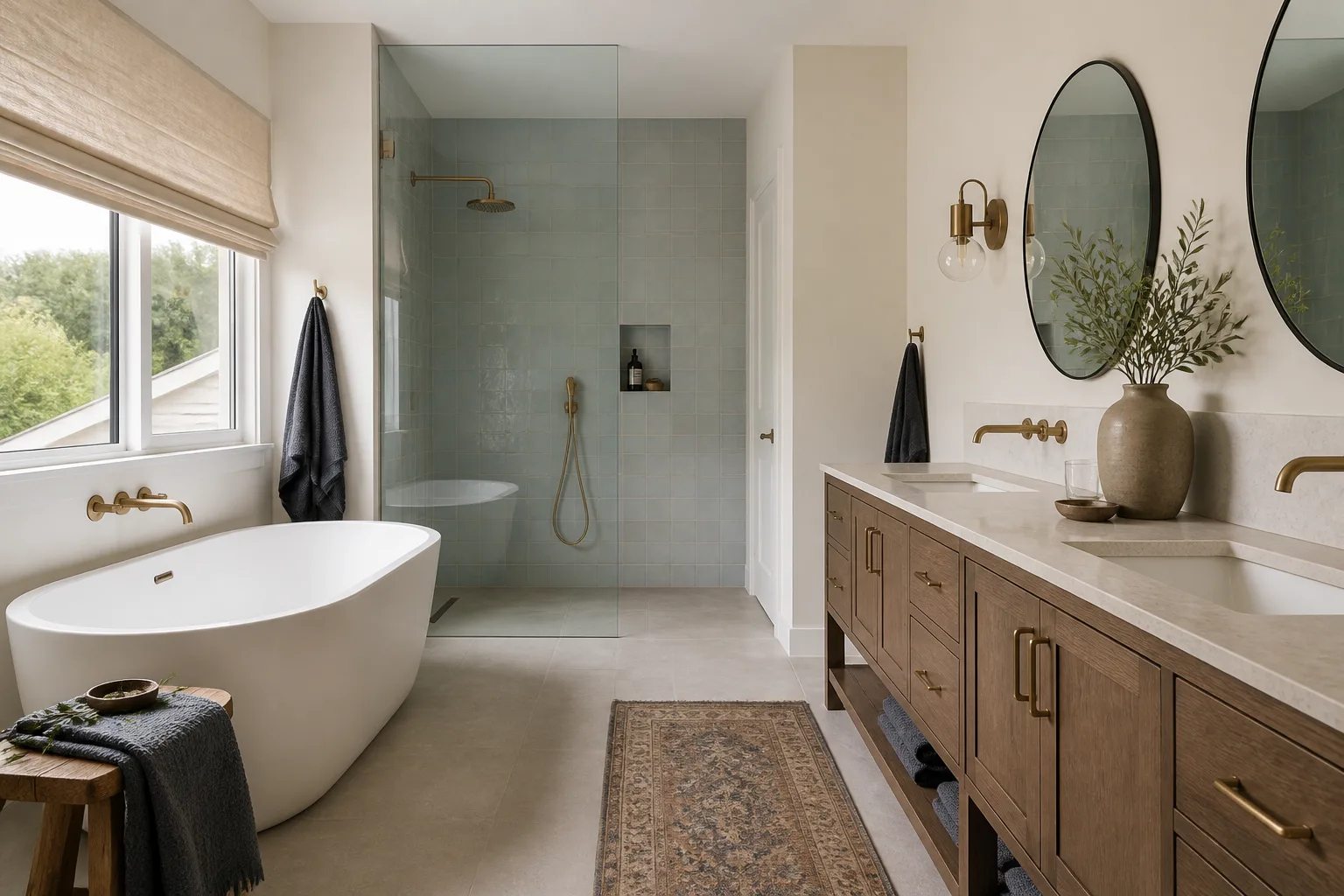
- What Construction Actually Costs in Santa Clarita
- How to Vet a Santa Clarita Contractor Before You Sign
- Common Mistakes to Avoid
- When to Call a Professional
- Frequently Asked Questions
- The Bottom Line
How to Identify Your Santa Clarita Permitting Jurisdiction
Your address determines which agency signs off on your project, and guessing wrong means resubmitting plans from scratch. The City of Santa Clarita handles the vast majority of residential construction within city limits. That includes Valencia, most of Saugus, much of Canyon Country, and Newhall proper. But the SCV has a patchwork history: some neighborhoods were never annexed, which means they fall under LA County’s Department of Regional Planning and Building and Safety. Those unincorporated pockets include parts of Castaic, Val Verde, Agua Dulce, and scattered canyon communities.
Then there’s the third layer: CalFire. Areas designated as Fire Hazard Severity Zones (FHSZ) get an additional review triggered during the building permit process. The city or county still issues the permit, but CalFire’s wildfire construction standards dictate what materials can be specified. In practice, a hillside home in Stevenson Ranch might need a Wildland-Urban Interface (WUI) compliant roof assembly, while a flatland Valencia home five miles away faces none of those requirements.
Here’s how to figure out which jurisdiction you’re in before you call a single contractor:
- Check your property tax bill. If it says “City of Santa Clarita” anywhere near the top, you’re under city jurisdiction. If it says “Unincorporated Los Angeles County,” you’re under the county.
- Look up the City’s online zoning map. The City of Santa Clarita maintains a public GIS map. Type in your address and see if the parcel appears within city boundaries.
- Run the CalFire FHSZ map lookup. CalFire maintains a statewide Fire Hazard Severity Zone map that’s searchable by address. If your parcel shows “High” or “Very High” severity, expect WUI requirements.
- Ask your HOA management company. If you have an HOA, they can usually tell you which agency handles inspections for your specific tract.
We’ve seen projects stall for six weeks because a homeowner assumed they were “in Santa Clarita” and started with city paperwork, only to discover they were in a county pocket with different plan-check turnaround times. That’s not a delay you want to discover mid-project. Our general contracting team in Santa Clarita confirms jurisdiction as step one on every estimate, because it’s the cheapest mistake to avoid and one of the most expensive to fix after the fact.
Fire Hazard Zones and What They Change About Your Materials
If your Santa Clarita property sits in a designated Fire Hazard Severity Zone, your contractor cannot legally use the same materials a Valencia flatland home uses. This isn’t a preference issue or an upsell. It’s code enforcement, and it shapes the entire material budget.
The SCV has lived through enough fire seasons to know exactly why these rules exist. Stevenson Ranch backs up against open hillsides. Canyon Country has ridgelines that burn fast. Saugus has canyon corridors that act as natural chimneys during Santa Ana wind events. CalFire’s building standards for WUI zones were written for exactly this terrain.
Here’s what fire-zone designation typically requires in Santa Clarita construction:
- Roofing: Class A fire-rated assemblies. That means concrete tile, standing seam metal, or composition shingles specifically rated as Class A. No wood shake or shingle roofs, period. Brands like GAF and CertainTeed both manufacture Class A-rated shingles that pass CalFire muster in WUI zones.
- Siding: Non-combustible or ignition-resistant. James Hardie fiber cement siding is the dominant choice in Santa Clarita’s fire zones because it carries the right rating without looking industrial. Wood siding, unless treated and rated, usually won’t pass.
- Vents and eaves: Ember-resistant vent covers are required on attic and crawlspace vents. These are small metal screens or baffled covers that prevent wind-driven embers from entering the structure. The cost is minimal, but inspectors in fire zones check for them specifically.
- Decking and exterior structures: Decks attached within a certain distance of the home need ignition-resistant decking or heavy timber framing. Composite decking brands with Class B or better flame spread ratings are typically acceptable.
- Windows: In Very High severity zones, dual-pane tempered glass is often required on the fire-facing elevation. If your remodel includes window replacement, this can add $3,000 to $8,000 to the budget depending on how many openings face the hazard side.
The practical takeaway: a “standard” material bid for a Santa Clarita remodel might be completely invalid for your lot if you’re in a fire zone. We always pull the FHSZ map before we price materials, because quoting a roof with standard underlayment when the home needs Class A-rated assembly is a guaranteed inspection failure and a customer-service disaster waiting to happen.
The HOA Layer Most Contractors Don’t Warn You About
Santa Clarita has one of the highest HOA densities in Southern California. Valencia alone is famous for it. Newer master-planned communities like FivePoint Valencia and the continuing buildout of River Village have architectural review committees with real teeth. Even older tracts in Canyon Country and Saugus frequently have HOAs that govern exterior changes.
Here’s what most homeowners miss: the HOA approval process runs parallel to the city permit process, not instead of it. You get approval from both, or you don’t build. A contractor who only handles the city side leaves you exposed to a stop-work order from your own HOA.
What your HOA review actually involves:
- Application window: Most Santa Clarita HOAs review exterior modification applications on a monthly or bi-monthly cycle. If you miss the deadline by a day, you wait another full cycle.
- Scope of review: HOAs typically review exterior changes only: roofing material, exterior paint color, window style, fence height, hardscape, structural additions, solar panel placement. Interior remodeling (bathrooms, kitchens, flooring) usually does not need HOA sign-off unless it changes plumbing stacks or affects shared walls.
- Material and color restrictions: Most HOAs maintain an approved color palette and list of sanctioned materials. If you want a James Hardie siding color that isn’t on the approved list, you’ll need a variance or you’ll be repainting.
- Timeline: In our experience across Santa Clarita HOAs, expect 2 to 6 weeks for architectural review. Some larger communities with professional management companies turn applications faster. Self-managed boards in smaller neighborhoods can take longer.
- Fees: Application fees are usually $25 to $200, but some HOAs also collect a refundable compliance deposit that’s held until the project passes final inspection.
The smart move is to pull your HOA’s architectural guidelines before you fall in love with a specific exterior material or color. We’ve had clients in Valencia pick out a roofing profile, get excited about it, then discover their HOA’s approved list only includes two profiles from one manufacturer. That’s a frustrating conversation that’s easily avoided by reading the CC&Rs and architectural guidelines on day one.
How Summer Heat Windows Shape Construction Scheduling in the SCV
Santa Clarita regularly hits triple digits from July through September. That’s not news to anyone who lives here. What homeowners often don’t realize is how directly that heat shapes the construction calendar and which trades get booked out earliest.
Certain parts of a project cannot be done in extreme heat. Concrete pours get scheduled for early morning. Roofing work gets pushed to dawn hours or deferred entirely when surface temperatures exceed manufacturer limits for shingle adhesion. Paint and caulk need temperature windows to cure properly. Stucco work has specific moisture and temperature requirements. When daytime highs stay above 100 for a week straight, those trades either work shorter days or push jobs back.
The heat also affects how trades get booked across the SCV. Here’s the pattern we see every year:
- Roofers are the first trade to hard-schedule in spring. By March, the best crews are booking June and July. If you wait until July to start looking for a roofer, you’re getting whoever hasn’t filled their calendar.
- HVAC contractors typically run emergency calls from July through September. Planned HVAC replacements should be quoted and scheduled in spring or fall, not during peak cooling season.
- Concrete crews shift to 5 a.m. starts in July and August. That’s normal for the SCV, but it means inspection timing gets compressed and any re-inspection after a failed concrete inspection might push to the next day.
- Exterior painters typically won’t paint south-facing walls when surface temps exceed 100 degrees. That means exterior painting jobs often sequence as north and east in the morning, then stop until the afternoon cools down.
If your project timeline has flexibility, the best windows for exterior work in Santa Clarita are March to June and late September to early November. Interior work is largely insulated from heat concerns, though the same cannot be said for attics. If your remodel includes attic insulation or HVAC duct replacement, schedule that work for spring or fall unless you want your crew working in a 130-degree attic.
A Realistic Santa Clarita Project Timeline, Phase by Phase
Here’s what a typical bathroom remodel or interior renovation actually looks like in Santa Clarita from first call to final inspection. These numbers reflect the SCV permitting pace, not a generic national average. The City of Santa Clarita currently runs about 3 to 6 weeks for over-the-counter plan review on simple remodels and up to 12 weeks for projects requiring full plan check. County unincorporated areas run longer. HOA review adds 2 to 6 weeks if your project touches the exterior.
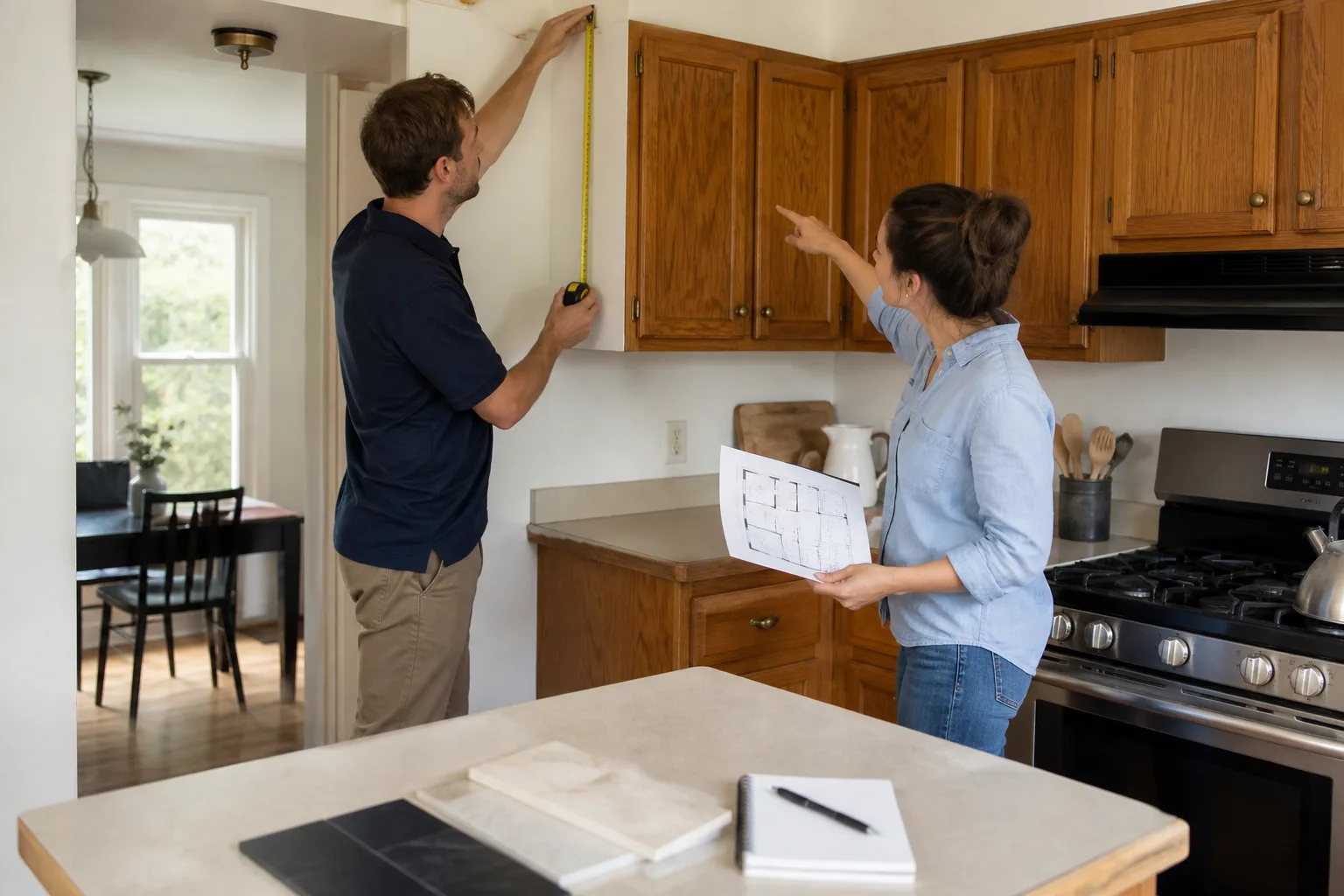
- Discovery and estimate (1 to 2 weeks): You call contractors, get estimates, compare written line items. At Sawyer Remodeling, the written price lands in your hands before any work starts, so you can compare apples to apples instead of ballpark verbal ranges.
- Contract and material selection (1 to 3 weeks): You sign, put down a deposit, and pick materials. If you’re choosing countertops from Cambria or Caesarstone, cabinets from KraftMaid, or fixtures from Kohler, current lead times in the SCV run 2 to 6 weeks depending on the line and finish.
- Permit application and plan check (3 to 12 weeks): This is the phase most homeowners underestimate. Interior remodels without structural changes can often be permitted over the counter in 2 to 4 weeks. Anything structural, anything touching exterior elevations, or anything in a county pocket goes into full plan check.
- HOA review (2 to 6 weeks, runs parallel): If your project touches the exterior, file the HOA application at the same time you file for permits. They run on separate timelines, so starting both on day one is the only way to avoid a sequential delay.
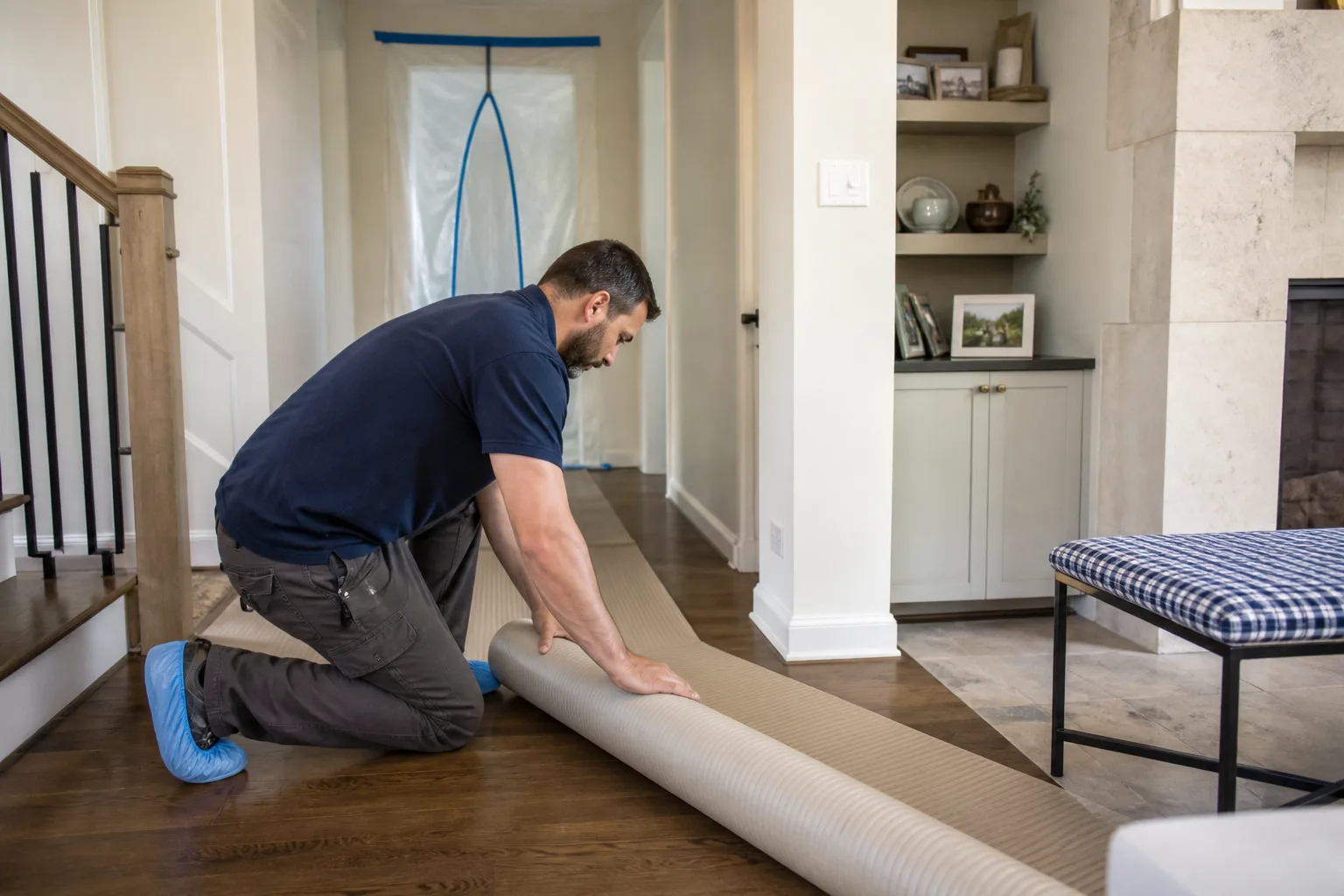
- Demolition and rough-in (1 to 3 weeks): Once permits are issued and materials are staged, demo happens fast. Rough framing, plumbing, electrical, and HVAC rough-in follows. Inspections happen at the end of this phase.
- Finishes and trim (2 to 6 weeks): Drywall, paint, tile, flooring, cabinet install, countertop template and fabrication, fixture install, trim. Countertop template-to-install in Santa Clarita typically runs 7 to 14 days.
- Final inspection and closeout (1 to 2 weeks): The city or county inspector signs off, the HOA (if applicable) does their compliance walkthrough, and you get your final lien release and warranty paperwork.
Total elapsed time for a typical bathroom remodel in Santa Clarita: 8 to 16 weeks from first call to final inspection, with most of the variance coming from permitting jurisdiction and HOA responsiveness. A whole-home renovation can run 6 to 12 months. That’s the honest timeline, and any contractor promising significantly faster than that in the SCV is either skipping permits or setting you up for a change-order conversation later.
What Construction Actually Costs in Santa Clarita
Santa Clarita construction pricing sits above the Inland Empire and below West Los Angeles. Labor rates reflect the SCV’s position as a mid-tier Southern California market, and material costs are consistent with the greater LA region. Here are realistic ranges as of 2025 for common project types in Santa Clarita:
| Project Type | Typical Range in Santa Clarita | What Drives the Spread |
|---|---|---|
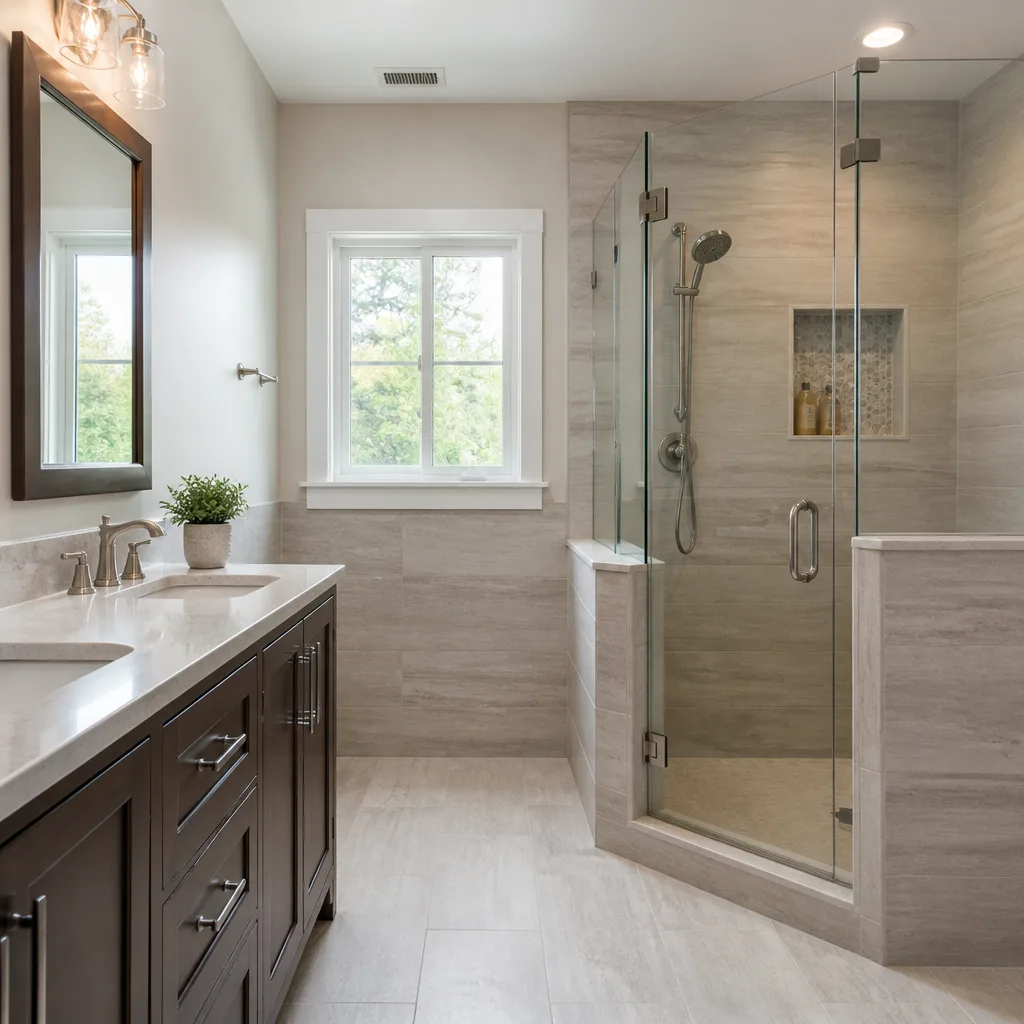
| Bathroom remodel (full gut) | $18,000 – $45,000 | Tile scope, shower glass, fixture grade, layout changes, plumbing relocations |
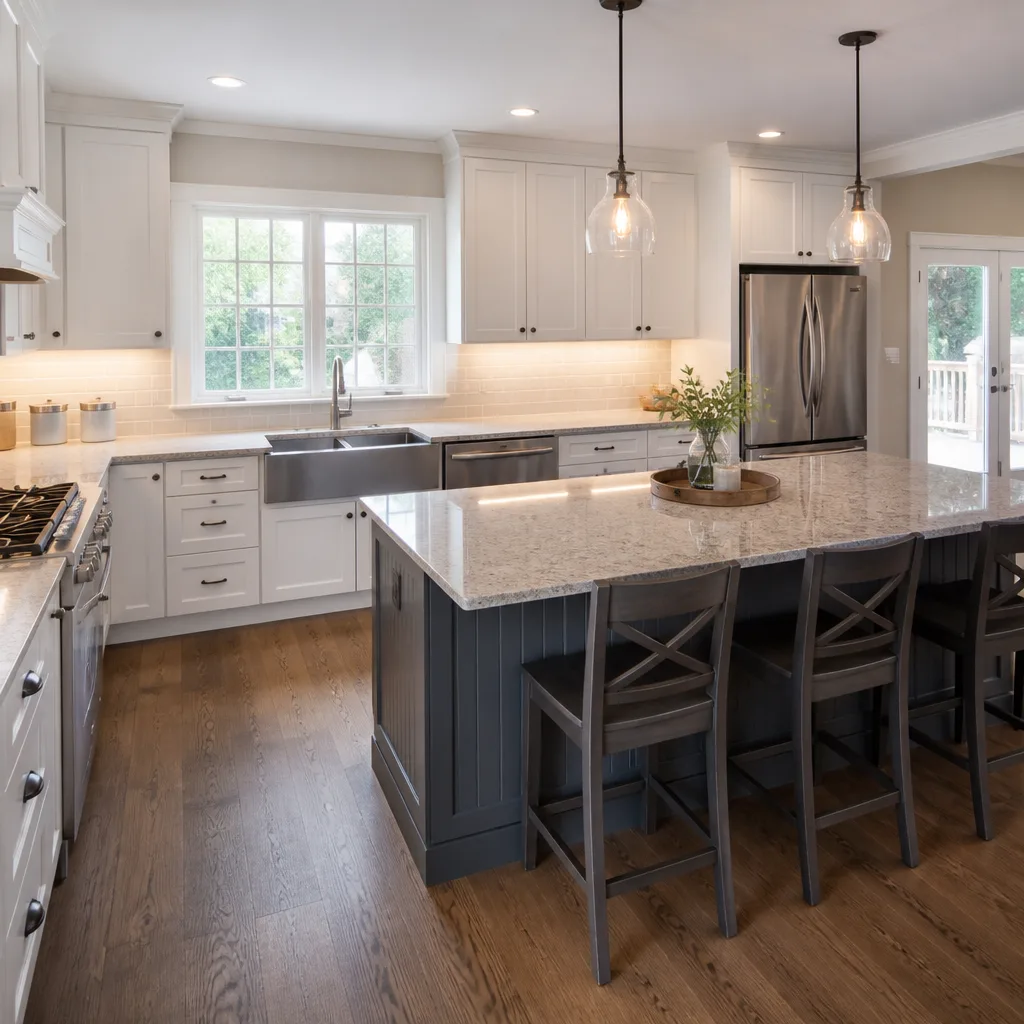
| Kitchen remodel (full gut) | $40,000 – $95,000 | Cabinetry line, countertop material, appliance package, structural changes, electrical upgrades |
| Whole-home renovation (cosmetic) | $80,000 – $200,000 | Square footage, flooring replacement, paint, fixtures, timeline compression |
| Whole-home renovation (structural) | $150,000 – $400,000+ | Load-bearing changes, foundation work, full systems replacement, permit complexity |
| Room addition (400 sq ft) | $120,000 – $220,000 | Foundation, roof tie-in, HVAC extension, HOA and plan check complexity |
| Roof replacement | $12,000 – $30,000 | Roof pitch, material class, fire-zone requirements, tear-off layers |
Two things drive Santa Clarita pricing specifically. First, fire-zone requirements can add 10 to 20 percent to exterior project costs compared to non-WUI areas. Second, HOA compliance sometimes restricts your material options to products that carry a premium. You wanted a specific composite decking line, but your HOA’s approved list only includes a more expensive brand. Those constraints are real and they show up at the bottom line.
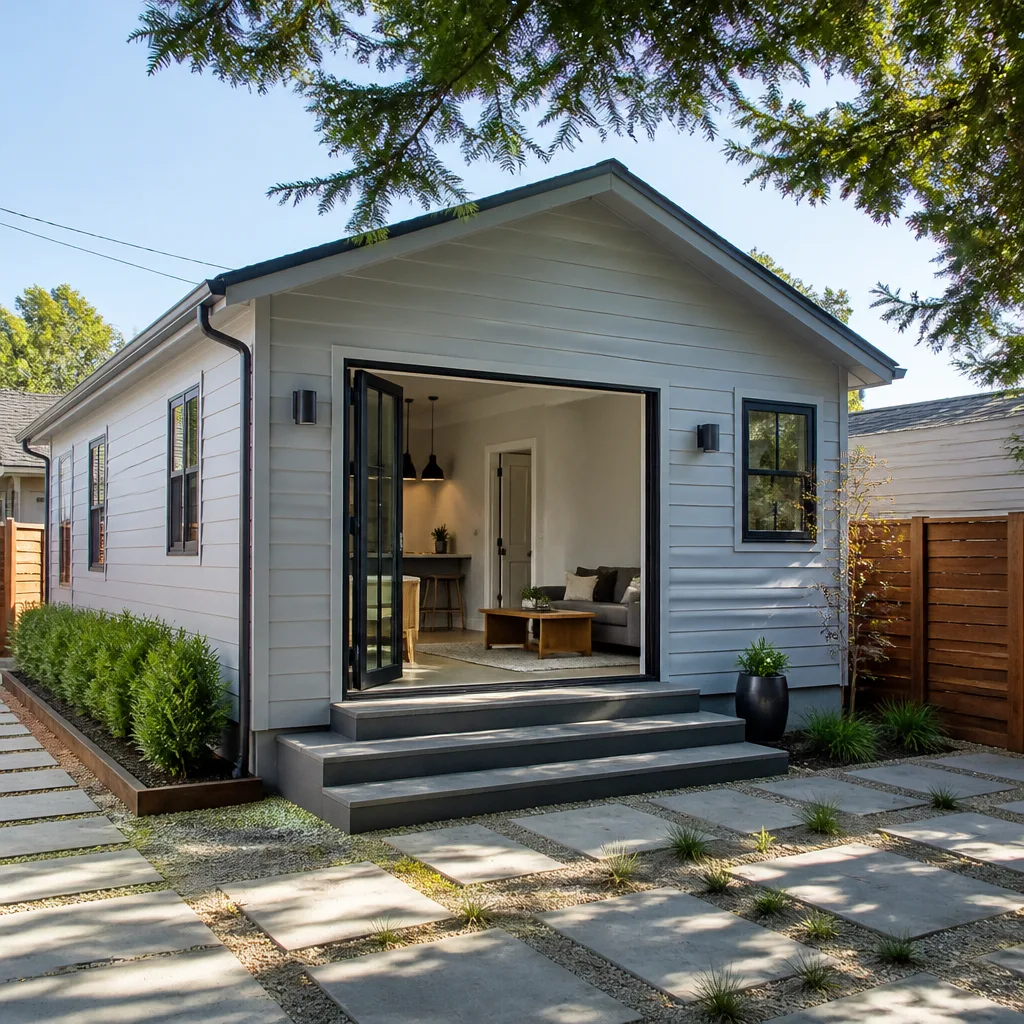
A note on modular and factory-built construction: companies like Abodu, Cover, and Dvele have started marketing ADU and accessory dwelling unit solutions for California, and some Santa Clarita homeowners assume these bypass the normal permitting process. They don’t. Factory-built ADUs still need city or county permits, foundation work, utility connections, and HOA review. The prefab path can shorten some timelines, but the Santa Clarita permitting layer still applies. Mighty Buildings, which uses 3D-printed panels, faces the same reality. The technology changes the method, not the rules.
For homeowners who want a written price before committing, that’s exactly how our home renovation estimates in Santa Clarita work. The number on the proposal is the number on the invoice, no change-order games.
How to Vet a Santa Clarita Contractor Before You Sign
The SCV has a lot of contractors. It also has a lot of pickup-truck operators who’ll bid your job low and disappear mid-project. The California Contractors State License Board (CSLB) exists for a reason, and Santa Clarita homeowners should use it as a non-negotiable first screen.
Here’s the vetting sequence we recommend:
- Verify license and classification. Go to the CSLB website, search the contractor’s name or license number, and confirm the license is active and covers the work type. A “B” general building license covers most remodels. A “C” specialty license only covers that trade. Don’t let a C-licensed plumber run your whole bathroom remodel.
- Check workers’ comp. On the same CSLB page, confirm active workers’ compensation coverage. If a contractor has zero employees and works solo, they can file an exemption. If they have a crew and no workers’ comp, walk away. You’re the one exposed if someone gets hurt on your property.
- Ask for a written line-item estimate. A verbal range is not a bid. A written estimate with actual line items is a bid. This is the single most important filter in construction. If a contractor won’t commit a price to writing before work starts, that’s a preview of how they’ll handle change orders.
- Ask about the guarantee in writing. What happens if something fails after final inspection? If the answer is “we’ll take care of it,” ask for that in writing. We put our 365-Day Done Right Promise on every project in writing: if it’s not done right, we make it right.
- Ask who’s showing up. Will the contractor be on site every day, or is the job being handed to a subcontractor you’ve never met? In Santa Clarita, it’s common for general contractors to sub everything out. That’s normal. What’s not normal is not knowing who the subs are. We run background-checked, uniformed technicians on every job, and we tell you who’s coming before they arrive.
- Check the homeowner protection clause. California requires contractors to include a “Notice of Right to Cancel” in contracts over a certain threshold. If your contract doesn’t include a clearly stated cancellation window, that’s a red flag.
Luca Romano, the owner behind Sawyer Remodel Santa Clarita home, has run remodeling work in the SCV since 2005. The thing he repeats to every client is simple: the contractor who won’t put it in writing is the contractor who’ll change the price later.
Common Mistakes to Avoid
- Skipping the jurisdiction check. Assuming you’re under City of Santa Clarita jurisdiction when you’re actually in a county pocket adds 4 to 8 weeks of rework. Check your tax bill and the GIS map first.
- Ignoring HOA requirements until after permits are pulled. HOA review runs parallel to city permits. If you wait until after permitting is underway to file the HOA application, you’re adding sequential delay instead of parallel review.
- Choosing materials before checking fire-zone requirements. You can’t put wood siding on a Very High severity hillside home in Stevenson Ranch. If you’ve already bought materials or emotionally committed to an exterior look, you’re in for an expensive reset.
- Booking exterior work without checking seasonal temperature constraints. Scheduling a roof replacement in August in Santa Clarita means early-morning-only work days and possible manufacturer warranty issues if installation happens above rated surface temperatures.
- Comparing bids by total number only. A low bid in Santa Clarita often means someone left out the HOA compliance line item, the fire-zone material upgrade, or the permit fee. Compare line items, not bottom lines.
- Not asking what happens after final inspection. Every contractor says the work is done until something fails. Ask what the written guarantee covers and for how long before you sign.
- Paying full price up front. California law limits contractor deposits. Never pay for the whole project before work begins. A reasonable deposit against a written contract is standard; 100 percent up front is not.
When to Call a Professional
Construction work inside Santa Clarita city limits or county pockets requires permits, inspections, and legal compliance. Trying to run your own project without a licensed contractor doesn’t just risk fines; it risks having a stop-work order slapped on your property and an unpermitted structure that becomes a problem when you eventually sell. If your project involves structural changes, electrical panels, plumbing line relocations, roofing, exterior envelope work, or any work in a fire hazard zone, hire a licensed professional. The city and county inspection process exists to protect you, and a contractor who knows Santa Clarita’s specific inspectors, forms, and submission requirements will save you weeks of trial and error. Sawyer Remodel Santa Clarita offers free estimates for bathroom remodeling in Santa Clarita and general contracting in Santa Clarita. Call (661) 592-1977 to schedule yours.
Frequently Asked Questions
Simple interior remodels without structural changes typically take 2 to 4 weeks for city permit approval in Santa Clarita. Projects requiring full plan check, such as structural changes or additions, run 8 to 12 weeks. County unincorporated areas run longer. Call (661) 592-1977 if you want a contractor to handle the permitting timeline for you.
A full bathroom remodel in Santa Clarita typically costs between $18,000 and $45,000. The spread depends on tile scope, fixture grade, layout changes, and whether plumbing lines move. Call (661) 592-1977 to get a written line-item estimate for your specific bathroom.
Yes, if your property is in a CalFire-designated Fire Hazard Severity Zone. Areas in Stevenson Ranch, Canyon Country, and Saugus hillsides often require Class A roofs, ignition-resistant siding, and ember-resistant vents. Flatland areas in Valencia may face none of these requirements.
If your project changes the exterior of your home, yes, your Santa Clarita HOA will add 2 to 6 weeks for architectural review. This runs parallel to city permits, so file both applications at the same time to avoid sequential delays. Interior-only remodels usually don’t need HOA approval.
Yes, Santa Clarita allows ADUs under California state law, but local zoning rules and HOA restrictions still apply. Prefab ADU companies like Abodu and Cover can shorten construction time, but the permitting, foundation, utility, and HOA review process remains the same. Expect 4 to 6 months from start to finish for a typical ADU project.
It shouldn’t, if you have a written line-item contract. Change orders happen when the scope changes or unforeseen conditions are uncovered during demolition. A reputable contractor writes those changes down and gets your approval before proceeding. Call (661) 592-1977 for an estimate with the price in writing before any work begins.
The Bottom Line
Construction in Santa Clarita is governed by a three-layer system: the City of Santa Clarita or LA County for permits, CalFire for fire-zone material standards, and your HOA for exterior compliance. Knowing which layers apply to your address before you start prevents weeks of delay and thousands in rework. Heat windows shape when exterior work gets done, and realistic timelines here run 8 to 16 weeks for a remodel and 6 to 12 months for a full renovation. Get written, line-item estimates, verify licenses through CSLB, and ask what happens after final inspection. For more on navigating the process, see our more guides & resources. The homeowner who knows the rules before the first hammer swings is the homeowner who gets what they paid for.
Written by Luca Romano, Owner at Sawyer Remodel Santa Clarita, serving Santa Clarita since 2005.
See the difference
 Before
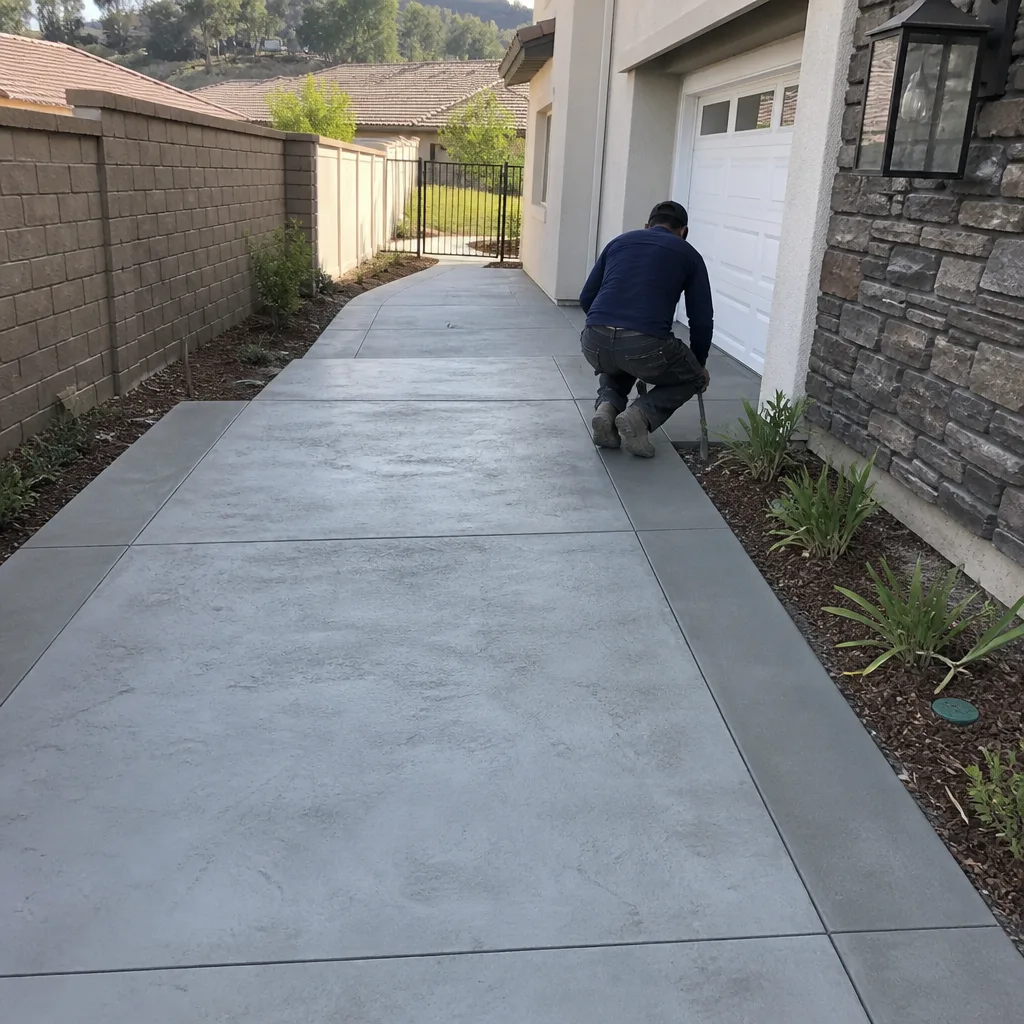 After
After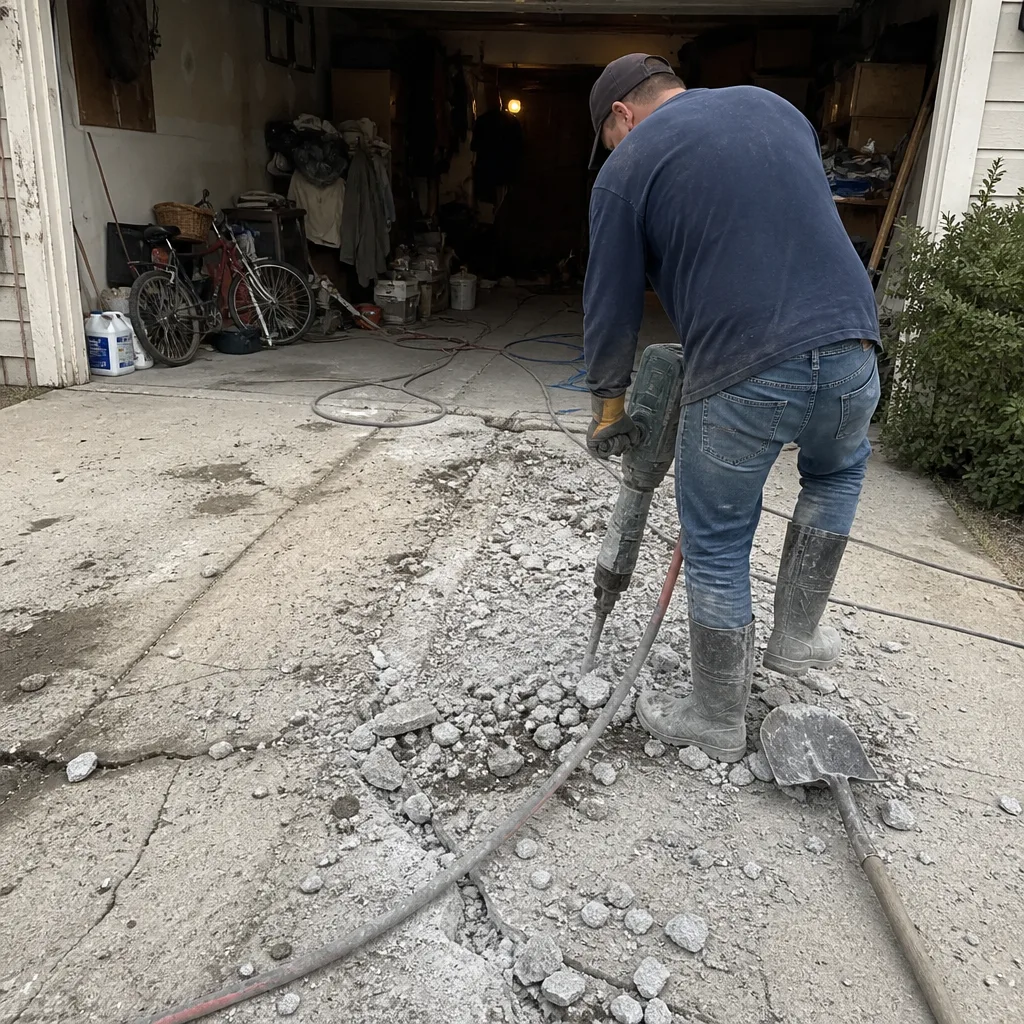 Before
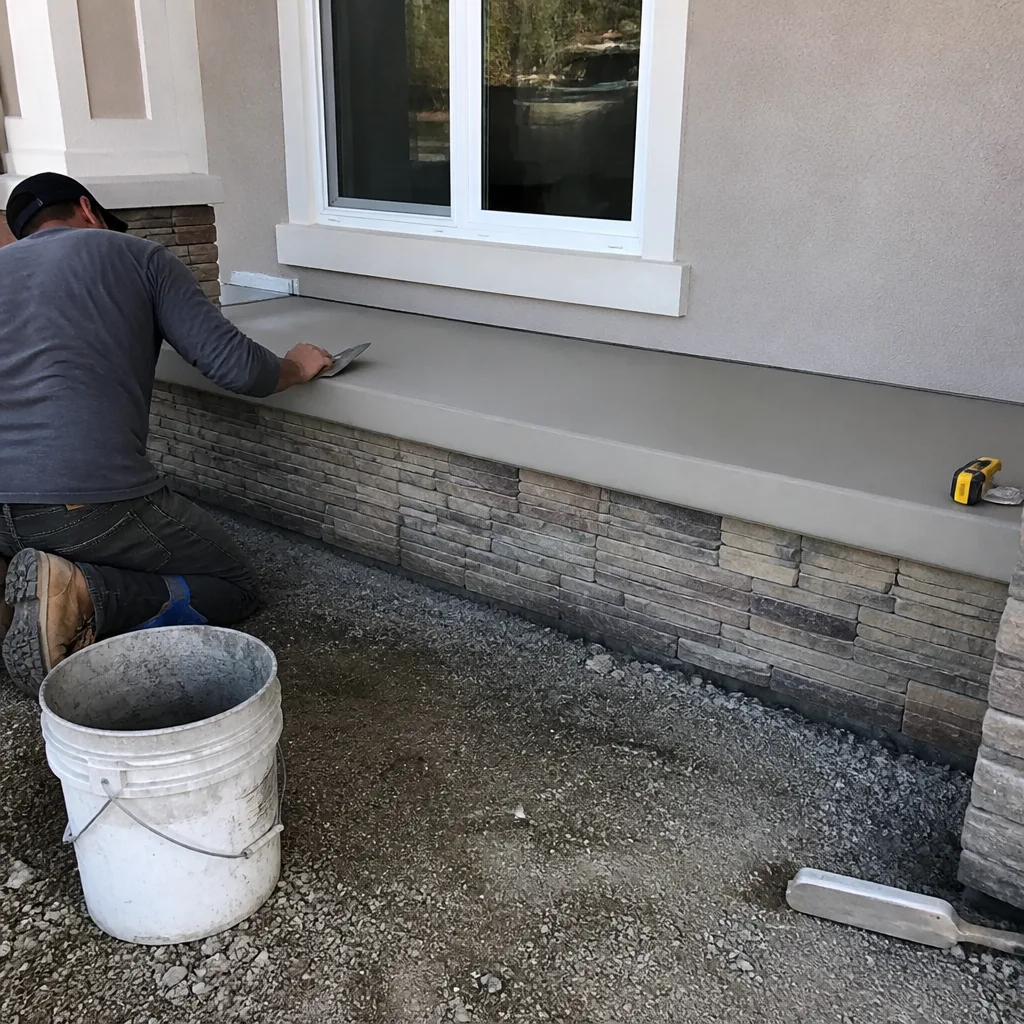 After
After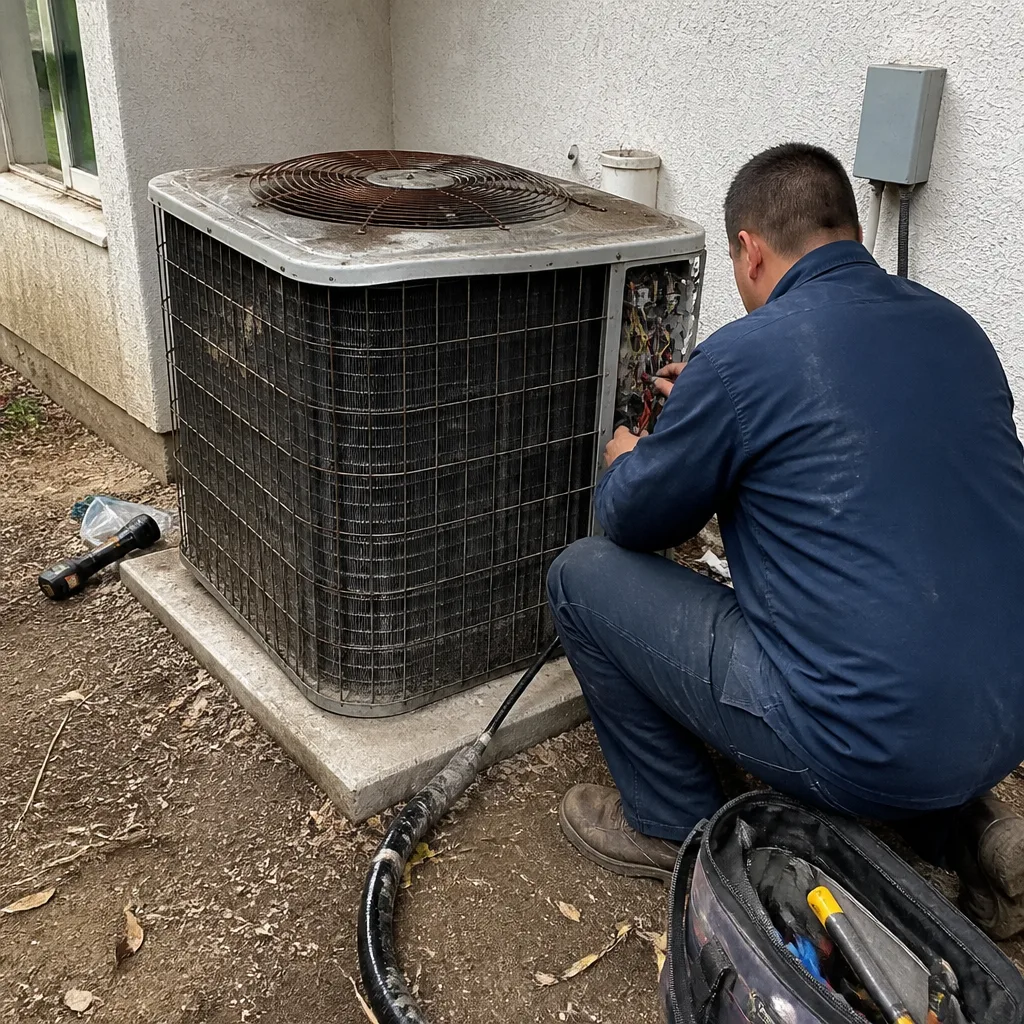 Before
 After
After