Free written scope consultation - allowances, timeline, and change-order rules on paper before a single trade is scheduled
Styles & brands we work with
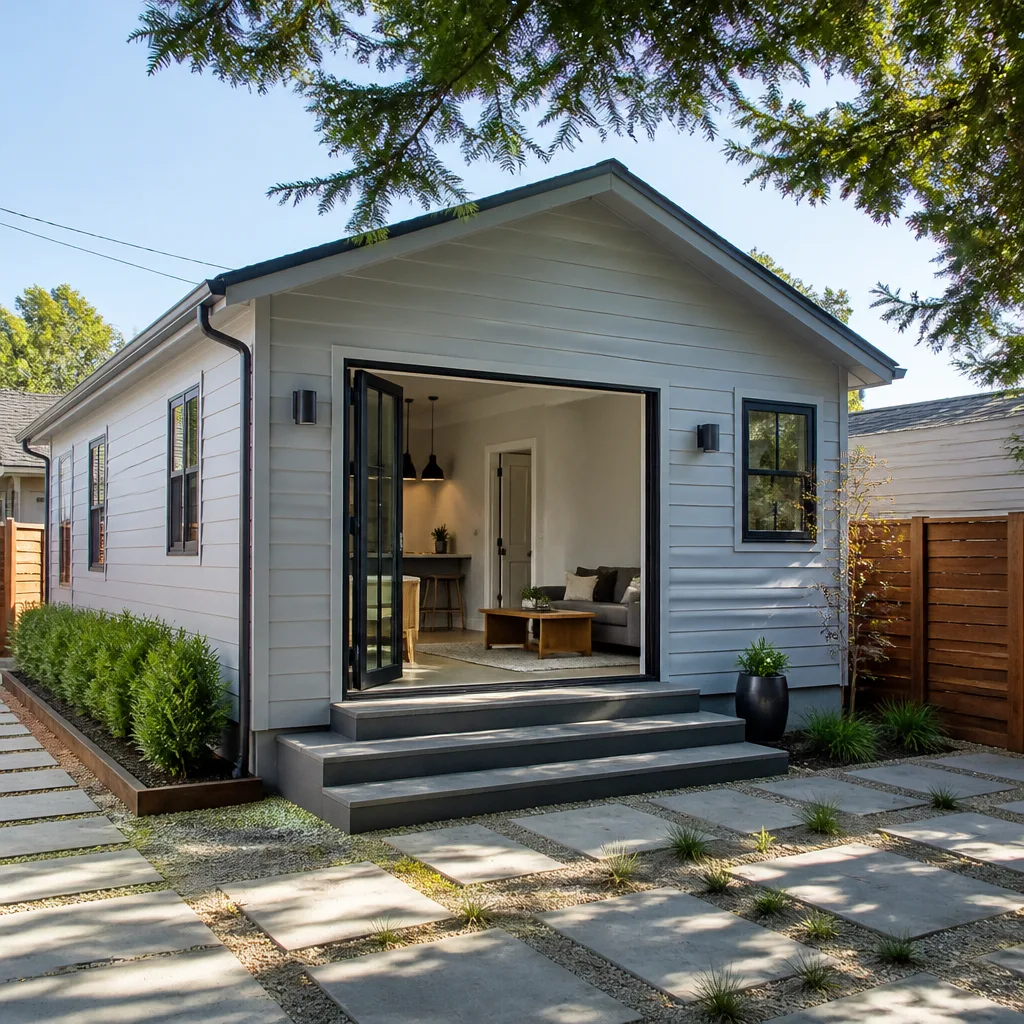
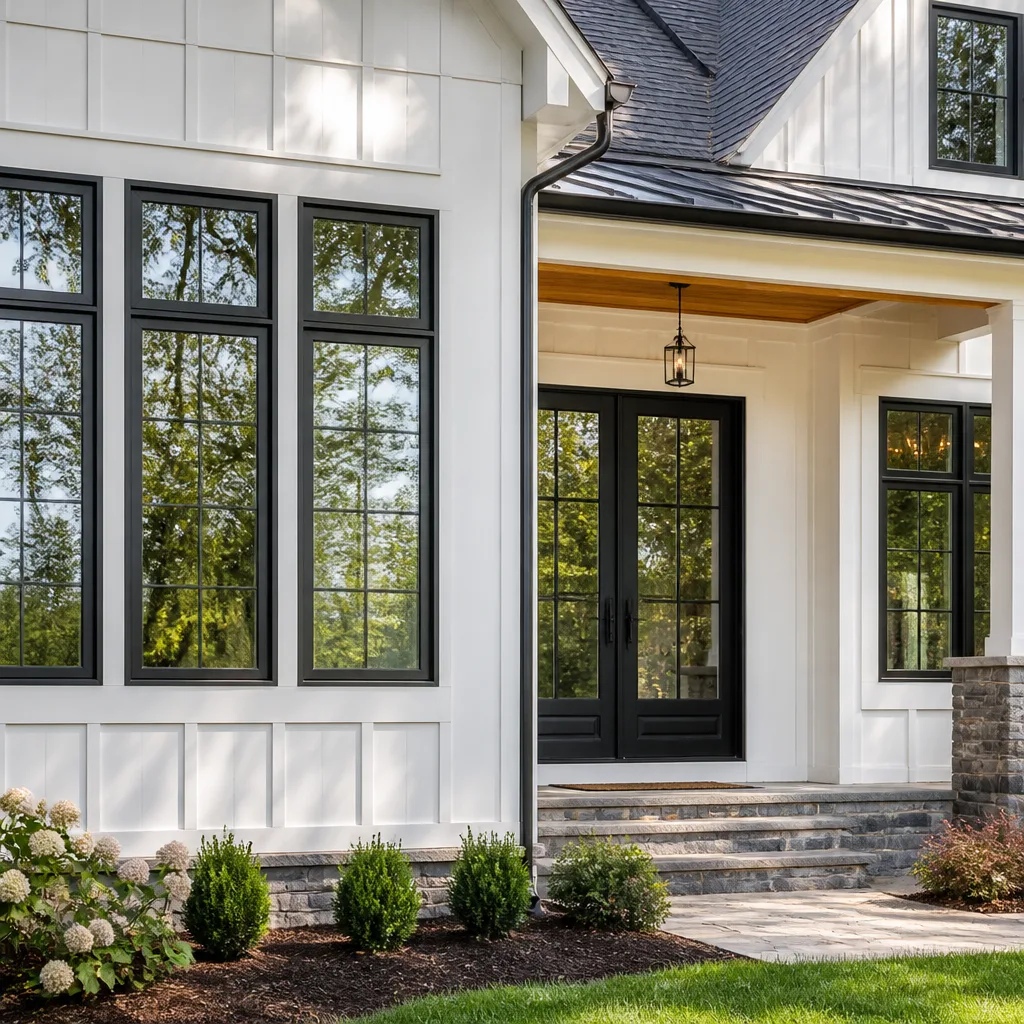
See the difference
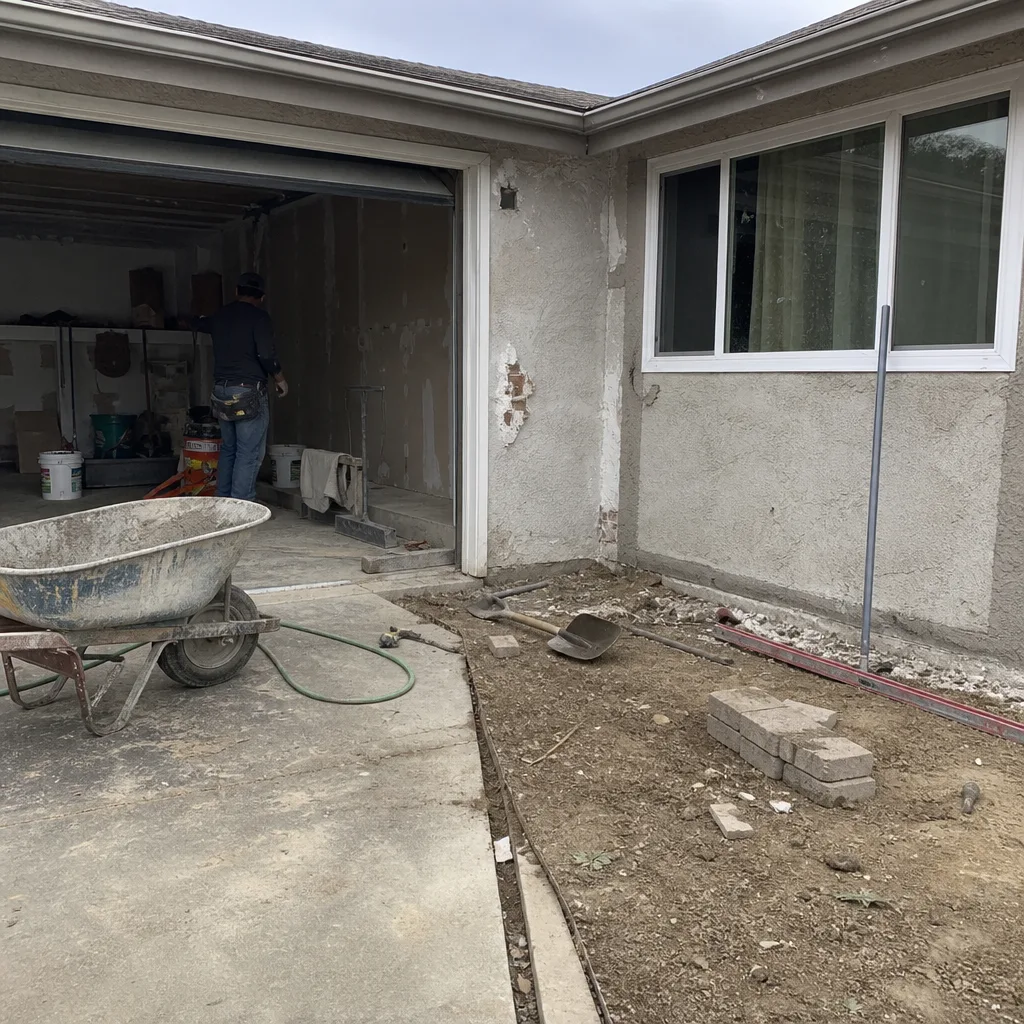 Before
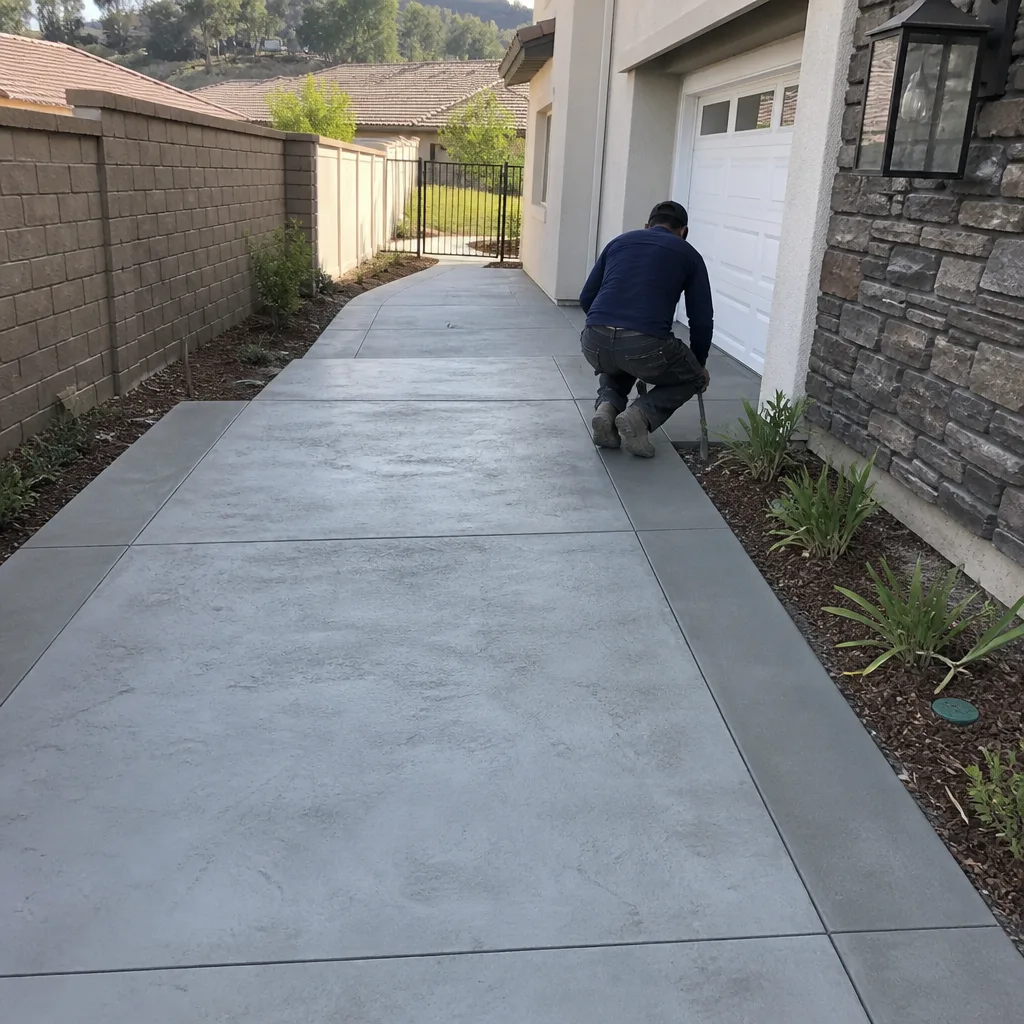 After
After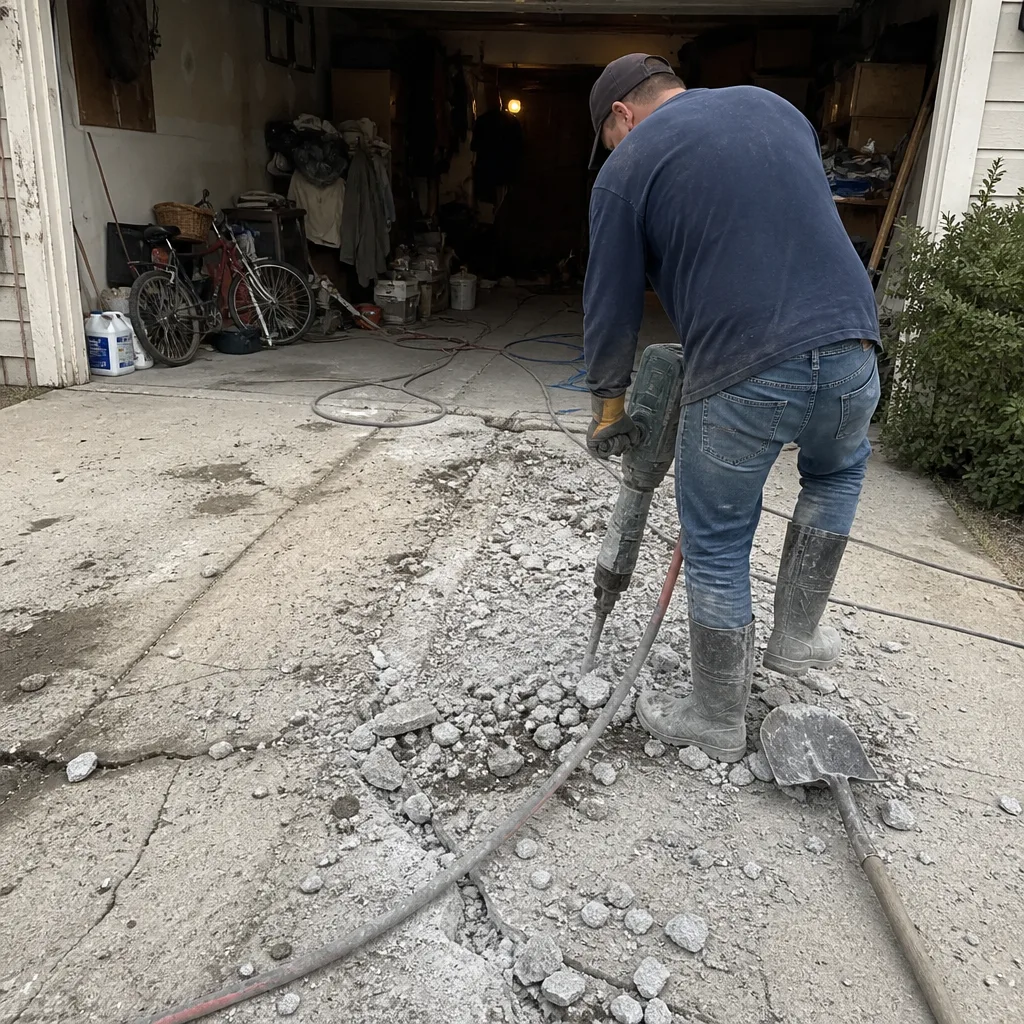 Before
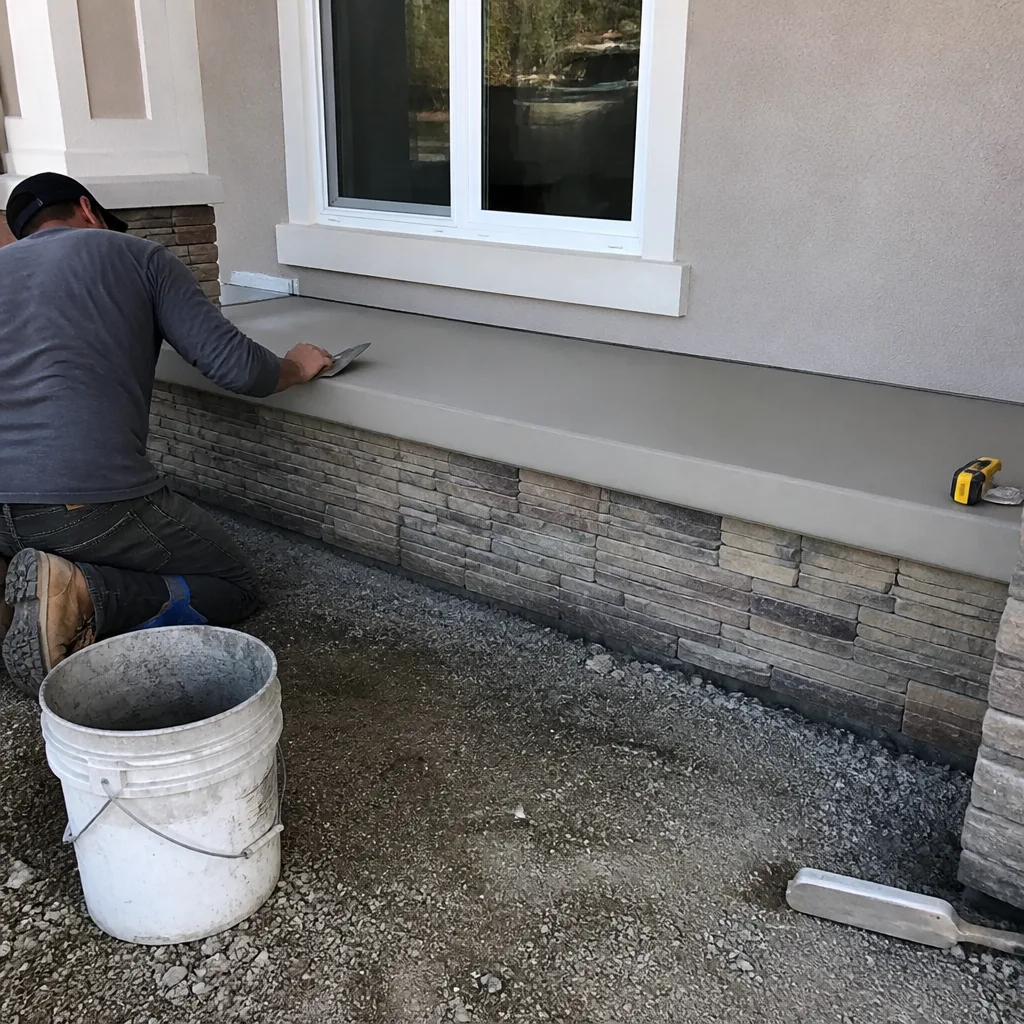 After
After Before
 After
AfterHow Much Does Glass Railing Installation Cost in Santa Clarita?
Glass railing installation in Santa Clarita typically runs between $180 and $450 per linear foot for frameless systems, with most residential projects in Valencia, Saugus, and Canyon Country landing between $4,500 and $12,000 total. A standard 30-foot balcony or stair railing usually falls in the $6,000 to $9,500 range when you factor in mounting hardware, templating, and labor. Those numbers include the tempered glass panels, aluminum or steel posts (or a base shoe system for frameless looks), and installation by a licensed contractor.
Before you commit to a number, understand this: glass railing is one of the few remodel projects where the material cost and the labor cost run nearly neck and neck. You are not just buying glass. You are paying for precise measurement work, careful handling of 100-pound panels, and fastening into a structure that has to hold up to people leaning on it every single day. Get the installation wrong and you have a safety hazard, not a design feature.
Key Takeaways:
- Expect $180 to $450 per linear foot, installed, for glass railing in Santa Clarita.
- Most whole-project residential jobs settle between $4,500 and $12,000.
- Frameless systems cost more than framed; interior applications cost less than exterior.
- Local wind exposure (Santa Ana season) and slope conditions directly affect engineering requirements and price.
- Sawyer Remodel Santa Clarita writes the price down before work starts. You approve the number before any glass arrives.
Glass Railing Installation Cost Breakdown (2026)
Here is the line-item breakdown we walk every Santa Clarita homeowner through before we send a written estimate. These are real market numbers for this area, not national averages. The difference matters: our local labor rates, permit requirements, and material shipping costs from Los Angeles glass fabricators all shape what you actually pay here.
| Cost Component | Typical Range (Santa Clarita, 2026) | Notes |
|---|---|---|
| Tempered glass panel (per linear foot) | $90 – $180 | 3/8″ or 1/2″ thick; 1/2″ required for most exterior code compliance |
| Aluminum or steel post / base shoe (per linear foot) | $50 – $120 | Powder-coated aluminum is standard for exterior work in dry climates |
| Mounting hardware & fasteners (per project) | $300 – $900 | Stainless steel bolts, anchors, and spacers rated for seismic movement |
| Labor / installation (per linear foot) | $70 – $140 | Includes templating, cutting callouts, leveling, and cleanup |
| Permit fees (per project) | $150 – $500 | City of Santa Clarita building permit for exterior railings over 30″ drop |
| Structural reinforcement (if needed) | $0 – $1,200 | Only applies when existing deck or stair framing cannot support glass load |
What pushes a project toward the top of that range? Three things in Santa Clarita specifically. First, wind load. The Santa Ana winds that tear through Newhall Pass and the open ridgelines in Stevenson Ranch mean exterior glass railings here often need 1/2-inch tempered glass where a coastal city could get away with 3/8-inch. Second, slope. Canyon Country and parts of Saugus have steep lots where stair runs are longer and every post has to be set into concrete or steel, not just surface-mounted. Third, access. A third-story balcony in a Bridgeport home costs more to work on than a single-level patio in Castaic, plain and simple.
What Affects Glass Railing Installation Pricing in Santa Clarita
Here is what actually moves the number. None of this is filler. These are the factors we account for on every estimate we write in this market.
- Frameless vs. framed systems. Frameless glass railing (where panels sit in a continuous base shoe and have no visible posts) costs about 30 to 40 percent more than a framed system with aluminum or steel posts between panels. The labor is more precise and the hardware is more expensive. Frameless also looks better on a modern Valencia hillside home, which is why it is the most requested option we install.
- Linear footage. This is the obvious driver, but the per-foot price usually drops slightly as the project gets longer. A 50-foot railing is more efficient per foot than a 12-foot one because setup, templating, and mobilization costs get spread across more material. You do not lose that efficiency on small jobs.
- Interior vs. exterior application. Interior glass railings (like a loft overlook or stair divider inside a Saugus two-story) usually run 15 to 25 percent less than exterior jobs. No wind load engineering, no corrosion concerns, and sometimes thinner glass is permitted. Exterior work in Santa Clarita means UV-rated gaskets, stainless hardware, and panel thickness rated for our wind zone.
- Mounting surface. Concrete mounting is cheapest. Wood deck framing is middle of the road but may need blocking added underneath the deck surface. Mounting into stone, stucco over foam, or older cantilevered balconies costs more and sometimes triggers structural review. If your deck was built before the 1990s, budget for the possibility that the existing framing was not designed for the torsional load a glass railing puts on it.
- Permit and engineering requirements. The City of Santa Clarita requires permits for any exterior railing guarding a drop of 30 inches or more. That means stamped engineering for wind load and connection details. Some contractors skip this. We do not. The permit protects you when you sell the house and protects us from installing something that fails inspection. It also adds $150 to $500 to the job and a few days to the timeline.
- Surrounding finishes. If your railing is going into brand-new stamped concrete or freshly laid pavers, the mounting hardware and drilling sequence matter. Working around fresh finishes without cracking them takes slower drilling, different bits, and sometimes wet-cutting. On a patio remodel in Sand Canyon where the concrete is three days old, that changes the install method.
How to Save on Glass Railing Installation
Saving money on glass railing does not mean buying cheaper panels from a discount supplier and hoping they pass inspection. It means making smart decisions before the quote is even written. Here is what we tell Santa Clarita homeowners who want to control cost without ending up with a railing that wobbles.
Choose framed over frameless if budget is tight. A powder-coated aluminum frame with glass infill panels saves 30 to 40 percent versus a true frameless base-shoe system. You still get the open view and the modern look, just with visible posts or rails. Most people will not notice the difference from across the yard.
Bundle the railing with the deck or patio project. If you are already tearing out an old wood deck in Valencia and replacing it, adding the glass railing at the same time saves on mobilization and lets us coordinate the attachment points before the new surface goes in. Doing them separately means drilling into finished work and paying for two site visits.
Keep the run simple. Straight runs cost less than stairs, curves, or multi-level transitions. Every change in direction adds template time, custom-cut panels (glass is not bent on site), and extra hardware. If your design has options, a single clean straight run is the budget-friendly choice.
Get your structural situation checked early. If the deck or balcony framing needs reinforcement, you want to know before the glass order goes in, not after. We include a structural check as part of our estimation process, which means the number we write down is the number you approve. No surprise line item on the invoice because support blocking was needed under the deck.
Ask about the warranty and what it covers. The cheapest quote is not a savings if the railing starts rattling in the first Santa Ana season and the installer will not answer the phone. We back every glass railing project with our 365-Day Done Right Promise: if it is not done right, we make it right. That is in writing. Free estimates are standard for us, and you can call (661) 592-1977 to get one scheduled without any obligation.
Glass Railing vs. Other Railing Options: Cost Comparison
If glass railing pricing has you second-guessing, here is how it stacks up against other railing types you will see around Santa Clarita. The numbers below are installed prices per linear foot for typical exterior applications.
- Glass railing (frameless): $250 – $450 per linear foot. Max view, modern look, highest cost.
- Glass railing (framed): $180 – $320 per linear foot. Same glass, visible frame, better price point.
- Aluminum railing: $80 – $180 per linear foot. Durable, low maintenance, no glass.
- Vinyl or PVC railing: $60 – $130 per linear foot. Budget-friendly but fades in our sun.
- Wrought iron railing: $100 – $250 per linear foot. Classic look, but needs repainting every few years in a dry climate.
- Cable railing: $150 – $300 per linear foot. Similar modern aesthetic, slightly less expensive than glass framed, but you get a thinner visual line.
One local note on vinyl: Santa Clarita gets 280-plus days of direct sun every year, and vinyl railings here do not age the way they do in cooler climates. You see fading, brittleness, and warping on south-facing exposures within five to seven years. Glass, by contrast, does not discolor from UV. The framing might need a powder-coat touch-up after a decade, but the panels will look the way they looked on day one.
Glass railing is also the only option on this list that passes Santa Clarita’s strict view-corridor expectations for hillside homes. If you live in a neighborhood where the HOA or the city has rules about preserving sightlines, glass is often the default approved material. That is a cost factor you cannot avoid, but it is also one that protects your property value in this market. A home with obstructed mountain views loses curb appeal fast.
How the Installation Process Works (and Where Your Money Goes)
You are paying for a process, not just a product. Here is what a glass railing installation looks like from the first call to the final walkthrough in Santa Clarita.
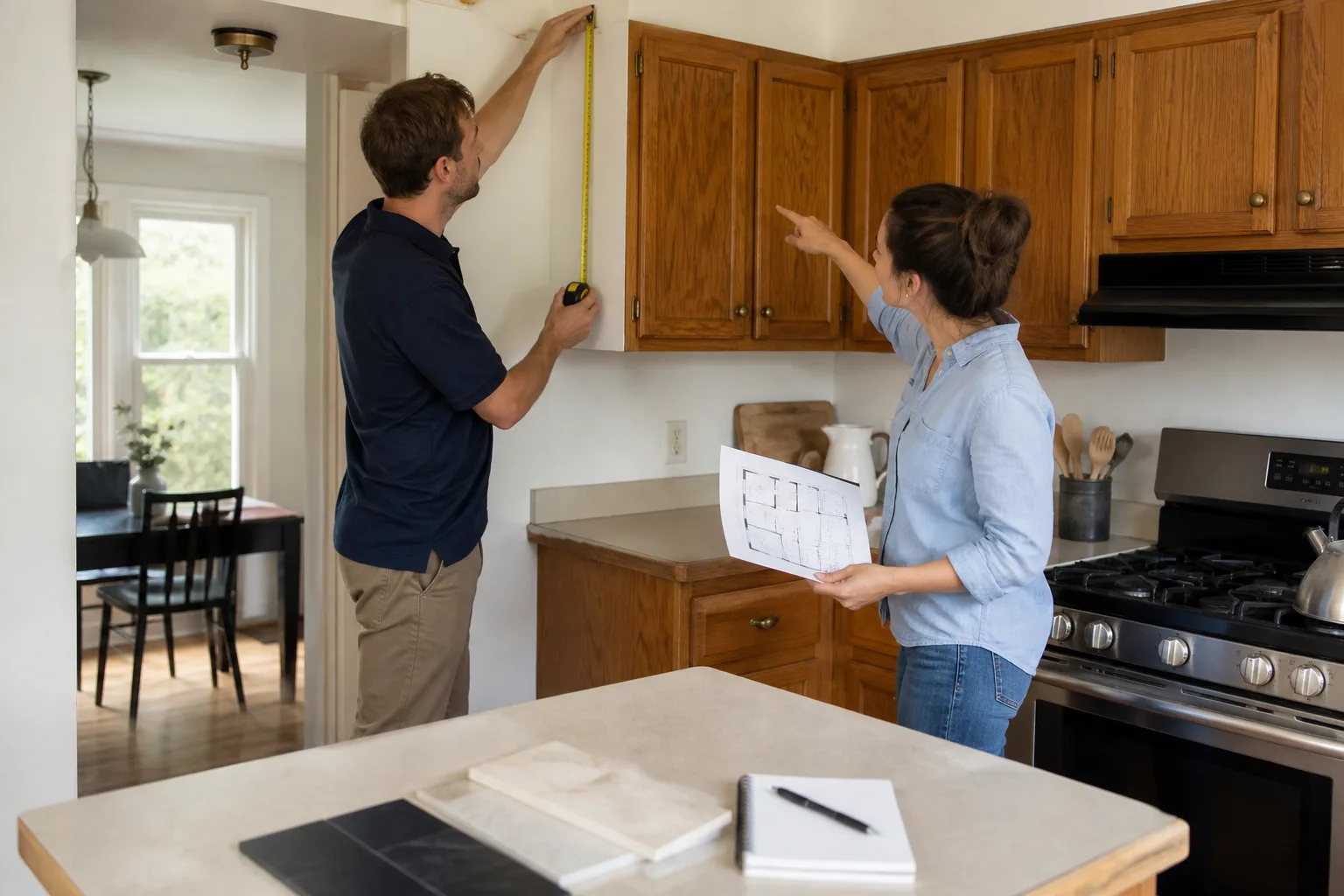
Step 1: Site measurement and estimate. We come out, measure the actual linear footage, check the mounting surface, and identify any structural concerns. This is not a drive-by quote. It is a real assessment that forms the basis of the written price you get before anything is ordered.
Step 2: Engineering and permit submittal. For exterior railings over a 30-inch drop, the City of Santa Clarita needs stamped drawings showing wind load calculations and connection details. We handle the submittal. This step takes one to three weeks depending on city review times, which fluctuate seasonally.
Step 3: Glass fabrication. The panels are cut and tempered offsite based on our measurements. Tempered glass cannot be cut after the fact. If a measurement is off by a quarter inch, the panel is scrap and the order is re-cut. This is exactly why you want a contractor who templates carefully the first time, not one who rushes the measure step.
Step 4: Mounting hardware installation. Posts or base shoes are anchored into the structural surface first. This is the part of the job where skill matters most. Anchors have to be set straight, sealed against moisture (yes, even in our dry climate, because the winter rainy season hits hard), and torqued to spec.
Step 5: Panel installation and leveling. Panels go in one at a time, each one shimmed and adjusted until the top edge runs true and the spacing is consistent. This step is slower than it looks and is where frameless systems earn their higher price.
Step 6: Cleanup, inspection, and walkthrough. Railing gets cleaned, hardware gets checked, and the city inspector (if applicable) signs off. You get before-and-after photos, a digital invoice you can pay from a link, and a full year of coverage under our 365-Day Done Right Promise.
Luca Romano, who leads Sawyer Remodel Santa Clarita, has been running remodel projects under The Relay Standard since 2005. That means every job gets a live arrival time, photo updates before and after, and a written price before a single tool is picked up. The glass railing crew works the same way the kitchen and bath crews do: name-brand materials, background-checked technicians, and a number that does not change at the door.
Glass Railing Code Requirements in Santa Clarita
If you are comparing quotes and one contractor says permits are optional, walk away. Here is what the City of Santa Clarita actually requires for glass railing installations.
- Permit trigger: Any exterior railing guarding a walking surface with a drop of 30 inches or more requires a building permit. This covers almost every elevated deck, balcony, and stair landing in Valencia, Saugus, and Canyon Country.
- Height requirement: Guards must be at least 42 inches high for exterior residential applications. Stair handrails run 34 to 38 inches. Interior overlooks may have different rules depending on the existing structure.
- Glass type: Tempered glass is mandatory. Laminated glass may be required for certain overhead or horizontal applications. Your railing panels will be tempered, not annealed.
- Load rating: Railings in our wind zone must resist the lateral wind loads specified in the California Residential Code. In practice, that means the glass thickness and the anchor spacing get engineered, not guessed.
- Anchor connection: The railing must be attached to structural framing or concrete, not just surface trim. If your deck has 2×6 ledgers or old posts, the framing may need sistered support before the railing goes on.
We pull permits on every project that requires them. It adds a small cost and a few days to the schedule, and it protects you from the expensive outcome of unpermitted work showing up on a future home sale disclosure. Santa Clarita home buyers are not shy about asking for permit records.
Glass Railing Installation for Stairs vs. Balconies vs. Decks
Where the railing goes changes the install method and the cost. Here is how the three most common Santa Clarita applications break down.
Stair railings are the most labor-intensive per linear foot. Every stair tread creates an angle change, which means the glass panels are parallelogram shapes, not rectangles. More template time, more cutting precision, more chances for a panel to come back wrong. Expect stair railing to run 20 to 30 percent higher per foot than a straight balcony rail. In a two-story Saugus home where the stair railing runs 25 linear feet, a frameless system might cost $8,000 to $12,000, while the same footage on a flat balcony might come in around $6,000 to $8,000.
Balcony railings are the most common glass railing project in Santa Clarita because of the hillside lots. Most of these are straight or gently angled runs, which keeps the per-foot price predictable. The bigger variable is wind exposure. A third-floor balcony facing the open sky in Bridgeport or Westridge has more wind load to design for than a sheltered first-floor patio.
Deck railings around a backyard pool or elevated patio follow the same pricing structure as balconies, with one added consideration: if the deck is new, the rail posts can be integrated into the framing before the surface goes down. That saves money and makes a cleaner install. If the deck already exists, we are drilling into finished work and anchoring blind, which just costs a little more in labor.
Why Glass Railing Prices Vary Between Contractors in Santa Clarita
You will get quotes on the same project that are thousands of dollars apart. Here is what the price gap usually means in this market.
Glass supplier quality. Some contractors buy panels from the cheapest glass fabricator they can find. Others use established Southern California fabricators who cut tight tolerances and stand behind their tempering. The difference shows up in edge quality, hole alignment (for pinned systems), and whether the glass has the right etching or coating for our sun exposure.
Labor skill. Glass railing installation is not a beginner trade. It requires patience, a steady hand, and experience with structural anchoring. A crew that has done 50 glass railings in Santa Clarita knows how to handle a panel in a tight Valencia backyard without chipping the edge or scratching the powder coat. A general handyman crew does not.
Insurance and licensing. Glass railing work means lifting heavy panels, drilling into structure, and working on elevated decks. A properly insured contractor costs more per hour because their overhead is real. An uninsured installer can undercut any legitimate bid. You are not saving money by hiring them; you are shifting risk onto yourself.
Permit and engineering inclusion. Some quotes exclude permits and engineering, then add them later as change orders. Ours includes them from the start. Look at whether the written price you are comparing includes the city permit fee, the stamped engineering, and the inspection coordination. If it does not, the number is not real.
Warranty and follow-through. The cheapest quote in Santa Clarita often comes from a contractor who will not be around when the railing has an issue in month eight. Our 365-Day Done Right Promise is written into the project paperwork. If it is not done right, we make it right. That is not a tagline; it is the actual warranty language on every contract we sign.
Luca Romano and the team at Sawyer Remodel Santa Clarita run every glass railing job under The Relay Visibility Guarantee. The background-checked crew arrives on time (with live tracking), the price is in writing before we order glass, and you get photo updates before and after. The process is built for homeowners who do not want to chase a contractor or wonder what the invoice will say.
FAQs – Glass Railing Installation Cost
How much does glass railing installation cost per linear foot in Santa Clarita?
Plan on $180 to $450 per linear foot installed, with frameless systems on the higher end and framed systems on the lower end. A standard 30-foot balcony railing in Valencia or Saugus typically totals $5,500 to $10,500. Call (661) 592-1977 for a free written estimate on your exact footage.
Is frameless glass railing worth the extra cost?
Frameless glass railing costs 30 to 40 percent more than framed glass but delivers an unobstructed view that framed systems partially interrupt. On a hillside property in Stevenson Ranch or Sand Canyon where the view is a big part of the home value, most homeowners say yes. In a backyard where the railing faces the neighbor’s fence, a framed system saves real money without a visible difference. We can price both options for you before you commit.
Can you install glass railing the same day you measure?
No, and any contractor who says yes is cutting corners. Glass panels are templated, fabricated offsite, and tempered, which takes one to two weeks after measurements are locked in. Installation day itself is usually one to three days depending on footage. The total timeline from estimate to final walkthrough runs two to five weeks with permits. We give you a written schedule up front, not a vague “when the glass comes in” answer.
Does glass railing require a permit in Santa Clarita?
Yes, exterior glass railings guarding a drop of 30 inches or more require a City of Santa Clarita building permit and stamped engineering. Permit fees run $150 to $500. We handle the submittal and inspection coordination as part of the project, and the permit is included in our written estimate, not added as a surprise change order.
Is glass railing safe around kids and pets?
Yes, when installed correctly with tempered glass, proper anchoring, and code-compliant gap spacing. Tempered glass is four to five times stronger than ordinary annealed glass and breaks into small, relatively harmless pieces rather than large sharp shards. The bigger safety risk is a cheap install with undersized anchors or panels that flex. That is why we use 1/2-inch tempered glass on exterior applications and torque every anchor to the engineered spec.
Can you replace just one broken glass panel instead of the whole railing?
Yes, single-panel replacement is possible for most framed and frameless systems, assuming the mounting hardware is intact. Replacement typically costs $400 to $900 per panel including templating and labor, depending on panel size and glass thickness. If a panel has cracked due to impact or a manufacturing defect, act fast: a damaged railing panel is a safety issue until it is replaced. Call (661) 592-1977 and we will get a replacement panel on order.
Get a Written Price for Your Glass Railing Project in Santa Clarita
The best way to know what your specific railing will cost is to get a real measurement and a real number on paper. Sawyer Remodel Santa Clarita gives you a written price before any work starts, a live arrival time when we schedule the install, and before-and-after photo updates so you see exactly what got done. The 365-Day Done Right Promise means we stand behind the work for a full year, in writing, on every project.
If you are in Valencia, Saugus, Canyon Country, Stevenson Ranch, Castaic, or anywhere else in the Santa Clarita Valley, we are happy to come out, measure, and price your Glass Railing Installation in Santa Clarita project the right way. Call (661) 592-1977 today to schedule your free estimate. A real person answers, 24/7. No callbacks, no phone tag, no number that changes at the door.
Written by Luca Romano, Owner at Sawyer Remodel Santa Clarita, serving Santa Clarita since 2005.
Pricing reflects the Santa Clarita market as of 2026. Sawyer Remodel Santa Clarita offers free estimates – call (661) 592-1977.
What Our Customers Say
"Straight talk and simple communication. Every question got an answer by text within the hour."
- Cherie A."Crew cleaned up each day. Swept and wiped down the work area every evening, which I did not expect."
- Joy B."Booked a kitchen consult online and got a project timeline in the app. Crew texted each morning with the day's plan. Cabinets, counters, and backsplash look great."
- Erin K.