Free written scope consultation - allowances, timeline, and change-order rules on paper before a single trade is scheduled
Sakrete Home Additions & ADU: The Santa Clarita Owner’s Guide
If you’re planning an addition or ADU in Santa Clarita and want concrete work done right, Sakrete products sit at the foundation of the project, literally. A home addition in Santa Clarita typically runs $45,000 – $130,000, and an ADU $90,000 – $220,000 depending on size, site prep, and finish level. Most homeowners discover their Sakrete-related problem when the existing slab shows cracks, the new pour wasn’t mixed to spec, or the anchor bolts don’t line up the way the plans call for.
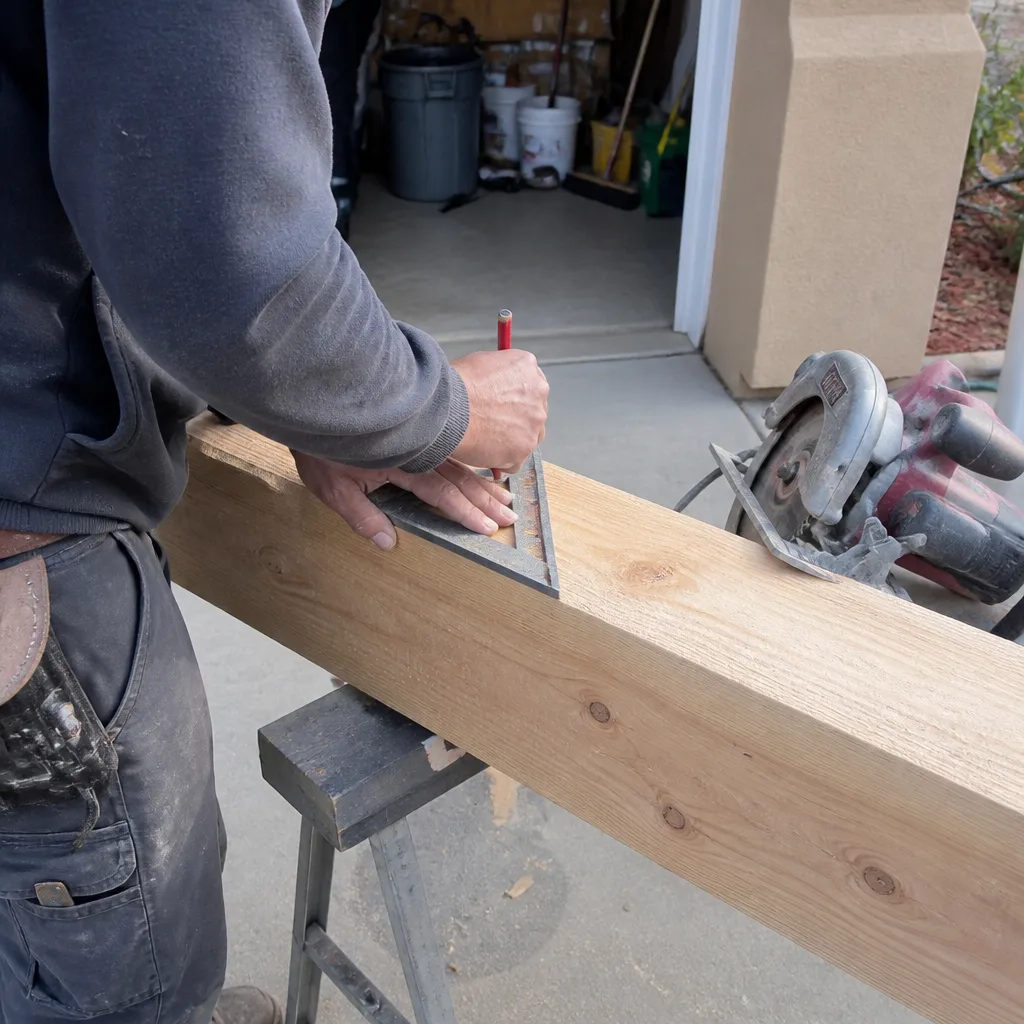
Luca Romano and our crew see this constantly: the box store concrete mix sat in the garage too long, got moisture in it, or someone used the wrong PSI rating for a footer. The good news is you don’t have to guess. We’re an independent contractor in Santa Clarita, not affiliated with Sakrete, but we spec their mixes on projects all over Valencia, Canyon Country, and Saugus because the quality holds up when the bag is fresh and the pour is done right.
Which Sakrete Models This Applies To
Sakrete makes more than a dozen mixes that apply to home additions and ADUs, and matching the right one matters more than most people think. The three we reach for most on Santa Clarita projects:
- High-Strength Concrete Mix (5000 PSI) – our default for footers and retaining walls. You want 5000 PSI, not the 4000 PSI general-purpose mix, because Santa Clarita’s expansive clay soil expands and contracts through the seasons. The weaker mix cracks faster under that movement.
- Fast-Setting Concrete Mix – for fence posts, mailbox anchors, and small pad footers where you can’t wait seven days for full cure. Sets in about 20 to 40 minutes, but it’s not for structural slabs.
- Sand Mix / Mortar Mix – for the CMU block work you’ll see on the stem walls of most garage conversions and ADU foundations in Newhall and Stevenson Ranch.
The compatibility gotcha most people miss: Sakrete bags have a date code stamped on the side. If the bag is more than 12 months old, or it’s been stored somewhere with zero climate control like a Santa Clarita summer garage, throw it out. Cement hydrates slowly just from ambient moisture. Old bags pour like chunky oatmeal and deliver maybe 60 percent of the rated strength. We stock fresh bags on the truck and check the date before anything gets mixed.
OEM versus aftermarket doesn’t really apply the same way it does with appliance parts. Sakrete is the brand, and there aren’t “knockoff bags” floating around. What exists is the cheap general-purpose mix at half the price that homeowners grab because it’s in stock. If the plans spec 5000 PSI, nothing else substitutes. We quote the right mix by name on every estimate so you’re never paying for a product the job doesn’t need.
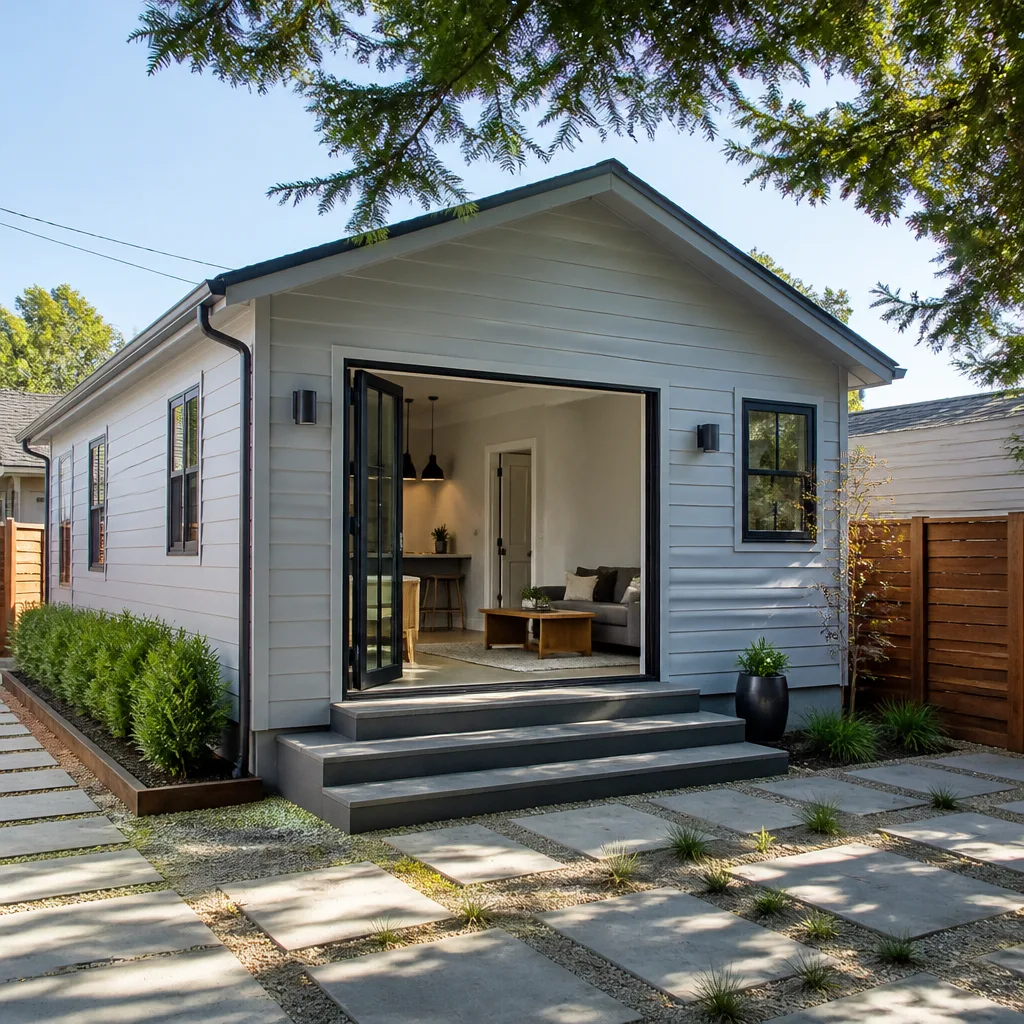
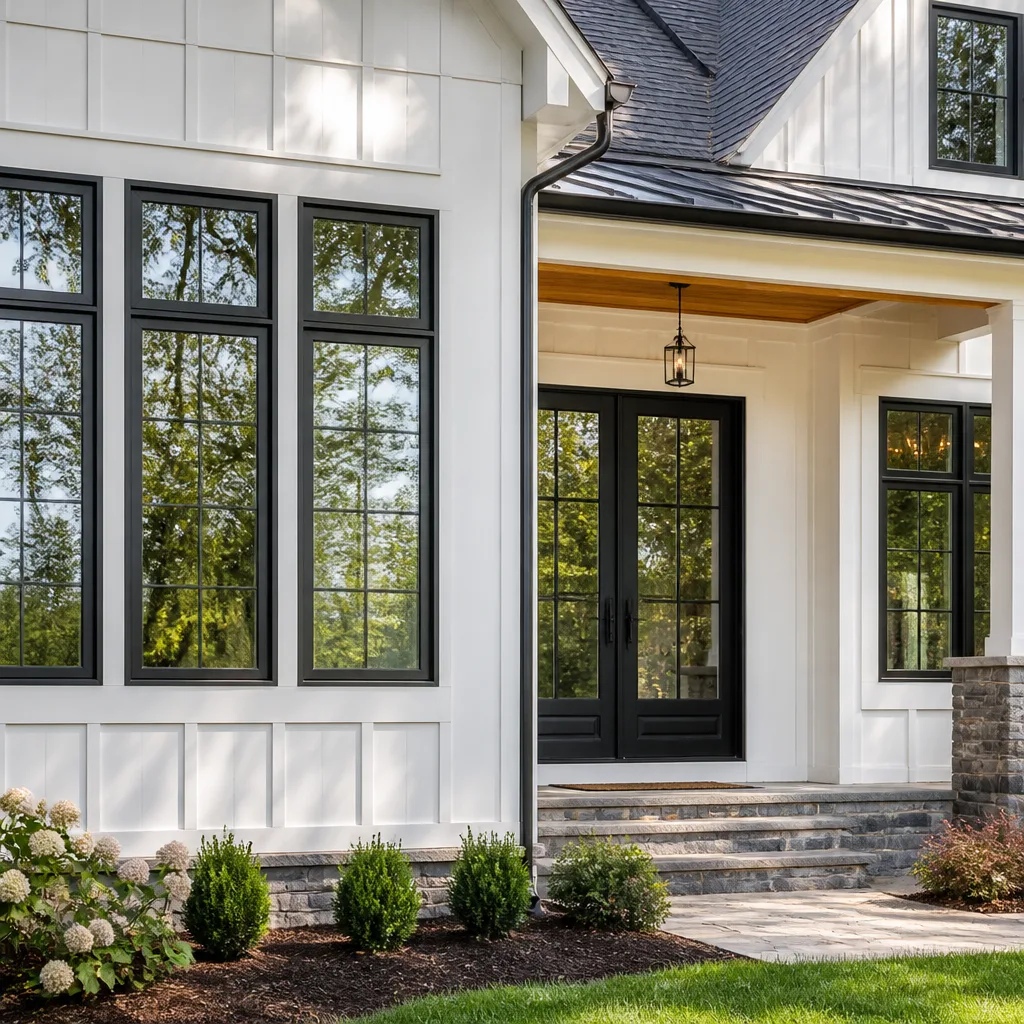
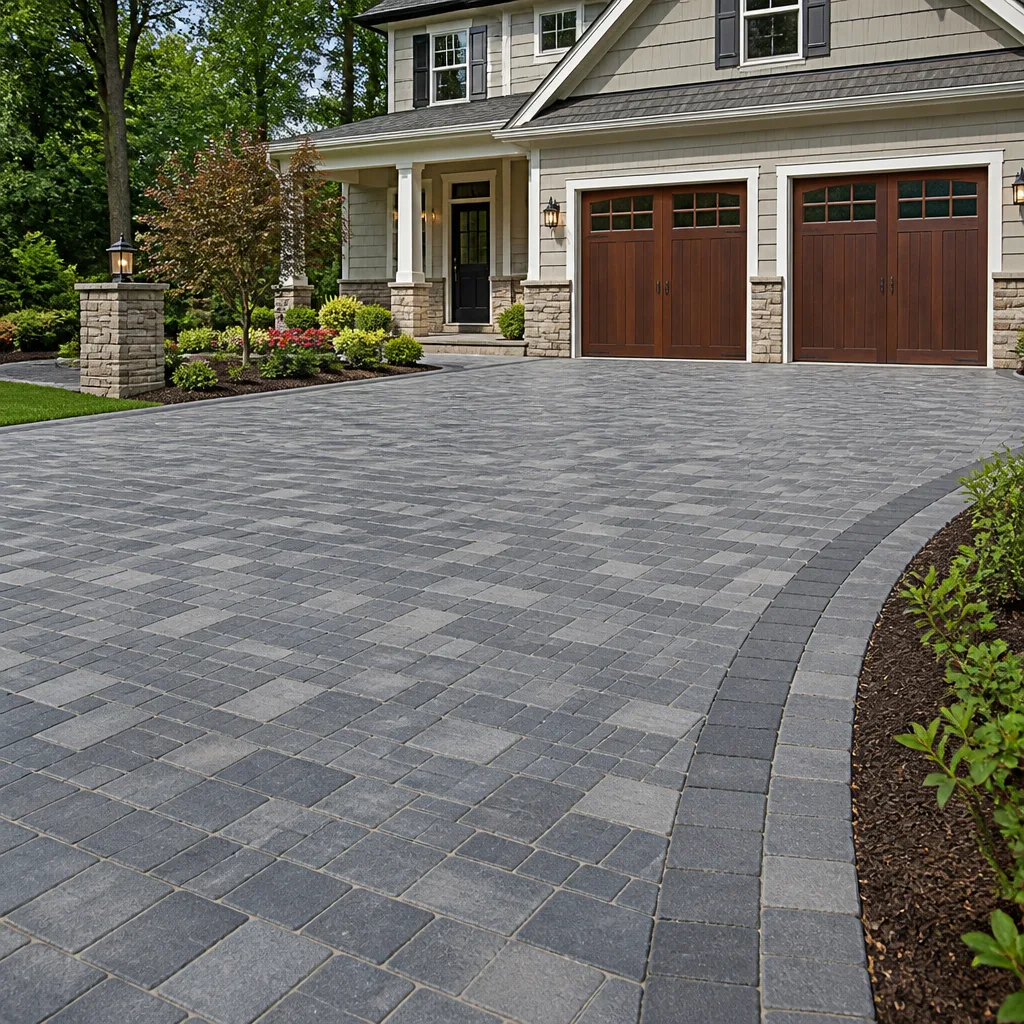
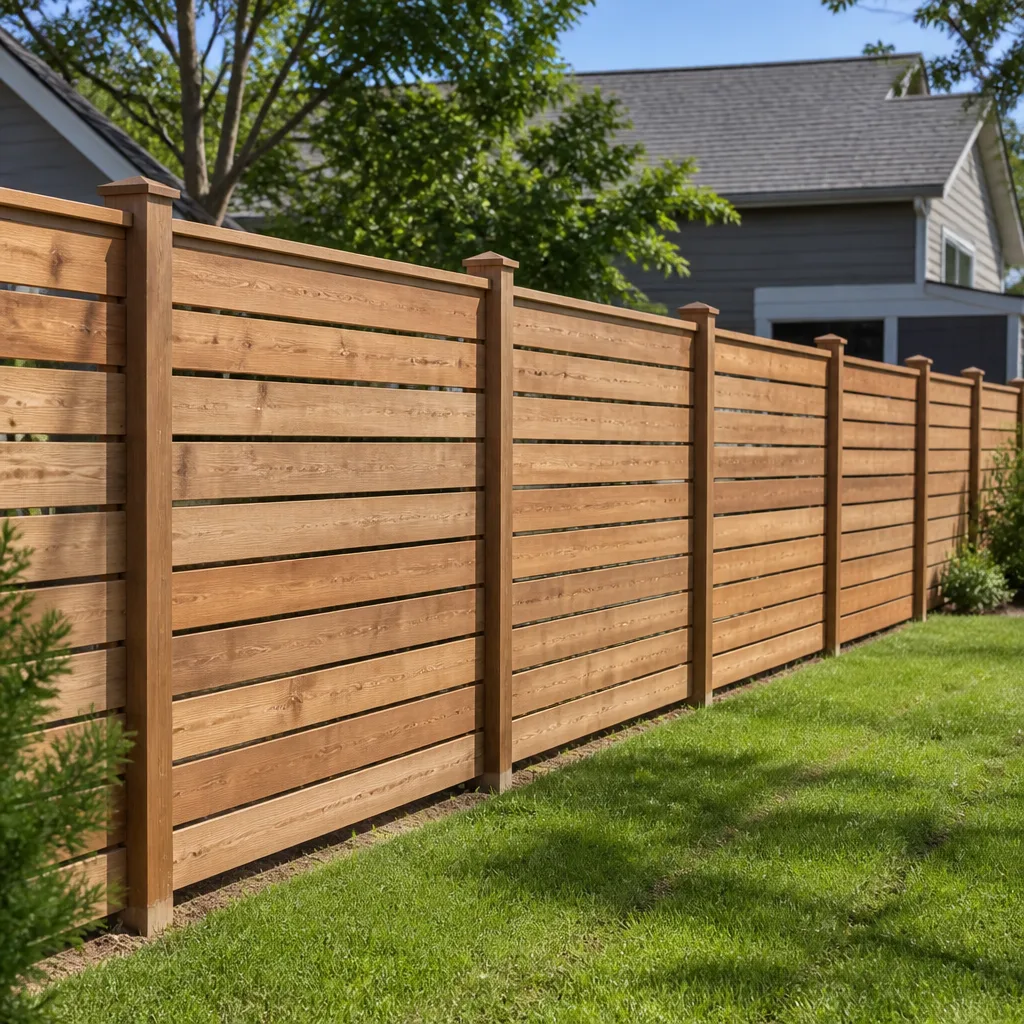
Styles & brands we work with
Signs Your Sakrete Home Additions & ADU Is Failing
- Hairline cracks running in straight lines across the slab. This is usually shrinkage or settlement from an under-compacted base. If the crack is wider than a dime edge, the slab is moving and the poured footer may be undersized for the soil condition.
- Efflorescence: white chalky powder blooming on the surface. This means moisture is pushing minerals through the concrete. In Santa Clarita, where summer hits 105 degrees and winter rains soak the ground, it’s a sign the slab lacks a vapor barrier underneath or drainage wasn’t sloped correctly.
- Anchor bolts that spin instead of torque. Bolts set too early, or in concrete that was already starting to kick, will never achieve hold. A spinning bolt on a sole plate is a structural red flag on any ADU.
- Concrete that chips or crumbles at the edges during the first year. That’s a low-PSI mix or a bad water-to-mix ratio. Someone added water to make it pour easier, and the strength paid the price.
- Slab feels hollow or sounds drummy when tapped. Voids underneath mean the subgrade wasn’t compacted or the concrete wasn’t consolidated. You can hear it with a hammer or a screwdriver handle.
None of these fix themselves. Waiting usually turns a $1,500 repair into a structural issue that touches the framing above it.
See the difference
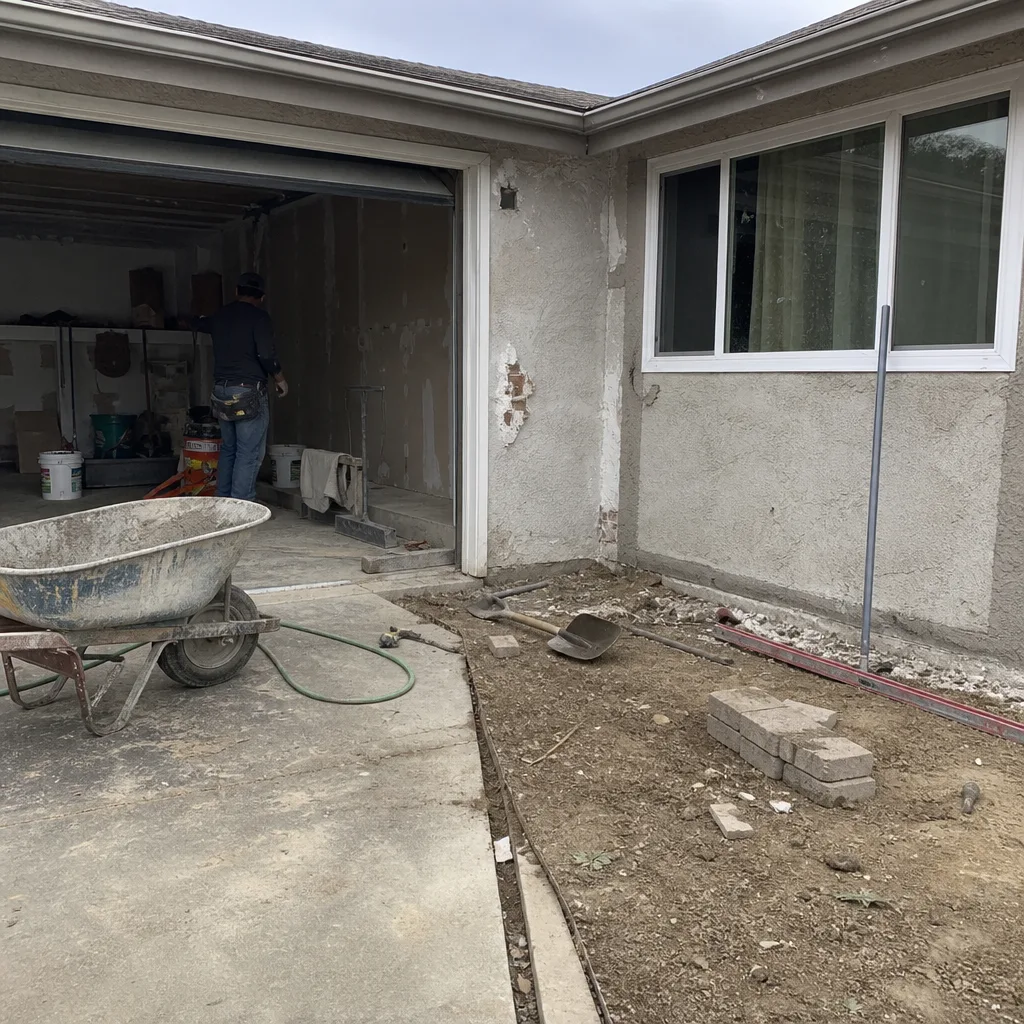 Before
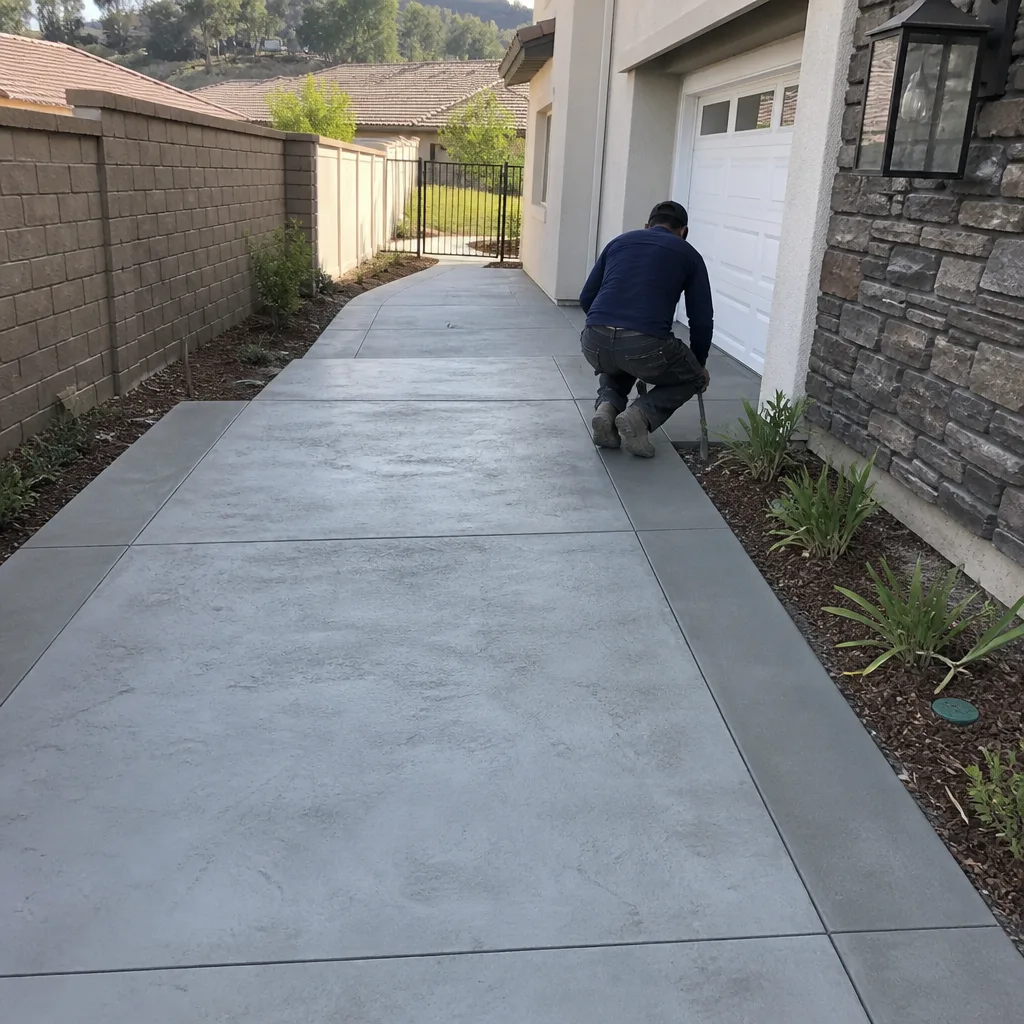 After
After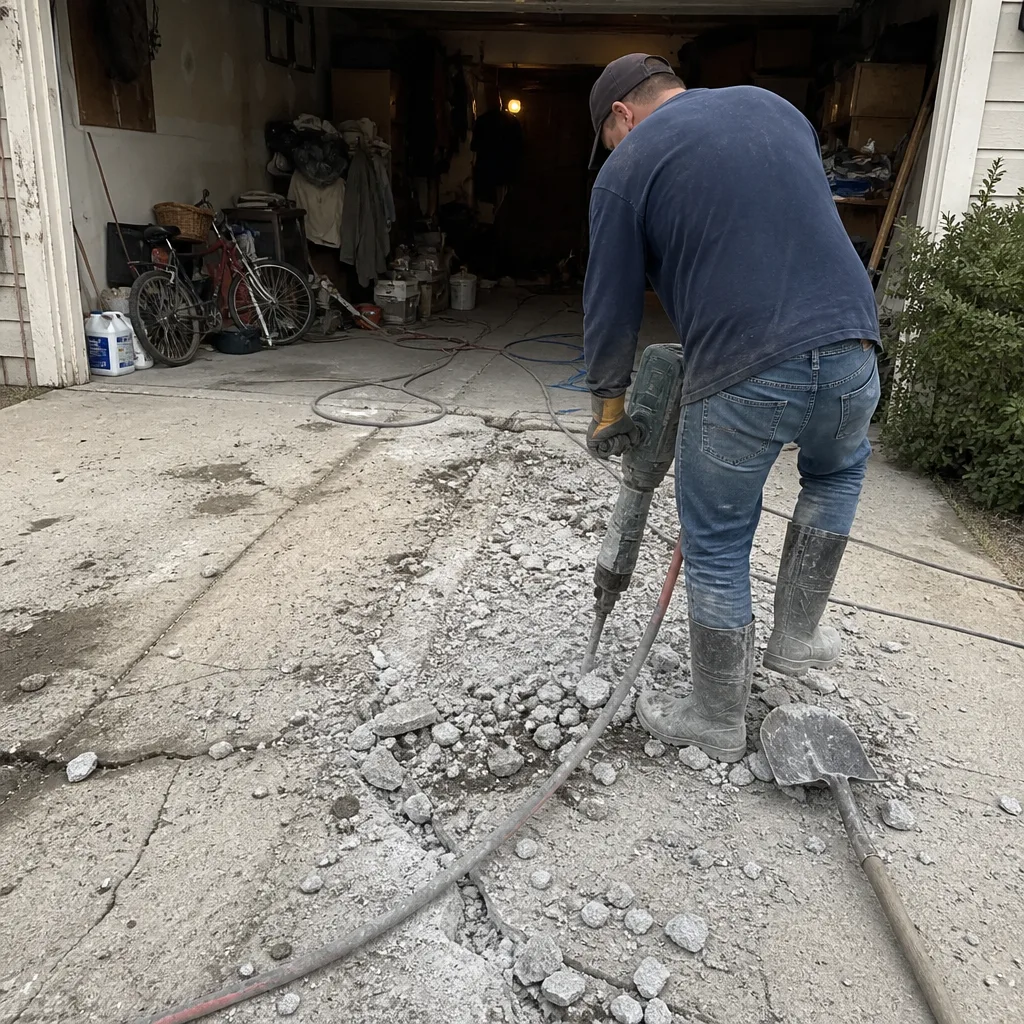 Before
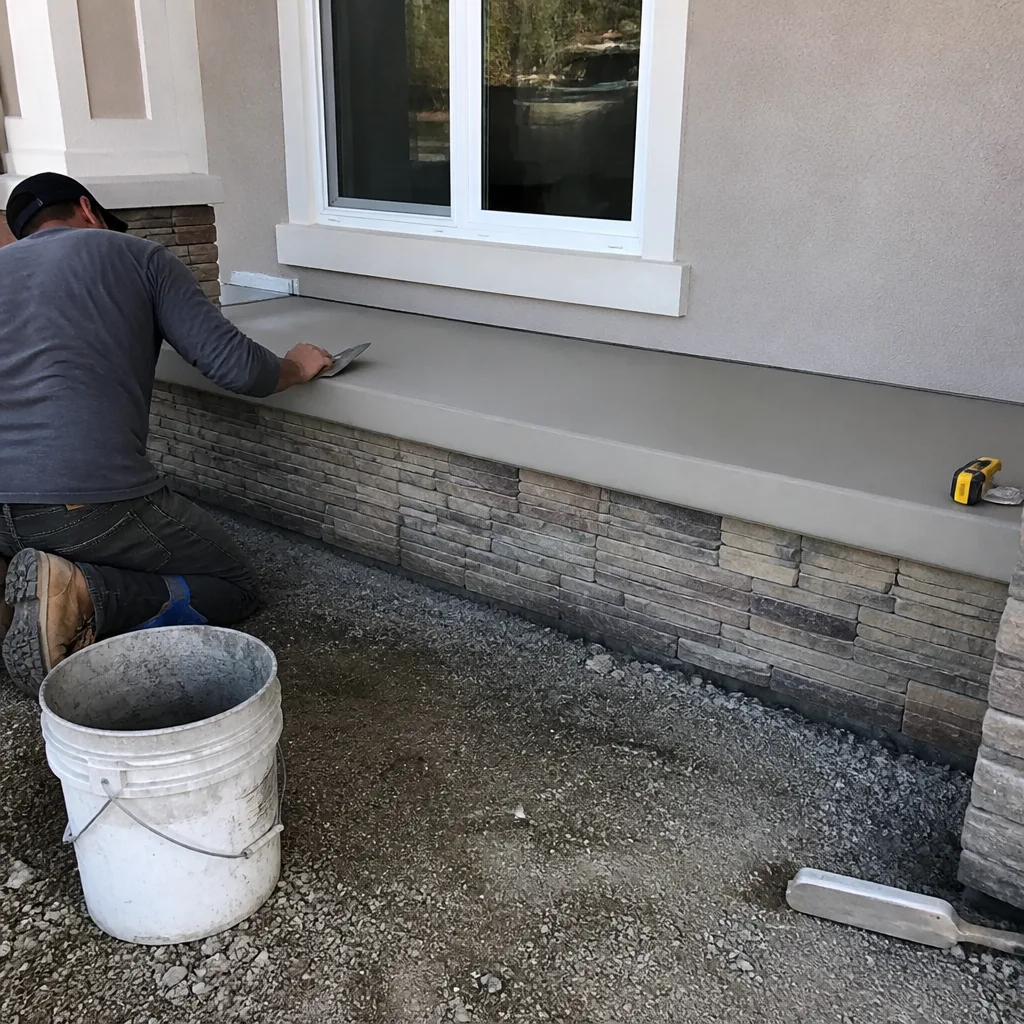 After
After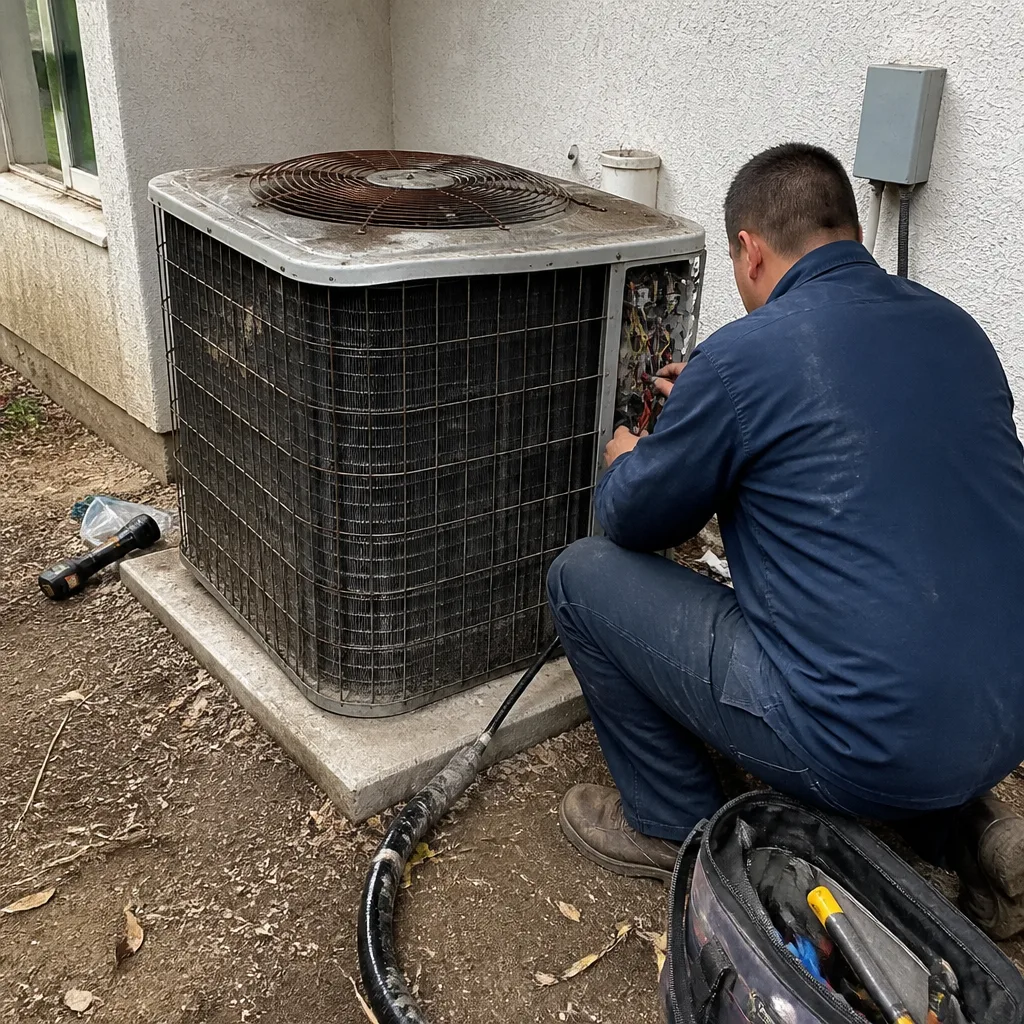 Before
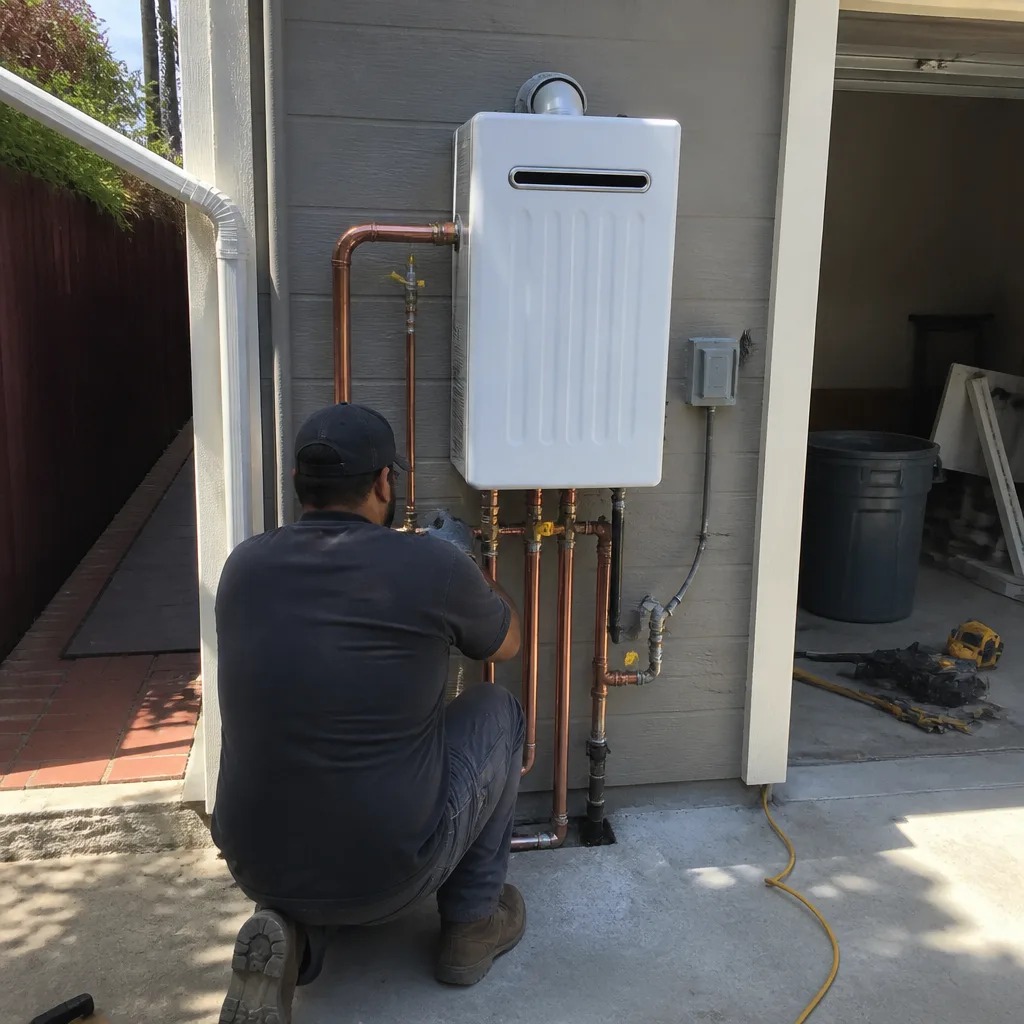 After
AfterReplacement Cost & What’s Included
Here’s what you’re looking at in Santa Clarita for the concrete side of home additions and ADUs:
| Scope of Work | Typical Range in Santa Clarita |
|---|---|
| Slab repair (crack filling, epoxy injection, surface patch) | $800 – $3,500 |
| New slab pour for small addition (200 – 400 sq ft) | $4,500 – $12,000 |
| Full foundation for an ADU including footers, stem walls, and slab | $18,000 – $45,000 |
| Complete home addition (concrete + framing + finishes) | $45,000 – $130,000 |
| Complete ADU (permits, foundation, all trades, finishes) | $90,000 – $220,000 |
Everything we quote includes the written price before work starts, fresh Sakrete or equivalent mix by name, rebar and mesh where the plans call for it, proper forming, and a 365-Day Done Right Promise: if it’s not done right, we make it right, in writing. No change orders, no surprise line items, no “we had to add extra” at the end.
What drives the range: access to the site (a tight Canyon Country backyard costs more than an open Valencia lot), the PSI spec, whether we’re pouring on a slope, and how much demolition the old work requires first.
DIY or Call Us?
You can check the date code on your Sakrete bags yourself. You can also mix and pour a fence post or a mailbox pad without much risk. But the moment we’re talking about a slab that carries walls, an ADU foundation, or anchor bolts holding framing to concrete, the risk shifts from “cosmetic mistake” to “structure fails.” A Santa Clarita ADU is inspected by the city. The inspector looks at rebar placement, mix tickets, and PSI ratings. A failed inspection costs you time and money.
We’ve torn out enough homeowner pours to know the pattern: the mix was right but the base wasn’t, or the pour got rained on, or the form blew out at the corner. Concrete is unforgiving. Once it’s set, your mistake is permanent. Call (661) 592-1977 before you mix.
FAQs
A properly poured 5000 PSI slab on a compacted base in Santa Clarita should last 40 to 50 years before significant deterioration, though surface wear from sun and occasional freeze cycles will show sooner. The factors that shorten lifespan most are poor drainage, expansive soil, and older or moisture-damaged mix that never reached its rated strength.
Yes, if the damage is confined to surface cracks and the underlying base is sound. Epoxy injection or routing and sealing can extend a slab’s life for another decade or more. If the slab is hollow, tilting, or the cracks are wider than a quarter inch and growing, replacement is usually the honest answer. Call (661) 592-1977 and we’ll tell you which category you’re in.
For a typical 200 to 400 square foot slab, plan on one day for demolition and base prep, one day for forming, rebar, and pouring, and three to seven days of cure time before framing goes on top. Fast-setting mixes can speed small jobs up, but structural slabs should cure properly even if the surface feels hard the next morning.
We stock fresh Sakrete High-Strength Concrete Mix, Fast-Setting Concrete Mix, and Sand Mix on our trucks for most Santa Clarita jobs, along with the standard rebar, mesh, and forming materials. We also work with KraftMaid, Cambria, and Silestone for finishes when your addition or ADU moves past the foundation phase. If your project needs a specific mix we don’t carry that day, we source it before we start, not after.
Written by Luca Romano, Owner, Sawyer Remodel Santa Clarita at Sawyer Remodel Santa Clarita, serving Santa Clarita and nearby areas.