Free written scope consultation - allowances, timeline, and change-order rules on paper before a single trade is scheduled
Jerith Home Additions & ADU: The Santa Clarita Owner’s Guide
Jerith home additions and ADU builds in Santa Clarita typically run $45,000 to $130,000 installed, and the part most owners need first is an honest assessment of what their existing structure can carry. We handle everything from the permit set to the final inspection, including the structural work that makes or breaks the project. Most people call us after they have noticed a cracked foundation line, a sagging roofline, or an addition that was roughed in years ago and never finished. The symptom picture is usually the same: a door that no longer closes square, drywall cracking at the corners, or water showing up where it never used to.
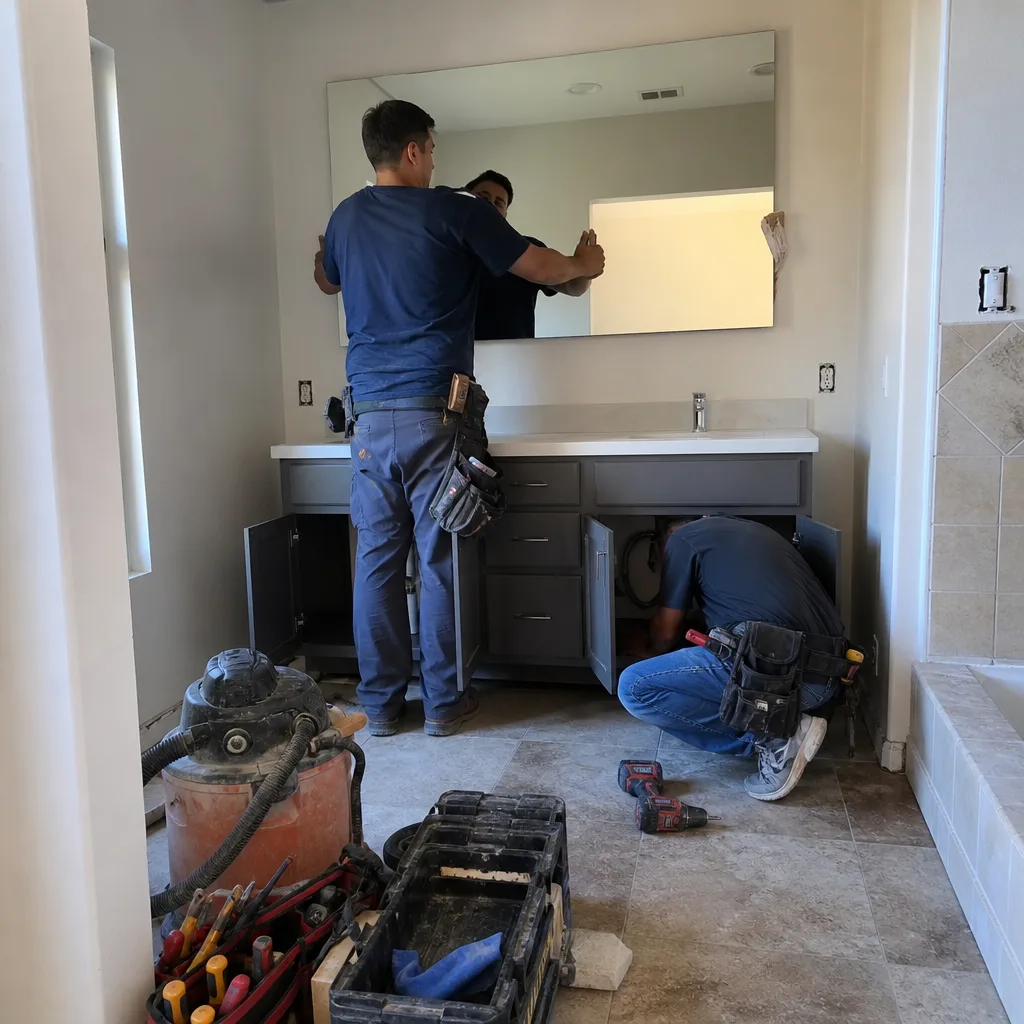
We are an independent service provider, not affiliated with Jerith. What we do is match the right framing, foundation, and finishing work to the structure you already have, then price it in writing before we touch a single stud.
Which Jerith Models This Applies To
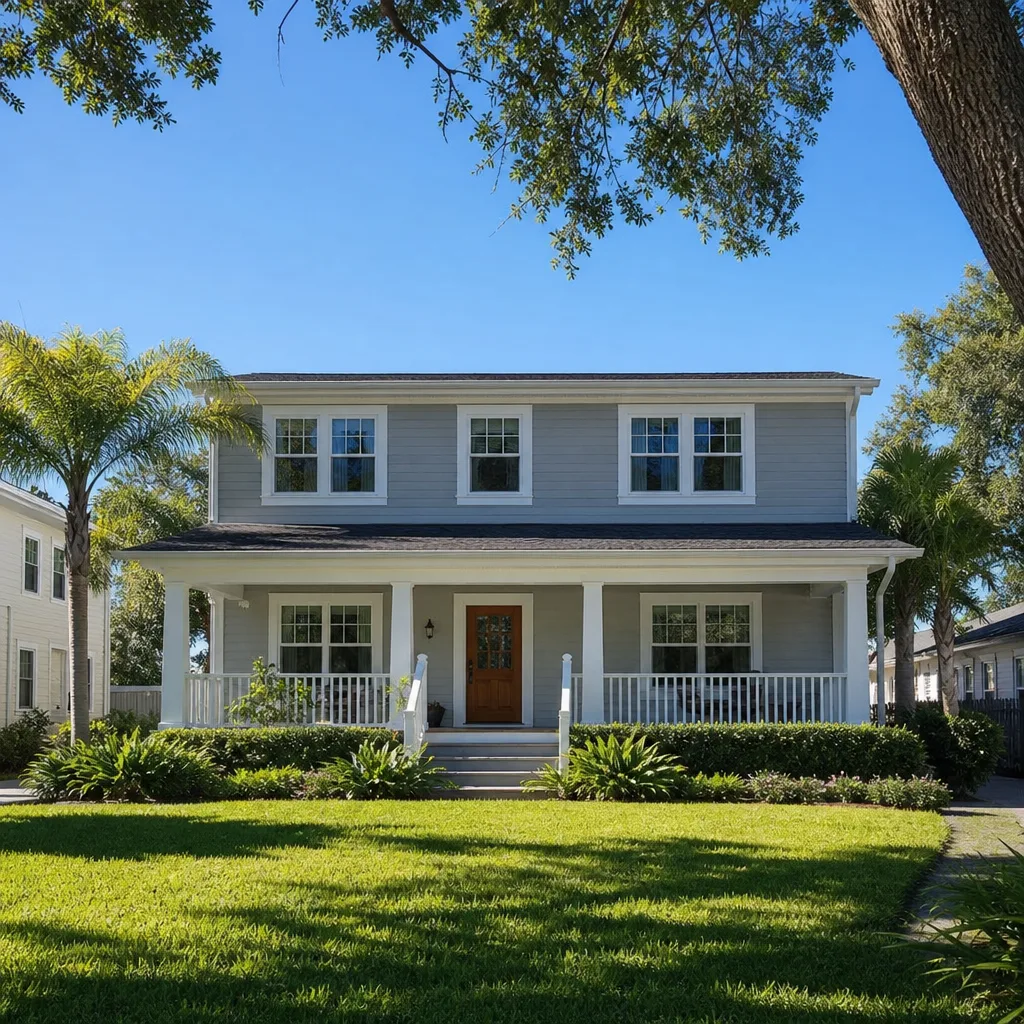
Jerith product lines that involve residential additions, attached ADUs, or garage conversions all start with the same question: what is the existing footer, and what is the connection point to the main structure. The compatibility issue is not the brand name on the hardware. It is the engineering. A Jerith prefabricated wall panel, for example, will not sit correctly on a stem wall that has settled more than a quarter inch over a ten-foot run. We check that with a laser before we quote anything.
How to identify what you have: look for a manufacturer label on the interior side of any prefabricated panel or header. The label will list the series, the panel width, and the load rating. If the label is gone, we measure the panel thickness and the anchor bolt pattern. That tells us whether we are working with an OEM Jerith component or a job-built equivalent. For most Santa Clarita homes built after 2005, the existing addition work was done with dimensional lumber and site-built headers. In those cases, the “part” that fails first is almost never the lumber. It is the flashing, the anchor bolts, or the shear paneling. We stock standard anchor bolts, Simpson ties, and flashing stock on the truck. Custom Jerith panels take three to five days.
The OEM versus aftermarket decision matters here. Jerith’s own panels are engineered as a system. Mixing a knockoff panel with OEM anchors can void any remaining manufacturer coverage and, more importantly, create a load path that does not match the original engineering. We use OEM when the panel is structural. For trim, flashing, and non-structural components, quality aftermarket equivalents from Simpson and MiTek are more than adequate and cost less.
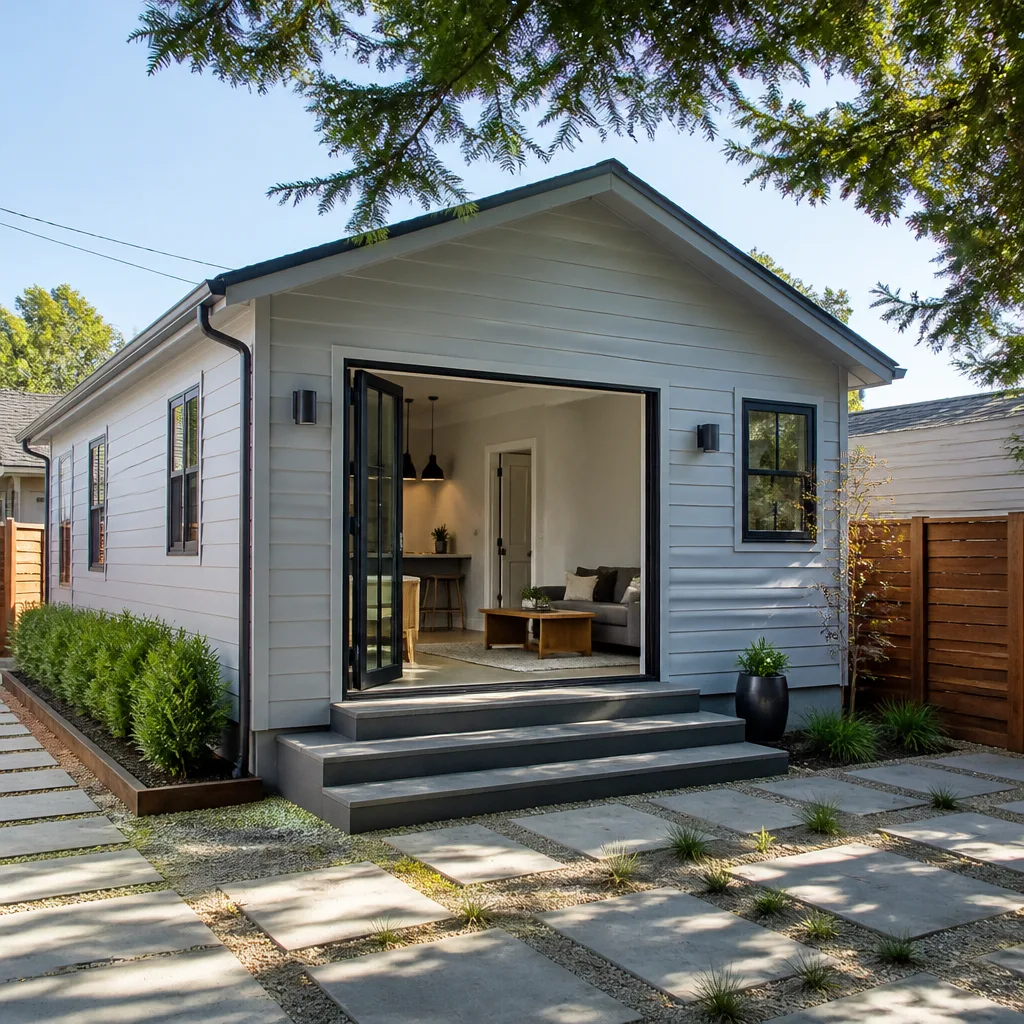
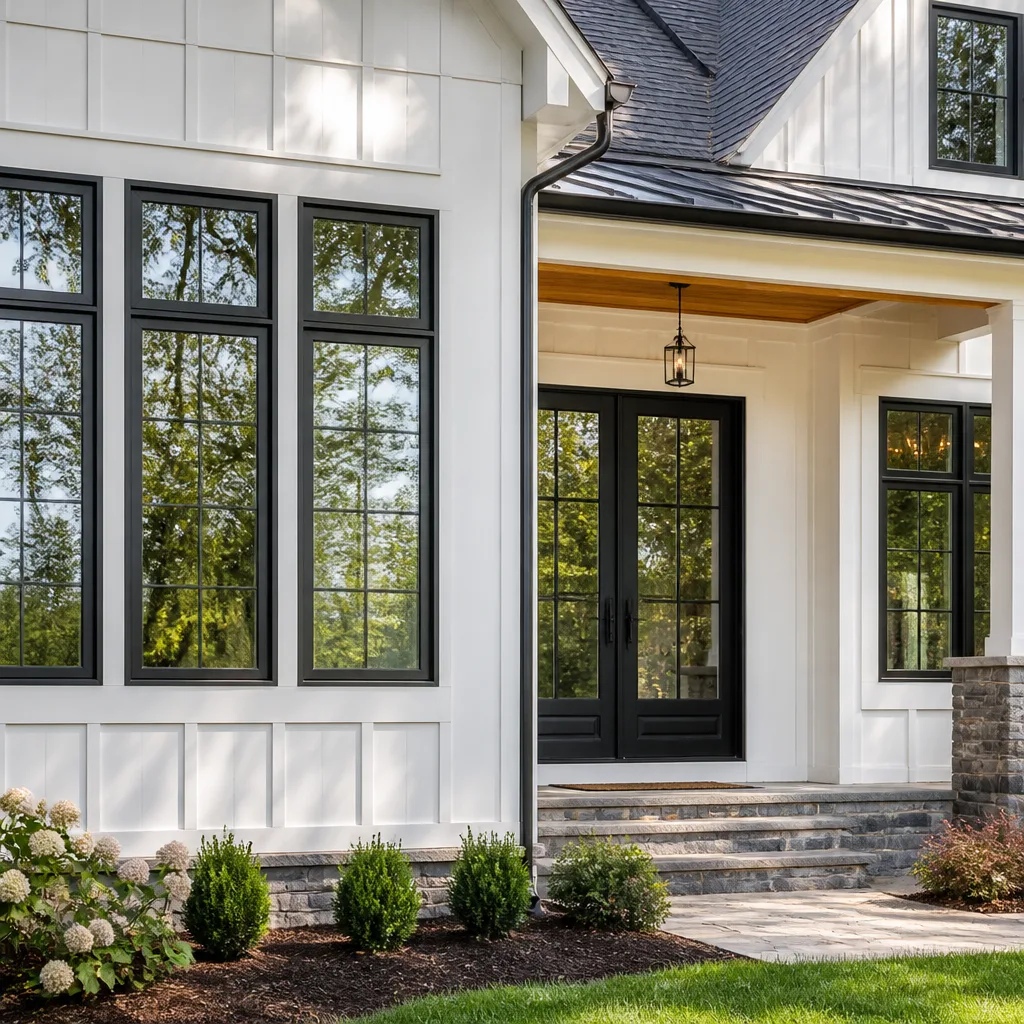
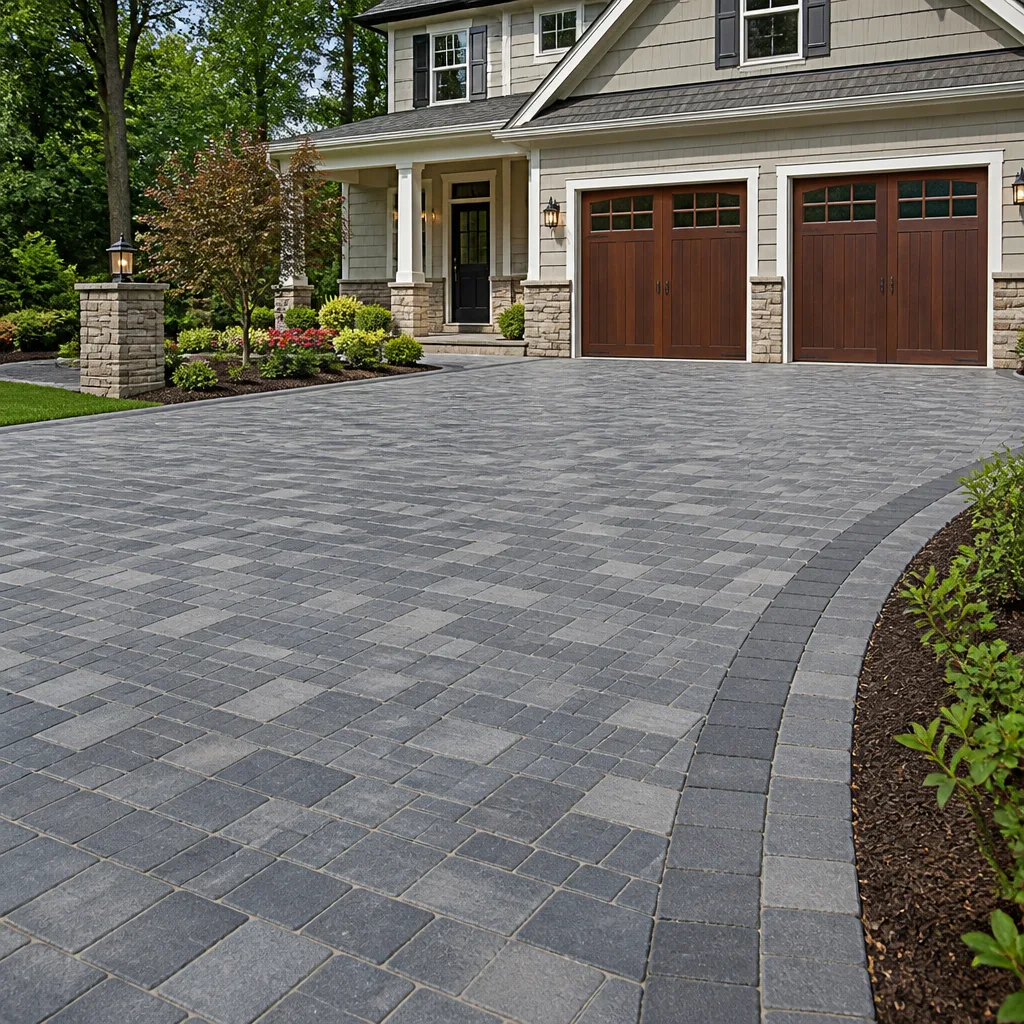
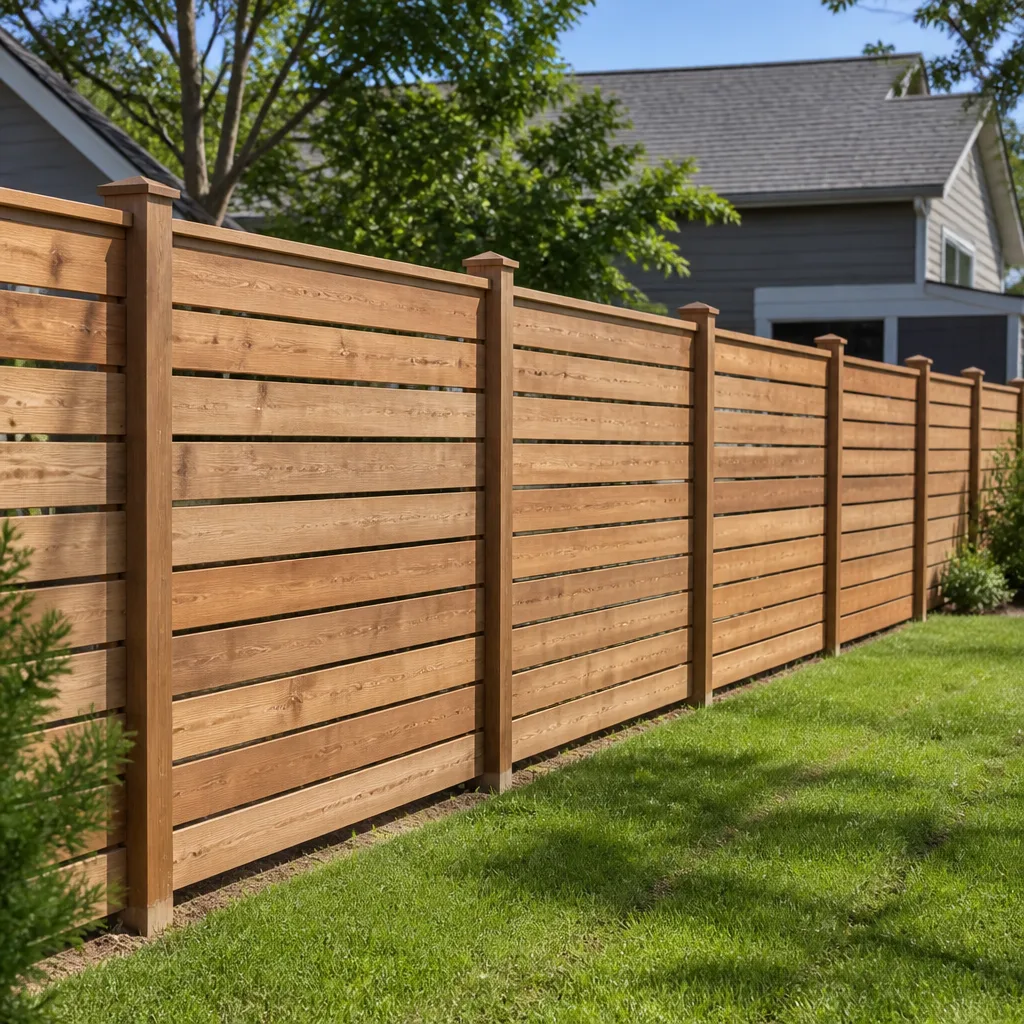
Styles & brands we work with
Signs Your Jerith Home Additions & ADU Is Failing
- Doors and windows that bind or will not latch. This means the addition is settling unevenly. The cause is usually a footer that was poured too shallow for Santa Clarita’s expansive clay soil, which swells in winter and contracts through our dry summers.
- Diagonal drywall cracks at the corners of windows or doors. That is shear movement. The wall is racking because the shear paneling or the strapping has loosened or was never installed to spec.
- Water staining or soft drywall at the roofline where the addition ties into the main house. The transition flashing has failed or was lapped wrong. We see this constantly on additions built before 2010 in Valencia and Saugus.
- A visible gap opening between the addition’s exterior wall and the main structure. The two structures are moving at different rates. This is common when the addition sits on a slab and the original house sits on a raised foundation.
- Floor squeaks that keep getting louder, or tile that cracks in a straight line. The subfloor is flexing because the joist spacing or the beam sizing was undersized for the span. This is a structural warning, not a cosmetic annoyance.
See the difference
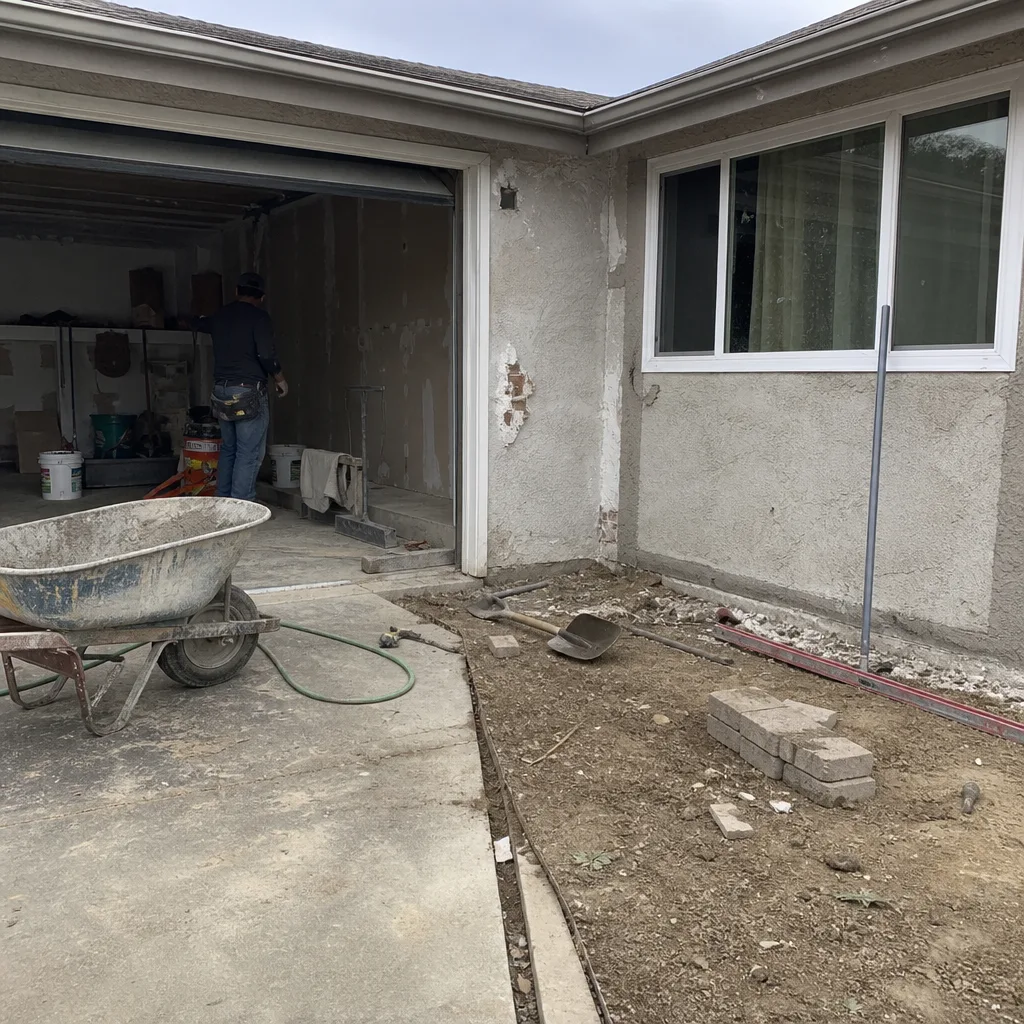 Before
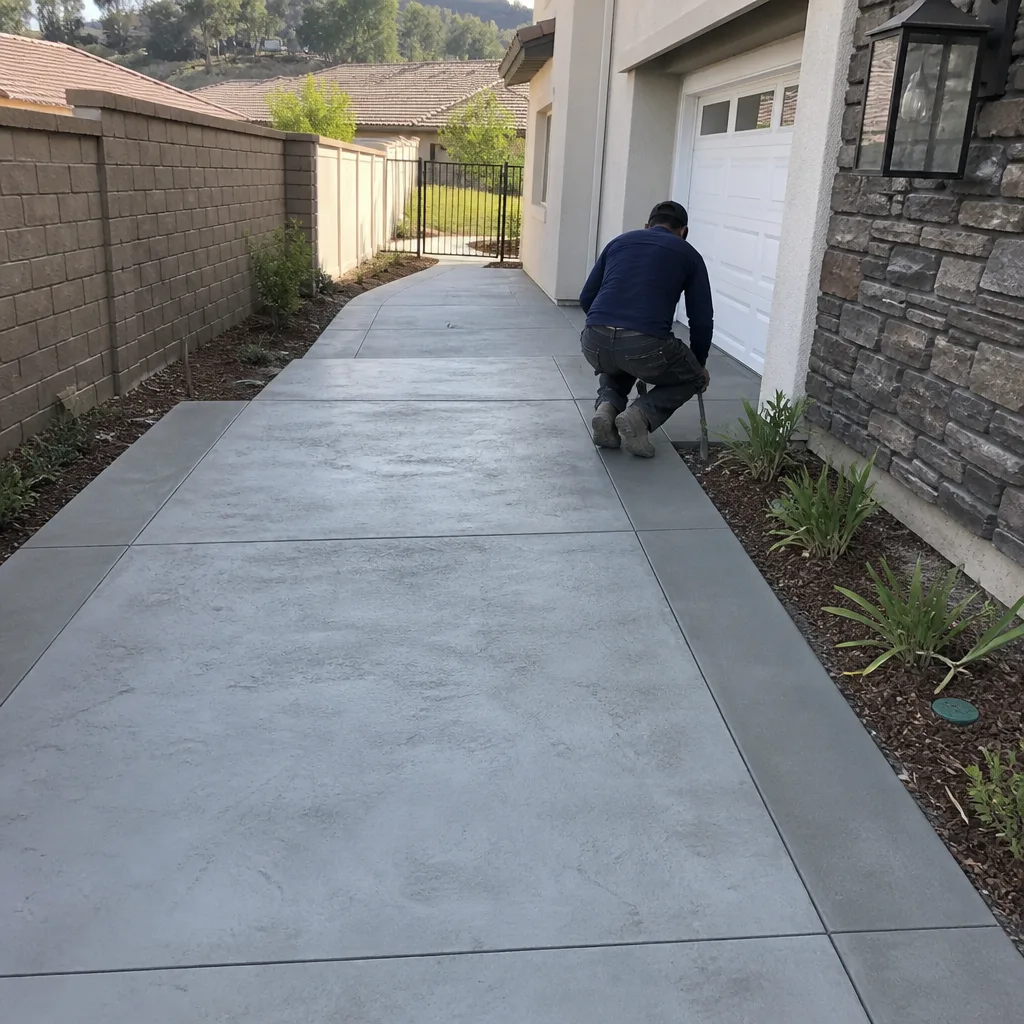 After
After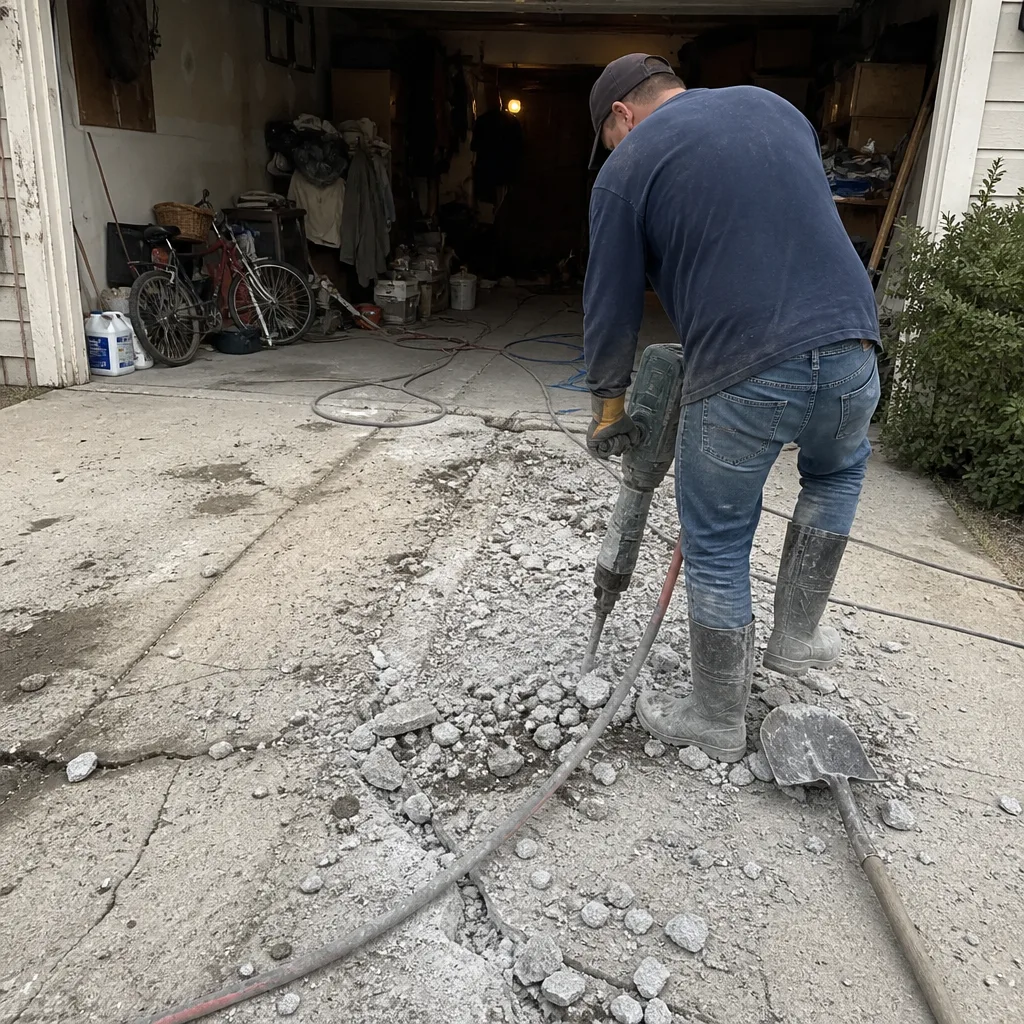 Before
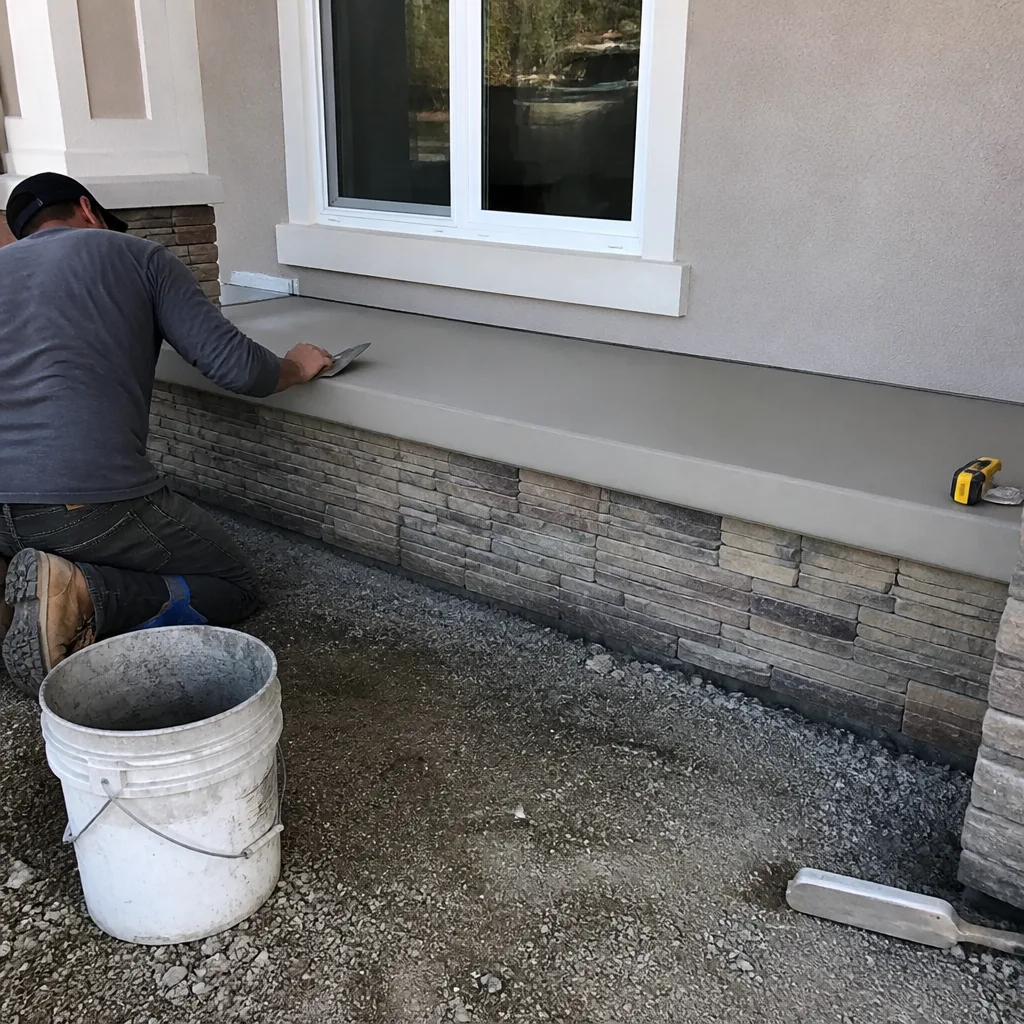 After
After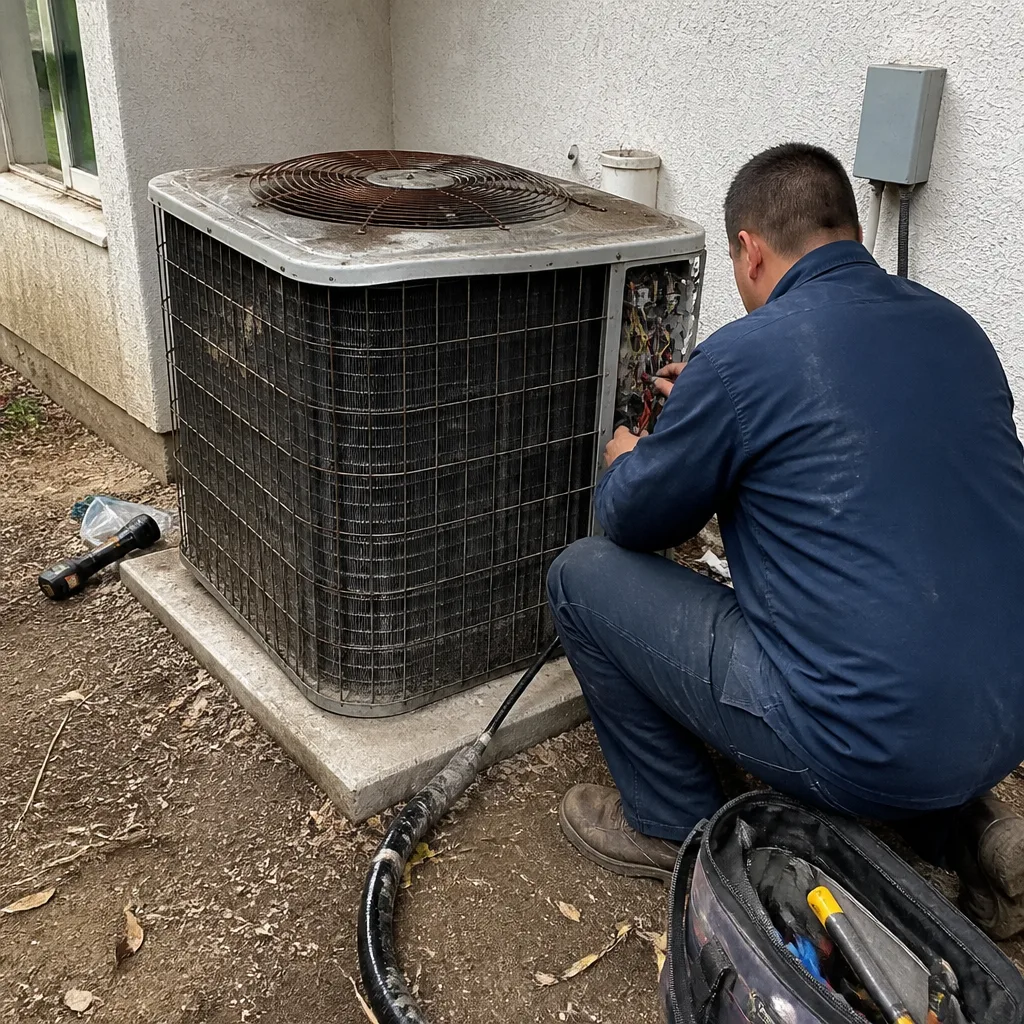 Before
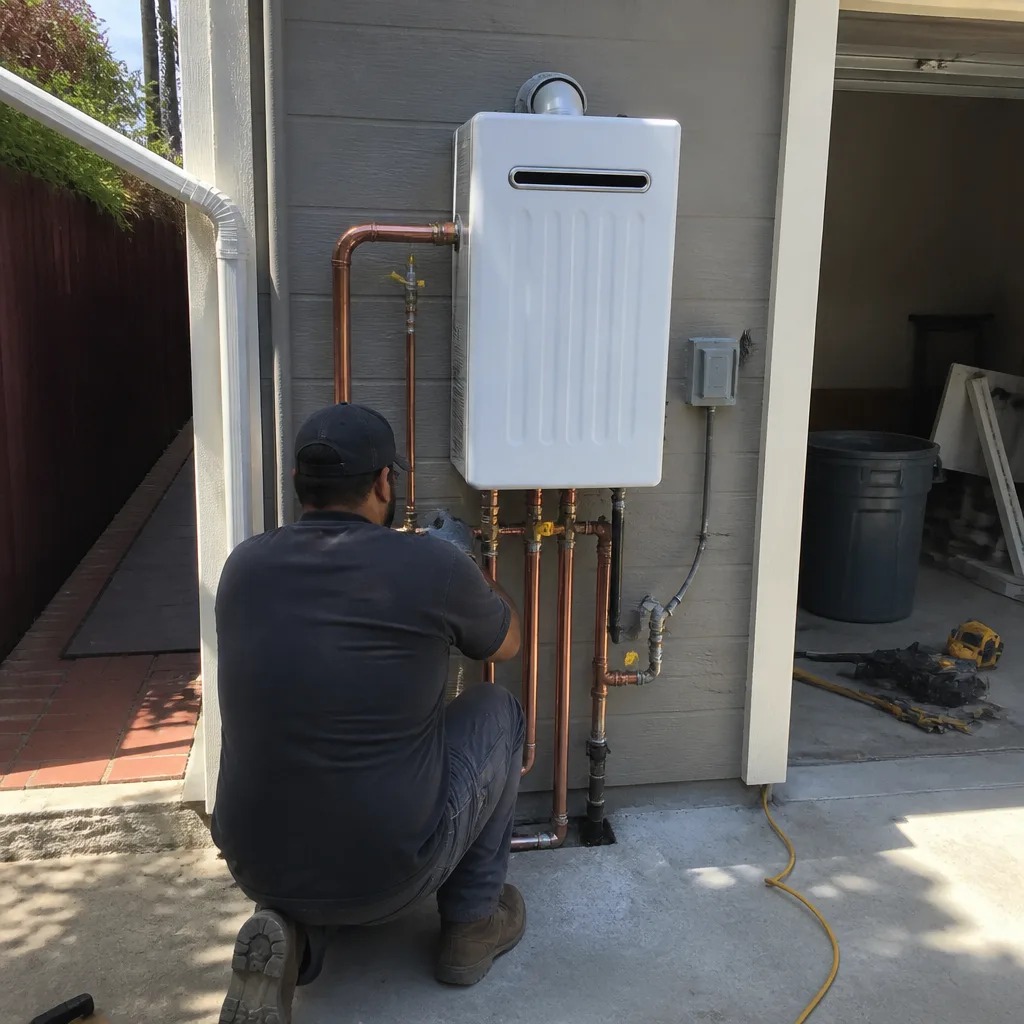 After
AfterReplacement Cost & What’s Included
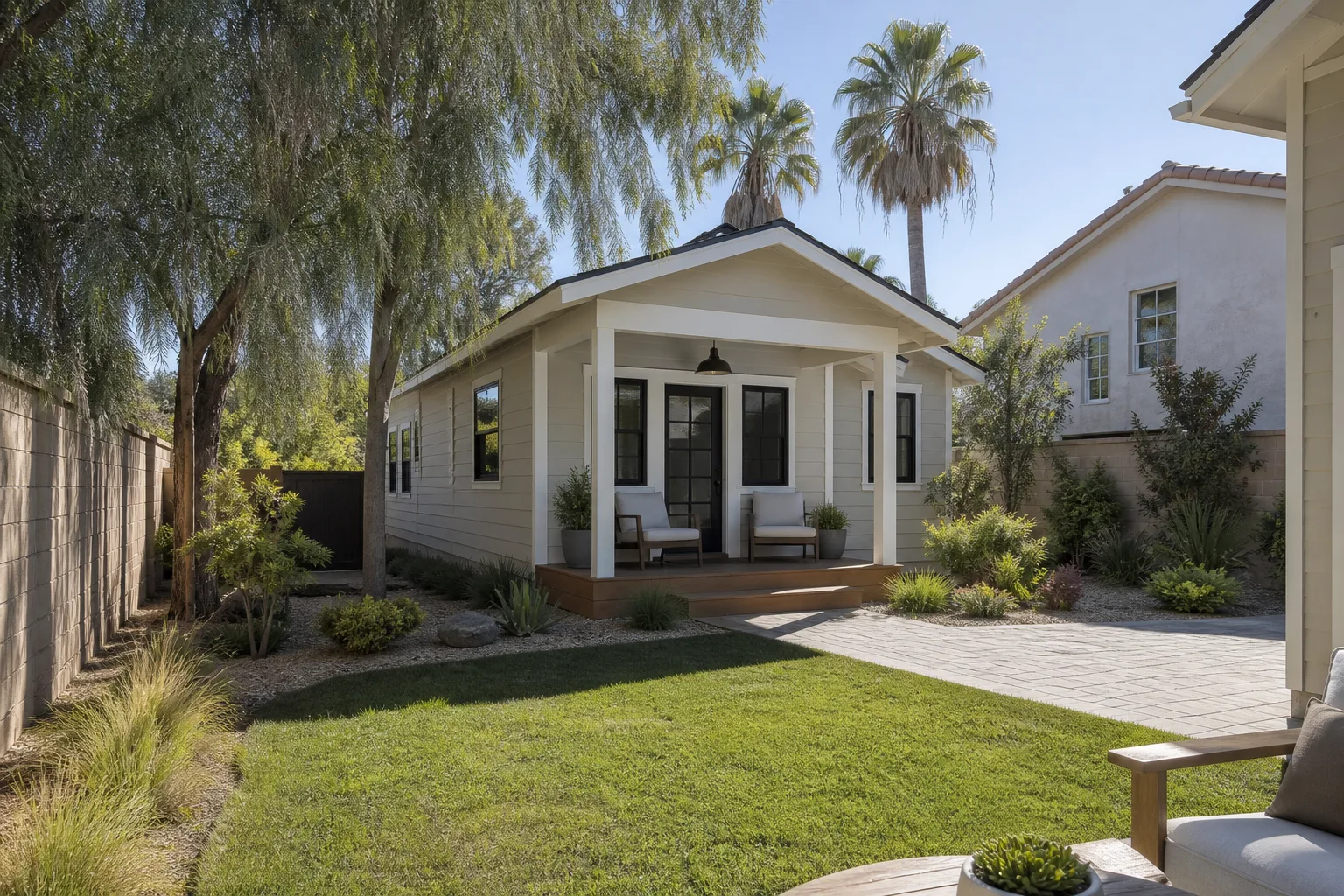
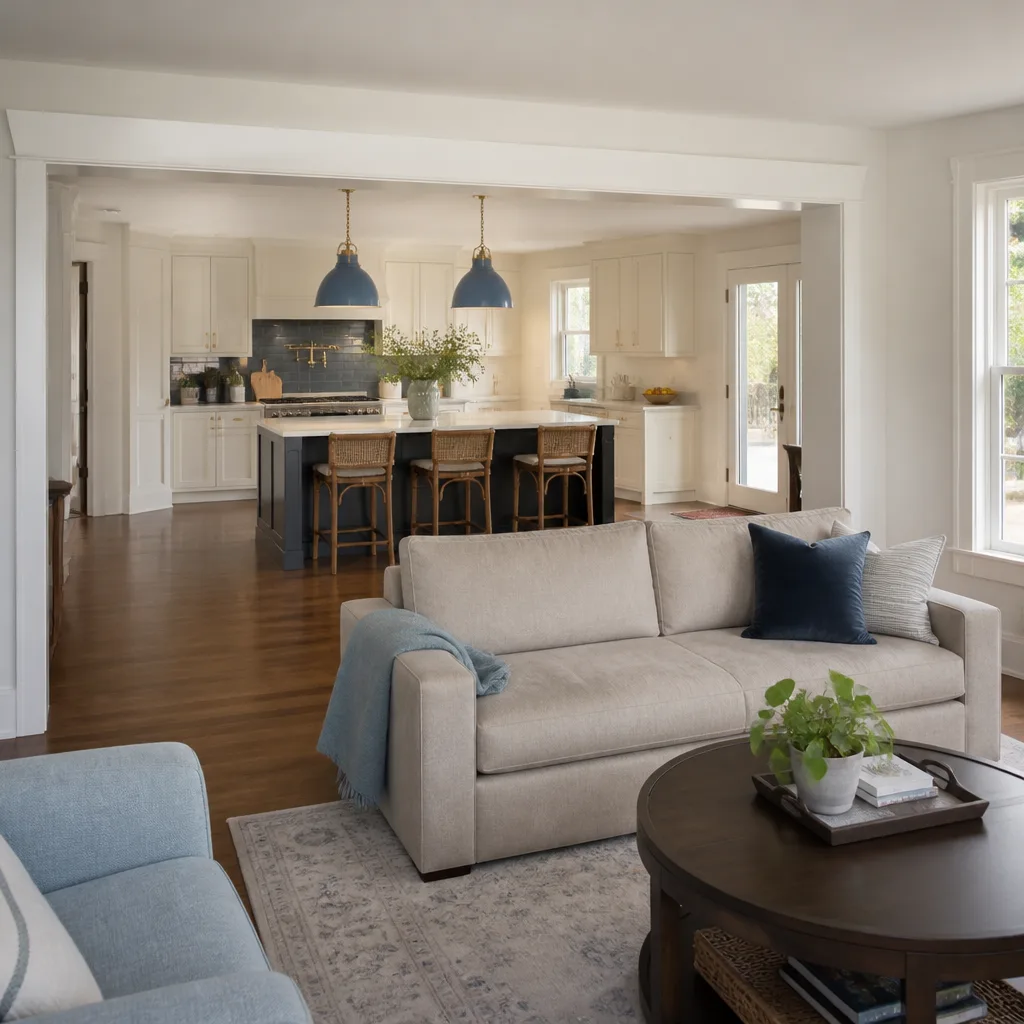
In Santa Clarita, a full home addition runs $45,000 to $130,000, and an ADU from the ground up runs $90,000 to $220,000. The gap between those ranges comes down to two things: whether the existing foundation can be reused, and whether the mechanical, electrical, and plumbing rough-ins need to be extended from the main house or built new. A garage conversion lands at $30,000 to $80,000, and the biggest cost driver is usually bringing the old garage slab up to current insulation and moisture-barrier code, not the framing itself.
What that includes: the written price you approve covers permits, demolition, framing, structural ties, rough-in, drywall, and finish work. No change orders unless you change the scope. The warranty on our structural work is included, and it is backed by our 365-Day Done Right Promise. If something is not done right, we make it right. That is in writing on every project, including this kind of repair.
DIY or Call Us?
You can check your anchor bolts. Walk the perimeter of the addition with a flashlight and look for bolts that have pulled up through the sill plate. You can also check your flashing at the roofline with a ladder and look for lifted laps or missing sealant. What you should not do is attempt to jack a sinking addition, cut into a load-bearing wall, or sister joists without a structural plan. The loads involved are real. A failed jacking attempt can drop a roof section, and a cut into the wrong member can put the whole addition out of plane. This is not fastener work. This is the skeleton of your house.
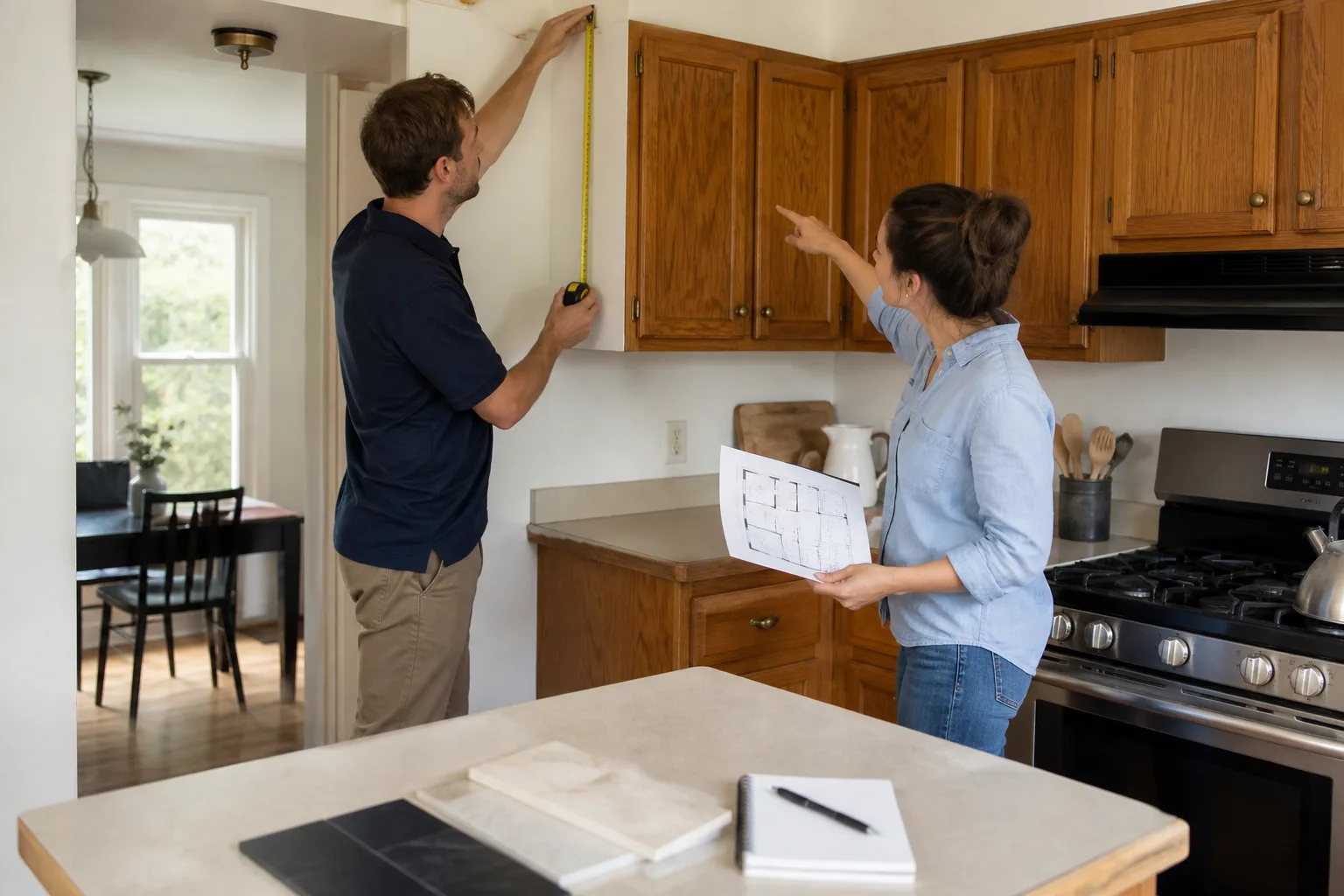
Call (661) 592-1977. We will send someone out, take measurements, and give you a written price before any work starts. If you just want an opinion on what you are looking at, we will tell you that too.
FAQs
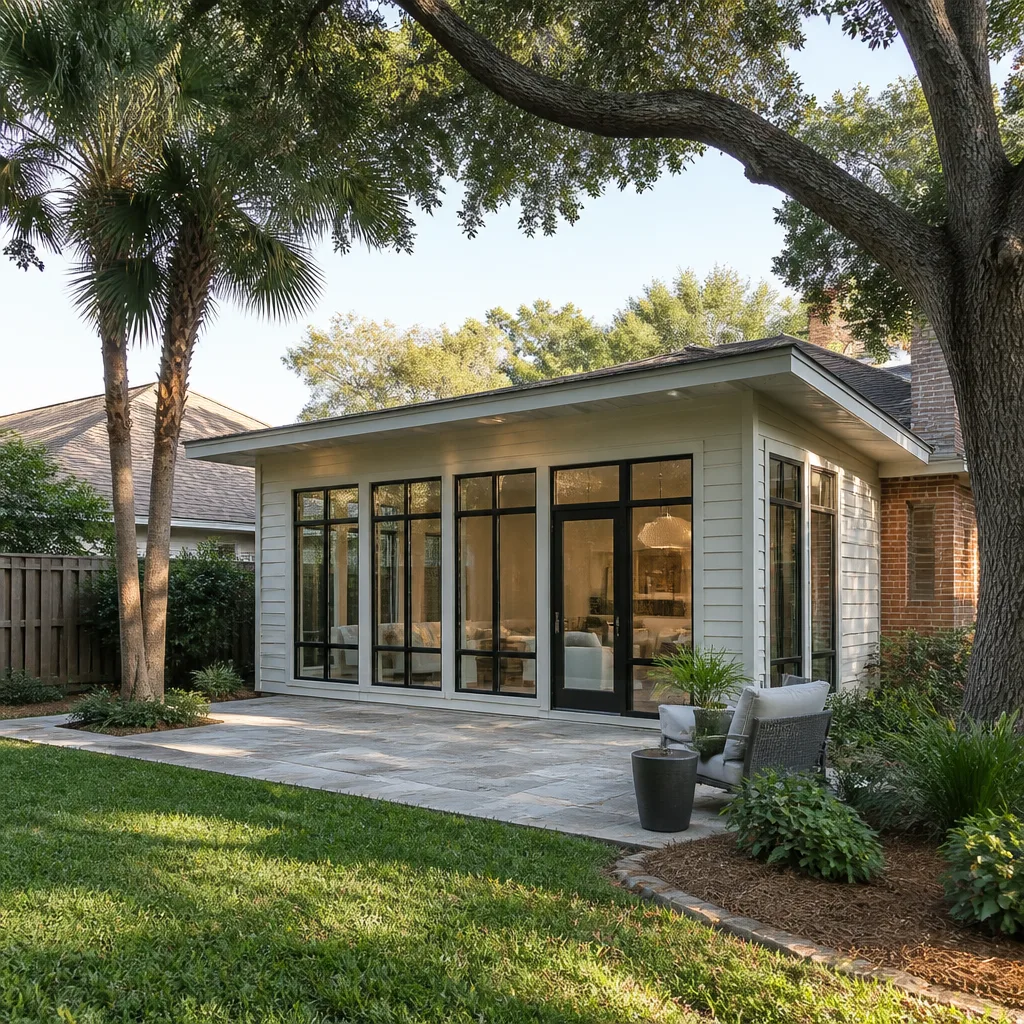
A properly built addition in Santa Clarita should last 50 years or more, but the original flashing and exterior seals usually need attention every 10 to 15 years because of our dry heat and intense sun exposure. Call (661) 592-1977 for an inspection if your addition is over ten years old and you have never had the roofline transition checked.
Most failing additions can be repaired if the problem is caught before the structure has shifted more than an inch out of plane. That means adding piers, replacing shear panels, re-lapping flashing, or tightening the load path. A full teardown is rare. Call (661) 592-1977 and we will tell you straight which situation you have.
A flashing replacement takes a day. Adding piers or repairing a shear wall takes three to five days. A full addition or ADU build from permit to final runs four to eight months depending on the scope. We schedule the work in writing and send photo updates before and after so you are never guessing where the job stands.
We stock the common structural connectors, anchor bolts, and flashing materials on the truck. For OEM Jerith panels or specific series hardware, we order direct and it arrives in three to five days. You never need to source parts yourself. Call (661) 592-1977 for a free estimate and we will handle the entire parts list.
Written by Luca Romano, Owner, Sawyer Remodel Santa Clarita at Sawyer Remodel Santa Clarita, serving Santa Clarita and nearby areas.