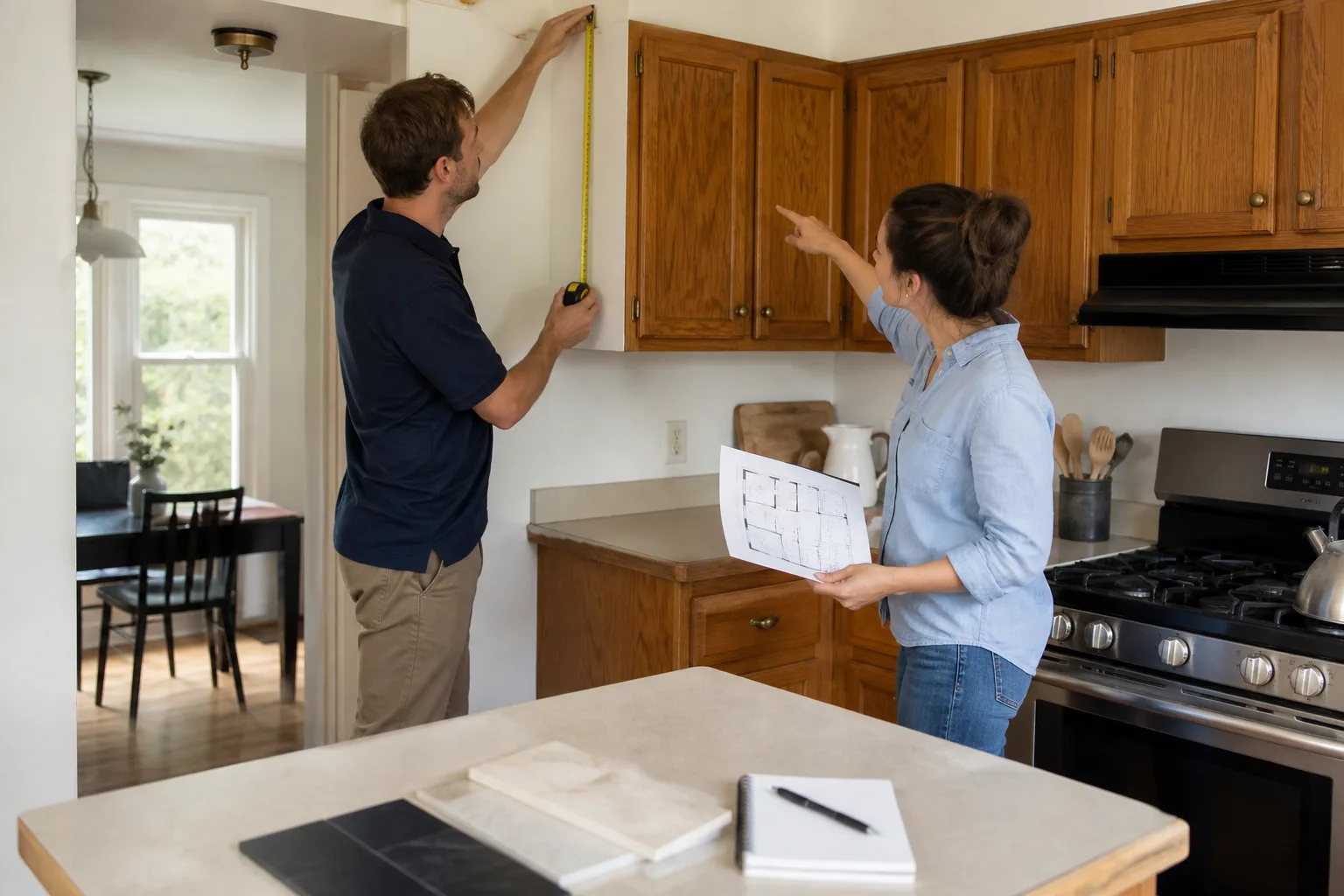
Free written scope consultation - allowances, timeline, and change-order rules on paper before a single trade is scheduled
Boral Home Additions & ADU: The Santa Clarita Owner’s Guide
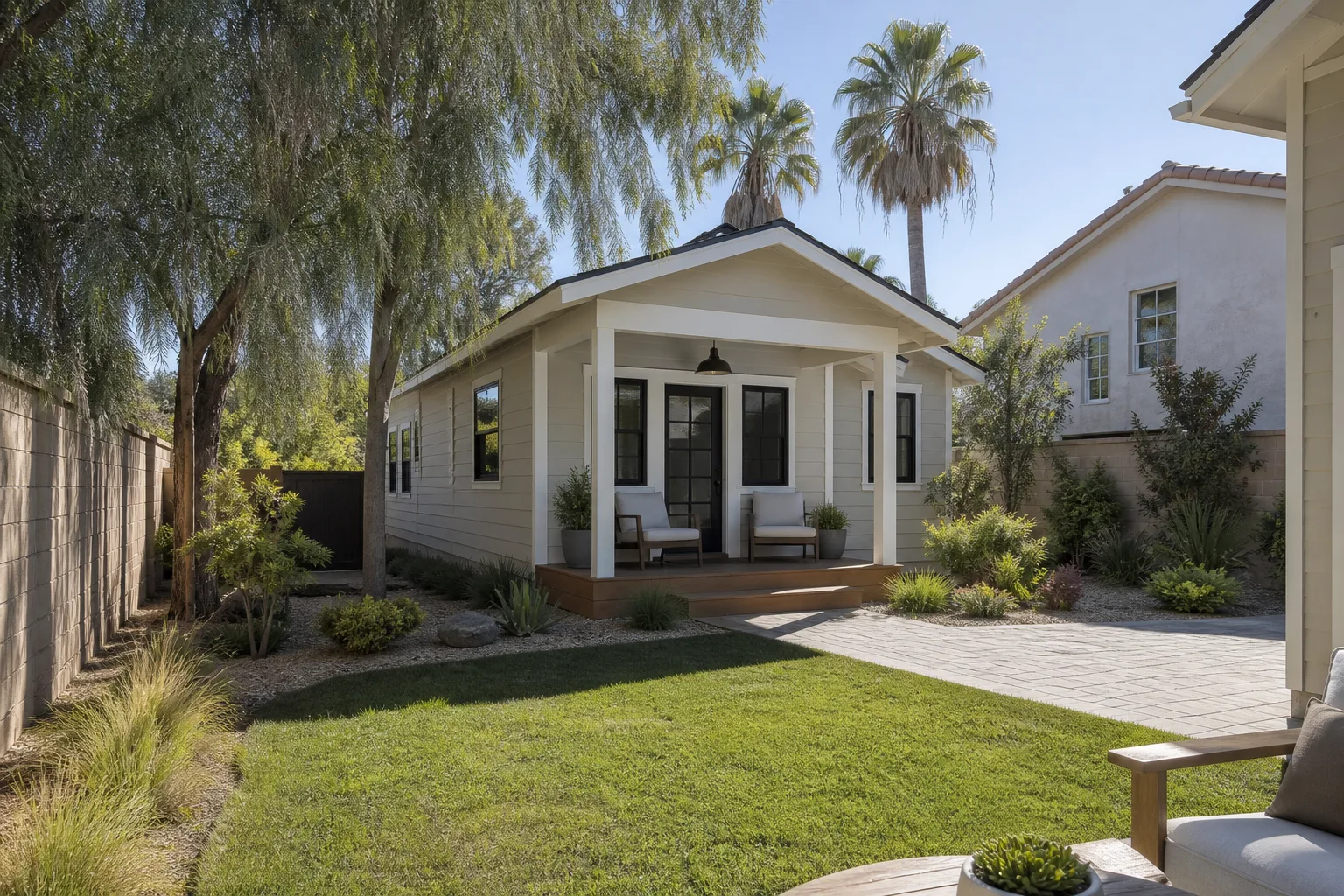
If you’re planning a Boral home addition or ADU in Santa Clarita, expect to pay between $45,000 and $130,000 for a ground-up addition, with garage conversions running $30,000 to $80,000 and full detached ADUs from $90,000 to $220,000. We match Boral roof profiles and exterior profiles to your existing structure so the new work doesn’t look like an afterthought. Most owners don’t discover a problem until the roofline meets the new wall and the flashing detail was never planned for Santa Clarita’s 100-degree summer expansion cycles, which is exactly when the call comes in.
We’re an independent contractor, not affiliated with Boral, but we’ve installed and tied into enough Boral roofing and trim systems across Valencia, Canyon Country, and Saugus to know which profiles are still in production and which ones mean we’re matching from salvage.
Which Boral Models This Applies To
Boral’s product line splits into concrete roof tile profiles and trim systems. The compatibility question comes down to which profile your existing roof carries: the flat “Slate” profile, the barrel “Mission” profile, or the low-profile “Shake” look. Each one has a different batten spacing and a different minimum pitch, and the trim pieces are not interchangeable between profiles. If your addition is going to meet the existing roof at a valley or a hip, the new tile has to match the old tile’s profile or the stagger pattern breaks and water finds the gap.
On the trim side, Boral has shifted production on several of its fascia and eave lines over the years. An original 2010-era Boral eave board in Santa Clarita is often no longer manufactured. When that happens, we have two options: run a custom-milled match from a local shop, or step to a quality aftermarket profile that rides the same dimensions. The aftermarket route usually runs 20 to 30 percent less than chasing OEM, and for trim it’s often visually identical. For roof tile, we stay OEM whenever the profile is still in production because the color match matters too much to gamble on.
Styles & brands we work with
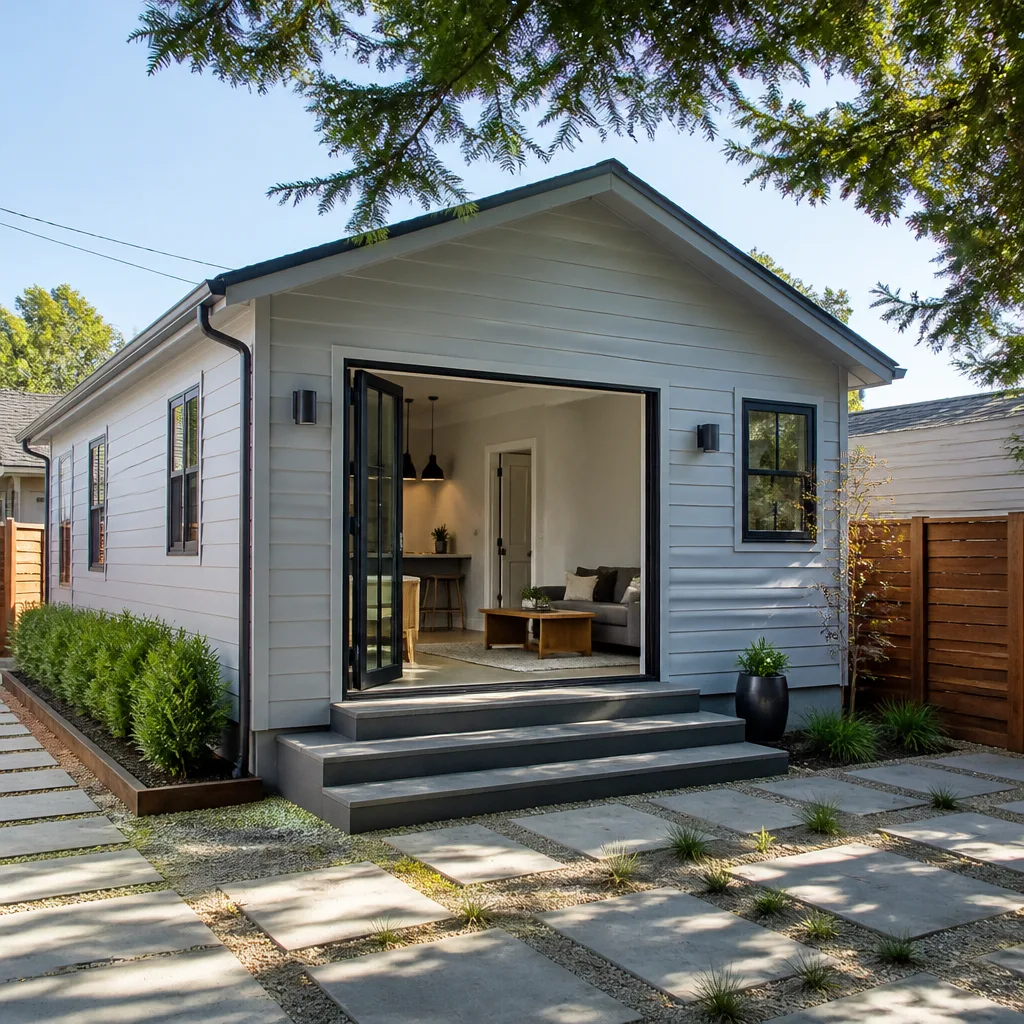
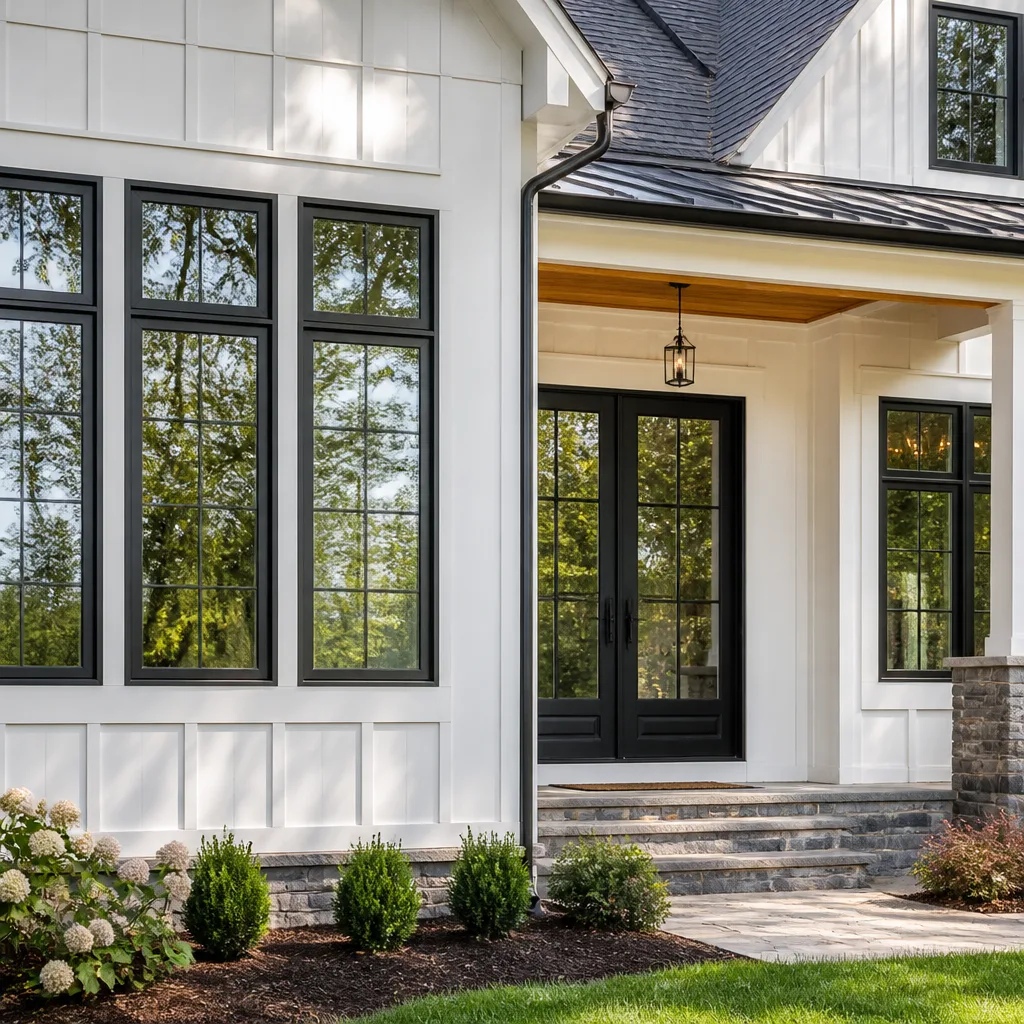
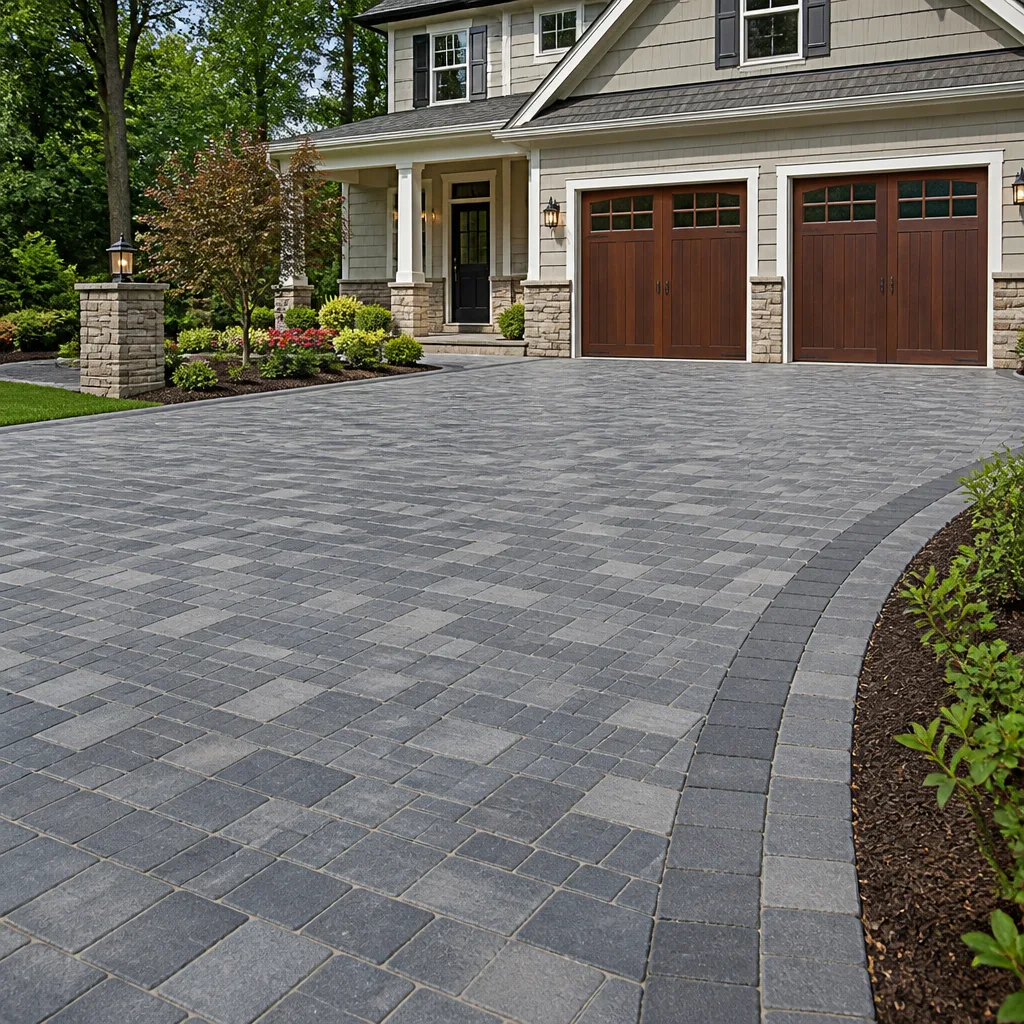
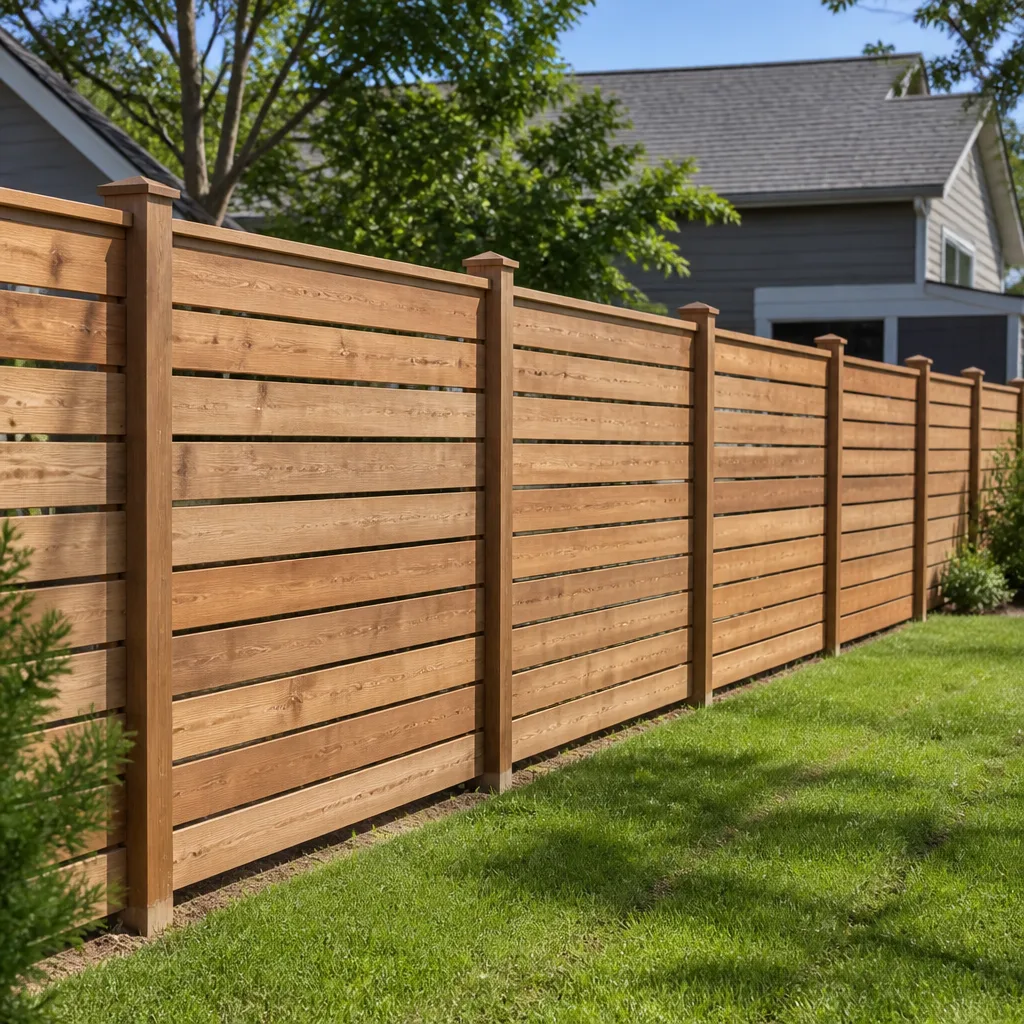
Signs Your Boral Home Additions & ADU Is Failing
The failure pattern on a Boral-tied addition in Santa Clarita is predictable, and it’s almost always at the intersection between old and new:
- Flashing separation at the tie-in wall. Santa Clarita’s summer heat pushes roof decking past its expansion limit, and the flashing that looked tight in March pulls away by August. The first sign is a rust stain or a lifted edge at the roofline.
- Uneven tile stagger at the transition row. If the addition’s first course of Boral tile doesn’t sync with the existing roof’s stagger, you’ll see it from the street within months. That misalignment is also where wind-driven rain enters first.
- Cracking at the new-wall-to-old-wall junction. The new framing settles for the first 12 to 18 months, and stucco or siding at the junction shows hairline cracks when the foundation is still moving. That’s normal settling, but it needs a control joint, not caulk.
- Eave rot along the new fascia. Boral eave boards without a proper drip edge wick water at the cut ends. In Santa Clarita’s dry season it looks fine; after the first real rain, the swelling starts.
- Gable end separation at the barge board. The barge board is the trim piece that runs up the sloped edge of the roof. When an addition is framed out, this piece gets nailed in a rush, and wind uplift on the new gable end starts working those fasteners loose within a couple of seasons.
See the difference
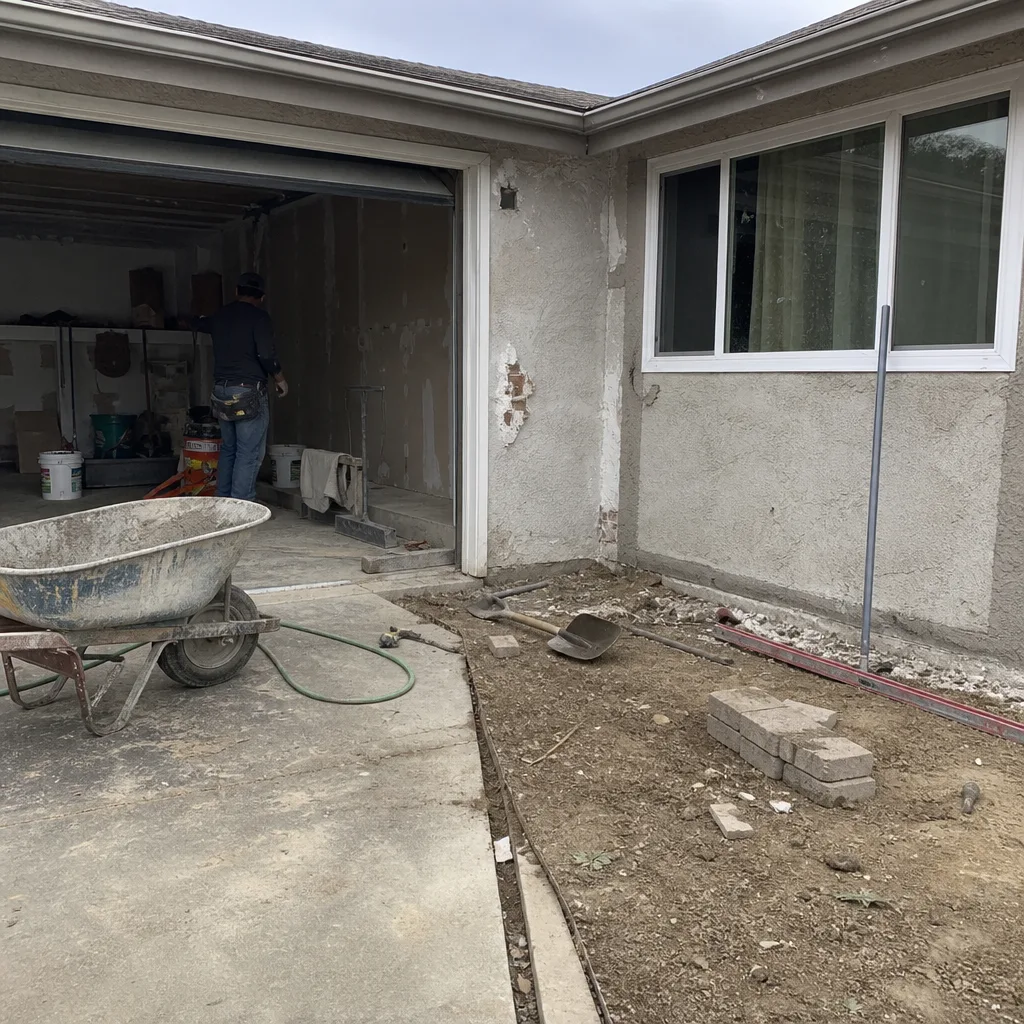 Before
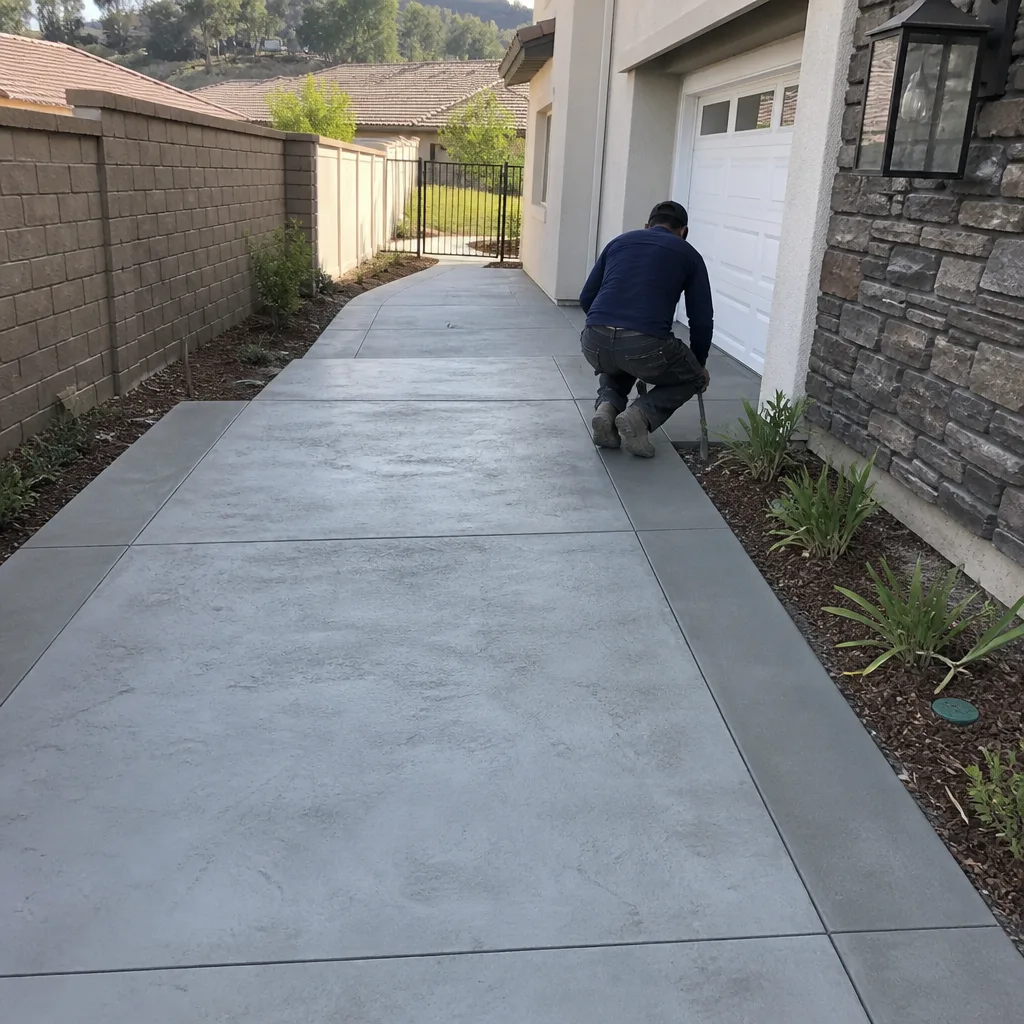 After
After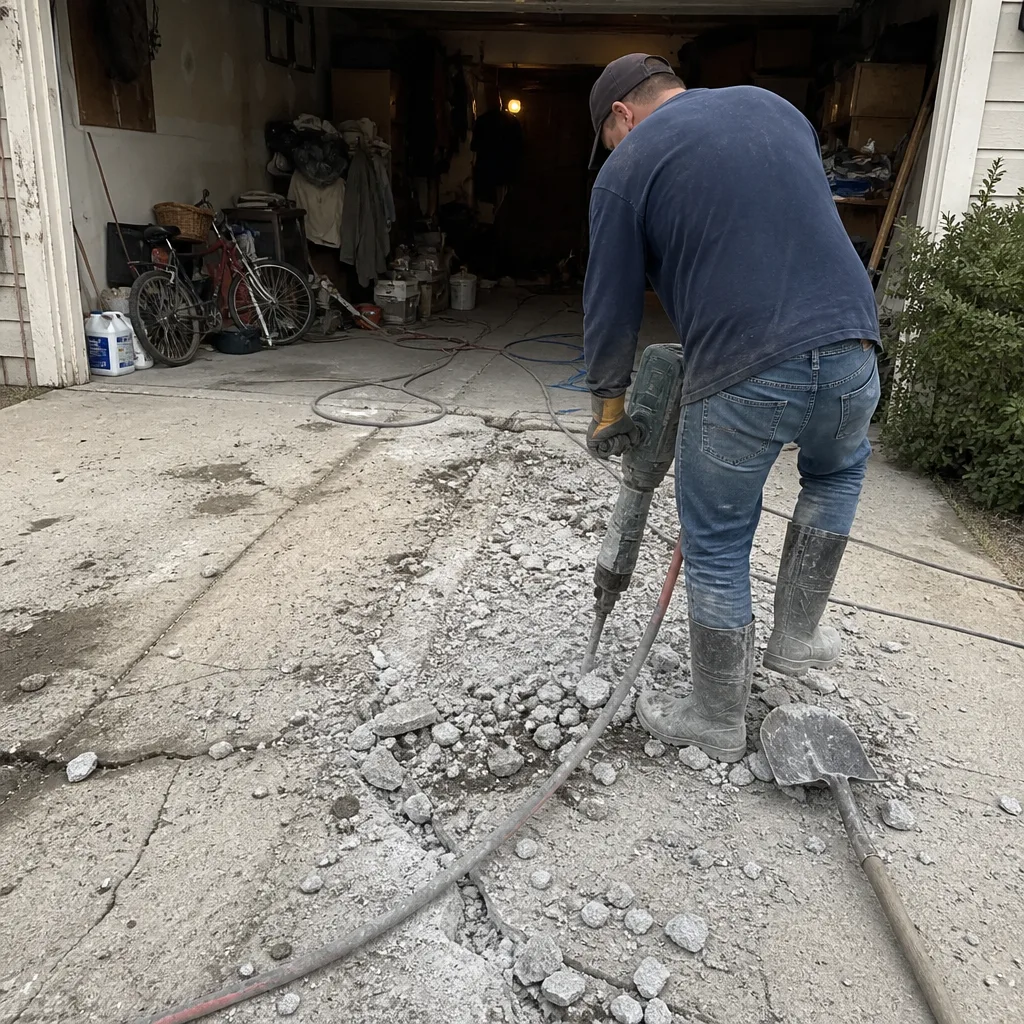 Before
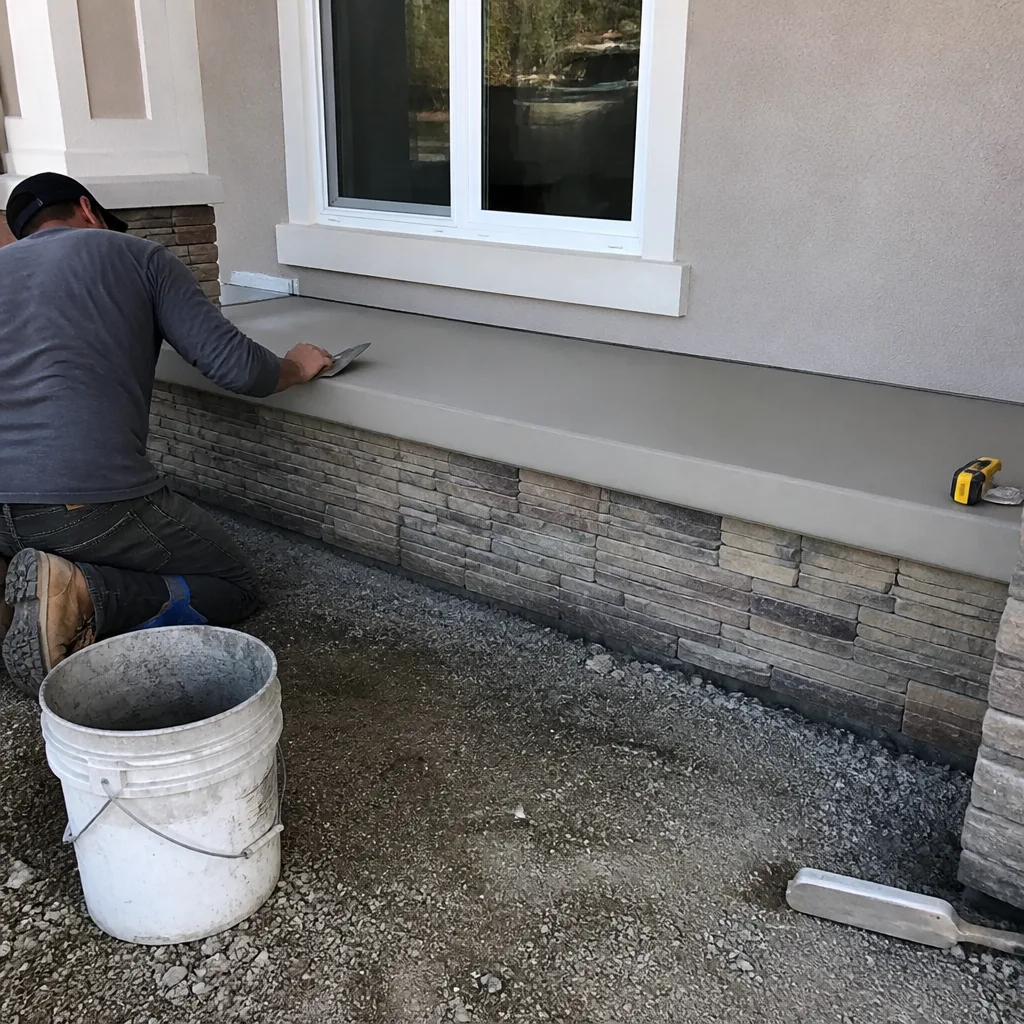 After
After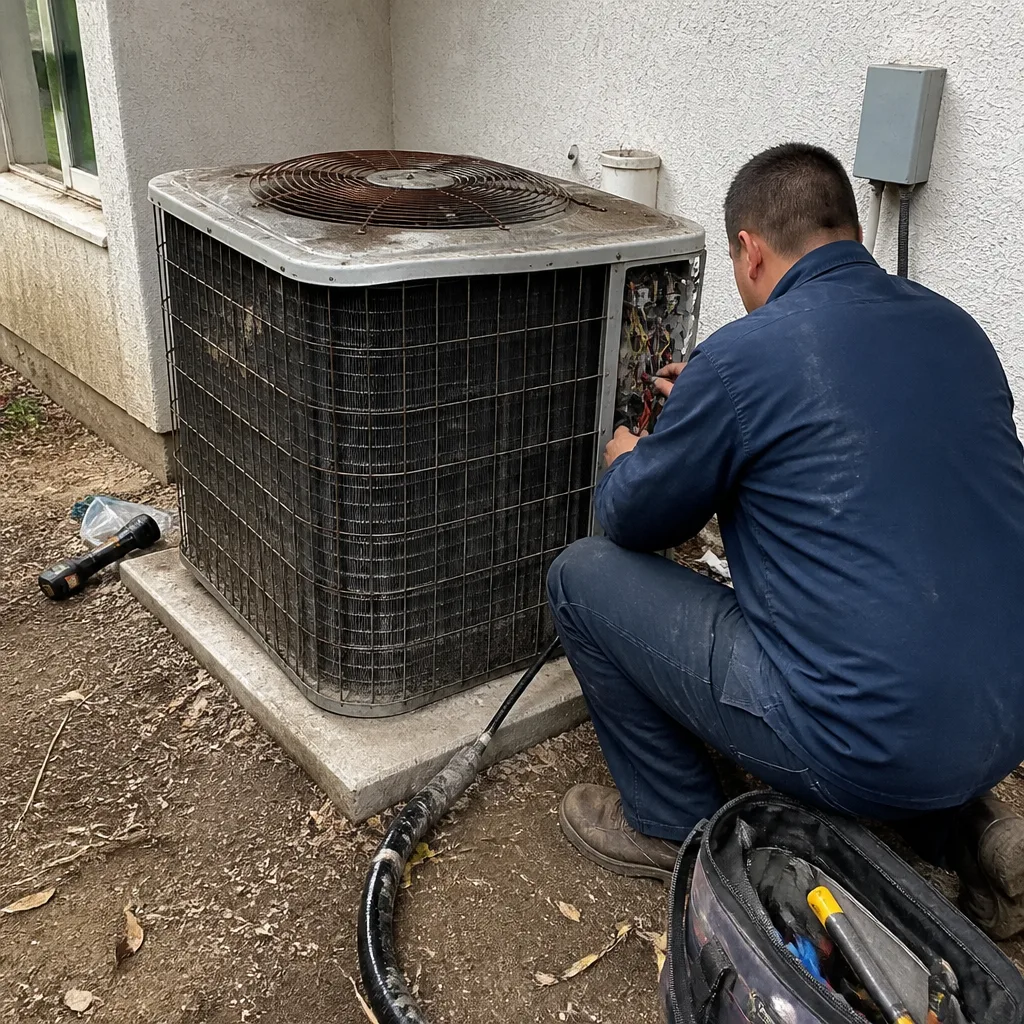 Before
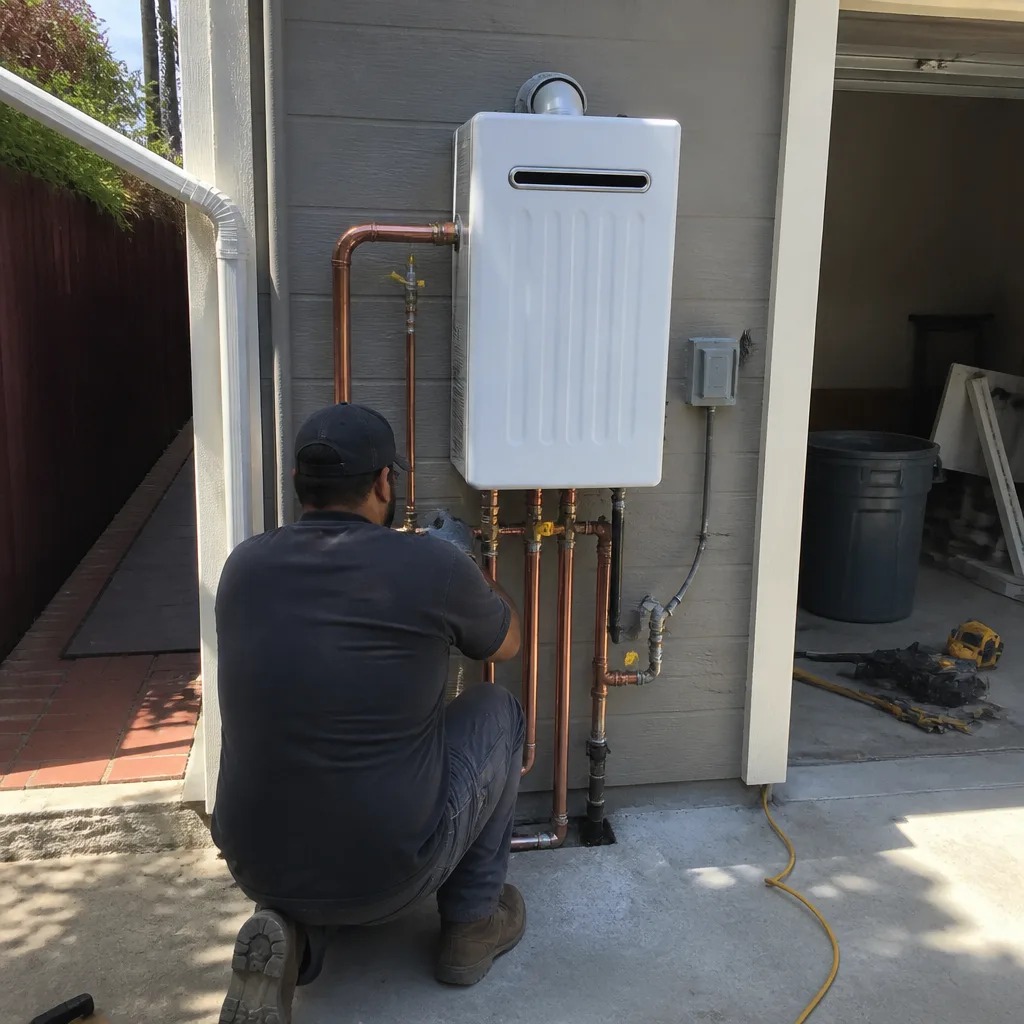 After
AfterReplacement Cost & What’s Included
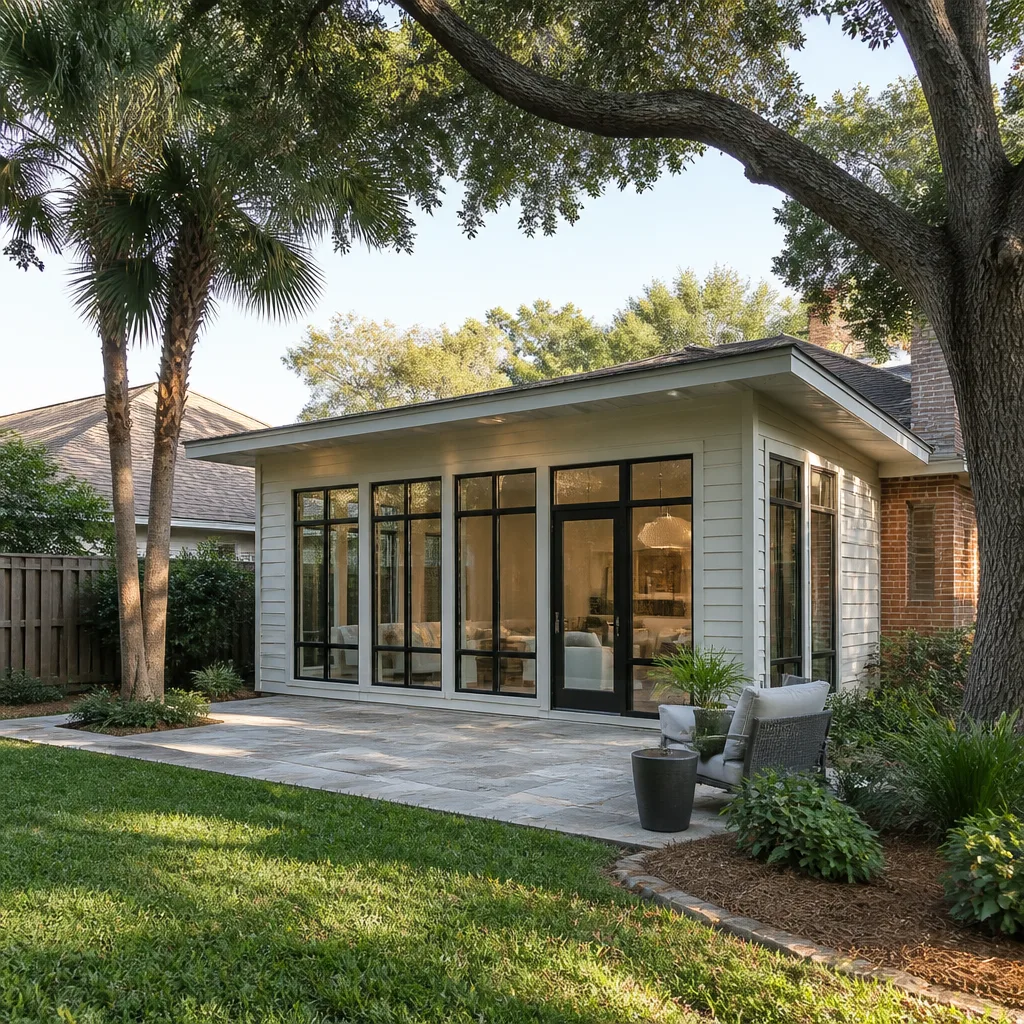
For a Boral home addition in Santa Clarita, the $45,000 to $130,000 range covers design, engineering, permits, foundation, framing, roofing tie-in, stucco or siding match, and finishes. A garage conversion lands lower because the shell already exists; a detached ADU runs higher because you’re building every system from the ground up.
What moves the number most is the roof tie-in. A simple perpendicular addition that meets the existing roof at a straight ridge line is the cheapest to tie. A valley tie, where two sloping planes meet, adds framing and flashing complexity. And if your existing Boral profile is discontinued, the custom-mold cost for trim adds a line item you won’t see on a generic quote. We write every line item down before work starts. The price you approve is the price you pay. Every addition carries our 365-Day Done Right Promise, which is a written guarantee covering the work for a full year after closeout.
DIY or Call Us?
You can check a few things yourself. Walk the roofline and look for lifted flashing, cracked tile at the transition, or separation at the new junction. That tells you what’s happening, and it helps you talk to a contractor in specifics instead of generalities.
What you should not do is get on the roof and start re-setting tile or prying flashing. Roof work at height plus Santa Clarita’s wind pattern is a real fall risk, and a broken tile at the tie-in point is often hiding a much bigger problem underneath. We’ve fixed enough DIY flashing “repairs” around Canyon Country to know they usually make the leak worse and the repair more expensive. If you’re seeing any of the signs above, call us at (661) 592-1977 and we’ll come look before you spend money fixing the wrong layer.
FAQs
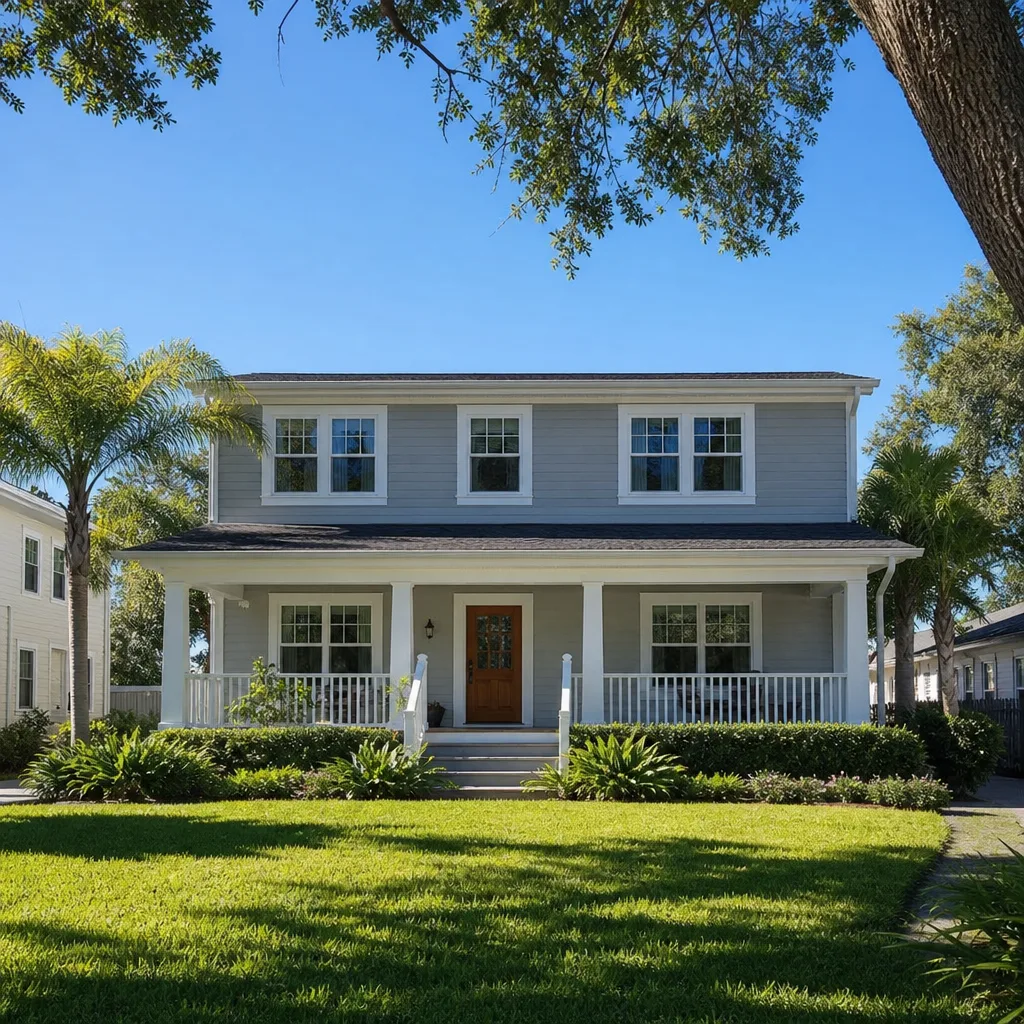
A properly tied Boral roof over a Santa Clarita addition should carry a 50-year service life if the flashing and underlayment are installed correctly. The weak point is almost never the tile itself; it’s the transition detail where the new roof meets the old. Get that right and the system lasts. Call (661) 592-1977 if you want us to check that transition before it becomes a problem.
Yes, most flashing and transition failures can be repaired without re-roofing the entire addition. We remove the affected rows of tile, re-flash with proper step flashing, re-bed the tiles, and re-seal the junction. If the decking underneath is rotted, that section gets replaced before new underlayment goes down. The earlier you catch it, the cheaper the repair.
A ground-up home addition in Santa Clarita typically runs five to nine months depending on scope; a garage conversion or attached ADU usually runs three to five. Weather and permit review times in Los Angeles County can push both. We publish a schedule at the start and update you with photo progress as the job moves, so you’re never waiting on a status call.
We keep common Boral roof tile profiles in our Santa Clarita yard, including the Mission and Slate profiles, plus a range of eave and fascia profiles that match most local homes. For discontinued trim, we order from a local mill that keeps Boral profiles on file. We also work with KraftMaid, Cambria, and Silestone for interior finishes when the project calls for it.
Written by Luca Romano, Owner, Sawyer Remodel Santa Clarita at Sawyer Remodel Santa Clarita, serving Santa Clarita and nearby areas.