Free written scope consultation - allowances, timeline, and change-order rules on paper before a single trade is scheduled
Abodu Roofing: The Santa Clarita Owner’s Guide
Abodu roofing failures in Santa Clarita typically come down to sun-baked sealant, wind-lifted flashing, or seal deterioration around the roof penetrations, and the fix usually lands between $400 and $1,800 installed. Most homeowners first notice it as a water stain on the ceiling after a Santa Clarita rain, a musty smell in the bedroom, or visible daylight peeking through the roof deck from inside the attic. We stock Abodu-compatible roofing materials on our trucks and can match most Abodu roof systems same week, not same month. You don’t need Abodu corporate approval to fix your own home’s roof. You need someone who knows how Abodu homes are built and what fails on them first.
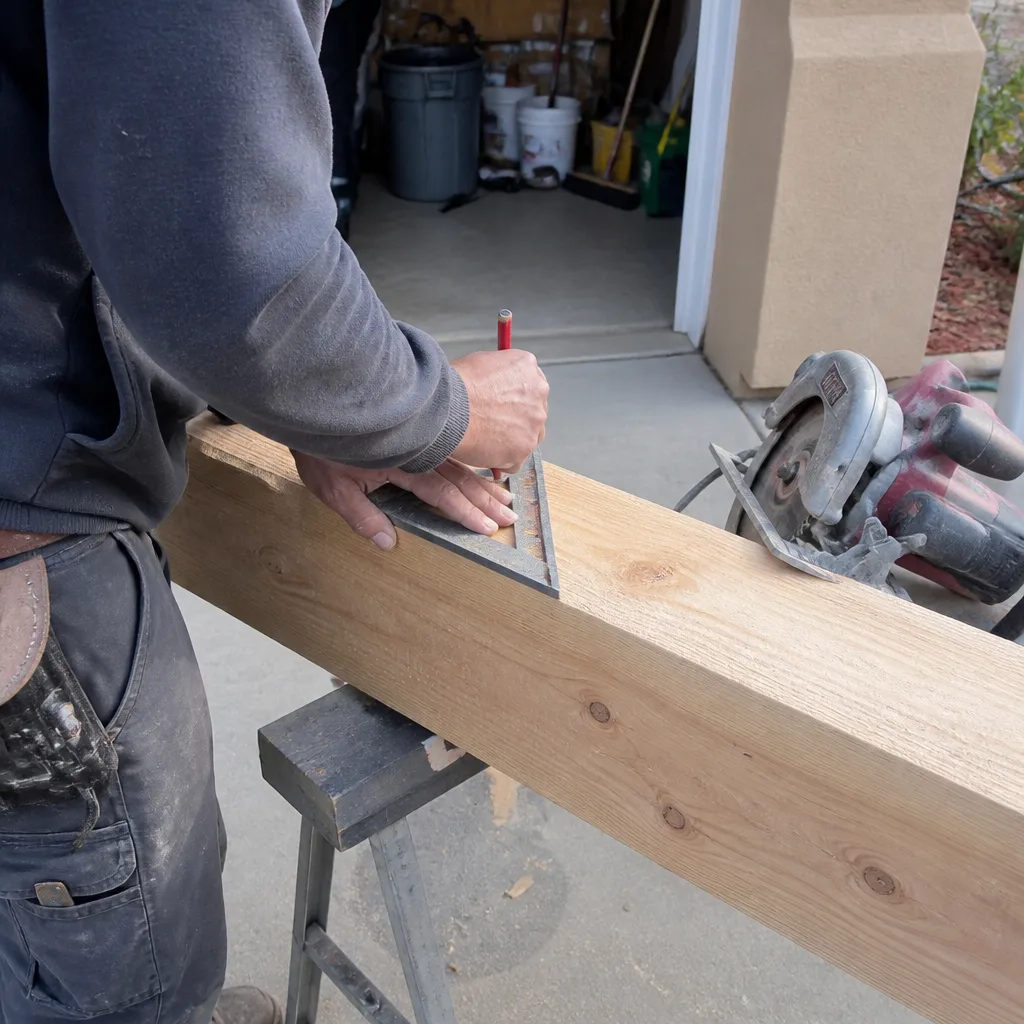
Luca Romano has walked more Abodu roof inspections in Santa Clarita than he can count, and the pattern is consistent: the failure point is rarely the roofing panel itself. It’s the transition. The seam. The spot where Abodu’s prefabricated roof module meets the site-built portion of the structure. That’s where water finds its way in, and that’s what this page walks you through.
Which Abodu Models This Applies To
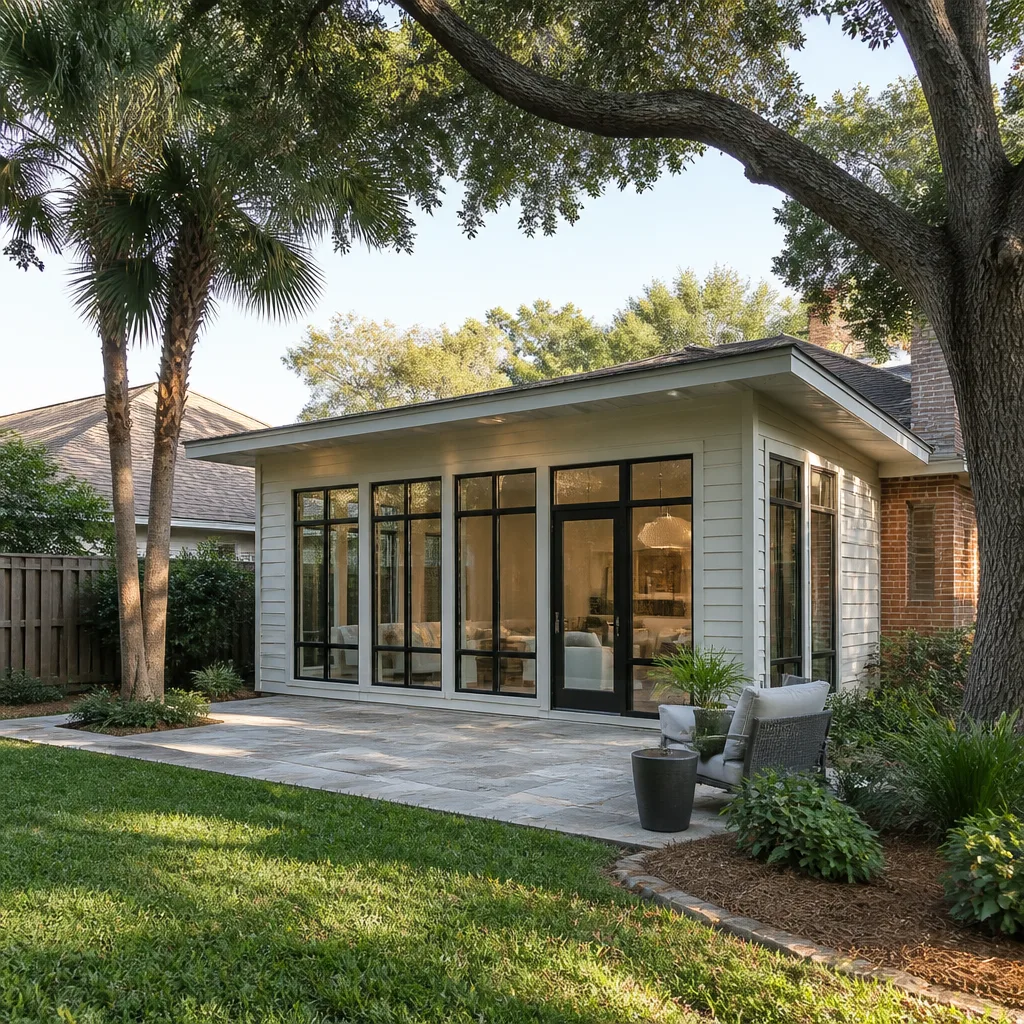
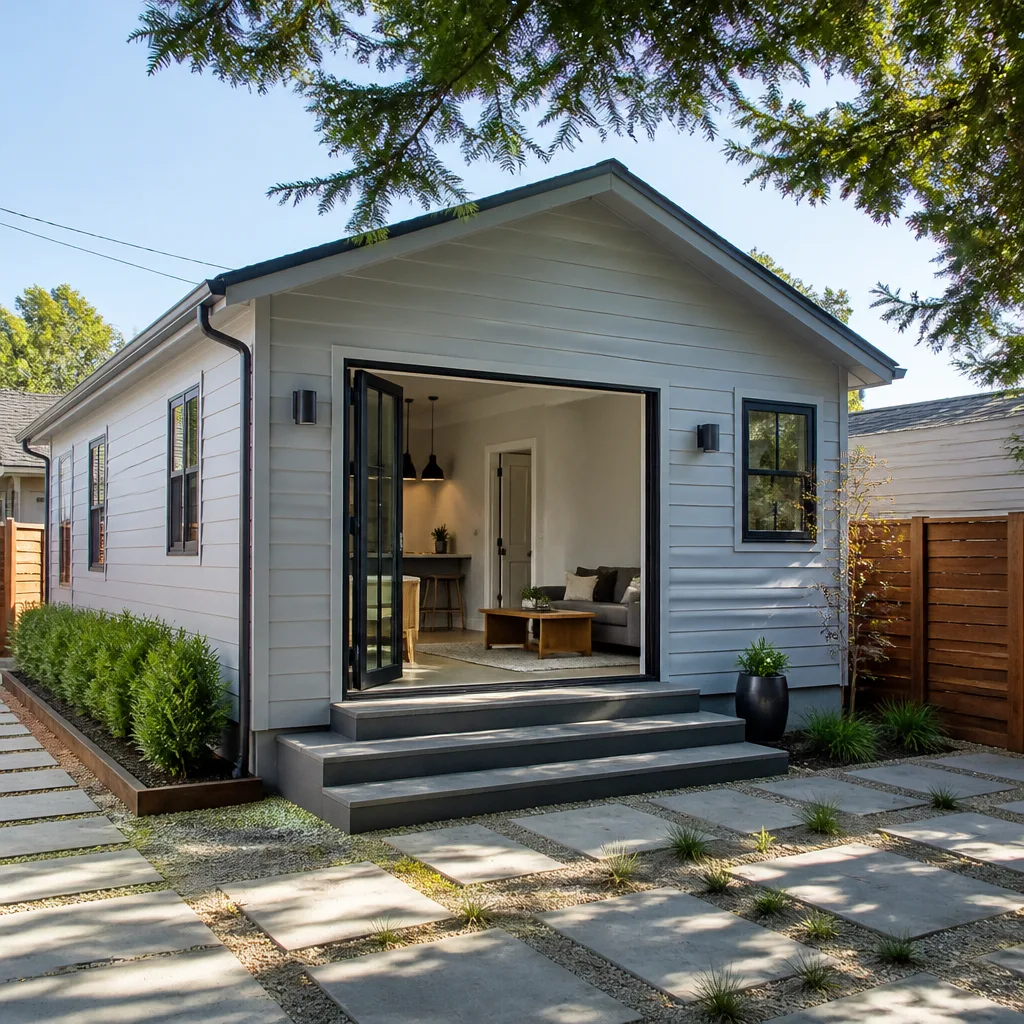
Abodu builds prefabricated accessory dwelling units and compact homes, and their roof systems vary by model line. The earlier Abodu units used a flat-to-low-slope membrane roof with integrated gutters, while the newer models incorporate standing-seam metal panels paired with a membrane underlayment. The compatibility gotcha that trips up most owners: Abodu’s roof penetrations, meaning vents, skylights, and HVAC curbs, are pre-flashed at the factory, and the flashing dimensions don’t always match off-the-shelf parts from a Santa Clarita hardware store. We measure the penetration collar, the panel profile, and the seam spacing before quoting anything.
Identifying your Abodu roof type is straightforward. Look inside the roof access panel or the electrical closet for a build plate with the model designation. If that’s gone, check the roof edge profile: standing-seam panels have raised ridges running down the slope, while membrane roofs look smooth with a slight sheen. For membrane roofs, Abodu used TPO or PVC depending on the manufacturing year, and those two materials require different adhesives and heat-weld settings. Mixing them up is a fast way to turn a $400 repair into a $4,000 replacement. OEM Abodu roof parts are available through their support channel, but in our experience, the lead time is two to six weeks. Quality aftermarket equivalents from GAF and CertainTeed match the spec sheet and sit on our shelf ready to install. We carry both and will tell you which makes sense for your budget and timeline.
Styles & brands we work with
Signs Your Abodu Roofing Is Failing
- Water staining on the ceiling or upper wall. This is the classic first sign. On Abodu units, the stain often appears near the roofline or around a ceiling light fixture, which tells us the leak is traveling along the roof deck before dripping down. The cause is usually a failed seam or a cracked boot at a roof penetration.
- Musty smell or soft drywall near the ceiling. Water that’s been sitting inside the roof cavity starts to turn drywall soft and grow mold. On Abodu’s tighter, well-sealed structures, that smell concentrates fast because there’s less air exchange than in a conventionally built home. The roof membrane has likely been breached for weeks or months.
- Visible daylight through the attic or roof access panel. If you can see light through the roof sheathing, water is getting in. This on Abodu units is nearly always a failed transition between the factory roof module and the site-built fascia or gutter line.
- Lifted or flapping membrane on a low-slope section. Santa Clarita’s dry heat bakes the adhesive on older TPO roofs until the membrane starts peeling at the edges and corners. Once air gets under the membrane, the next strong wind lifts it further, and rain follows the open seam.
- Rust streaks or loose fasteners on standing-seam panels. Abodu’s metal roof panels are solid, but the fasteners and seal washers take a beating in Santa Clarita’s sun. Loose fasteners mean the panel can chatter in the wind, and chattering leads to elongated holes and eventual water entry.
See the difference
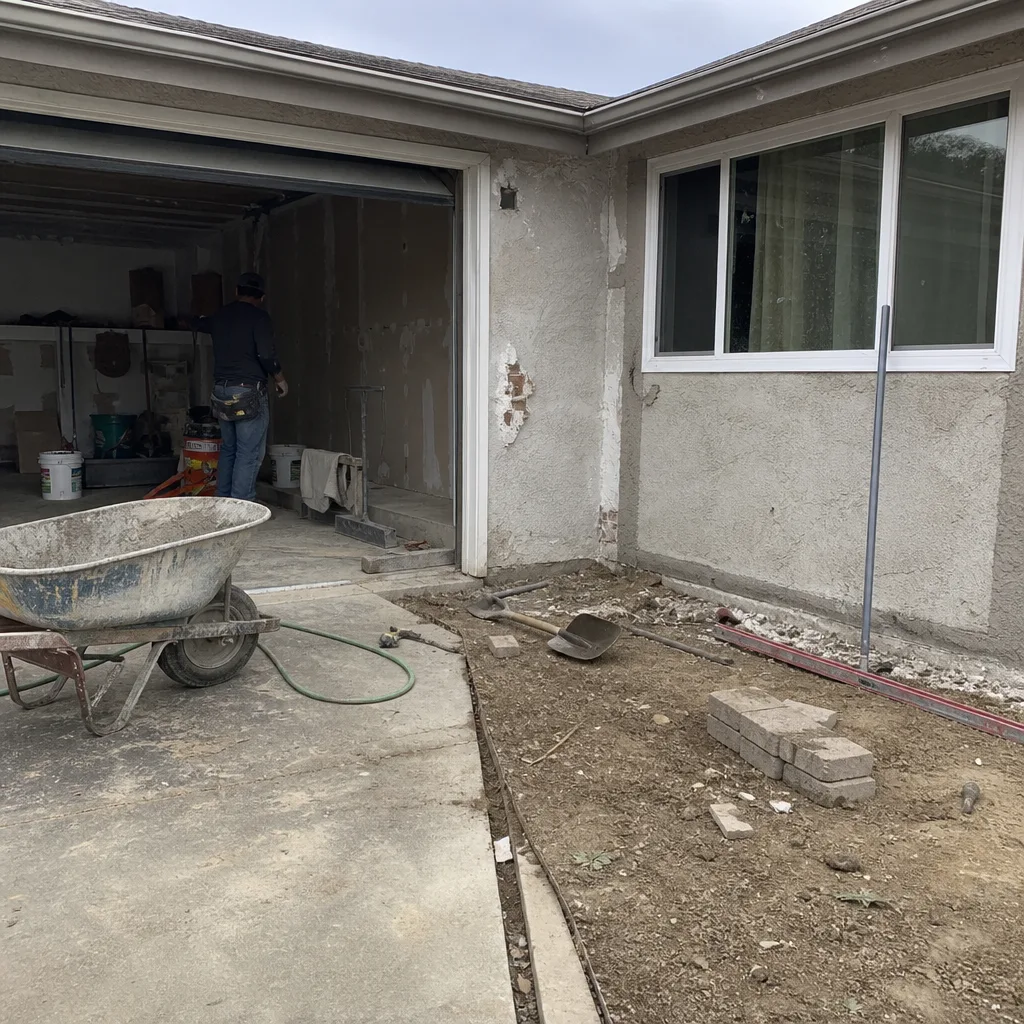 Before
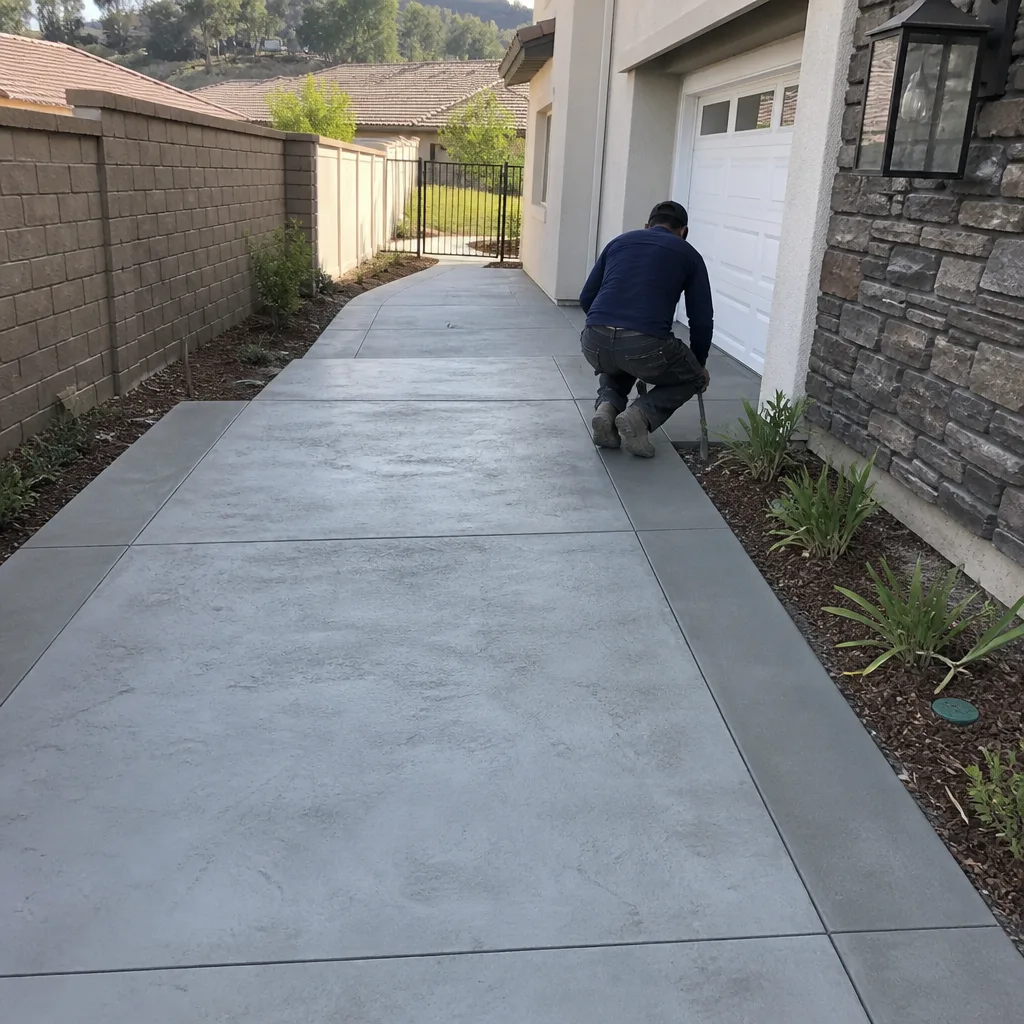 After
After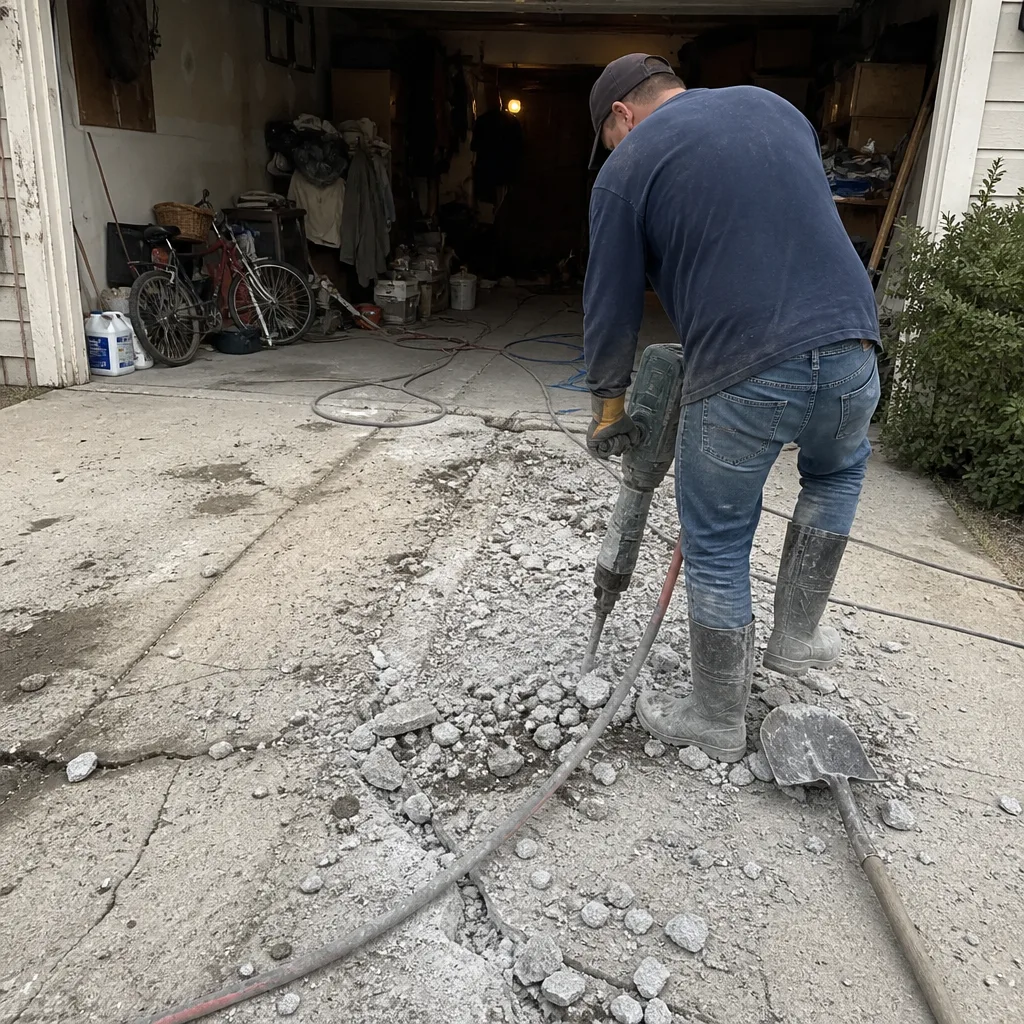 Before
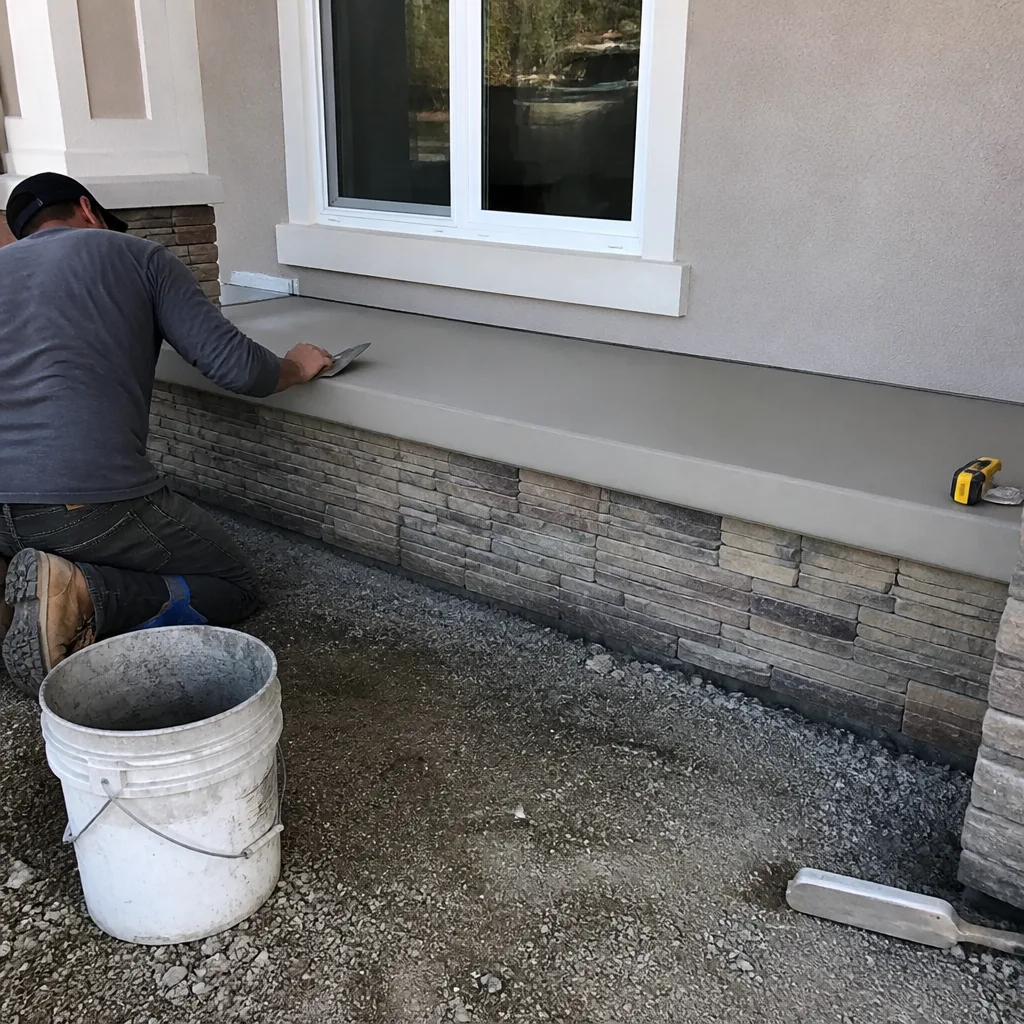 After
After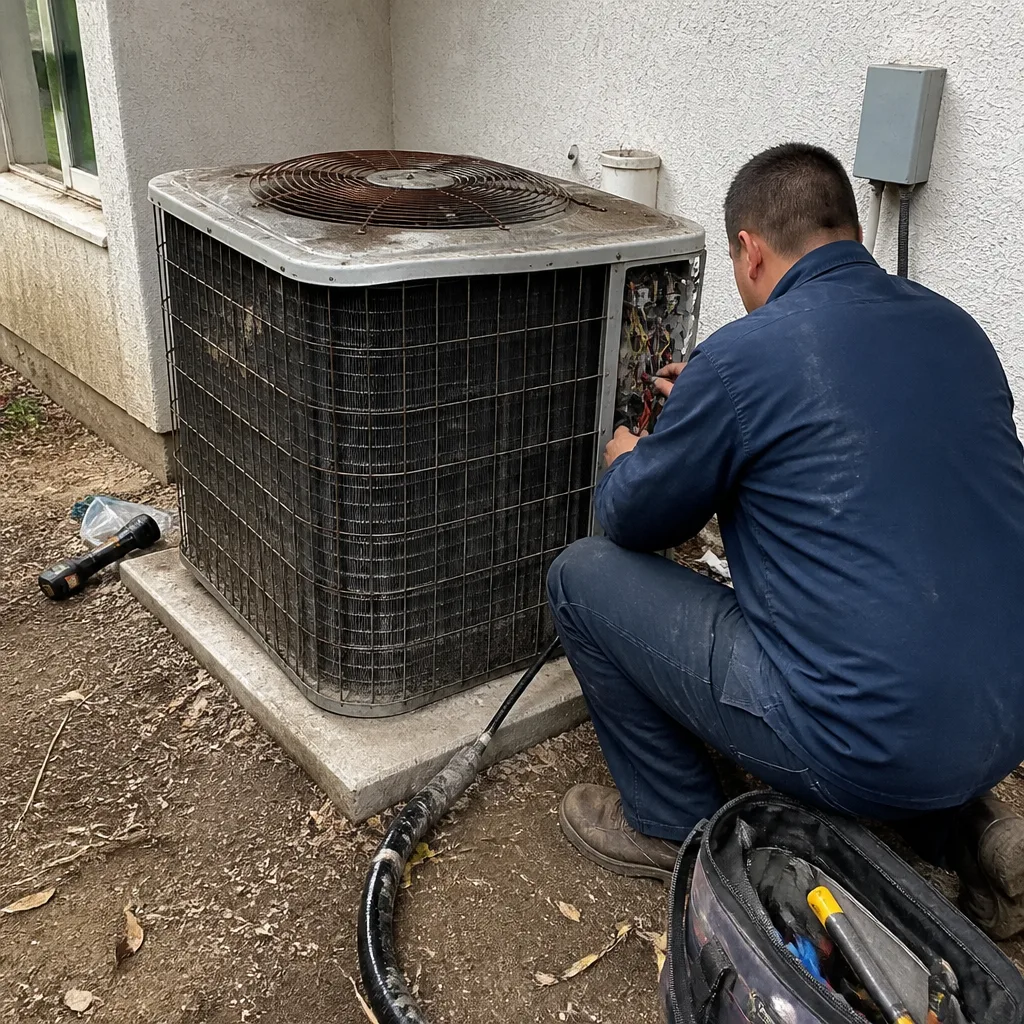 Before
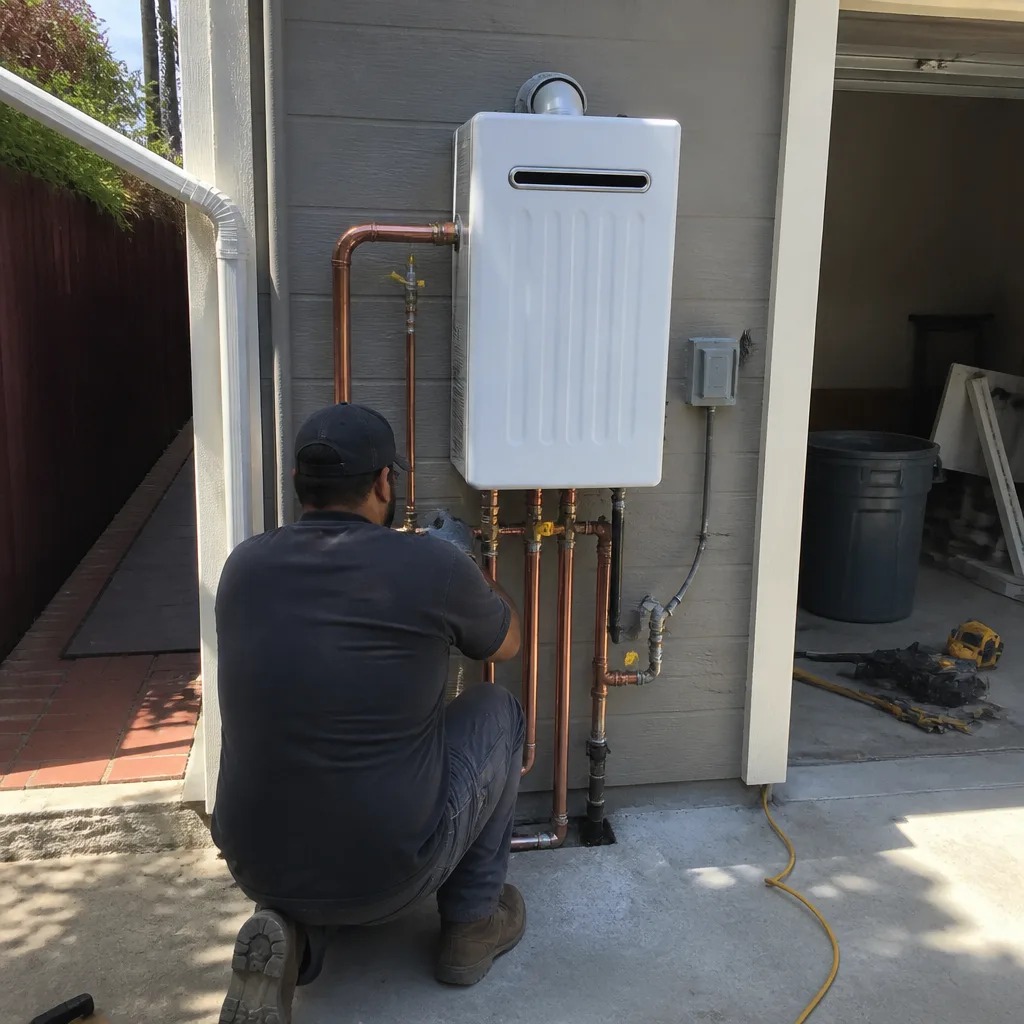 After
AfterReplacement Cost & What’s Included
For Santa Clarita Abodu homes, roof repair runs $400 to $1,800, and a full roof replacement on an Abodu unit sits between $8,000 and $20,000 depending on whether it’s the membrane roof or the standing-seam metal system. The smaller repair range covers targeted work: a cracked pipe boot, a failed seam, re-securing loose metal panels, or re-flashing a single penetration. The replacement range covers tearing off the old roof, replacing any water-damaged sheathing, and installing a new GAF or CertainTeed membrane or metal panel system with new flashing and boots throughout.
Every quote from us includes the line-item breakdown: materials, labor, disposal, and any needed sheathing repair. You’ll know the exact number before we pick up a tool, and that number doesn’t change at the end of the job. Every Abodu roof repair we do carries our 365-Day Done Right Promise in writing: if it’s not done right, we make it right. If the repair fails within the year, the second visit is free. No argument, no re-quote, just a fix.
The biggest cost driver on Abodu roofs specifically is access. Some Abodu units are tight to property lines or have the roof partially under a tree canopy, and that changes scaffolding and safety setup. The second driver is whether the failed section is on the factory seam, because seam repairs on prefab modules take more time to do properly than a simple boot swap.
DIY or Call Us?
Roof work on an Abodu home carries real risk, and it starts with the height and the pitch. Even a low-slope membrane roof is slick in the morning with dew or after a rain, and a fall from a single story is enough to end a career or a life. Beyond the ladder risk, there’s the material risk: TPO welds require a hot-air gun at a specific temperature window, and a homeowner with a caulk gun and a tube of sealant from the hardware store is doing a temporary patch, not a repair. We’ve seen the silicone-and-hope approach fail inside a single Santa Clarita rainy season.
What you can safely do is identify the problem from the ground or from inside: note the stain location, check the attic access panel for daylight, and take photos of any visible roof damage with a phone or camera. That information helps us quote faster and come prepared with the right materials. For the actual repair, call us at (661) 592-1977. The work tells the story. We just show up and do it right.
FAQs
In Santa Clarita’s climate, you can expect 15 to 25 years from a well-installed Abodu membrane roof and 30 to 50 years from the standing-seam metal panels, though the sealant and flashing components typically need attention at the 10-to-15-year mark. The intense UV exposure and temperature swings are what shorten the sealant life, not the roof panels themselves. Call us at (661) 592-1977 if your Abodu roof is nearing that window and we’ll inspect the seams and penetrations before a small issue becomes a leak.
Most Abodu roof failures are repairable when caught early, and this is true for roughly 80% of what we see in Santa Clarita. Repairs make sense when the damage is localized, the roof deck is dry and solid, and the surrounding membrane or metal still has life left. If the leak has been running for years and the sheathing is soft, a full replacement is often the smarter long-term call. We’ll show you the condition of the deck before you decide, and the written quote covers exactly what we found.
Most Abodu roof repairs in Santa Clarita are a one-day job once the materials are matched. A single boot replacement takes two to three hours, a membrane seam repair takes four to six hours including surface prep and heat-welding, and a multi-point repair across several penetrations can push to a full day. We schedule a specific day, track arrival time live, and send photos before and after the work.
We stock aftermarket roofing components from GAF and CertainTeed that match Abodu’s roof specs, and we install them on Abodu homes regularly across Santa Clarita. If you prefer OEM Abodu parts, we can help you order them through Abodu’s support channel, but the lead time is usually two to six weeks. For most homeowners, the name-brand aftermarket option gets the roof sealed faster with the same warranty coverage on our workmanship.
Written by Luca Romano, Owner, Sawyer Remodel Santa Clarita at Sawyer Remodel Santa Clarita, serving Santa Clarita and nearby areas.