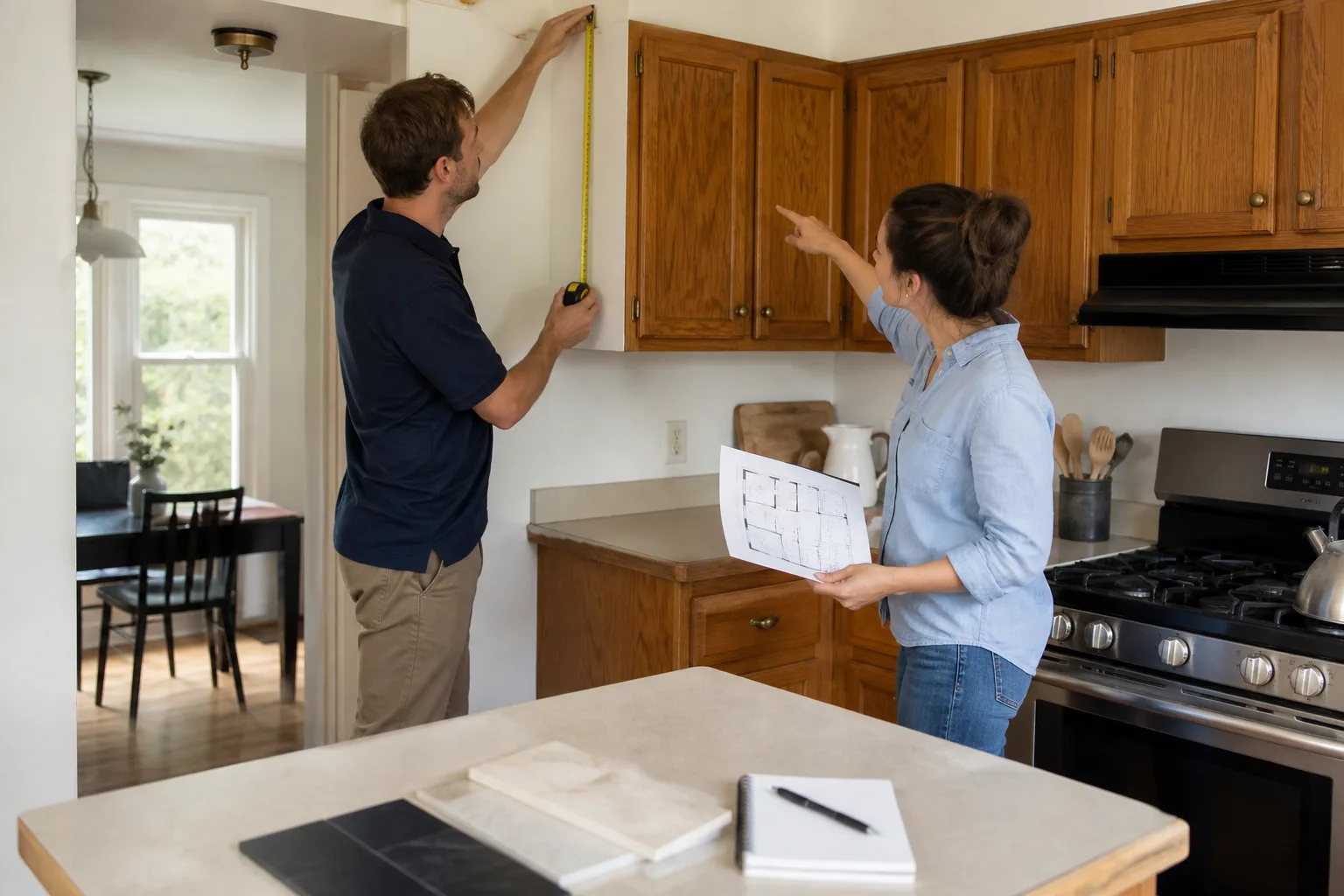
Free written scope consultation - allowances, timeline, and change-order rules on paper before a single trade is scheduled
Quikrete Home Additions & ADU: The Santa Clarita Owner’s Guide
If you’re planning a Quikrete-based home addition or ADU in Santa Clarita, expect to budget between $45,000 and $130,000 for a full addition, with ADU construction running $90,000 to $220,000 depending on size, site prep, and finishes. Quikrete concrete mixes and resurfacing products are common in Santa Clarita foundations, slab pours, and retaining walls, and when a pour goes wrong or an older slab fails, homeowners usually discover it through cracking, settling, or water pooling where it shouldn’t. The good news: most Quikrete-related failures are repairable without tearing the whole structure down, and we stock the common mixes, bonding agents, and repair materials on our trucks so we can assess and start the fix without three trips back to the supply yard.
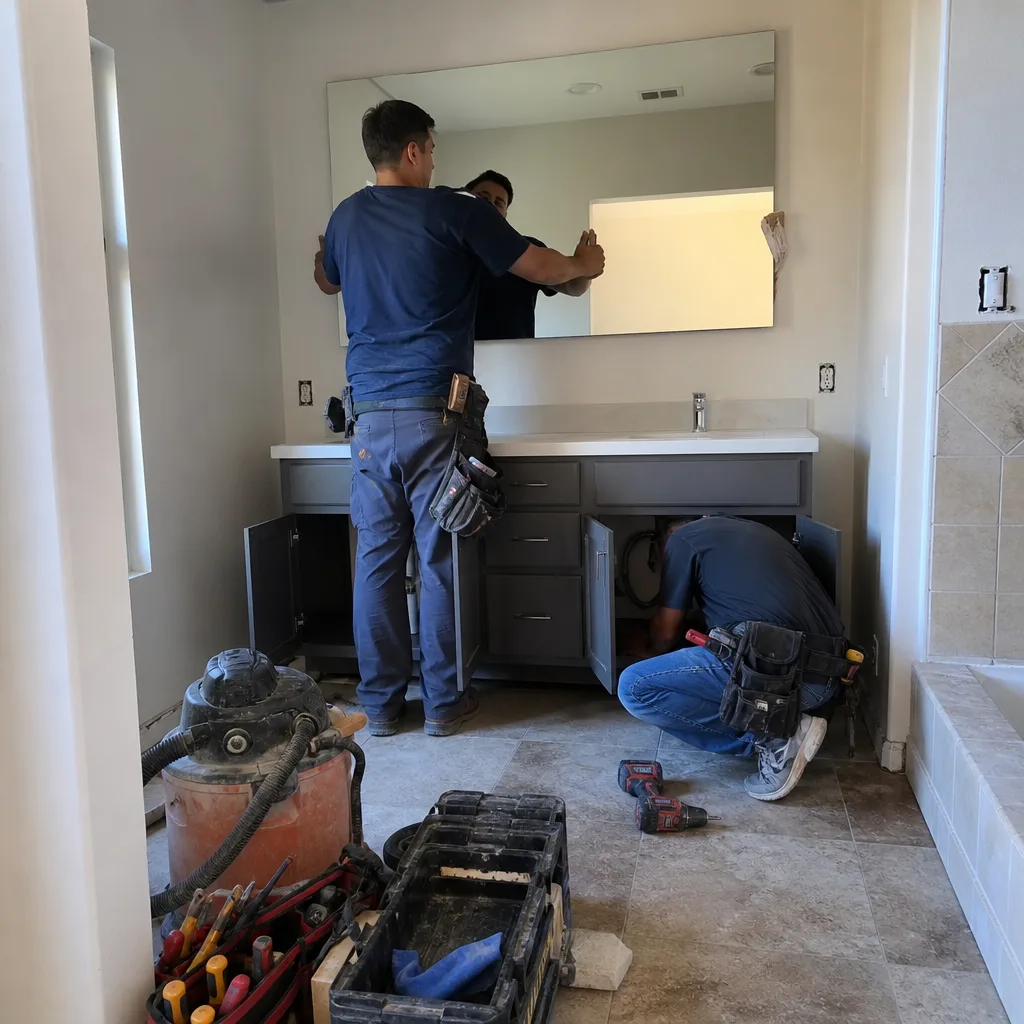
Before we dig into signs and costs, one thing up front: Sawyer Remodel Santa Clarita is an independent contractor. We’re not affiliated with Quikrete, and we don’t speak for their warranty department. We just work with their materials daily across Santa Clarita because they’re consistent and readily available at local suppliers. When you call us, you’re talking to a crew that knows exactly how Quikrete products behave in our climate, from Valencia summer heat to the freeze-thaw cycles that hit the higher elevations off Bouquet Canyon Road.
Key Takeaways:
- Installed home addition costs in Santa Clarita run $45,000 – $130,000; ADUs run $90,000 – $220,000.
- Quikrete failures in additions usually show as slab cracks, stair-step cracks in stem walls, or spalling concrete surfaces.
- We stock common Quikrete repair products on the truck: concrete resurfacer, bonding adhesive, and fast-setting patch mixes.
- Most concrete repairs on a failed Quikrete pour take one to three days, not weeks.
- Written price before any work starts, always. That’s how we run every job.
Which Quikrete Models This Applies To
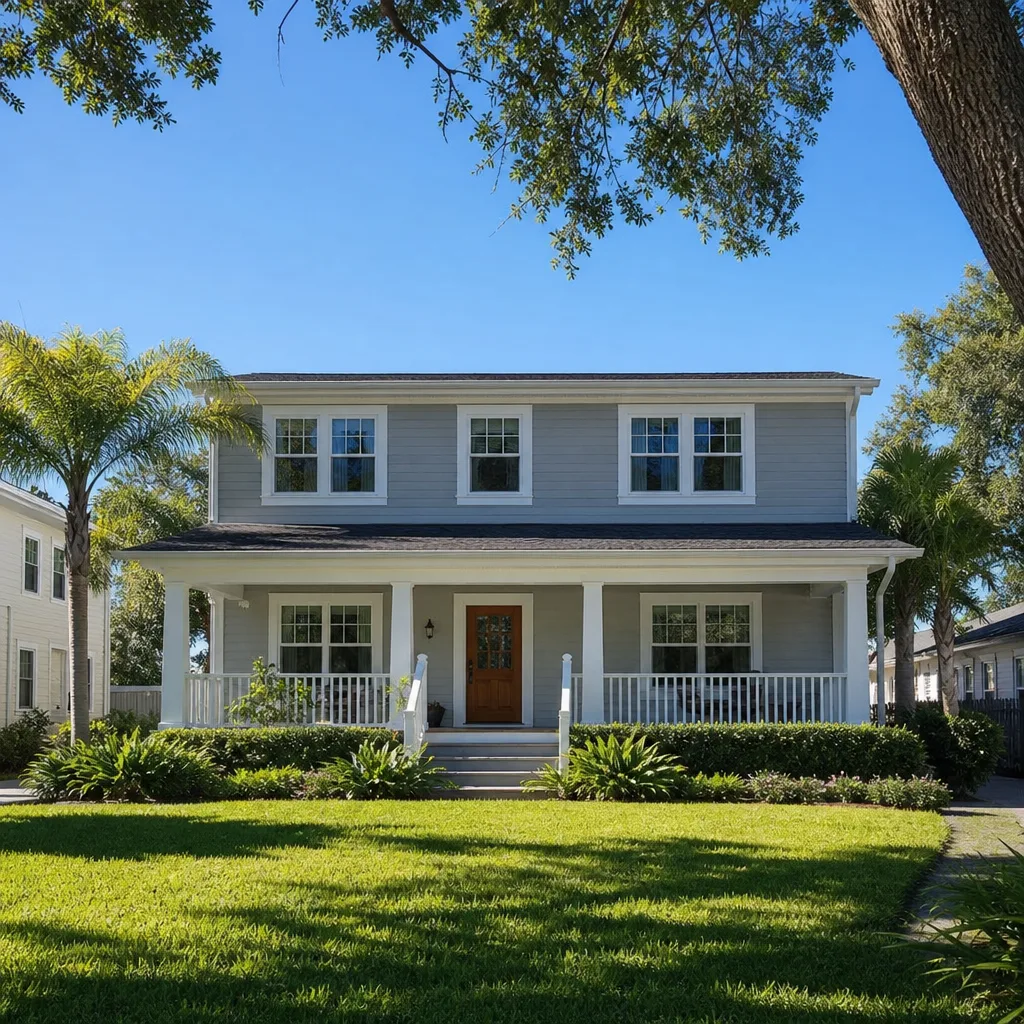
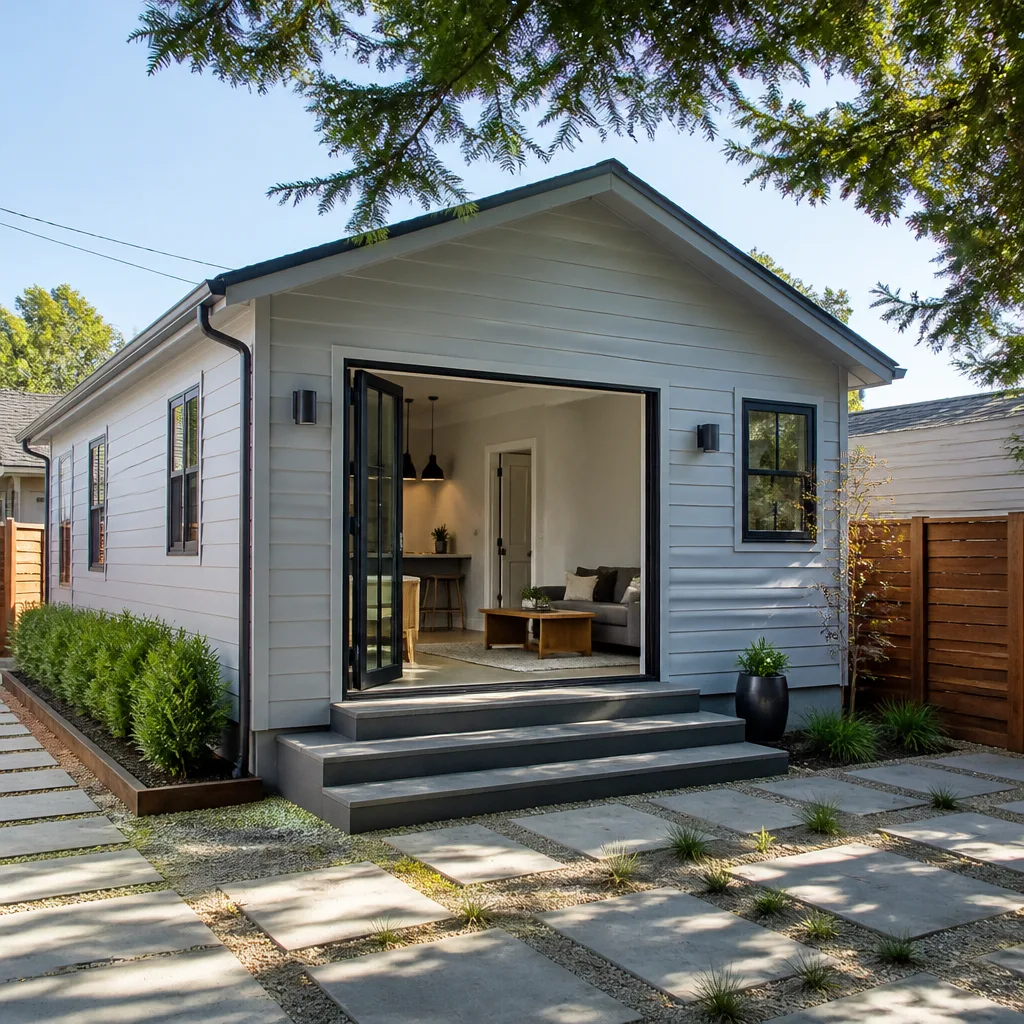
If you built or bought a home in Santa Clarita with a concrete addition, Quikrete products were likely in the mix, literally. The most common lines we see in additions and ADUs are the Quikrete 5000 high-strength mix for structural slabs, Quikrete Concrete Resurfacer for worn patio aprons and walkways, and Quikrete Fast-Setting Concrete for fence posts, gate footings, and small pad pours. The gotcha most owners hit: not every Quikrete product is rated for structural loads. Concrete Resurfacer, for example, is a wear-surface product, not a structural patch. If you have a crack that’s opened wider than a quarter inch on a bearing wall footing, resurfacer won’t fix it. You need an epoxy injection or a full pour-back, and that’s not a weekend job.
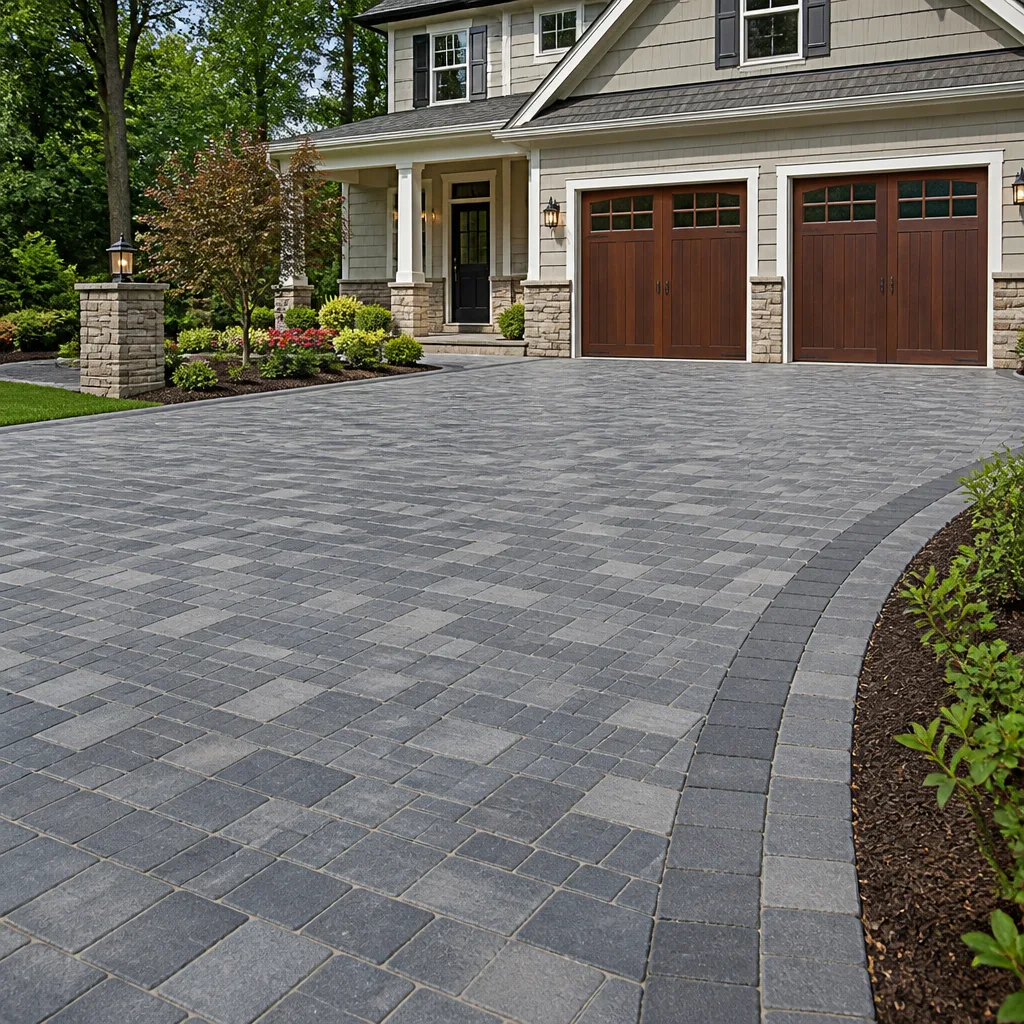
Here’s the compatibility check we run on every call. First, if you still have the original bag or invoice, the product code tells us exactly what series you’re dealing with. Second, measure the crack or failing area: hairline cracks under 1/8 inch are usually shrinkage, and those are cosmetic. Cracks between 1/8 and 1/4 inch that aren’t moving can often be chased and filled. Anything wide, offset, or actively letting water in is structural until proven otherwise. On the OEM-versus-aftermarket question for Quikrete products: Quikrete is already the aftermarket-friendly choice. There’s no “genuine Quikrete part” the way there is with a furnace control board. You’re buying the mix or repair product, and we can match it with equivalent products from Sika, Sakrete, or Rapid Set if availability or project needs call for it. For structural footings and stem walls, we stick with Quikrete 5000 or equivalent high-early-strength mixes because Santa Clarita building inspectors know the product and pass it without a fight.
One California-specific reality worth knowing: our soil in Santa Clarita moves. The alluvial soils around the Santa Clara River corridor and the clay-heavy ground up in Castaic expand and contract with moisture. A Quikrete slab poured without proper subgrade compaction or without control joints will crack eventually, no matter how well you finish it. That’s not a product failure. That’s site prep. We see it all the time on older ADUs built before the current Title 24 and foundation code updates.
Styles & brands we work with
Signs Your Quikrete Home Addition or ADU Is Failing
- Stair-step cracks in stem walls or foundation corners. This is settlement, usually from differential soil movement. The crack follows the mortar joints in the block or the pour lines in the concrete. In Santa Clarita, this shows up most after a wet winter when the clay soils swell.
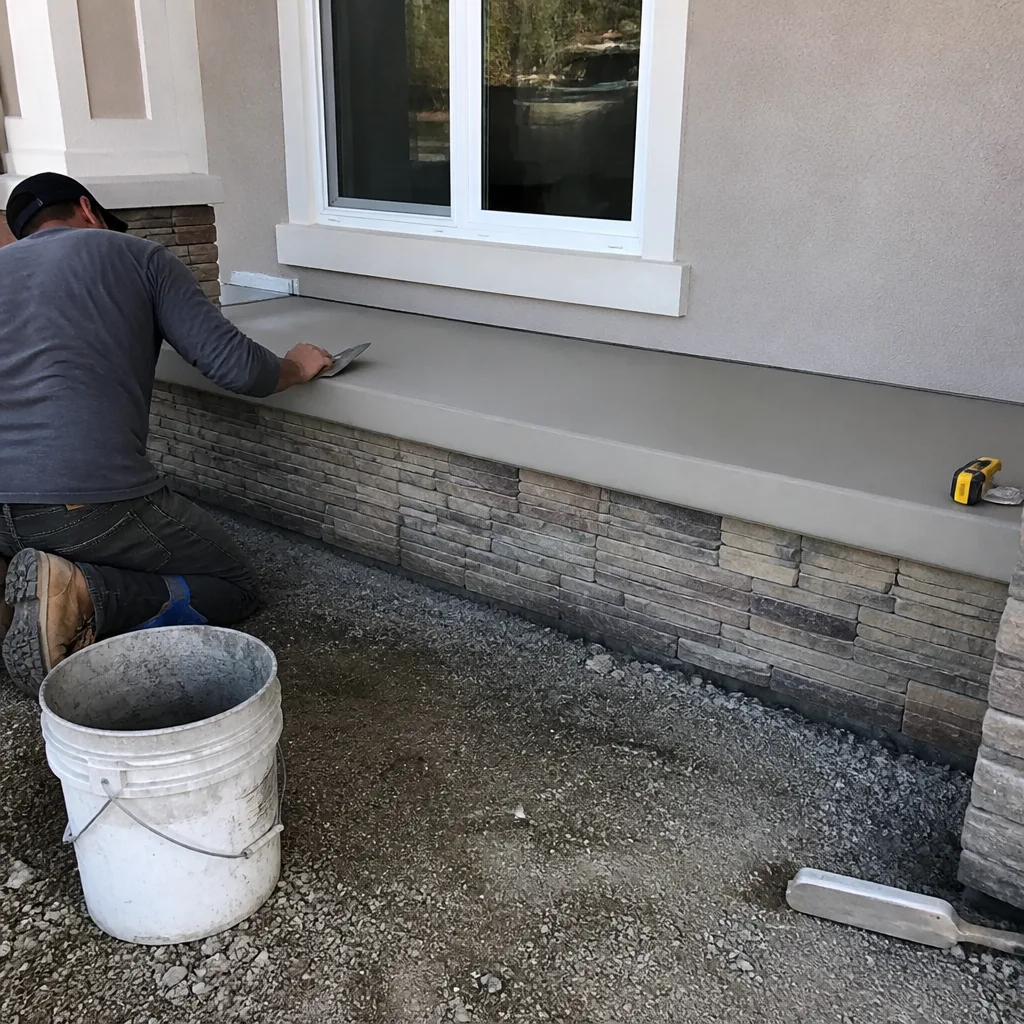
- Spalling or flaking concrete surfaces. The top skin of the concrete is delaminating. On Quikrete pours, this often happens when the mix was over-watered during placement or when the surface was finished too early and trapped bleed water. It’s ugly and gets worse, but it’s usually repairable with a proper resurfacer application.
- Water pooling against the slab edge or seeping through cracks. This means the grade around your addition has settled or the slab has settled below grade. It’s a drainage issue as much as a concrete issue, and in Santa Clarita’s flash-flood zones near the wash corridors, it’s a problem you fix before the next big storm.
- Doors and windows in the addition start sticking or binding. The framing moved. That usually traces back to a foundation issue, not a door hinge. When the slab edge drops a quarter inch, the whole wall rack goes out of square.
- Hollow sounds when you tap the slab or walkway. Voids underneath the concrete. In our part of California, underground voids form when water erodes the subgrade, or when gophers dig tunnels under a slab (that’s not a joke, we’ve seen it in Newhall). Voids left alone create unsupported slab spans that crack under load.
Replacement Cost & What’s Included
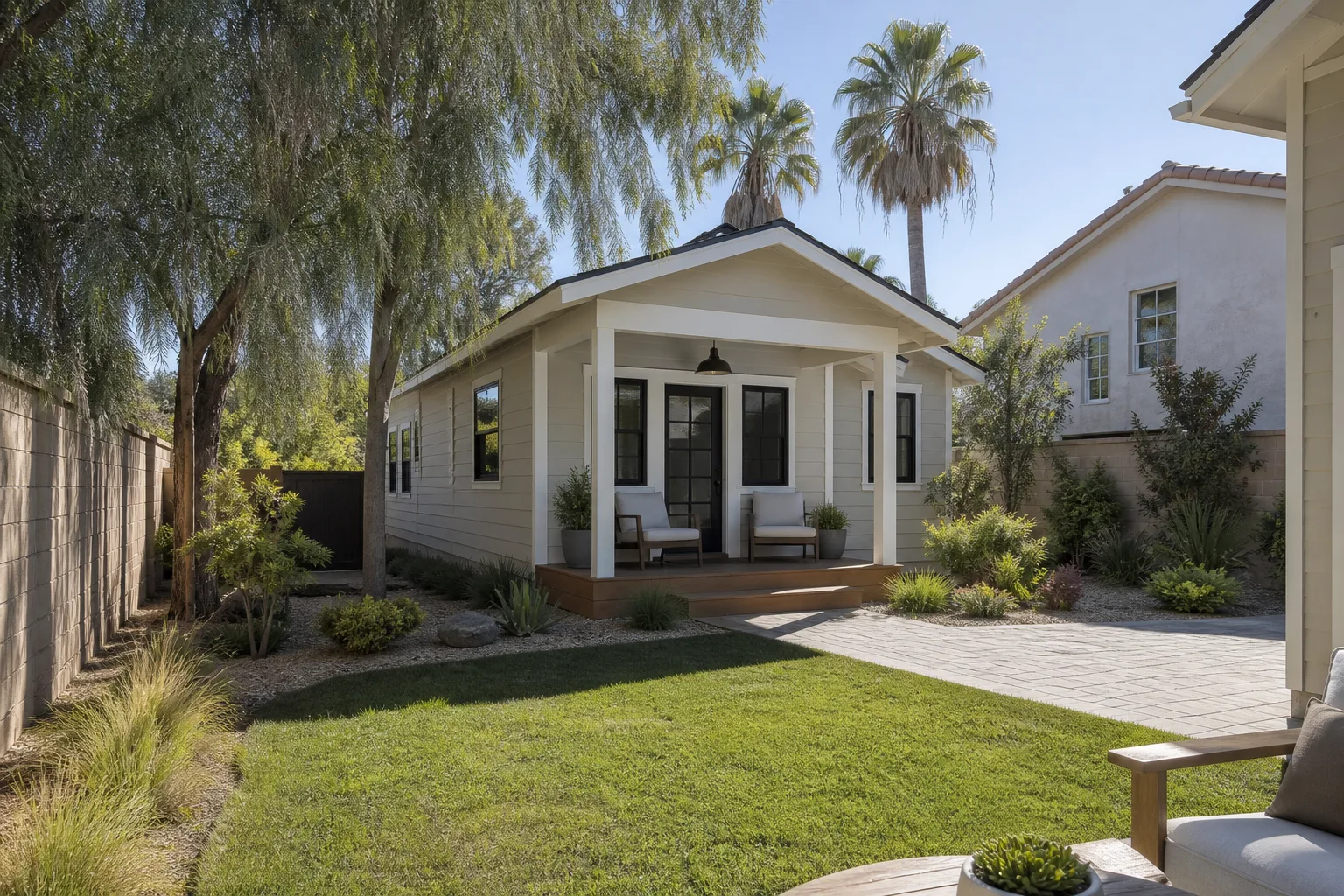
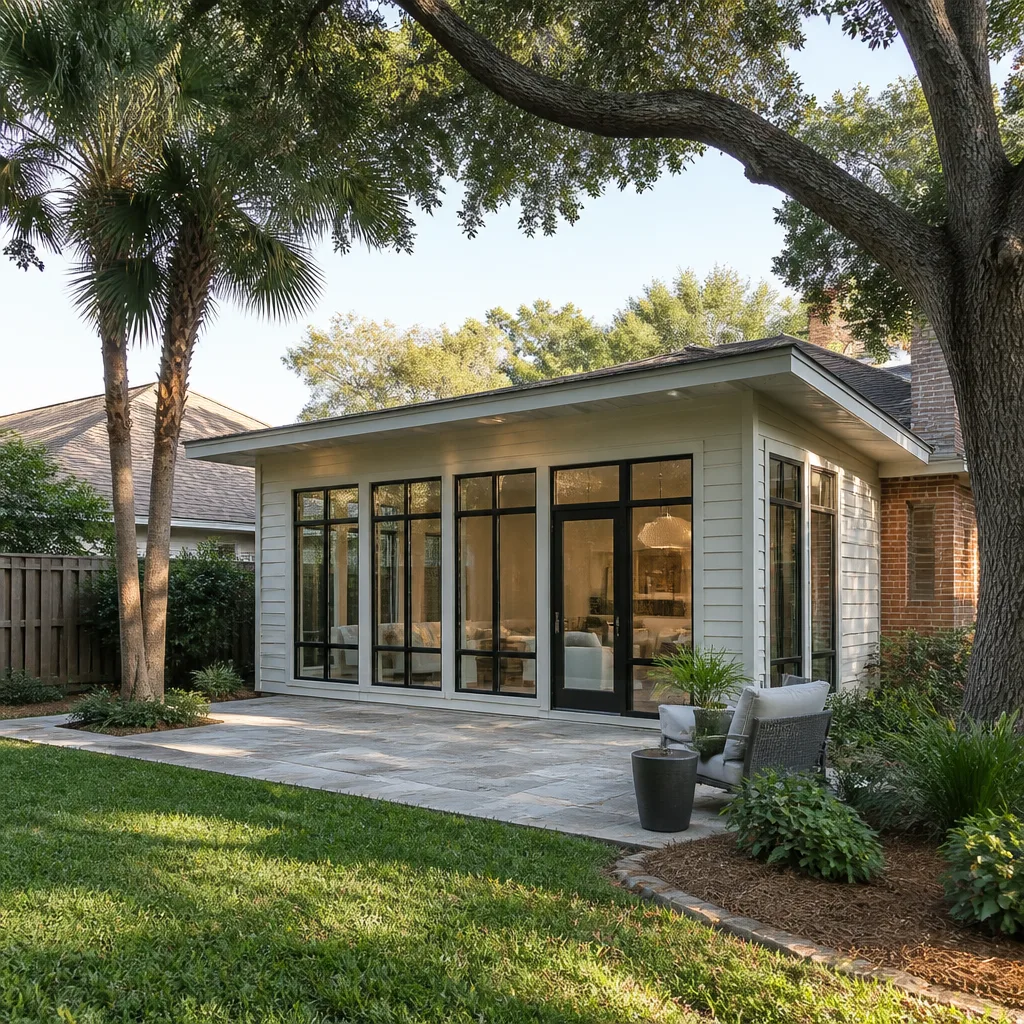
Let’s talk real numbers for Santa Clarita. A full home addition using Quikrete materials typically lands between $45,000 and $130,000 installed. An ADU, because of kitchen, bath, and separate utility requirements, runs $90,000 to $220,000. Where your project lands inside those ranges comes down to square footage, site access, soil conditions, and whether you’re adding a simple living space or a full second unit with a kitchen and bath.
For smaller concrete repairs tied to a Quikrete failure, you’re looking at different math. A crack injection repair on a foundation typically runs $1,200 to $4,500 depending on access and the number of injection ports. A resurfacing job on a 200-square-foot patio or walkway usually lands between $1,800 and $4,000. A full slab tear-out and re-pour for a small patio or walkway starts around $3,500 and climbs with thickness and rebar requirements.
Every estimate from us includes the material, labor, haul-off of demo debris, and the permit coordination if the repair triggers one. You’ll get a written line-item price before any work starts. No change orders unless you change the scope. The 365-Day Done Right Promise covers the workmanship for a full year: if something we touched fails, we come back and make it right, in writing, no argument.
See the difference
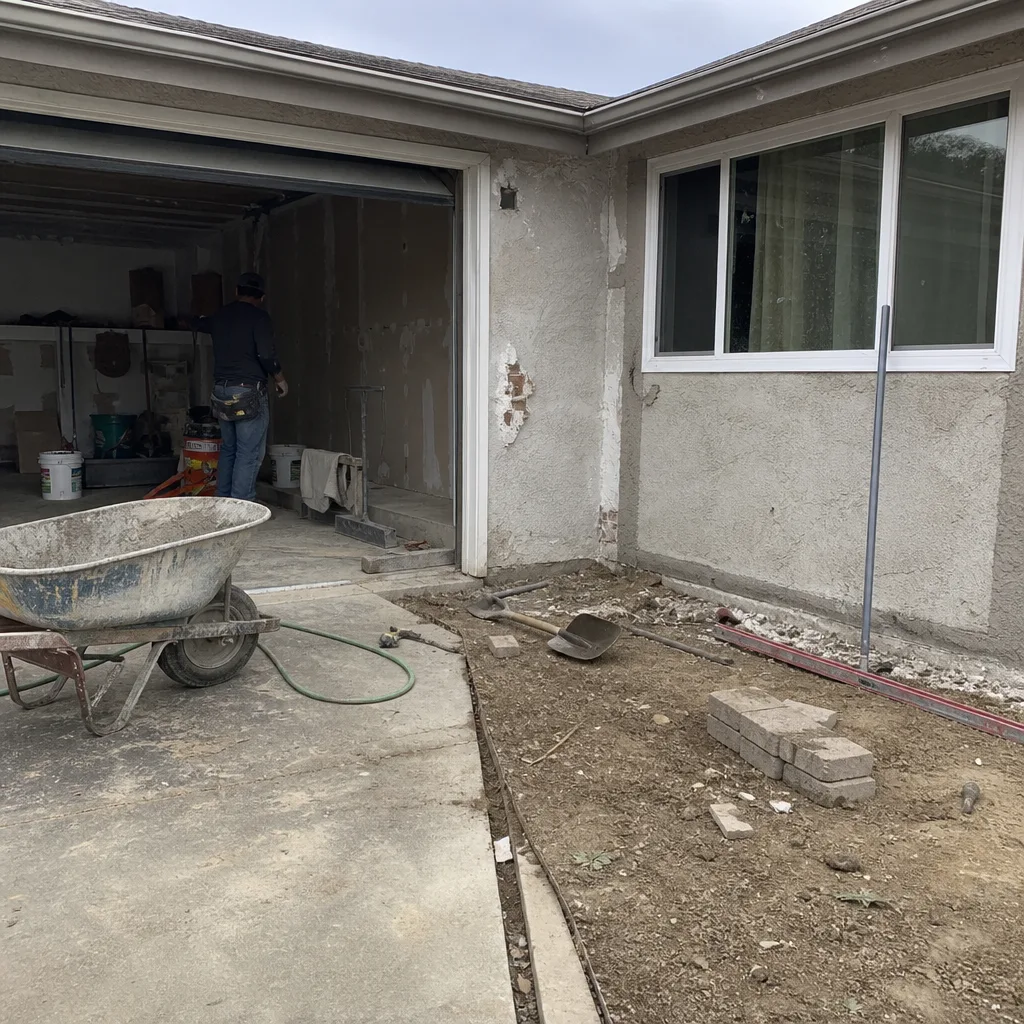 Before
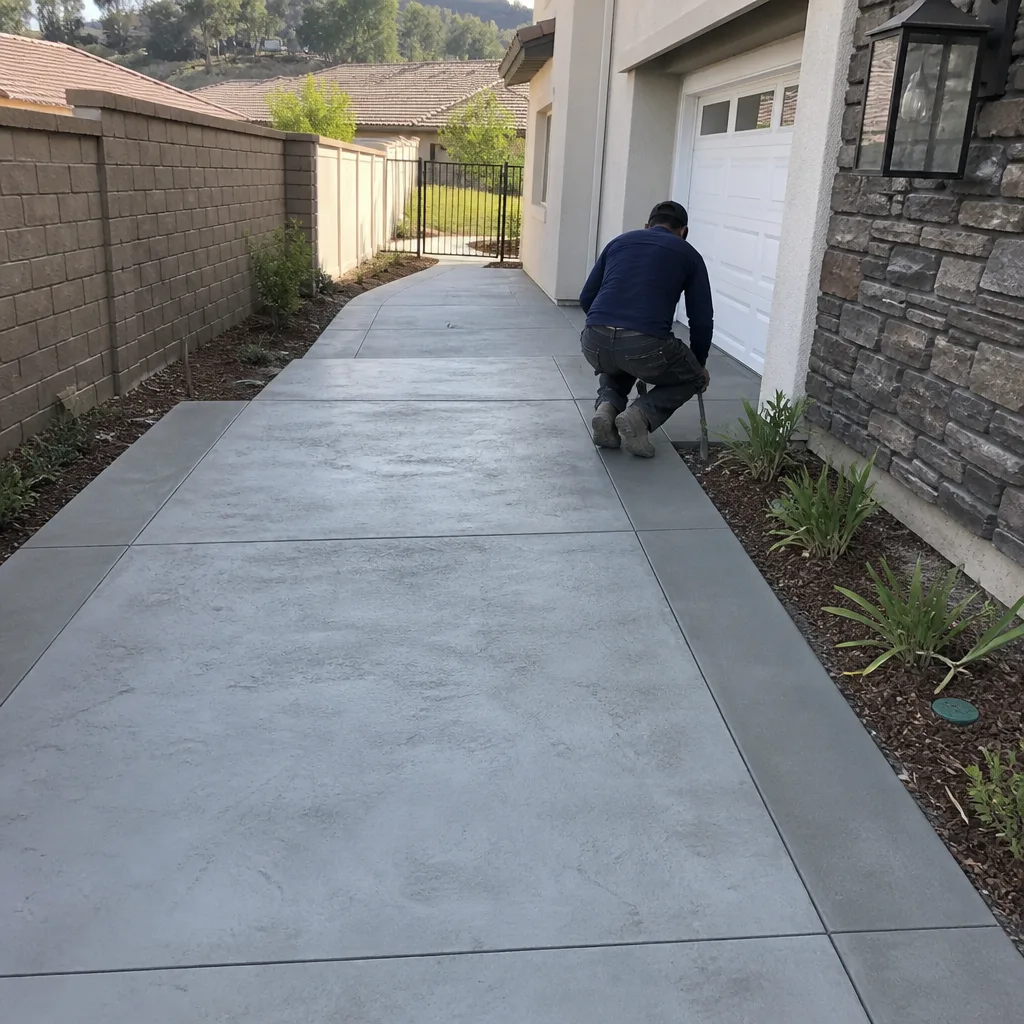 After
After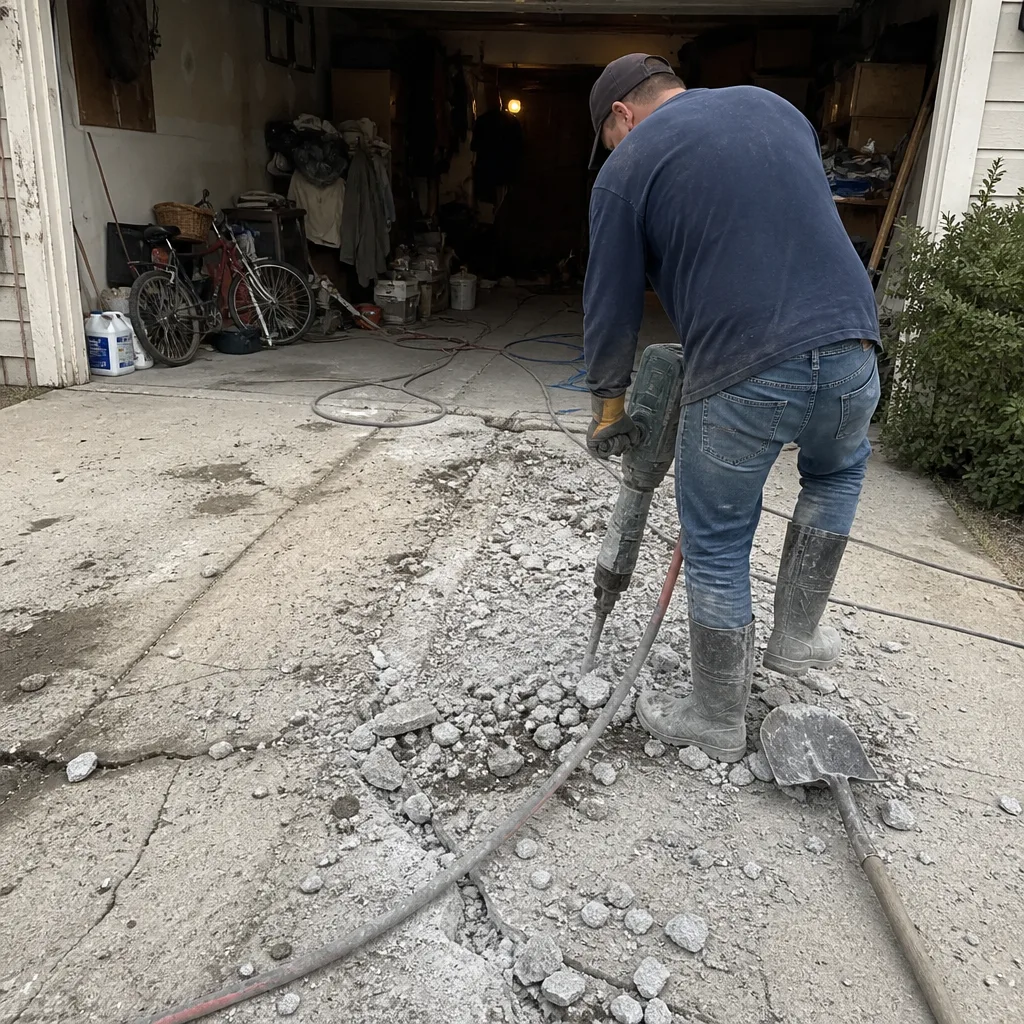 Before
 After
After Before
 After
AfterDIY or Call Us?
If you’re looking at a hairline crack in a non-structural walkway, you can chase it with a Quikrete crack sealant from any home center and likely be fine. That’s a Saturday morning job. If the crack is in a stem wall, a footing, or anything holding up your house, do not try to patch it and call it done. Structural concrete work is not a DIY category. The risk is a failed repair that masks the real problem until the slab moves again, and then you’re paying for the original fix plus the re-fix.
The middle ground: you can check slab edges for voids with a broom handle, watch whether a crack widens over a two-week period, and make sure downspouts are directing water away from the foundation. Those checks help us diagnose faster. But when it comes to the actual repair, concrete is unforgiving. It sets on its own schedule and there’s no “redo” button once it kicks. Call us at (661) 592-1977 and we’ll send someone who can tell you in ten minutes whether it’s a cosmetic issue or a structural one. The estimate is free.
FAQs
A properly poured Quikrete slab with good site prep, correct rebar, and proper curing will last 50 years or more, but the surface may need maintenance resurfacing every 10 to 15 years depending on sun exposure and drainage. Santa Clarita’s UV load is rough on exposed concrete surfaces, and older pours without adequate control joints tend to show surface wear faster than the slab actually degrades. Call (661) 592-1977 if you want an honest read on whether what you’re seeing is normal aging or a real problem.
Yes, most foundation cracks in Santa Clarita additions can be repaired with epoxy or polyurethane injection rather than a full tear-out, as long as the crack is stable and there’s no ongoing settlement. If the slab is still moving, the repair is temporary and you’ll need to address the soil or drainage issue first. We’ll tell you which situation you’re in before we recommend a fix, and the estimate to find out costs you nothing.
A typical crack injection takes one day. A resurfacing job runs two to three days with cure time. A full concrete addition or ADU foundation and framing depends on scope, but most home additions in Santa Clarita complete in 8 to 16 weeks from permit to final inspection. We’ll give you a written schedule before we start, and we hit it.
We stock the common Quikrete repair products on our trucks: Concrete Resurfacer, Fast-Setting Concrete, bonding adhesive, and crack sealant in several formulations. If your repair calls for a specialty product, we can usually have it from a local Santa Clarita supplier by the next morning. You won’t wait days on a repair because we had to order a bag of mix.
Ready to Get a Price on Your Quikrete Home Addition or ADU?
The work tells the story. We just show up and do it right. If you have a failing Quikrete pour, a settling slab, or you’re planning a home addition or ADU in Santa Clarita and want to know what the concrete work will actually cost, call us at (661) 592-1977. You’ll get a live person on the phone, a straight answer, and a written price before any work starts. That’s how Luca Romano and the Sawyer Remodel Santa Clarita crew have run every job since 2005, and that’s how your project will run too.
We also work daily with materials from KraftMaid, Cambria, and Silestone on the finish side, so when the concrete is done and it’s time for cabinets, counters, and tile, the same crew keeps moving without a new learning curve. One call covers the whole project.
Written by Luca Romano, Owner, Sawyer Remodel Santa Clarita at Sawyer Remodel Santa Clarita, serving Santa Clarita and nearby areas.