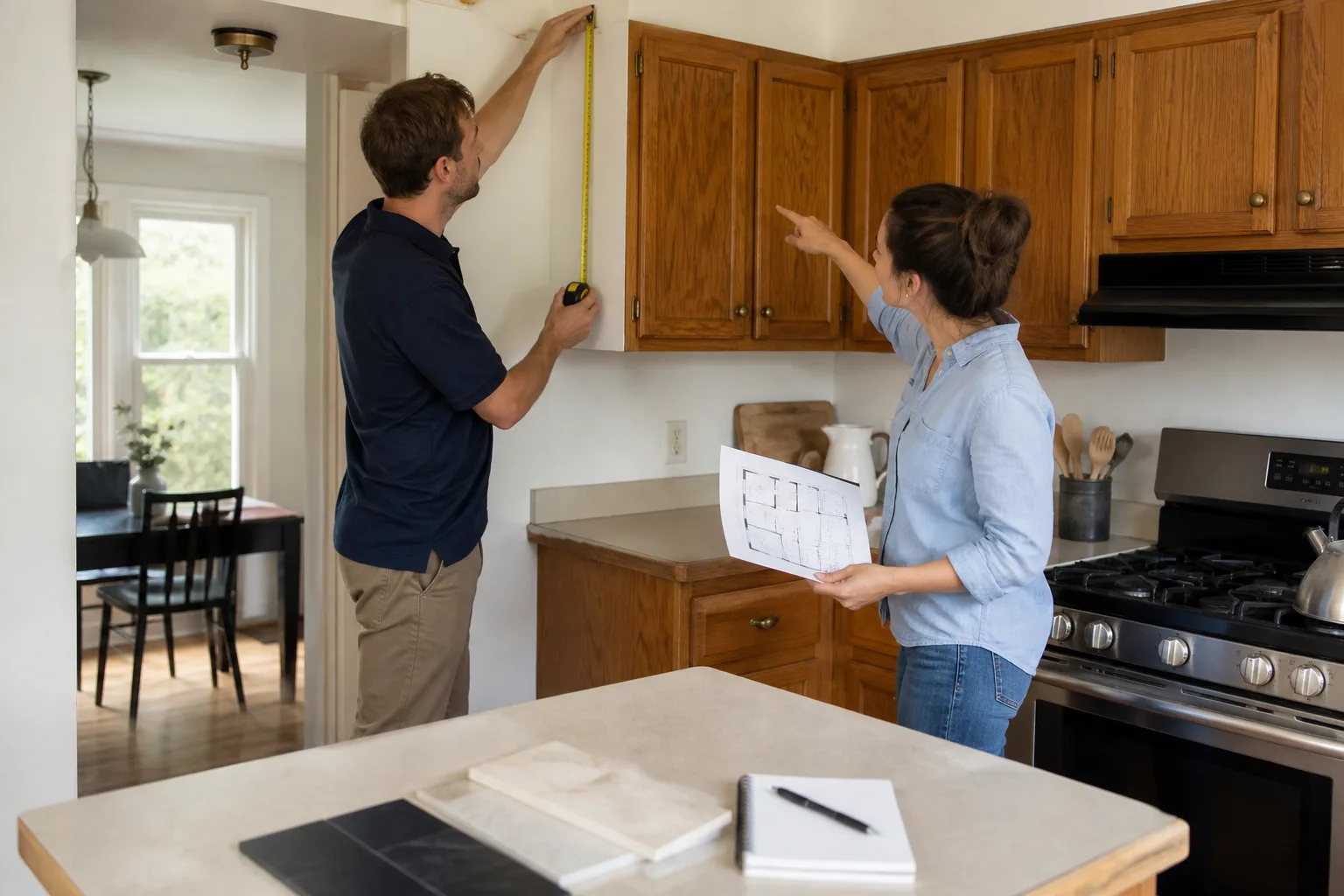
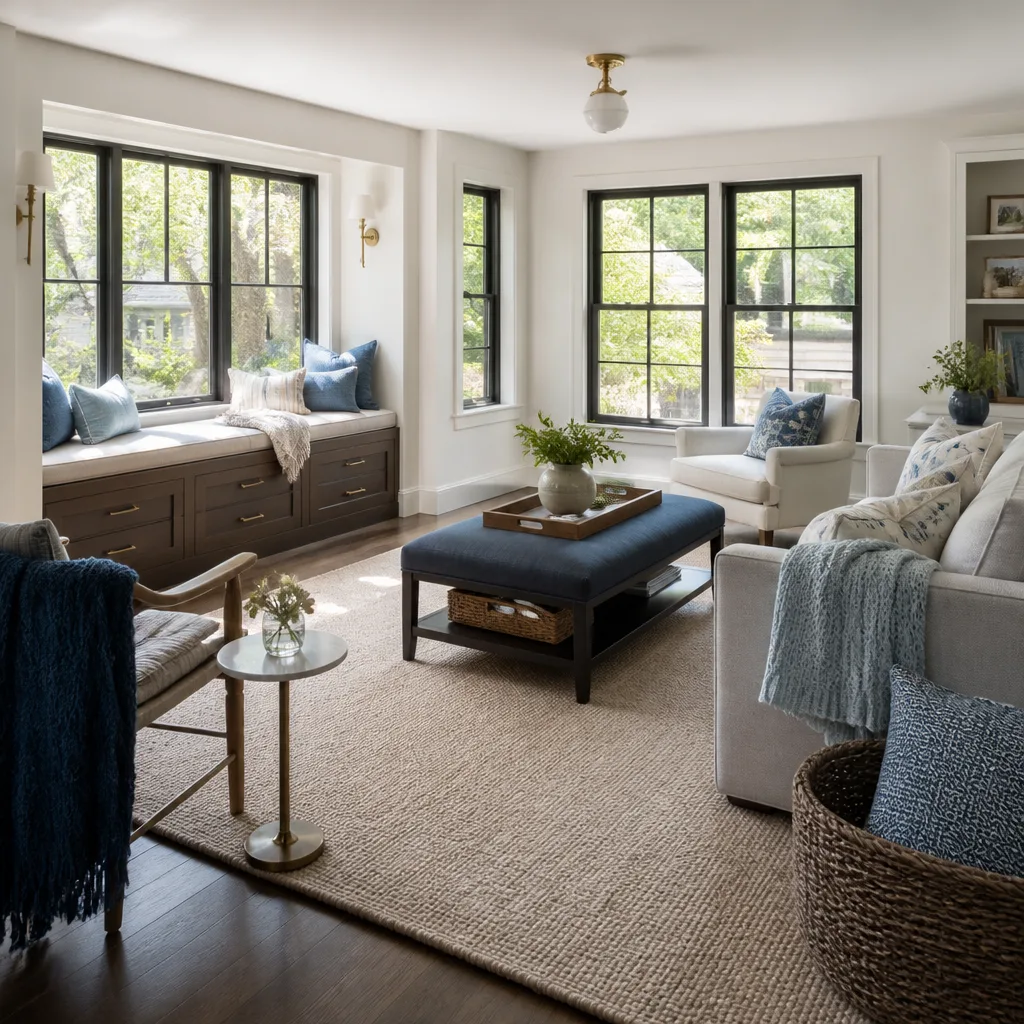
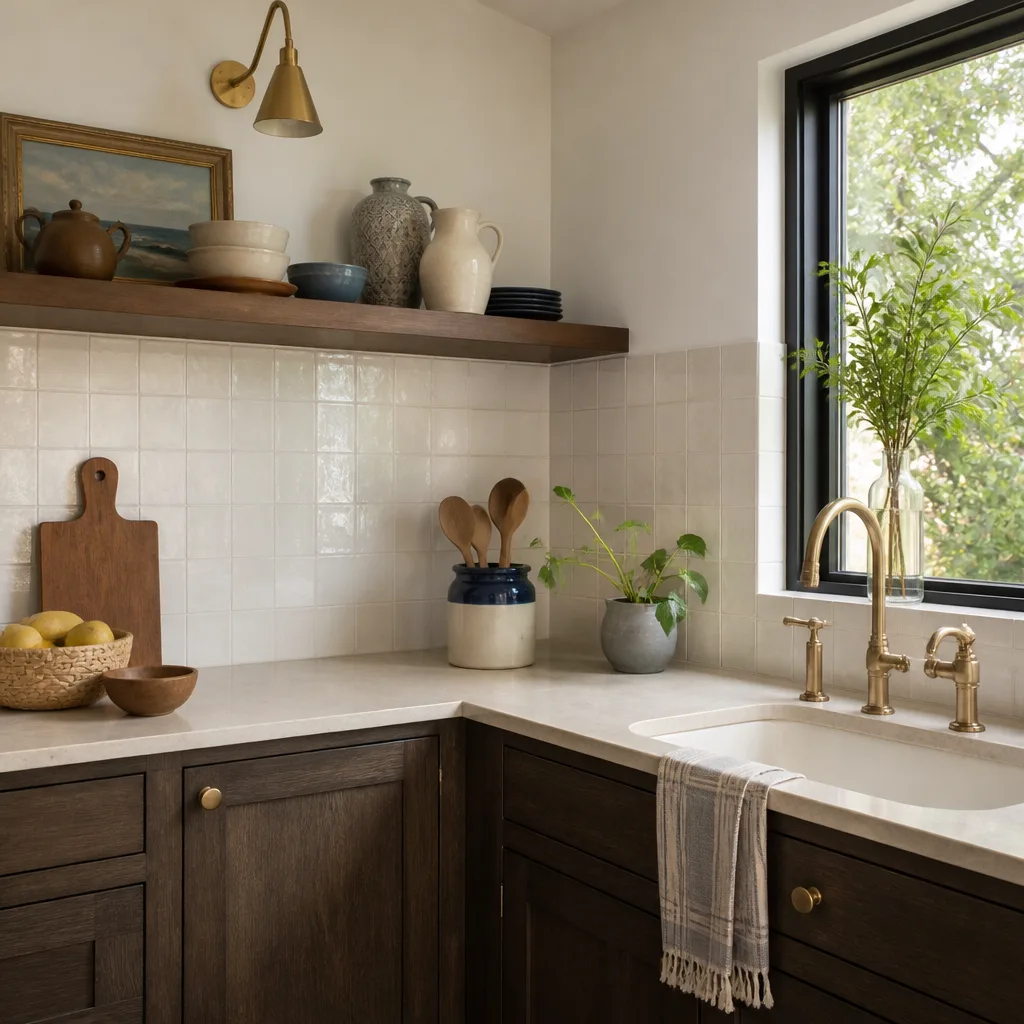
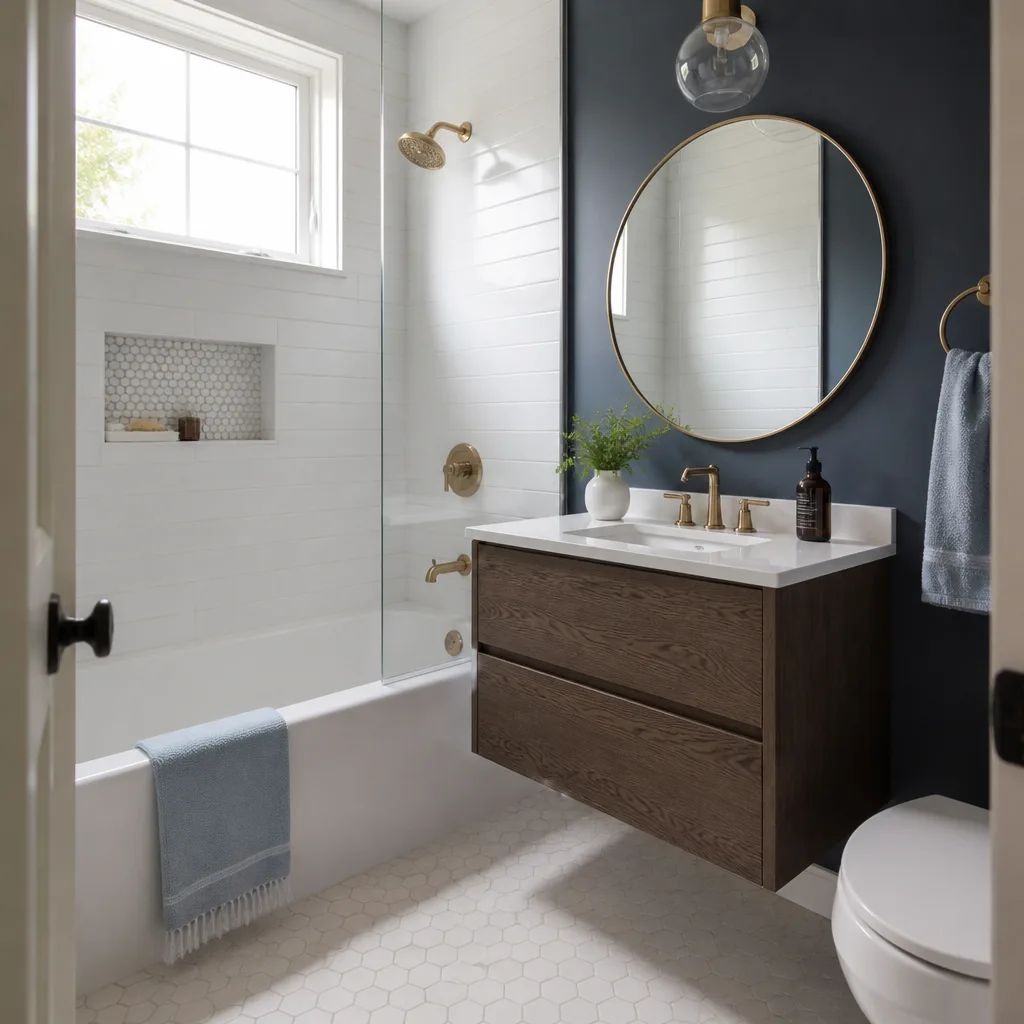
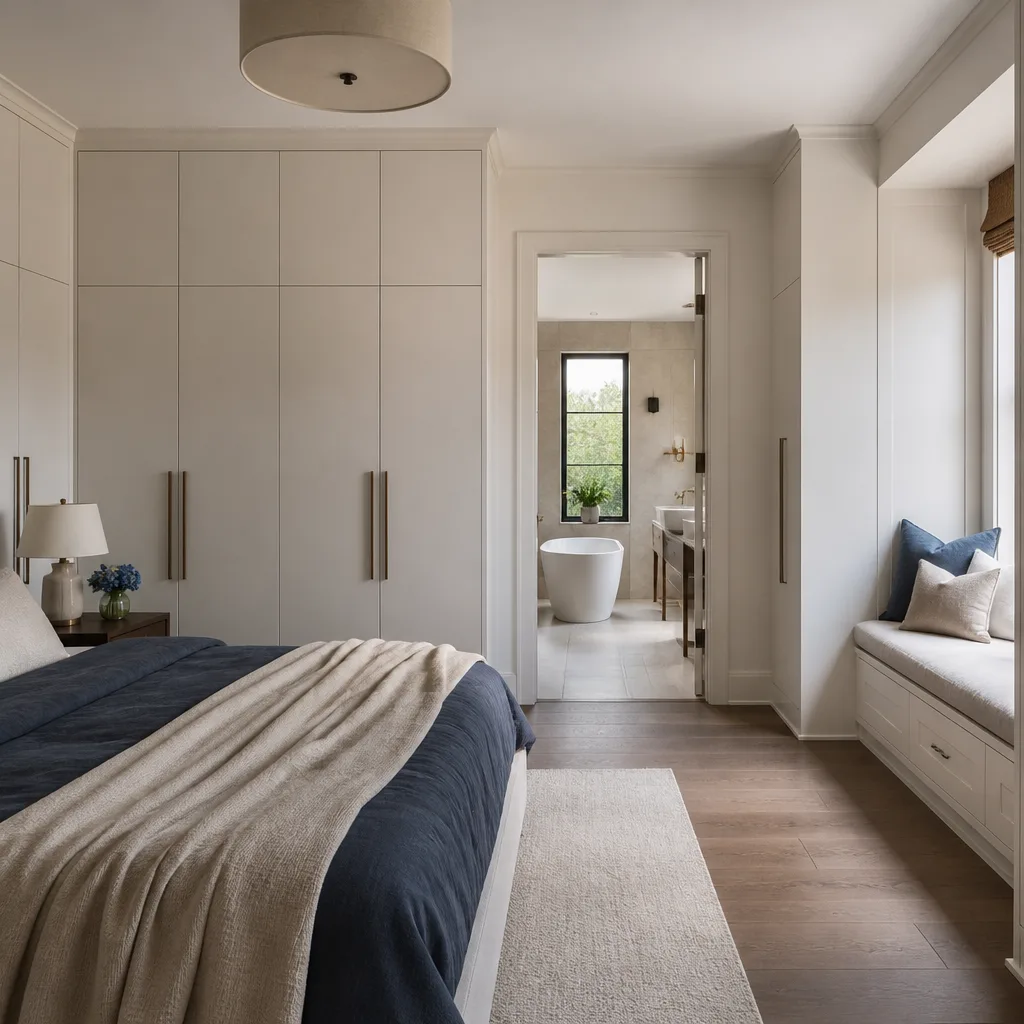
Free written scope consultation - allowances, timeline, and change-order rules on paper before a single trade is scheduled
Master Halco Home Additions & ADU: The Santa Clarita Owner’s Guide
Master Halco home additions and ADU construction in Santa Clarita typically runs $45,000 to $130,000 installed, depending on square footage, foundation work, and finish level. We handle Master Halco-compatible framing, truss, and engineered lumber components on every addition and ADU we build here, and we keep the common connector plates, hangers, and anchor hardware in our local stock so we’re not waiting on a distributor when your project hits mid-frame. Most owners don’t discover a component issue until a inspection fails or a seam opens up – that’s when the phone rings.
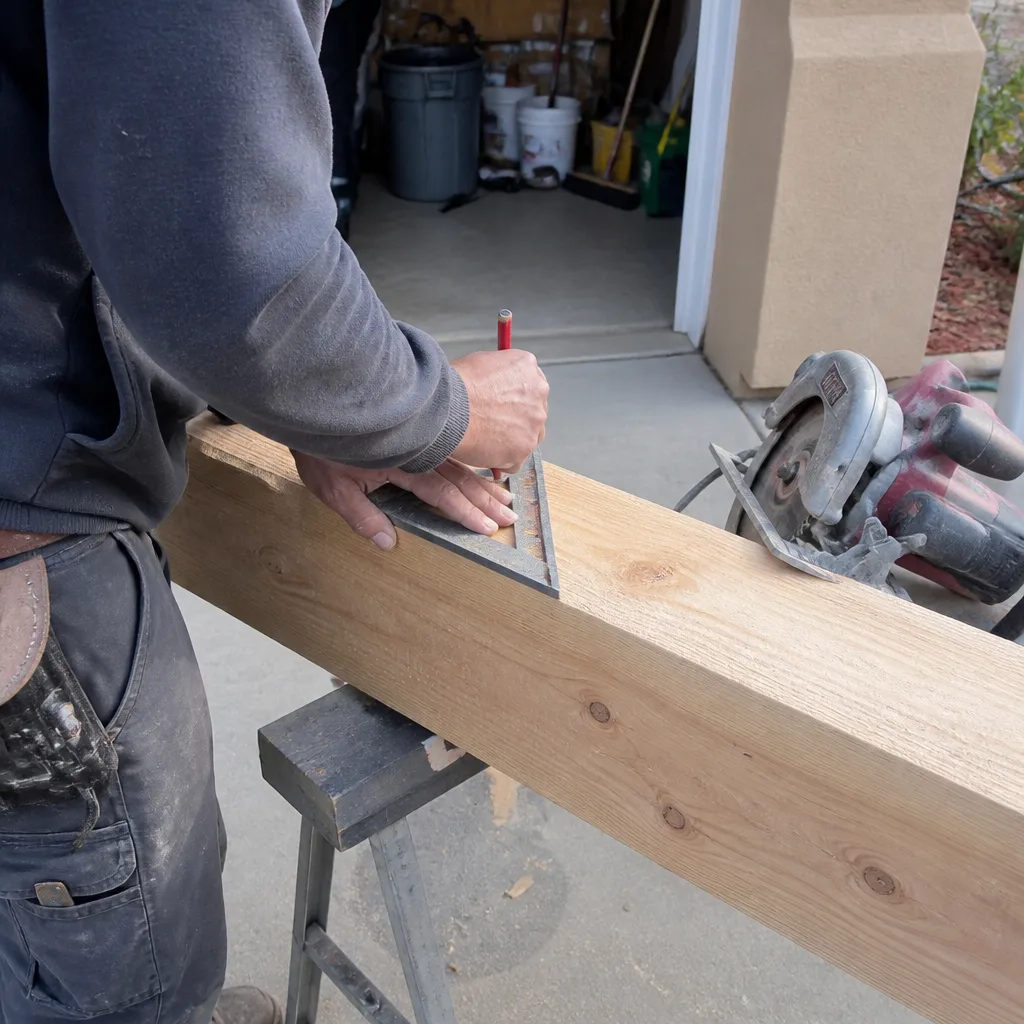
We’re an independent remodeling and construction firm in Santa Clarita, not a Master Halco dealer or affiliate. But we’ve built enough additions and ADUs with their framing packages to know exactly what works, what fails, and what to check before the inspector does. Luca Romano has walked plenty of Santa Clarita ADU sites where a homeowner bought a kit, got three walls up, and realized the connector spec didn’t match the plan set. That’s a fixable problem. It’s also avoidable if you know what you’re looking at.
Which Master Halco Models This Applies To
Master Halco doesn’t sell a single “addition kit” – they supply the structural components: trusses, I-joists, LVL beams, rim board, and the hangers and plates that hold them together. When someone calls us about a “Master Halco home addition” in Santa Clarita, they usually mean one of two things: they have a plan set that calls for Master Halco Post Frame or Stick Frame components, or they have already purchased a package and need someone to install it correctly.
Here’s the compatibility gotcha most people miss: Master Halco truss packages are designed to a specific snow load, wind load, and seismic zone. Santa Clarita sits in Seismic Design Category D. A package spec’d for a lower seismic zone in Arizona will not pass plan check here. If you bought plans online and the truss calcs don’t show Category D, you’ll need re-engineering before you pull a permit. We see this at least a few times a year, usually from homeowners who bought a “California ADU plan” that turned out to be generic. The fix is a structural engineer’s letter and possibly upgraded connector hardware – typically a $2,000 to $5,000 line item before construction even starts.
On the OEM-vs-aftermarket question: Master Halco’s own connector lines (they distribute brands like USP/MiTek and Simpson Strong-Tie through their yards) are what the engineer specified. Swapping in a cheaper no-name hanger to save $300 on an ADU is a bad trade. The inspector will catch it, and more importantly, a seismic event doesn’t care about your savings. We install what the plan set calls for. If the plan set allows an equivalent, we’ll tell you and price it both ways.
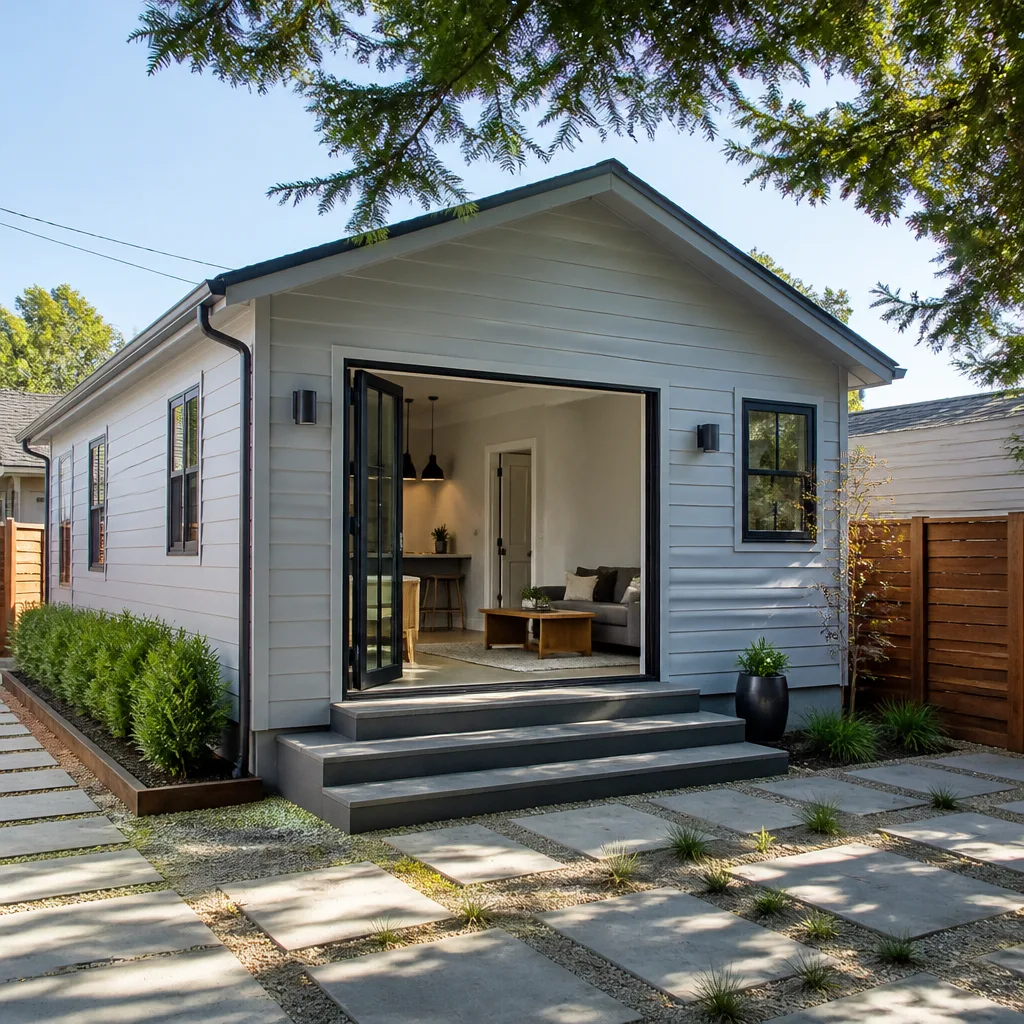
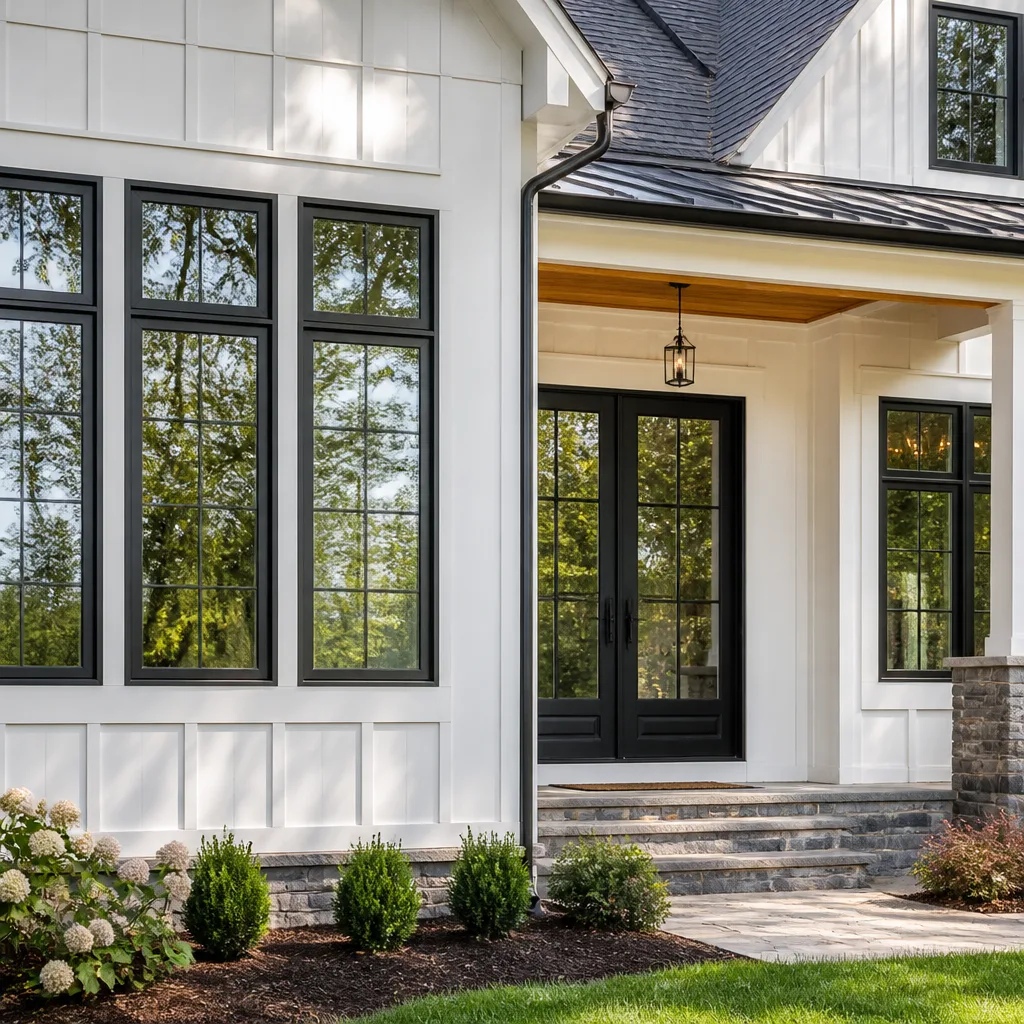
Styles & brands we work with
Signs Your Master Halco Home Additions & ADU Is Failing
- Gaps opening at truss-to-wall connections. Wood shrinks as it dries, and Santa Clarita’s hot summers accelerate that. If you see daylight between the truss bottom chord and the top plate, or if hurricane ties look loose, the connection may have lost tension. This is usually a seasonal thing, but loose ties in Seismic Category D should be snugged by someone who knows the torque spec.
- Cracks in drywall at door corners or where the addition meets the original structure. Every addition settles differently than the existing home. A hairline crack at the seam is normal in the first year. A crack wider than a nickel, or one that keeps growing after the first full hot season, signals differential movement the framing wasn’t designed to handle.
- Floor bounce or squeaks over the new joists. I-joists and engineered lumber have tighter deflection limits than old-growth dimensional lumber, but they still move. If a stroller rolling across the floor makes your water glass ripple, the span or spacing may be off, or a bridging row was skipped.
- Connector plates separating from the lumber. If you can slide a putty knife behind a truss plate or a hanger flange has pulled away from the face of the wood, stop and call someone. That’s a structural connection that has started to fail. It doesn’t usually happen overnight, but it doesn’t fix itself either.
- Stucco or siding cracks radiating from the addition’s corners. The cladding tells the truth about what’s happening underneath. If a crack runs continuously from the addition’s outside corner to a window or roofline, the structure is moving more than the cladding can absorb. That warrants a site visit before it becomes a water intrusion problem.
See the difference
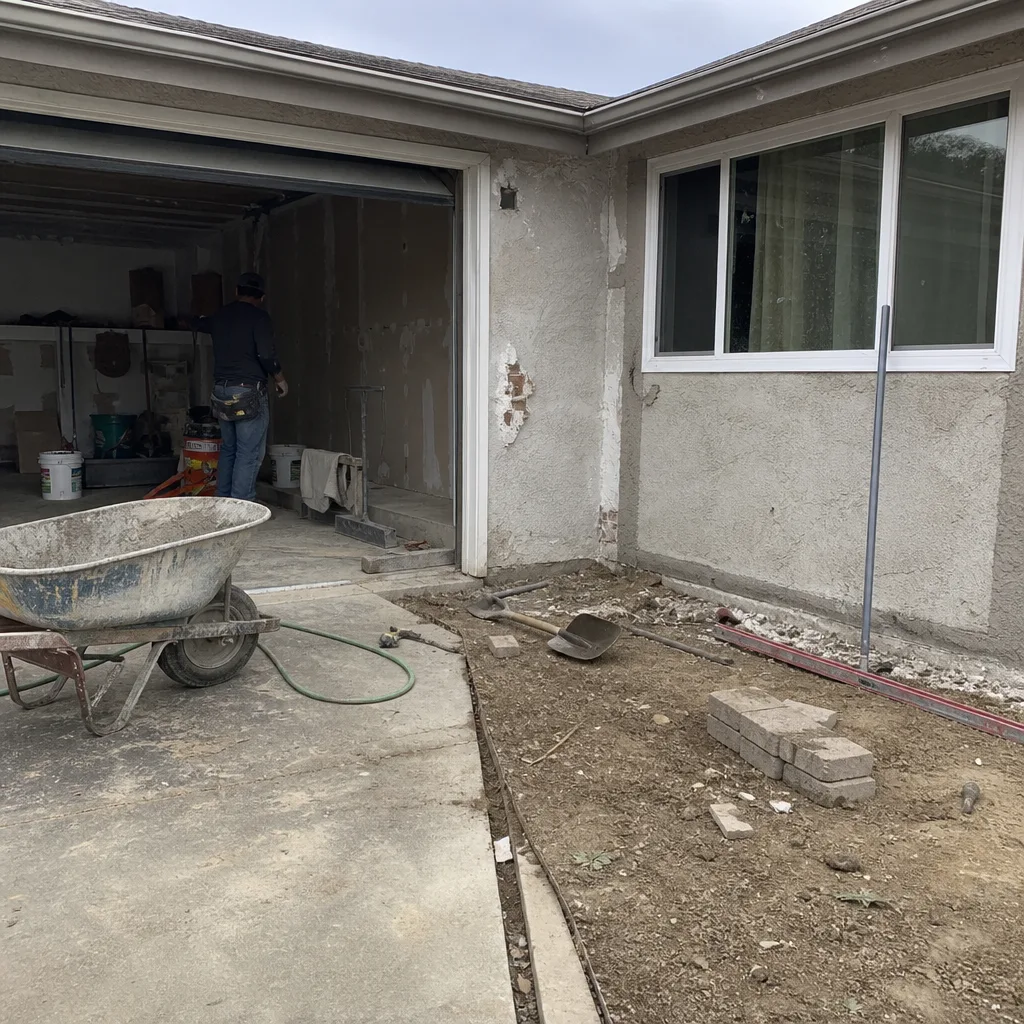 Before
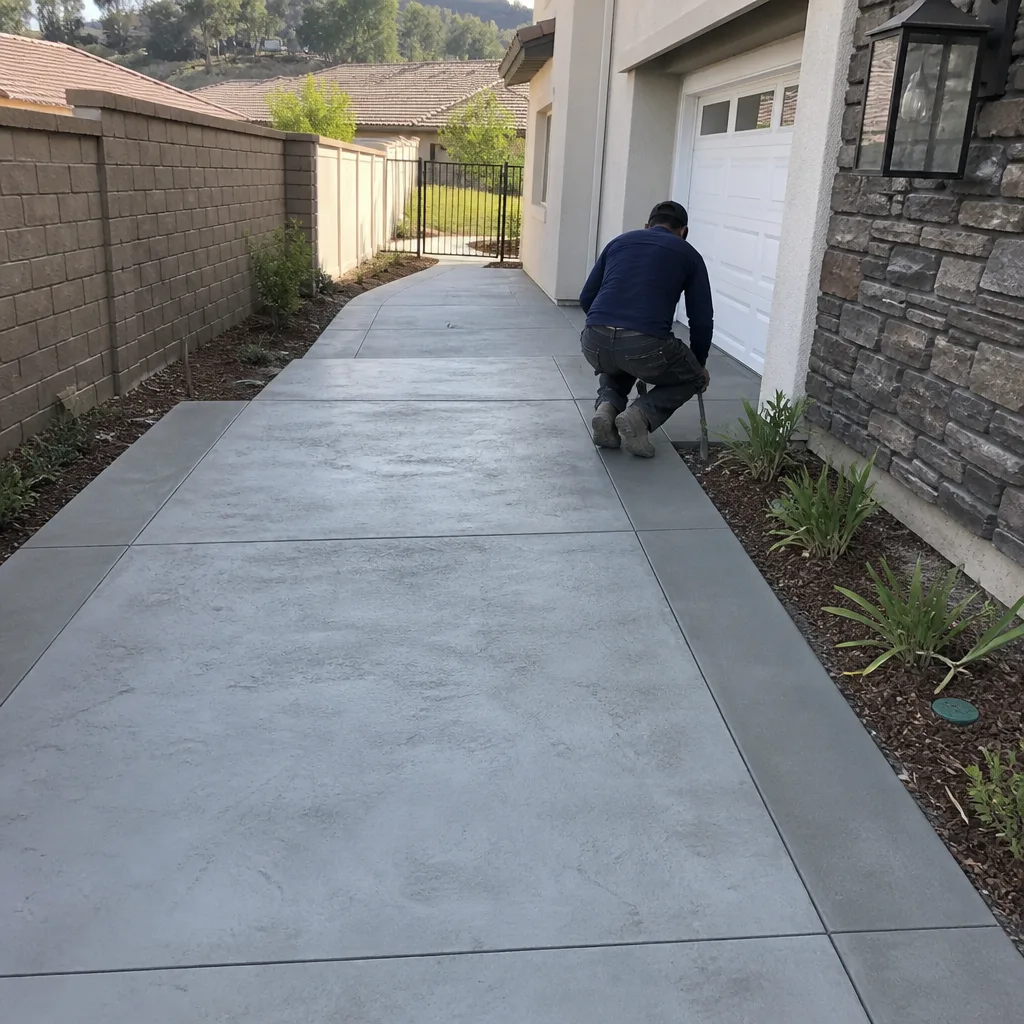 After
After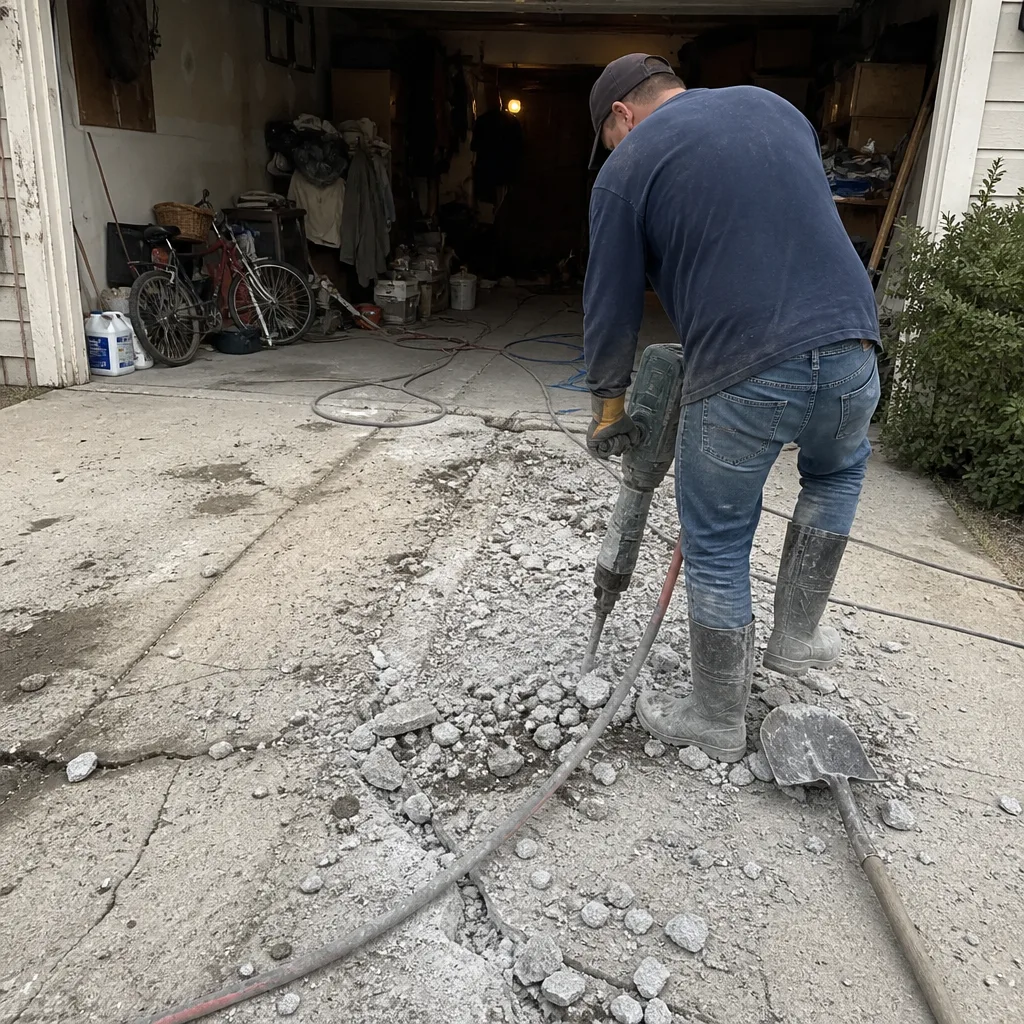 Before
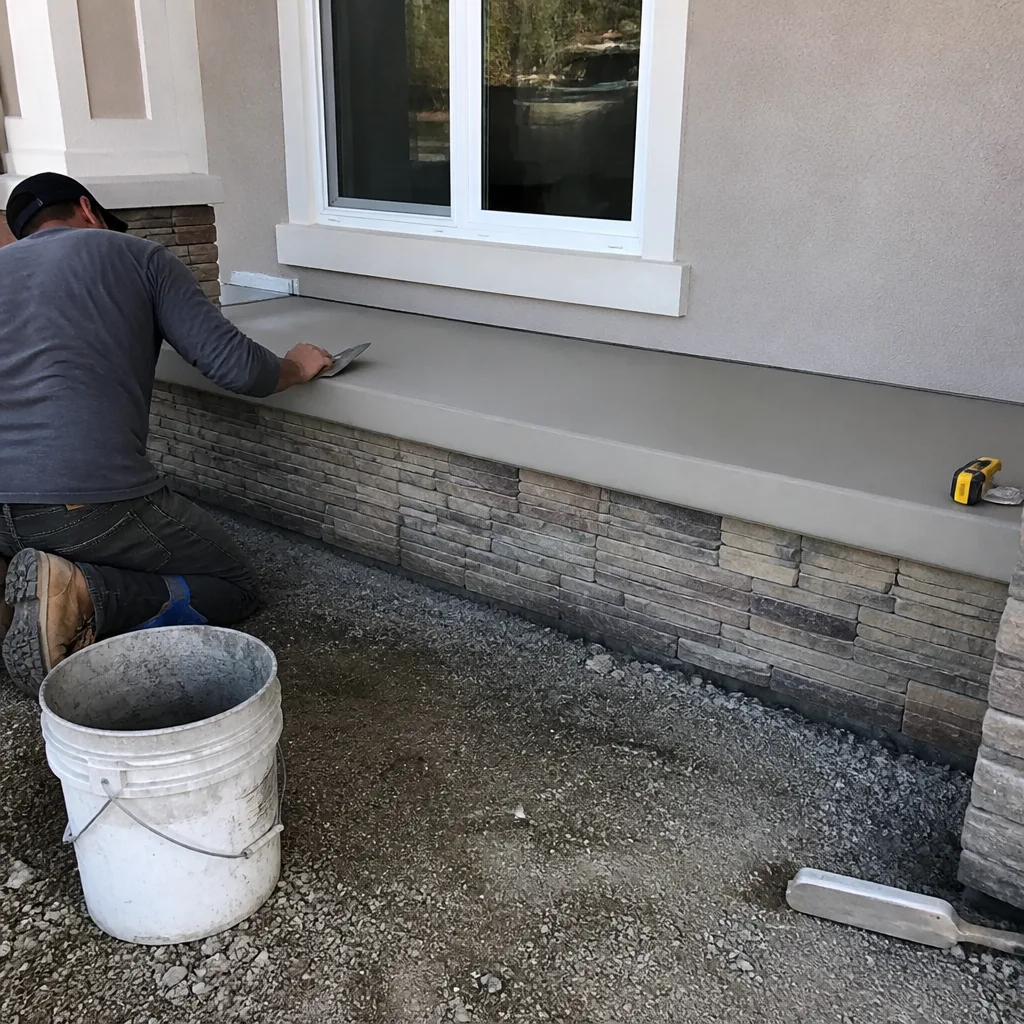 After
After Before
 After
AfterReplacement Cost & What’s Included
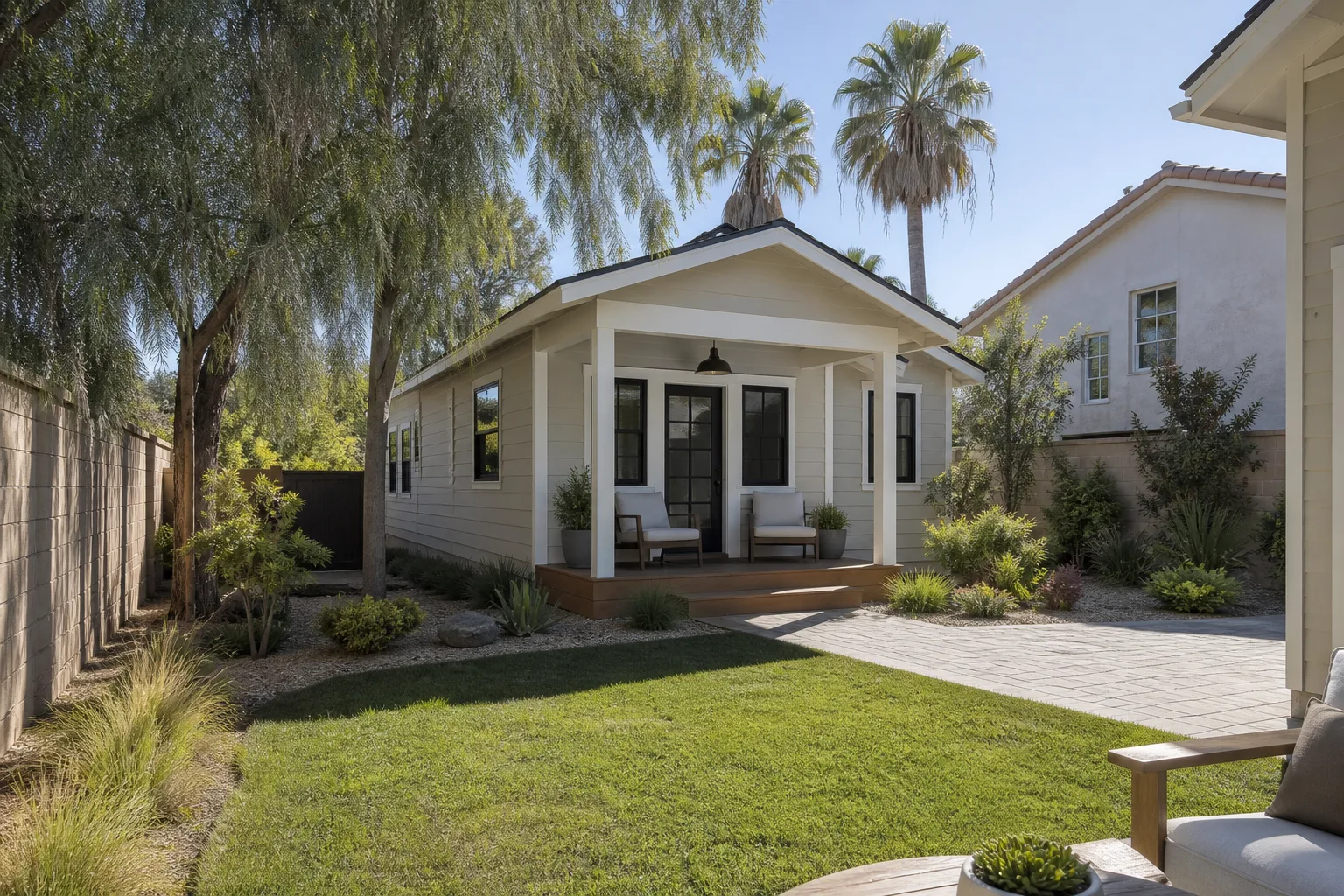
For Santa Clarita, a full home addition with Master Halco-compatible framing lands between $45,000 and $130,000. A detached ADU runs $90,000 to $220,000. A garage conversion, which is often the cheapest path to an ADU because the shell already exists, sits at $30,000 to $80,000. Those numbers cover the full scope: foundation, framing package, dry-in, rough and finish electrical and plumbing, drywall, paint, flooring, and the final clean.
What drives the spread? Square footage is the obvious lever. A 400-square-foot addition with a simple gable roof and no plumbing sits at the bottom of the range. A 1,200-square-foot addition with a kitchen, a bathroom, a new subpanel, and upgraded seismic details climbs fast. The second lever is site conditions: slope, soil, access. A backyard ADU on a flat Valencia lot with a gate wide enough for a mini excavator costs less than one on a hillside in Saugus where everything comes in by wheelbarrow and the footing soils need compaction testing. Third is finish level: builder-grade versus Cambria or Silestone counters, Kohler fixtures, and custom cabinetry. We put all of it in writing before the first tool comes out, and the price you approve is the price you pay under The Relay Visibility Guarantee.
Every addition and ADU we build carries a written warranty on our work, and the 365-Day Done Right Promise covers it for a full year after we hand you the keys. If something’s not right, we come back. No invoice, no debate.
DIY or Call Us?
Here’s what you can safely do yourself: measure your space, check your property lines, look up your setback requirements on the City of Santa Clarita’s building department page, and read the documentation that came with your Master Halco package. Knowing your R2 zoning designation, maximum lot coverage, and side yard setbacks before you call anyone will save you a design meeting and a few hundred dollars in plan revisions.
What you should not do yourself is frame a structural addition or ADU. This isn’t a gate repair. A truss that drops mid-install can kill someone on the site. An undersized beam over a new sliding door doesn’t sag – it cracks the tile and torques the door frame until it binds. Under seismic load it becomes a hazard, not an aesthetic problem. The tension and compression forces involved in setting trusses, anchoring sill plates, and nailing off shear wall panels aren’t the place to learn by watching videos. If you’re in this position, call us at (661) 592-1977 for a site assessment. It’s free, and we’ll tell you what’s viable, what it costs, and what the permit path looks like before you spend a dollar on materials.
FAQs
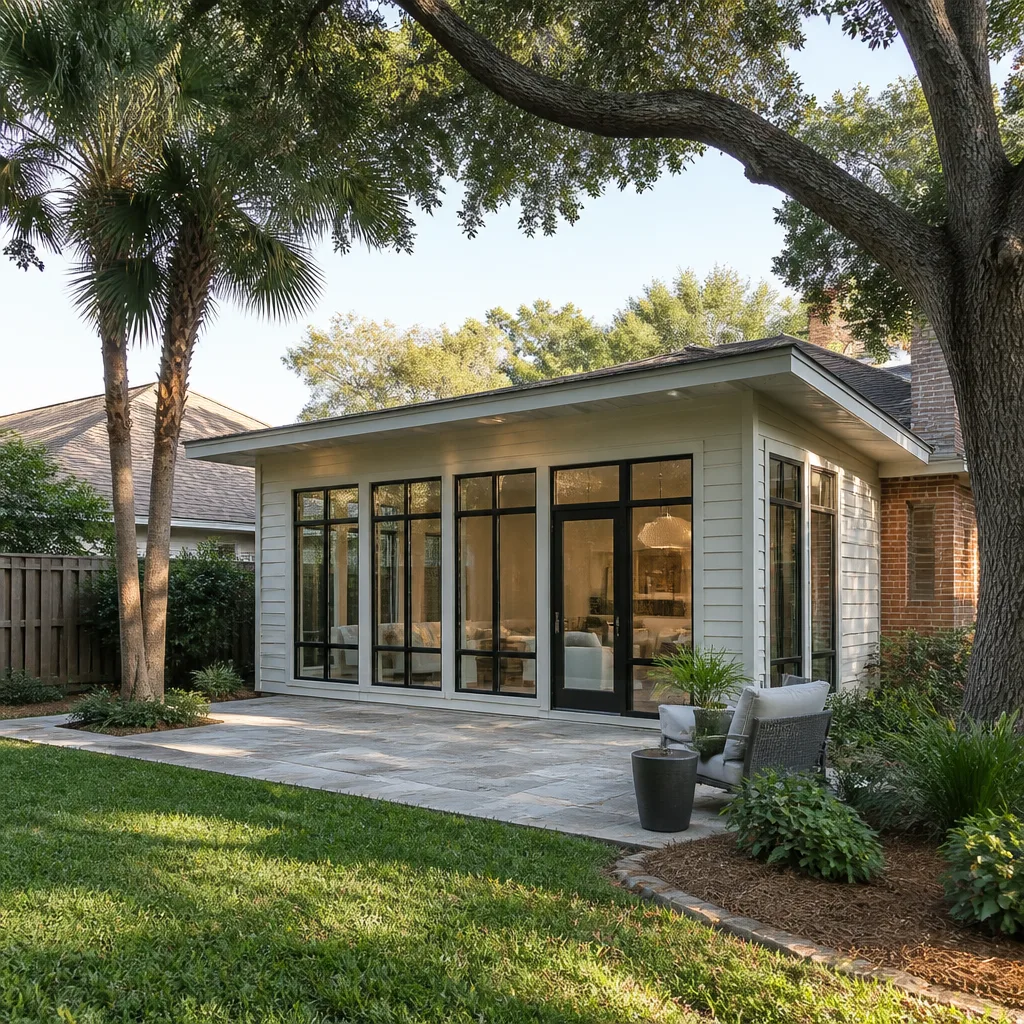
A properly engineered and built addition or ADU with Master Halco components lasts the life of the house – 50 years or more for the structure. The components that wear first are the things attached to the framing: roofing, flashing, caulking, weather stripping around doors and windows. In Santa Clarita’s heat and UV exposure, expect exterior sealants to need touch-up every 5 to 8 years. The framing itself, if it’s dry, properly fastened, and bolted to the foundation per plan, does not have a meaningful expiration date. Call us at (661) 592-1977 if you’re seeing movement and want an inspection.
Most individual connector plates and hangers can be repaired or reinforced with engineer-specified replacements, and that’s a $400 to $1,800 job depending on access and the hardware involved. If a truss itself has a split bottom chord or visible plate separation at multiple joints, that truss usually gets replaced, not patched. The good news is that framing repairs on additions and ADUs are localized – you aren’t tearing down a wall unless the damage has spread. Give us the address and a few photos and we’ll tell you honestly which path you’re on. Estimates in Santa Clarita are free.
A garage conversion runs 8 to 12 weeks from permit to final inspection in Santa Clarita. A detached ADU typically takes 4 to 6 months, and a full home addition runs 3 to 6 months depending on scope and how fast the city processes your permit. The single biggest schedule variable is plan check turnaround at the City of Santa Clarita, which we manage as part of the project. Before we start, you get a written schedule with milestones, live arrival tracking for our crew, and photo updates after every major phase. That’s The Relay Standard, and it’s how every job runs.
We stock the common Master Halco-compatible connectors, hangers, anchor bolts, and fasteners we use on every build, and we source trusses, I-joists, and LVLs from Master Halco distribution or an equivalent yard based on lead time and your engineer’s spec. You don’t need to order anything yourself, and honestly, you shouldn’t – if you buy the wrong hanger series for your joist size, you own it and the delay. We handle procurement, inspection, and installation as one job, with one written price. For a parts check or a full build estimate, call (661) 592-1977.
Written by Luca Romano, Owner, Sawyer Remodel Santa Clarita at Sawyer Remodel Santa Clarita, serving Santa Clarita and nearby areas.