Free written scope consultation - allowances, timeline, and change-order rules on paper before a single trade is scheduled
Silestone Home Additions & ADU: The Santa Clarita Owner’s Guide
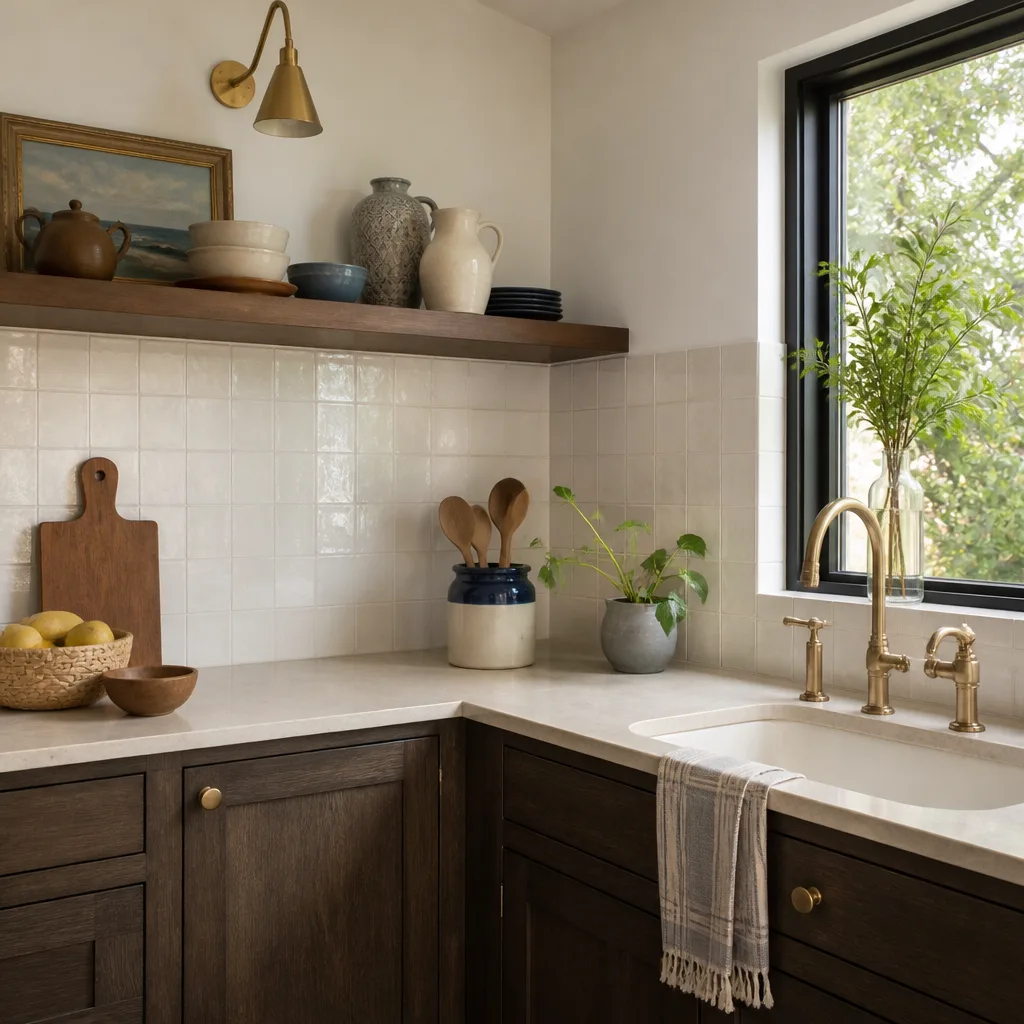
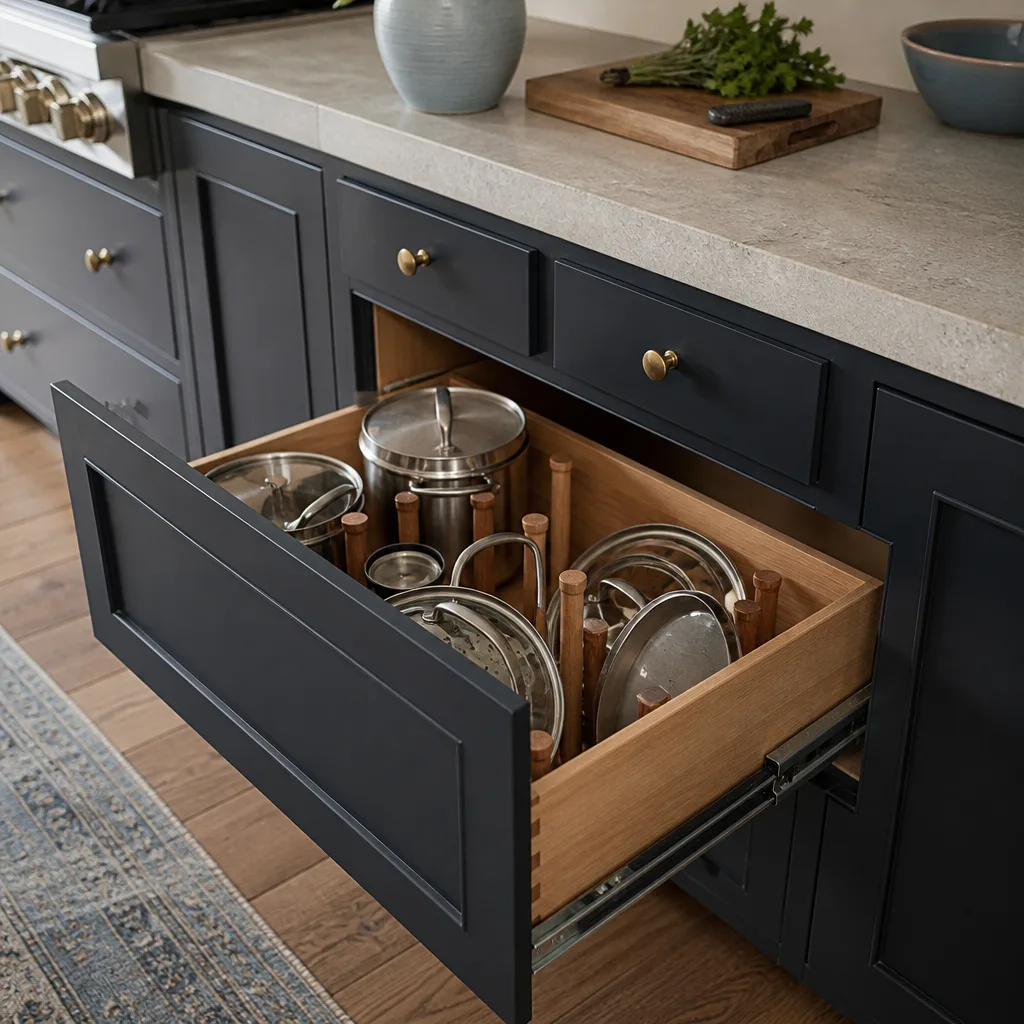
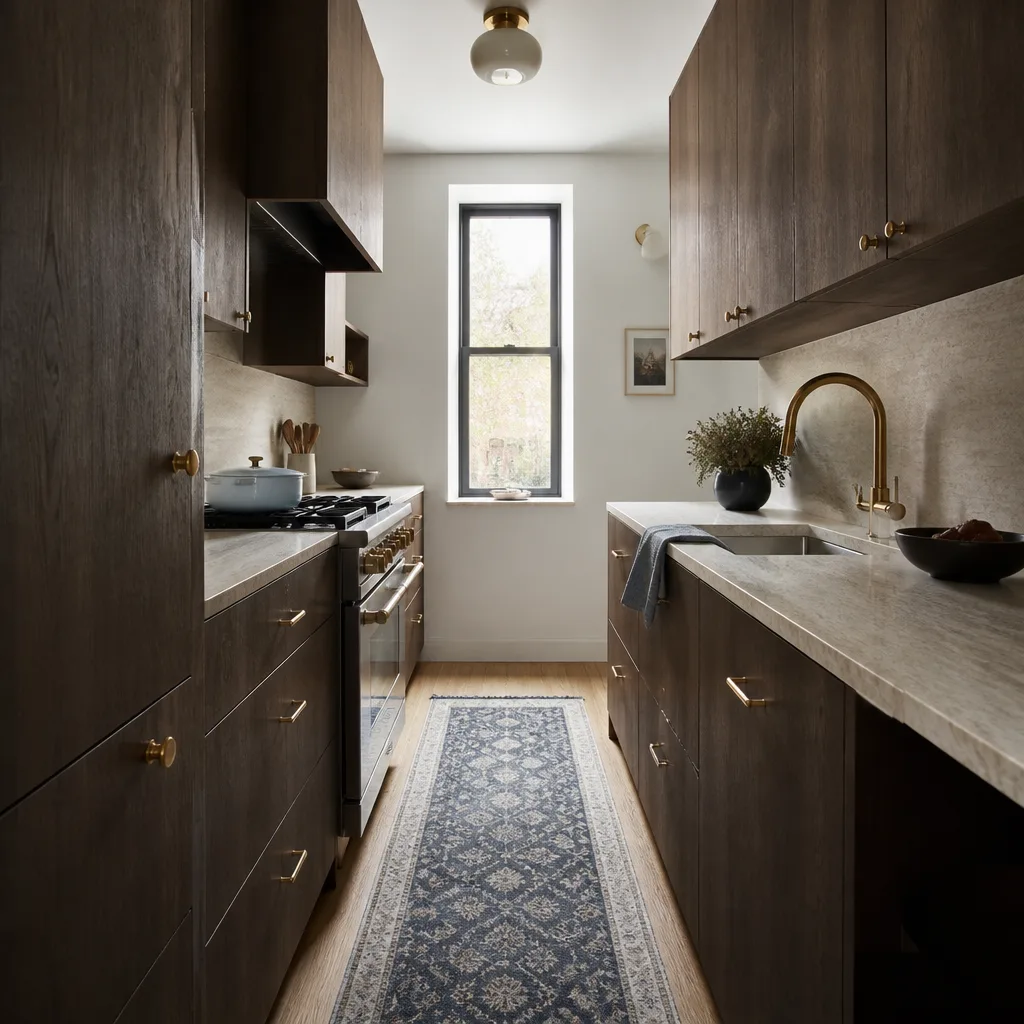
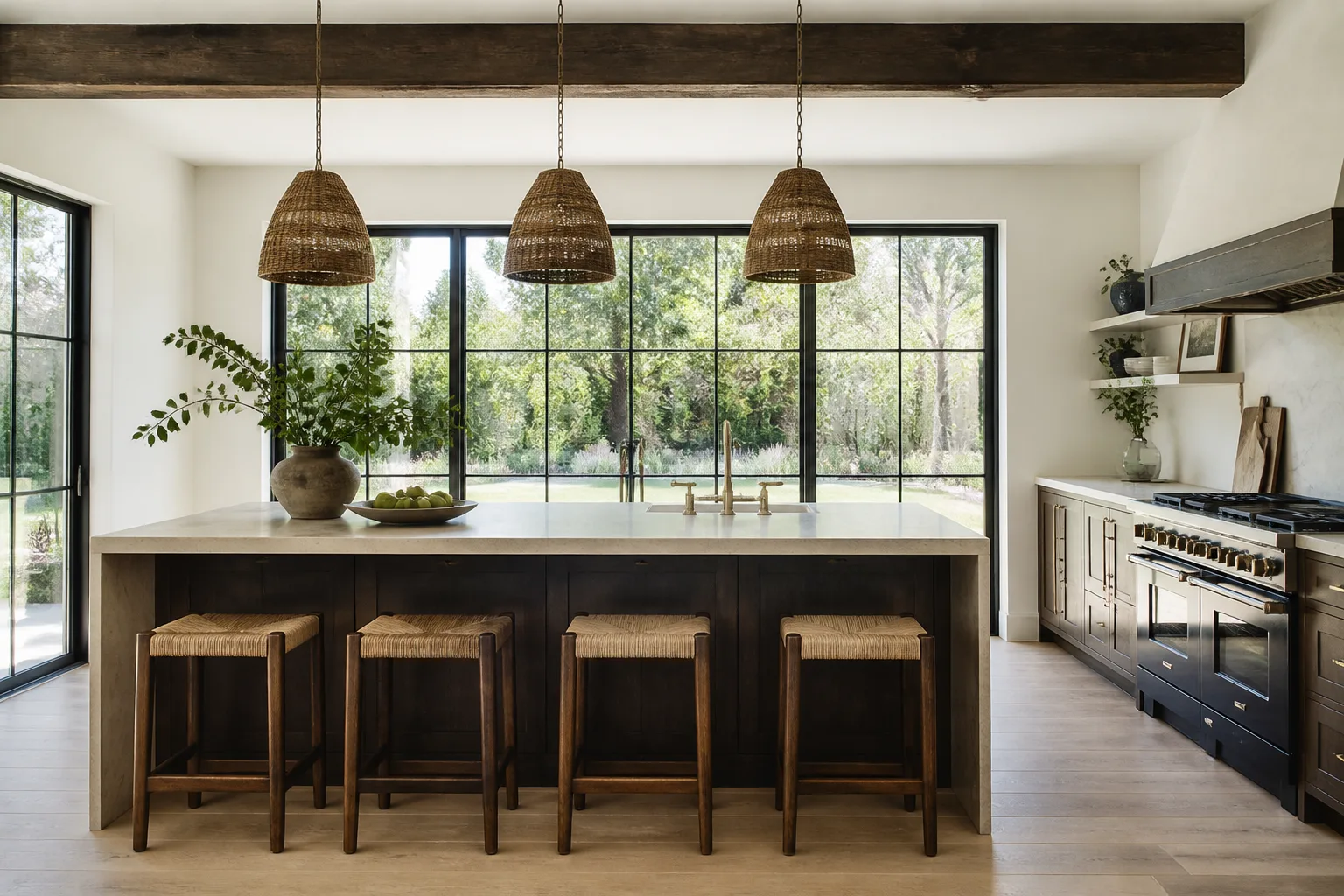
Silestone countertops and surfaces are a popular choice in Santa Clarita home additions and ADUs, running $45,000 to $130,000 for a full project with Silestone finishes. When a Silestone surface fails, cracks, chips, or delaminates mid-project or in an existing addition, we can usually repair or replace it within 3 to 5 business days depending on slab availability. Most homeowners notice the problem as a dull spot that won’t polish, a visible crack near a seam, or a chip along an edge that catches your thumbnail.
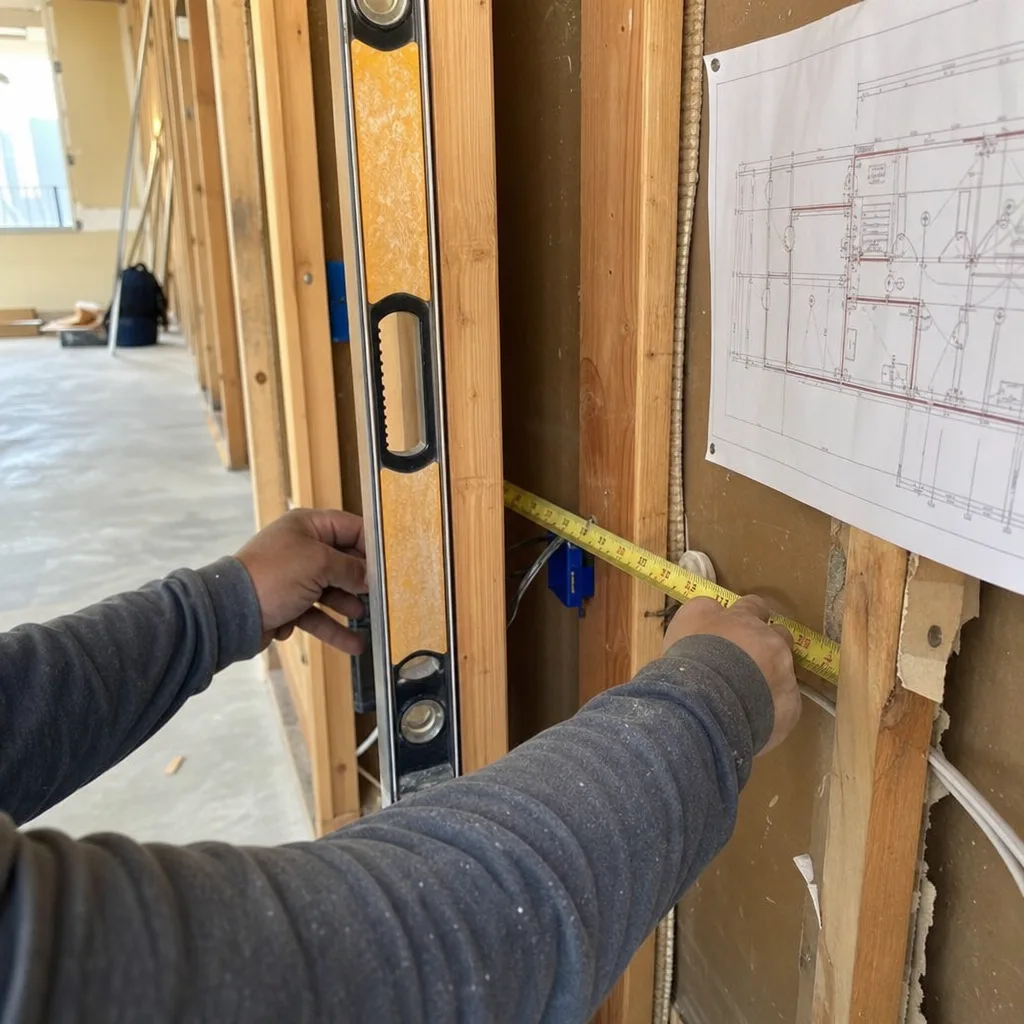
We’re Sawyer Remodel Santa Clarita, an independent service provider. We’re not affiliated with Silestone, but we install and work with their product lines daily. Luca Romano runs our Santa Clarita crew, and we’ve rebuilt enough kitchens and ADUs in Valencia and Newhall to know exactly how Silestone behaves under local conditions.
Key Takeaways
- Full Silestone home additions and ADUs in Santa Clarita run $45,000 to $130,000 installed.
- Silestone-specific countertop work inside an addition or ADU runs $2,000 to $6,500.
- Most Silestone failures we see are seam separation, edge chipping, or heat-related stress cracks.
- We stock common Silestone seam kits, color-match epoxies, and edge profiles on the truck.
- Every job gets a written price before work starts. No exceptions.
Which Silestone Models This Applies To
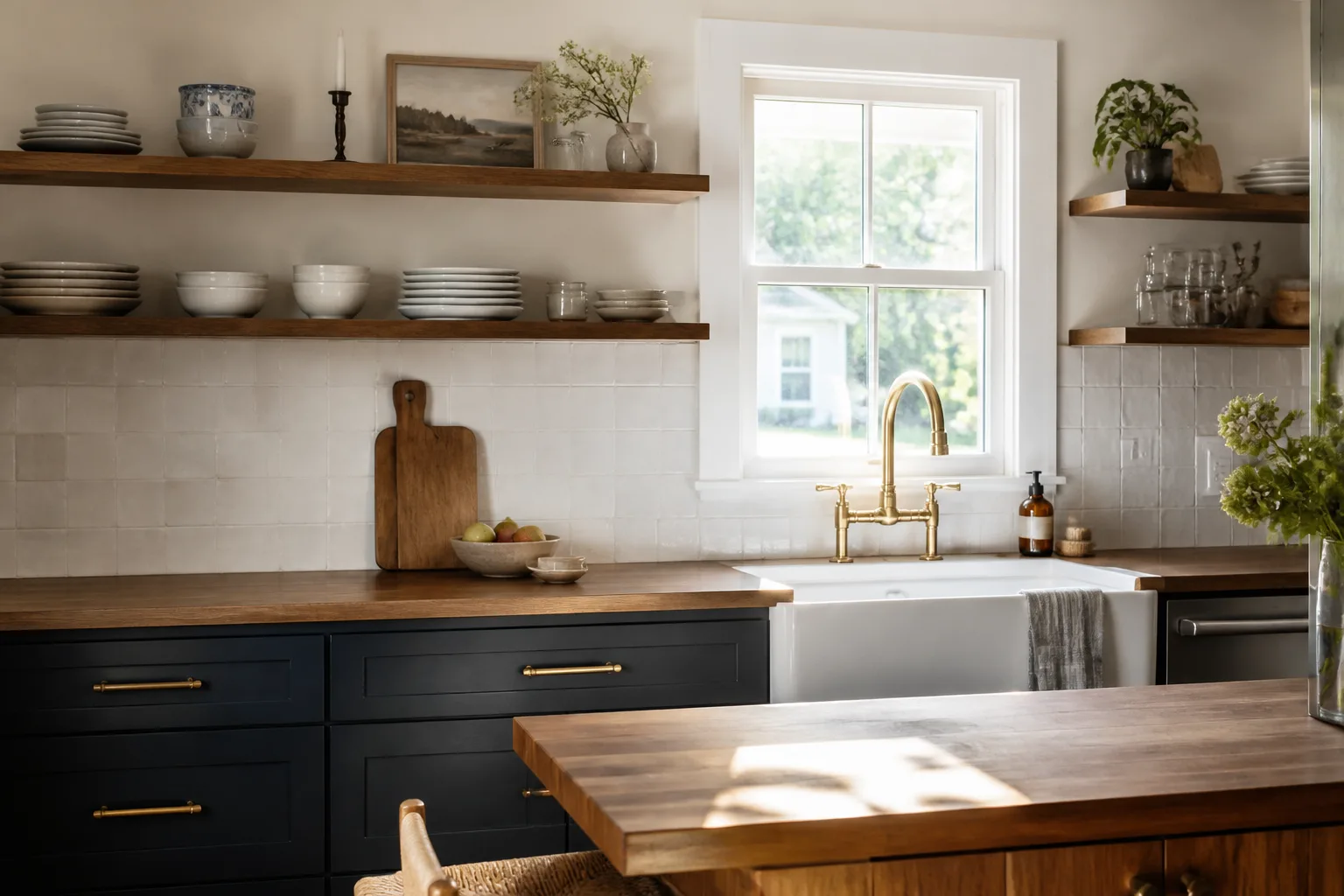
Silestone is a quartz surface made by Cosentino, and it comes in three finishes that matter for Santa Clarita additions: polished, suede (matte), and volcano (textured). The finish affects how repairs are done and what adhesives bond correctly. Polished surfaces take a clear polyester resin patch well. Suede and volcano finishes hide repairs better but require a different color-match approach because the texture breaks up light differently.
If you still have the Silestone slab identification sticker, check the series name: Eternal, Loft, Sunlit Days, or Urban Crush are the common lines we see in Santa Clarita kitchens. If the sticker is gone, measure the slab thickness. Older Silestone installs from 2010 to 2018 are typically 2cm or 3cm. Newer ADU builds almost always use 2cm slabs with a mitered or laminated edge. That measurement alone tells us whether we’re repairing in place or recommending replacement.
For OEM versus aftermarket: Silestone does not sell a DIY repair kit. Cosmetic filler epoxies from suppliers like Integra or Lamello work well for small chips, but for structural issues like seam separation from a settling ADU foundation, no aftermarket product replaces proper slab removal and reinstallation. We carry both OEM-matched color pastes and quality aftermarket bonding systems, and we’ll tell you honestly which one the job needs.
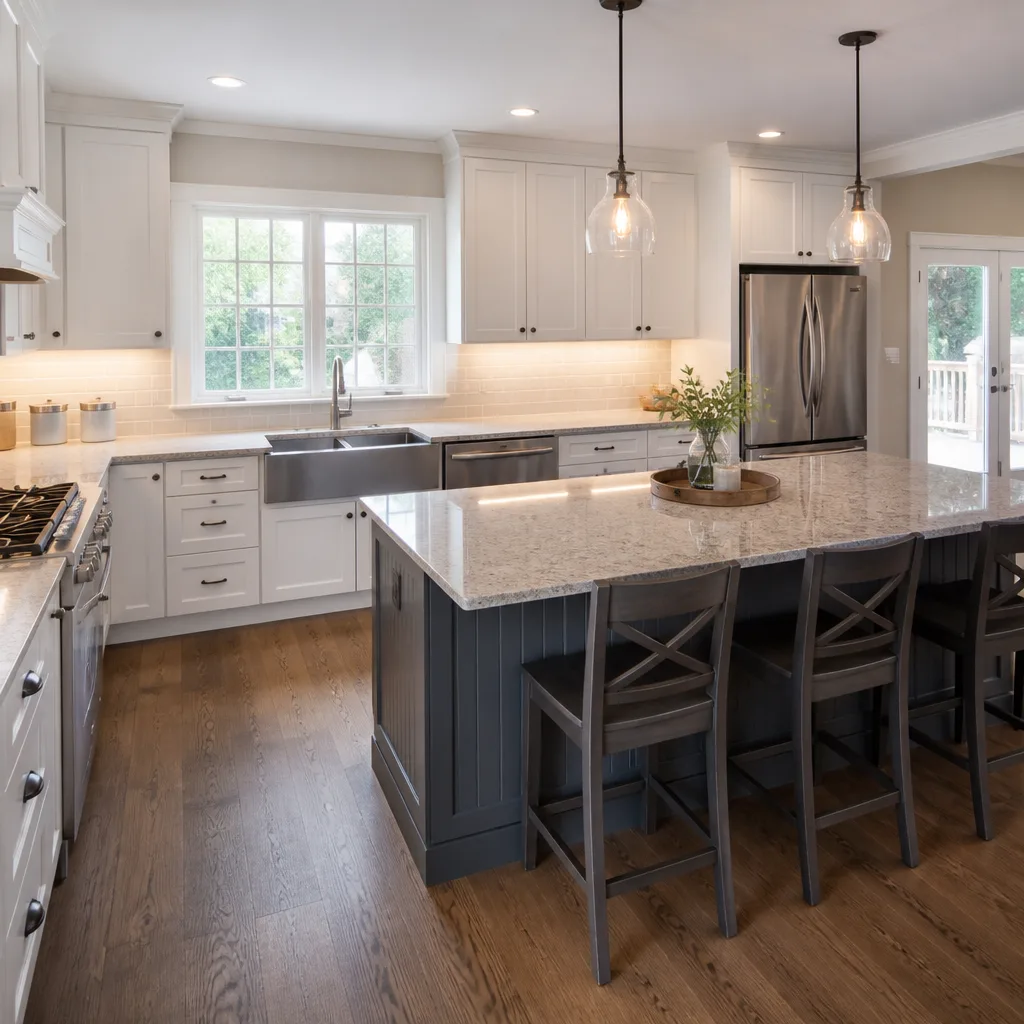
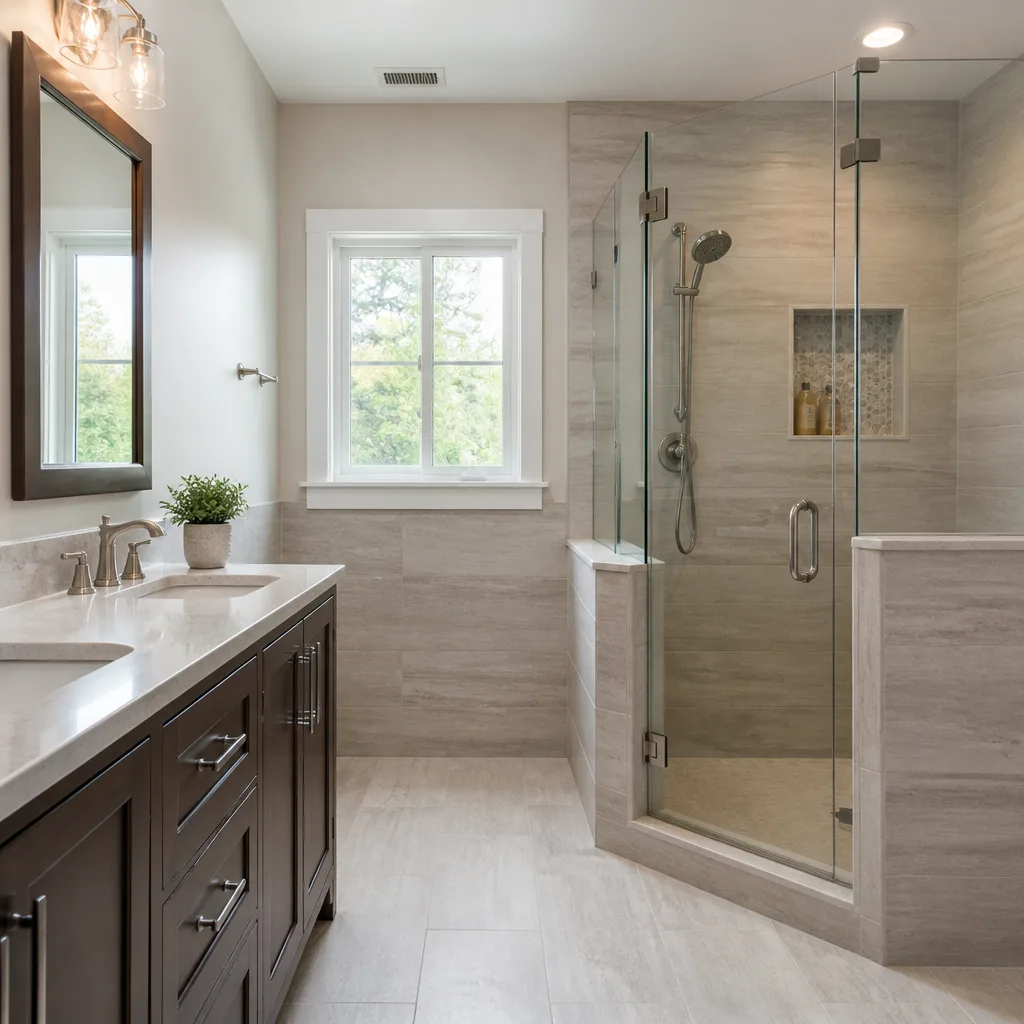
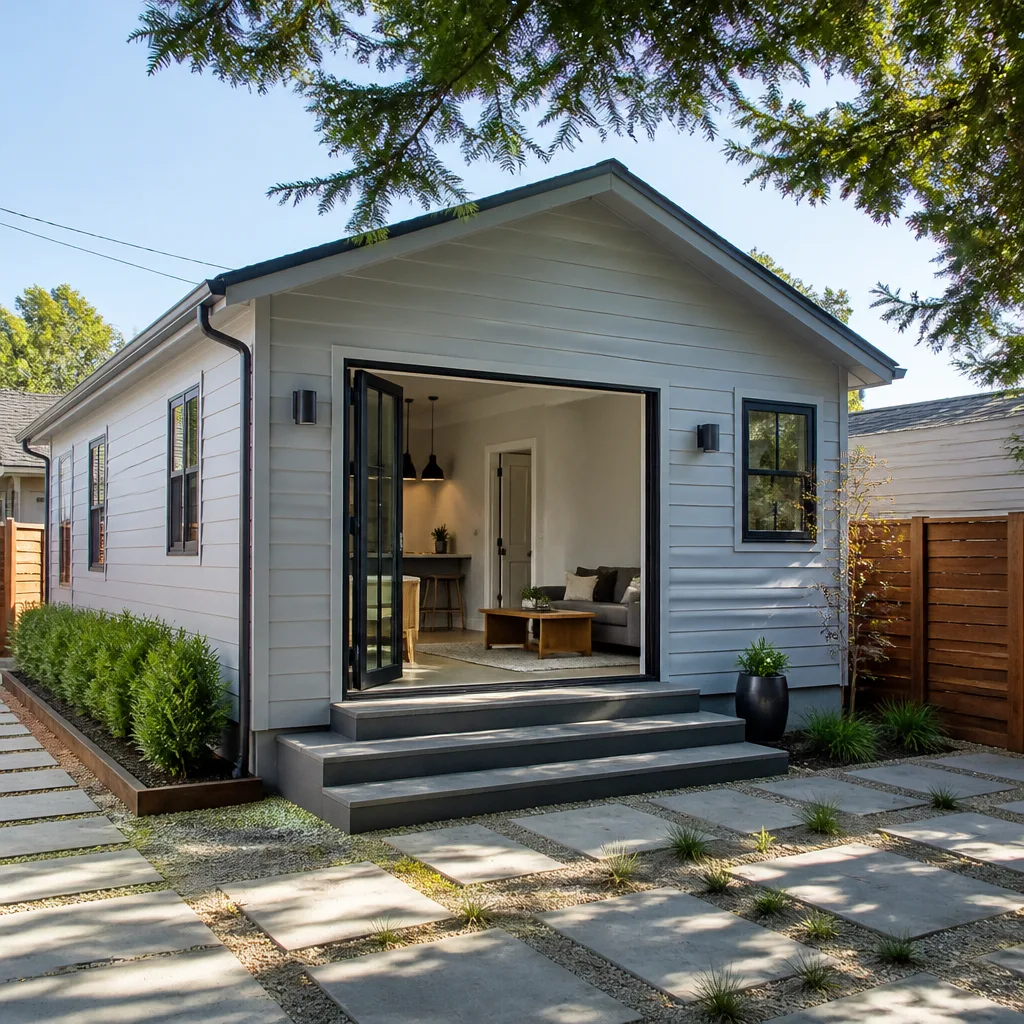
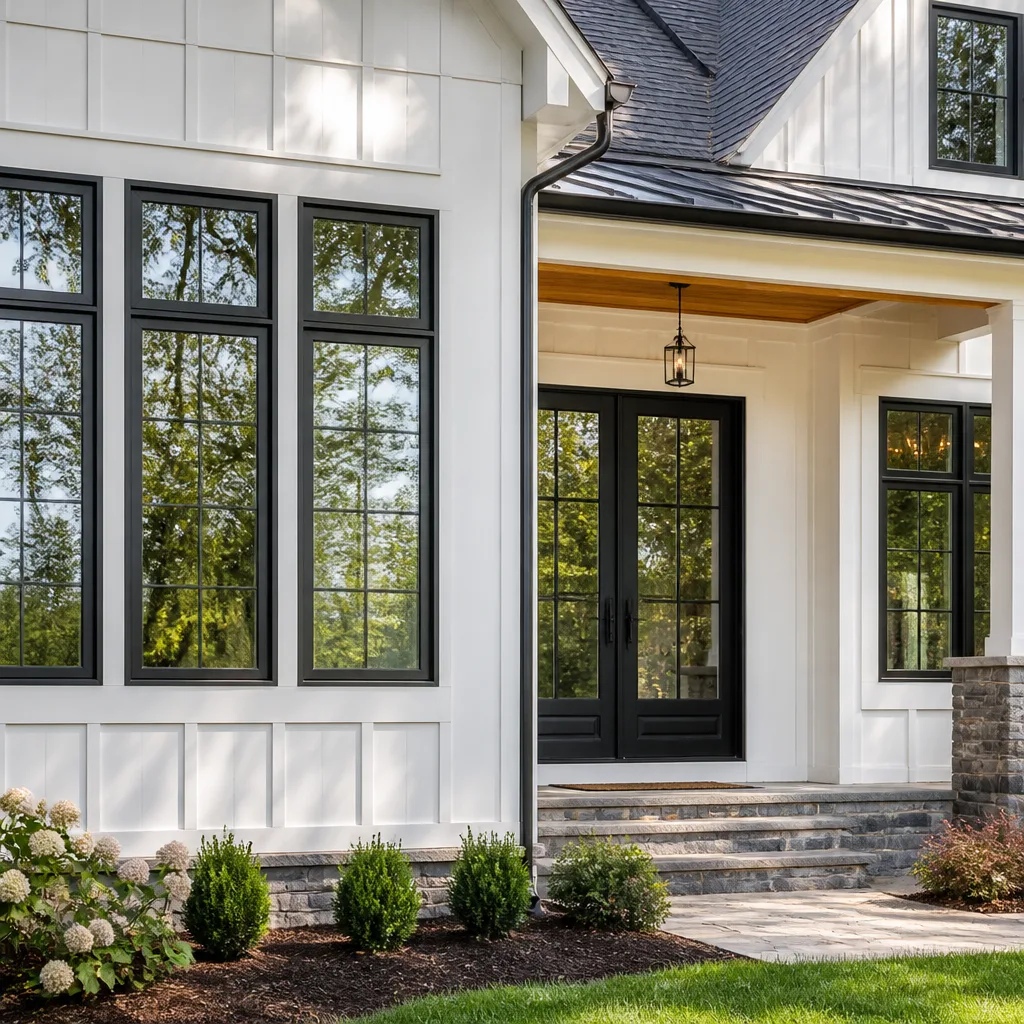
Styles & brands we work with
Signs Your Silestone Home Additions & ADU Is Failing
- Crack running from a corner or cutout. Quartz expands and contracts with temperature swings, and Santa Clarita’s 100-degree summer days followed by cold desert nights stress the material. A crack from a sink cutout or cooktop corner means the slab was under-tensioned at install or the substrate shifted.
- Seam opening up or feeling rough. If you can feel the seam with a fingernail, the adhesive bond is failing. In ADUs built on post-tension slabs, minor settling is normal, but the seam should stay flush. An opening seam catches crumbs and water, and it gets worse.
- Chalky or cloudy dull spot that won’t clean. This is usually chemical etching from acidic cleaners, but on Silestone it can also mean a factory resin issue or a heat scar from a hot pan set directly on the surface. Silestone has good heat resistance, but a 450-degree pan base will still mark it.
- Edge chip along the overhang. The most common failure we see in Santa Clarita is a chipped edge where a barstool or heavy pan hit the overhang. Polished edge profiles chip more easily than eased or bullnose edges on newer Silestone lines.
- Water staining or darkening near the sink. Quartz is non-porous, so real water absorption means the surface was never properly sealed, or you’re seeing adhesive bleed-through from a failed seam near the sink rim.
See the difference
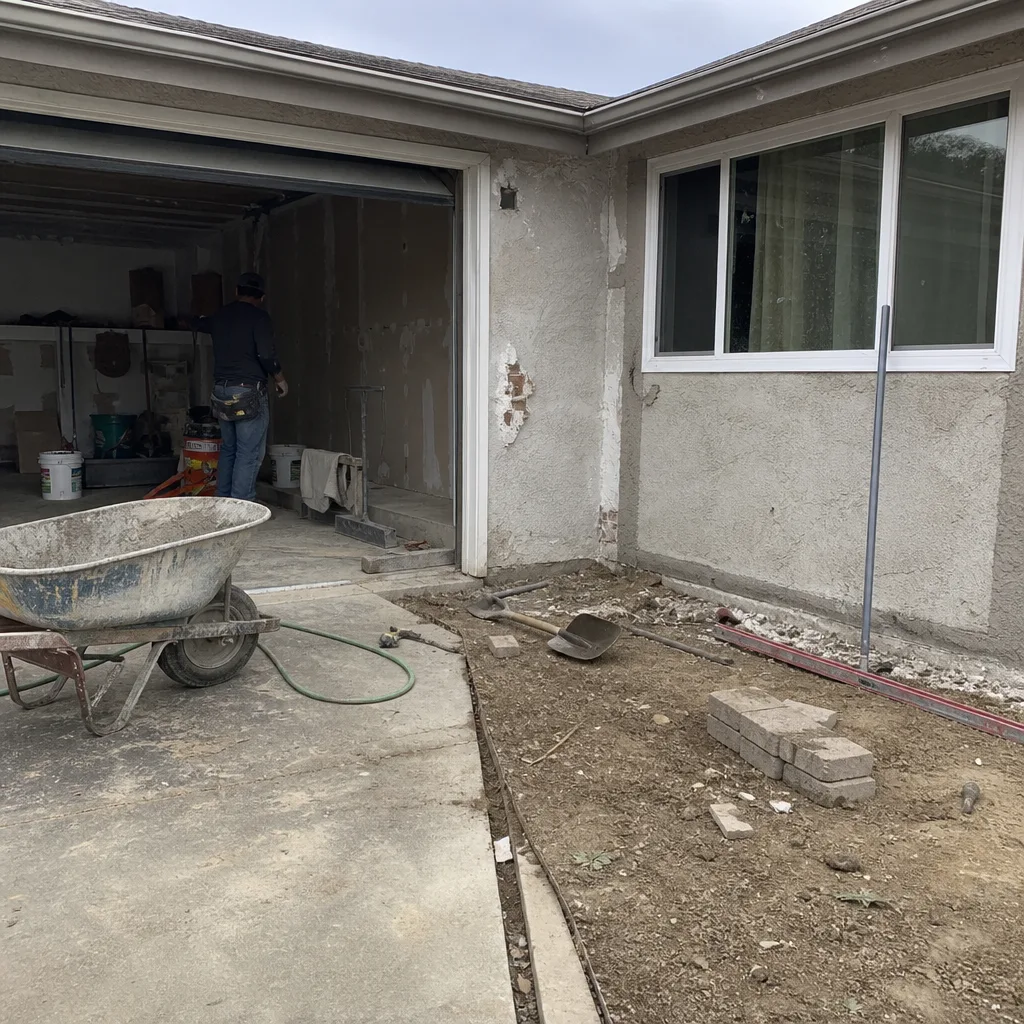 Before
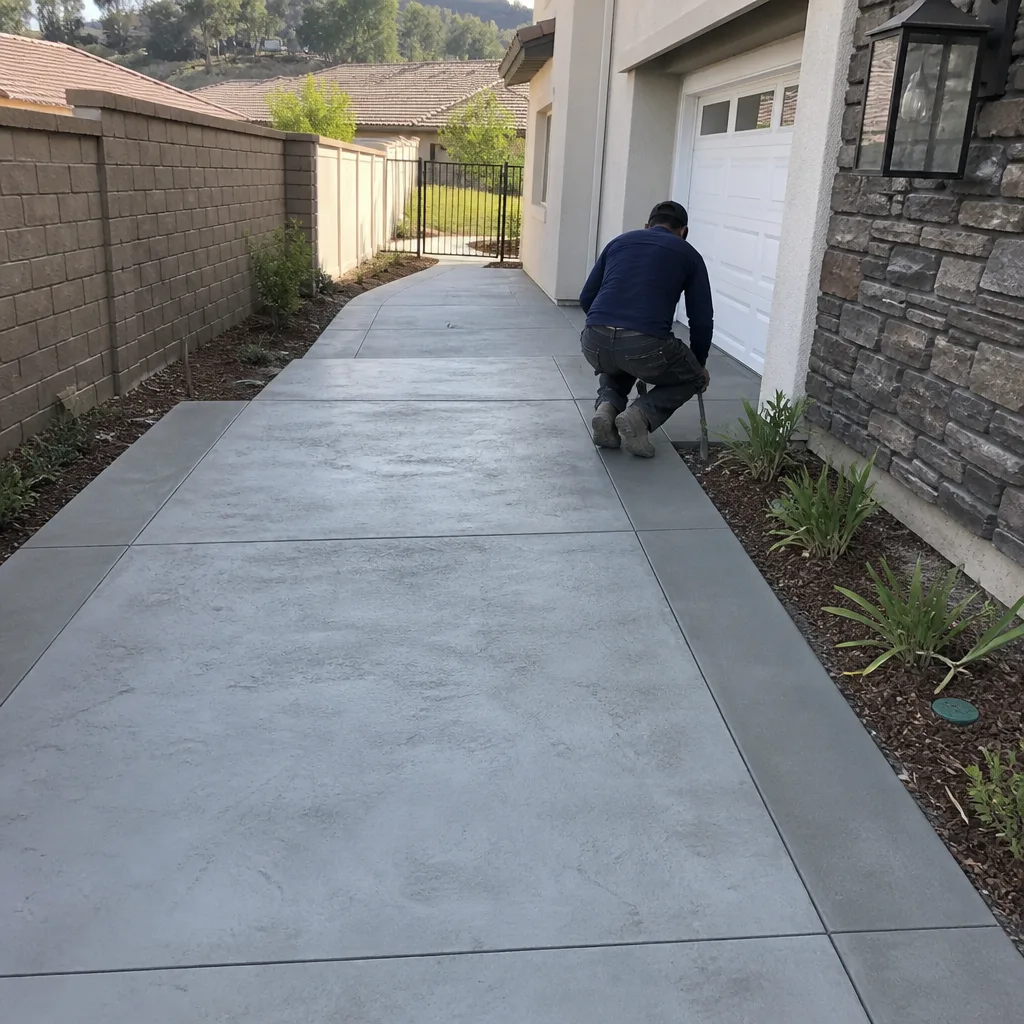 After
After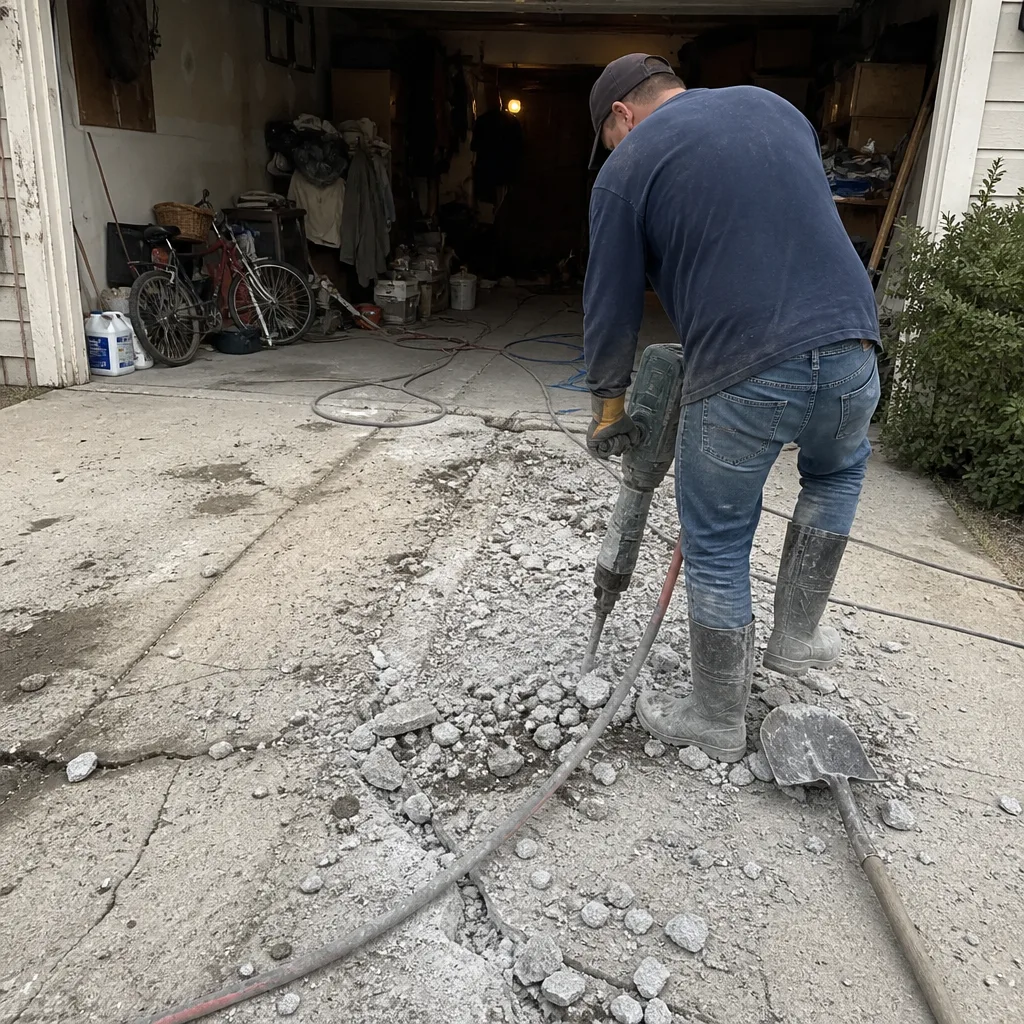 Before
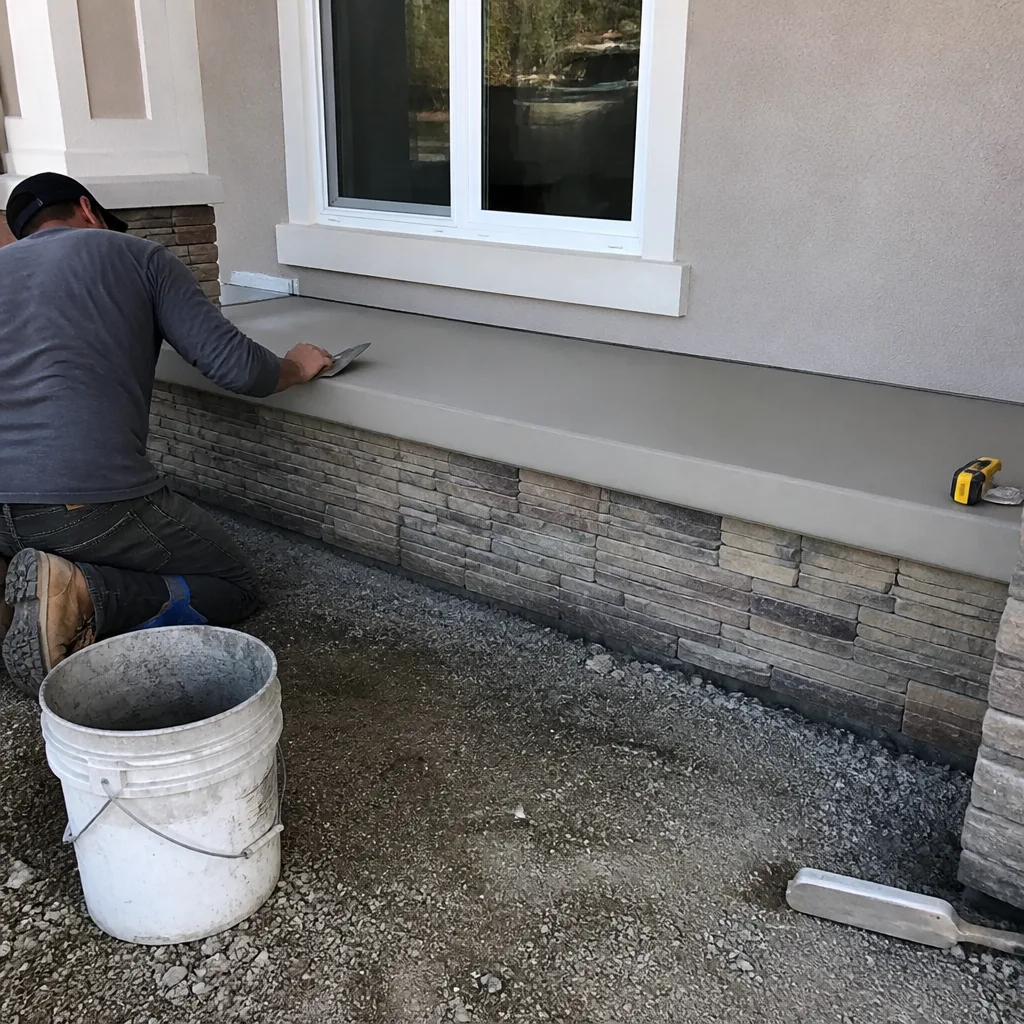 After
After Before
 After
AfterReplacement Cost & What’s Included
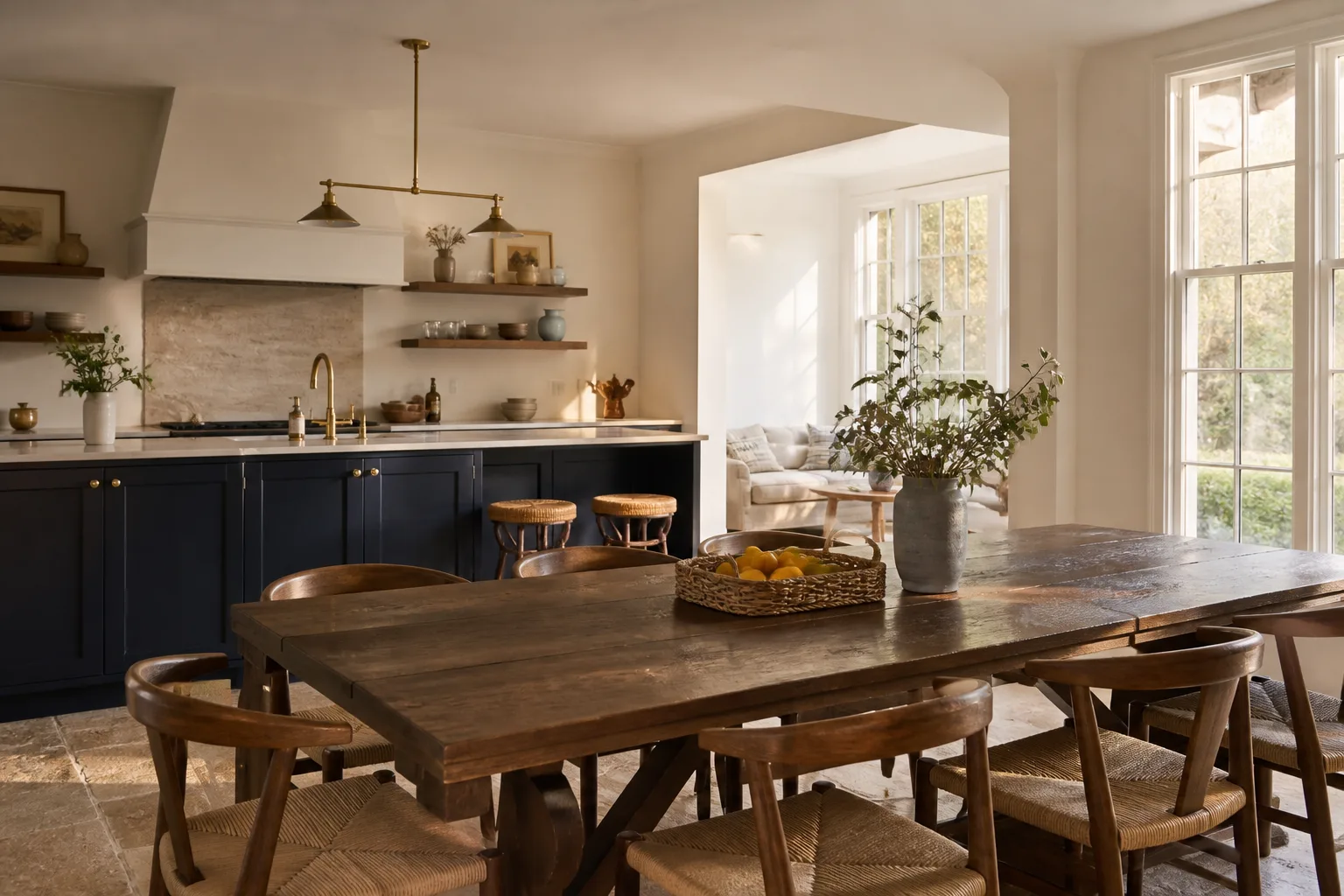
A full Silestone home addition or ADU in Santa Clarita runs $45,000 to $130,000, and that includes design, permits, framing, drywall, electrical, plumbing, and finish work. If the Silestone surface itself is the only thing being replaced, countertop installation runs $2,000 to $6,500 for typical kitchen or bath runs. A standalone island top with Silestone runs $3,000 to $10,000 depending on slab size and edge complexity.
What drives the number: slab thickness (2cm vs 3cm), edge profile, seam placement, and whether the existing substrate needs repair before the new surface goes down. We write the price before any work starts, and the number on the invoice is the number you approved. No change orders because we measured wrong. No surprise materials fees. The 365-Day Done Right Promise covers the full project for a year after close: if it’s not done right, we make it right, in writing.
Call (661) 592-1977 for an exact quote. Estimates are free.
DIY or Call Us?
You can safely clean and inspect your Silestone surface. Wipe it down with a pH-neutral cleaner, feel the seams with your fingernail, and look along edges with a flashlight. That tells you whether the problem is cosmetic or structural. A tiny edge chip on a polished finish can sometimes be filled with a color-matched epoxy kit, but that’s precision work. If the color match is off by even a shade, the repair is more visible than the chip was.
Where DIY goes wrong is when someone tries to re-glue a separated seam with hardware store adhesive, or when they sand a cloudy spot with an abrasive pad. That creates a low spot you’ll see forever. Quartz is heavy. A 2cm slab panel for a typical island weighs 250 to 400 pounds. Moving or lifting slabs to access a seam is a two-person job with the right suction cups and a flat dolly, not a Saturday project. If the surface is cracked through, don’t stand on it, don’t set anything heavy on it, and don’t try to bridge it with epoxy. We’re at (661) 592-1977 if you want us to look at it.
FAQs
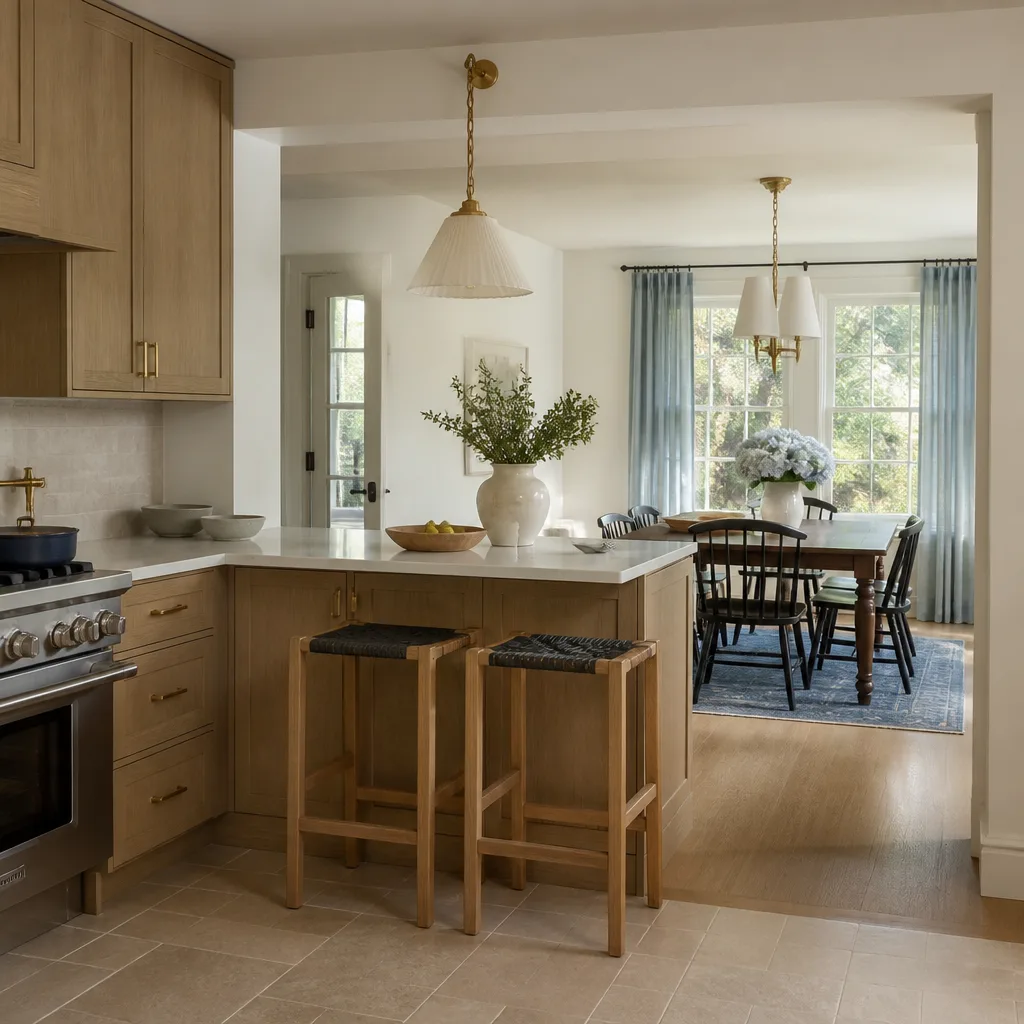
Silestone should last 20 to 30 years as a countertop surface with normal use, though Santa Clarita’s wide temperature swings and intense sun exposure can shorten that if the ADU isn’t climate-controlled year-round. Seams are the weak point, not the slab itself. Call (661) 592-1977 for a free seam inspection.
A hairline crack away from a cutout can often be stabilized and color-filled so it’s nearly invisible; a structural crack running from a sink or cooktop corner usually means replacement is the honest answer. We’ll tell you which one you have. Estimates are free at (661) 592-1977.
A standard countertop template, fab, and install takes 7 to 14 days from template to finished install, though we can often pull it faster if the slab is in local stock. The physical removal and install day is usually one full day on site. Call (661) 592-1977 to check current slab availability.
We stock common Silestone color-match epoxies, seam bonding kits, edge profile materials, and clean-up supplies on our trucks, so many small repairs are done same-day once we confirm the color code. For slab-specific work, we order directly through our material partners. Call (661) 592-1977 to confirm your color match is in stock.
Written by Luca Romano, Owner, Sawyer Remodel Santa Clarita at Sawyer Remodel Santa Clarita, serving Santa Clarita and nearby areas.